4PX shipping is a cross-border logistics option commonly used for small parcels sent from China to international destinations. It is frequently selected for e-commerce orders, product samples, replacement components, and lower-volume commercial shipments where a premium courier may not be necessary.
For B2B buyers, especially shower manufacturers, distributors, and sourcing teams, it is important to understand that 4PX may manage only part of the delivery journey. A parcel can be collected in China, processed through a sorting network, transported internationally, cleared through customs, and then handed to a postal operator or domestic courier for final delivery.
This multi-carrier model explains why tracking can appear slow or incomplete at certain stages. Delivery timing depends on the service level, customs procedures, transport capacity, destination country, and the final-mile carrier.
What 4PX Does and Who Handles Final Delivery
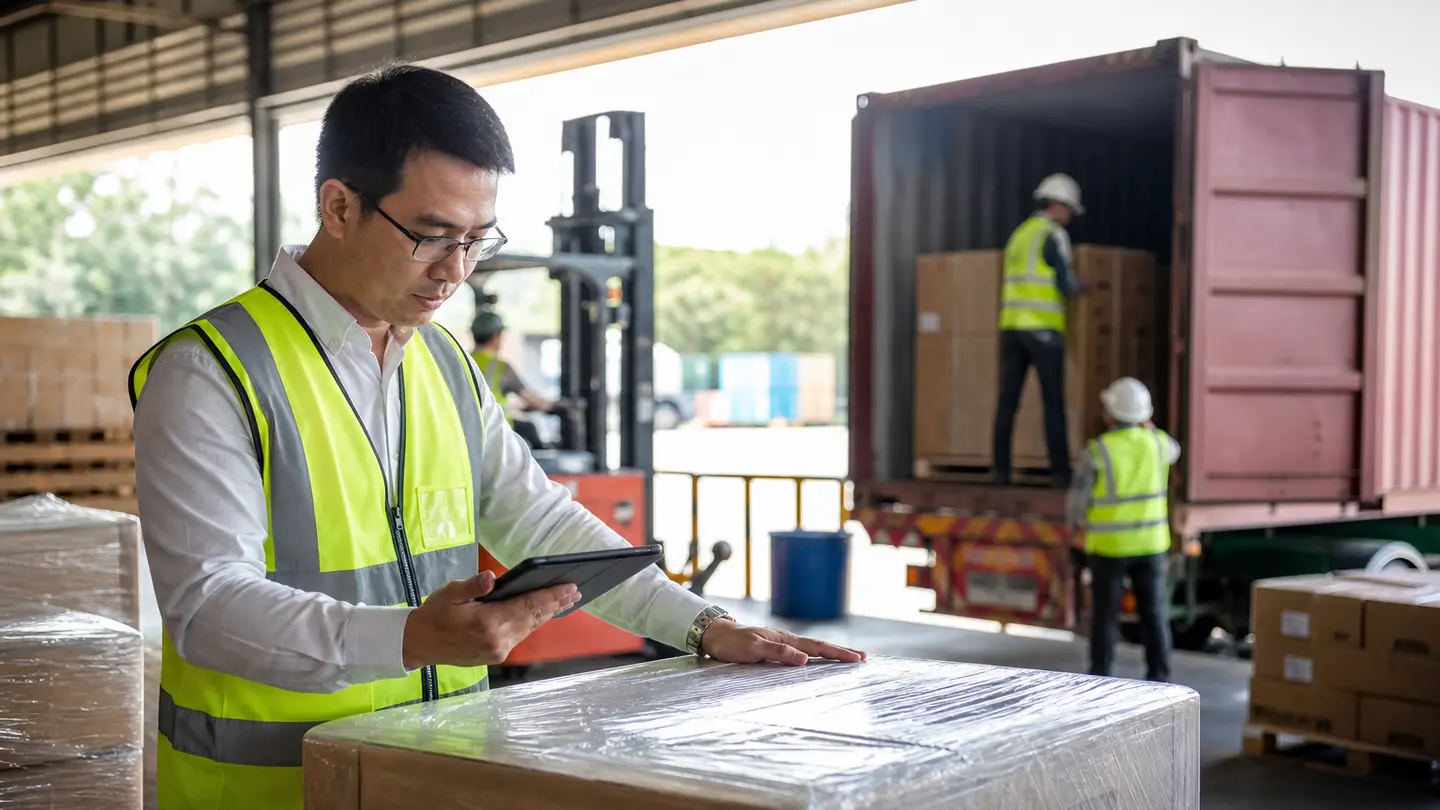
4PX is a China-based cross-border logistics provider that supports parcel collection, sorting, international transport, and selected fulfillment activities. Sellers, online marketplaces, sourcing agents, and exporters may use 4PX to move smaller shipments from China to overseas buyers.
For a typical shipment, 4PX may handle several stages:
- Collection from the seller, warehouse, or fulfillment center
- Processing at a China sorting facility
- Export handling and international transport arrangements
- Arrival processing in the destination country
- Handover to a local postal operator or courier
The company that delivers the parcel to the final address is often not 4PX itself. Depending on the service and destination, final delivery may be completed by a national postal service, a regional courier, or another local logistics partner.
For B2B buyers, this matters when arranging delivery to a warehouse, showroom, construction site, or purchasing office. The original 4PX tracking number may later be associated with a separate local tracking number. Once that handover occurs, the domestic carrier’s system may offer more detailed delivery updates, including attempted delivery notices or pickup-point information.
Is 4PX Legit, and Does a Tracking Number Prove Shipment?
4PX is an established logistics provider and is not inherently a scam. However, a valid-looking tracking number does not always prove that a parcel has physically entered the carrier’s network.
A seller can create a shipping label electronically before handing the goods to 4PX. In that situation, tracking may show a status such as “shipment information received,” “shipping label created,” or a similar pre-collection message. This generally means that the shipment data exists, but the carrier may not yet have scanned the physical parcel.
There are several reasons tracking can seem unreliable:
- The seller has created a label but has not dispatched the parcel.
- The parcel is waiting for collection with other outbound shipments.
- Tracking scans are uploaded in batches rather than immediately.
- The parcel is being transferred between logistics partners.
- The international leg has limited scan visibility.
For procurement teams buying shower samples, replacement cartridges, fittings, handles, or accessories, a missing carrier-acceptance scan should be reviewed carefully. It may point to a seller fulfillment delay rather than a failure by 4PX.
Ask the supplier to confirm the actual handover date, not only the label creation date. A supplier should be able to distinguish between “booking created” and “parcel accepted by the carrier.”
How to Interpret Common 4PX Tracking Updates
Tracking messages can vary by route and service, but the general shipment stages are similar. Understanding these stages helps buyers avoid escalating an issue too early.
| Tracking update | What it generally means | Practical next step |
|---|---|---|
| Shipment information received | A shipping label or electronic shipment record has been created. | Confirm whether the seller has physically handed over the parcel. |
| Received at sorting facility | The parcel has entered a 4PX or partner processing network. | Allow time for export sorting and transport allocation. |
| Departed from Nancheng or another China hub | The parcel has moved beyond a China sorting center. | Monitor for export, airline, or destination updates. |
| Handed to airline | The parcel is prepared for air transport or transferred to an airline handling process. | Do not assume it is already on a flight. |
| Arrived at destination | The parcel has reached the destination country or a destination-region facility. | Watch for customs and domestic carrier updates. |
| Customs clearance completed | Customs processing has been completed or progressed. | Wait for handover to the local delivery partner. |
| Handed over to local carrier | A domestic postal operator or courier has accepted the shipment. | Check the local carrier’s tracking system. |
“Shipment information received” is one of the most misunderstood statuses. It normally indicates label creation before physical collection. If this status remains unchanged for an extended period, the seller should be the first point of contact.
A departure scan from a China sorting hub, including a Nancheng departure scan, usually indicates that the parcel is moving through origin processing. It is a more meaningful update than a label-created status because it suggests the package has entered the logistics network.
An “airline handover” update can also be misunderstood. It may indicate that the parcel has been transferred to an airline handling process, but it does not always confirm immediate flight departure. Parcels can wait for available capacity, consolidated dispatch, or export processing.
Similarly, destination arrival or customs clearance does not necessarily mean delivery is about to occur. The parcel may still need to be sorted, assigned a local tracking number, and accepted by the final-mile carrier.
The most important confirmation for final delivery is a last-mile handover scan. This shows that a domestic carrier has accepted responsibility for the parcel.
How to Track a 4PX Shipment Effectively
Start with the tracking link supplied by the seller, marketplace, or sourcing agent. Verify that the tracking number matches the shipping record, purchase order, or commercial invoice reference.
During the international stage, 4PX tracking is usually the most relevant source of information. Once the parcel reaches the destination country, look for a local carrier name or secondary tracking number.
A practical tracking process is:
- Confirm the shipment number with the seller.
- Check whether the parcel has received an acceptance or collection scan.
- Monitor China-side sorting and export updates.
- Review destination-country scans for customs or arrival information.
- Search for a local tracking number after final-mile handover.
- Use the domestic carrier’s tracking page once it has accepted the parcel.
For business shipments, tracking is only one part of shipment control. Accurate commercial documents can reduce avoidable customs delays. Product descriptions, declared values, quantities, and consignee details should be consistent across invoices, customs declarations, packing lists, and supporting records.
For example, a shipment described only as “bathroom goods” may provide less clarity than a commercially accurate description such as “shower mixer samples,” “stainless steel shower hose fittings,” or “plastic shower accessories.” Descriptions should remain truthful and match the actual goods.
How Long Does 4PX Shipping Take?
There is no single delivery time for 4PX shipping. Transit duration depends on the selected service, destination country, customs procedures, available transport capacity, and the local delivery partner.
In general, services can be understood as follows:
- Express services: Designed for more urgent shipments, often at a higher cost. These may be suitable for time-sensitive shower product samples, replacement components, or pre-production approvals.
- Standard services: Intended to balance cost and delivery speed. They can be suitable for routine sample orders and moderately urgent parcels.
- Economy services: Better suited to lower-value shipments with flexible delivery requirements. Tracking may be less detailed, and transit can be slower.
Peak sales periods, public holidays, weather disruptions, transport capacity constraints, customs inspections, and remote delivery areas can all extend delivery time. A shipment to a major commercial address may move differently from one going to a remote region or a location requiring additional local delivery arrangements.
Buyers should also distinguish parcel shipping from sea-based door-to-door freight. A 4PX parcel service is generally used for smaller shipments, while sea freight follows a different process involving container consolidation, port handling, customs clearance, and inland delivery. Sea-based door-to-door freight may be more appropriate for larger orders, but it should not be evaluated using parcel-service delivery expectations.
When requesting quotations, ask suppliers to state the shipping method clearly. “Shipping included” does not explain whether the shipment will move by express courier, standard parcel line, air freight, rail, or sea freight.
When 4PX Is Not the Best Shipping Option
4PX shipping is generally more suitable for lighter parcels, samples, spare parts, and lower-volume shipments. It may not be the most appropriate option for every B2B purchase.
For shower manufacturers and buyers, alternative logistics arrangements may be better in the following situations:
- Palletized or bulky commercial loads: Shower enclosures, glass panels, shower trays, large quantities of valves, or cartonized finished goods may be more suitable for a freight forwarder.
- High-value or urgent shipments: Premium couriers may provide faster transit, more direct support, and clearer end-to-end accountability.
- Regulated or restricted goods: Products containing batteries, liquids, chemicals, or other controlled materials may require specialist routing and documentation.
- Complex import requirements: Commercial shipments requiring customs brokerage, delivery appointments, or warehouse coordination may benefit from a dedicated freight partner.
The right option depends on shipment weight, dimensions, declared value, urgency, customs complexity, and the cost of a delayed delivery.
A small package of shower valve samples may fit a parcel network well. A multi-pallet shipment of finished shower systems for a distributor will usually need a different freight solution.
Avoidable Causes of Customs and Shipping Delays
Not all delays are caused by logistics providers. Many customs issues arise from incomplete, inconsistent, or inaccurate documentation.
To reduce avoidable disruption, ensure that product descriptions and declared values match across all commercial records. If the invoice states one product description while the customs declaration uses another, customs authorities may request clarification.
Important checks include:
- Consistent product descriptions on invoices, declarations, and packing lists
- Accurate declared values that reflect the transaction
- Correct consignee name, address, telephone number, and tax details where required
- Clear quantity, unit value, and total value information
- Supporting documents for commercial shipments when requested
- Correct classification and route suitability for restricted items
Certain product categories can face route-specific restrictions. Batteries, cosmetics, powders, liquids, and similar goods may require special handling or may not be accepted on all parcel routes.
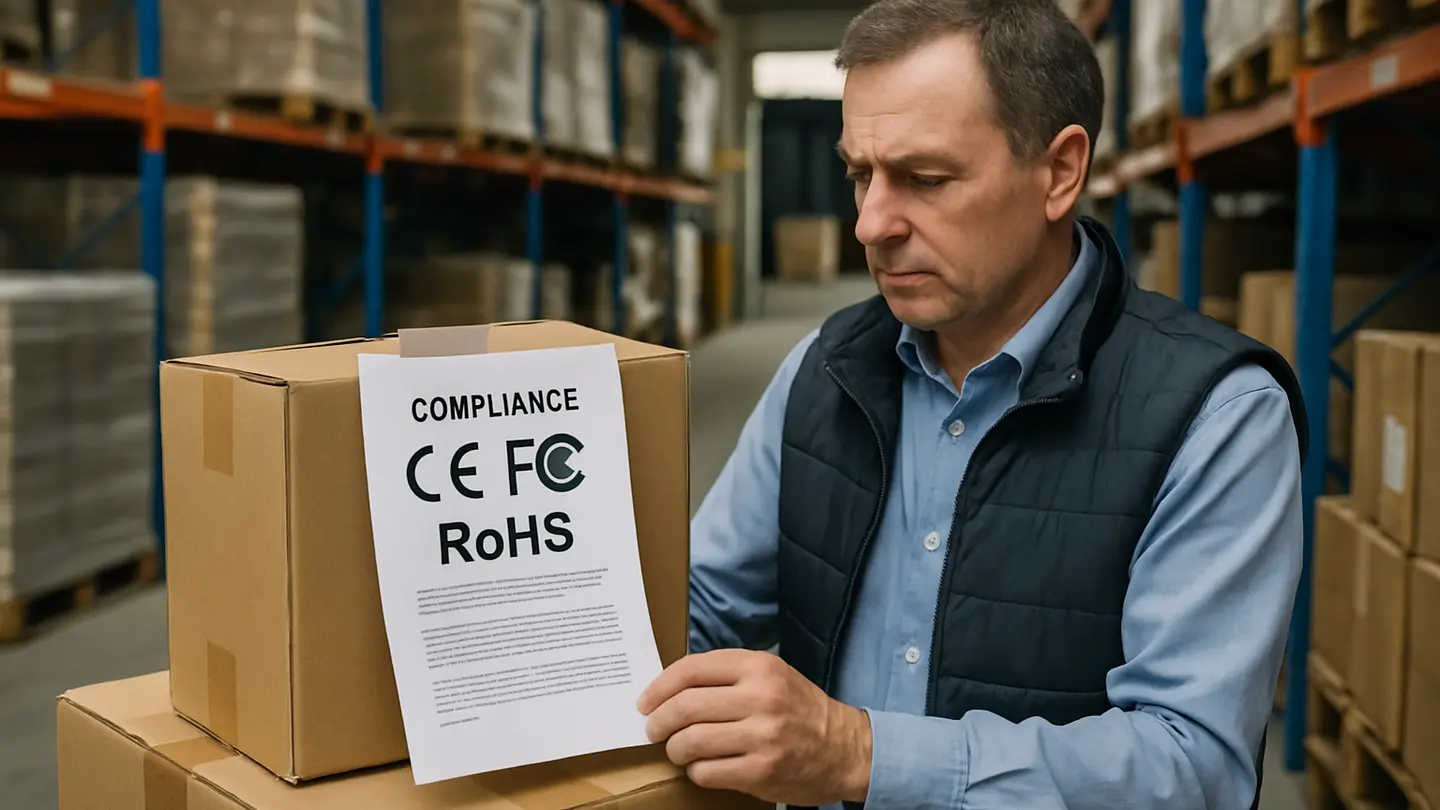
Buyers should also separate product compliance from customs declaration accuracy. A product may meet market or inspection requirements, but its shipment can still be delayed if the declared information is incomplete or inconsistent. Conversely, accurate shipping paperwork does not replace product testing, labeling, safety, or import compliance obligations.
What to Do When a 4PX Parcel Is Late or Missing
The best response depends on the latest tracking event. Instead of treating every delayed parcel as lost, identify the shipment stage first.
If the status remains at “shipment information received,” contact the seller. This often means the shipping label exists but the parcel has not received a carrier collection scan. Ask for confirmation of the actual dispatch date and handover evidence.
If tracking shows China-side sorting or departure activity, the parcel is likely still in origin processing, export preparation, or international transport allocation. At this stage, the seller or booking party may be better placed to request an update from 4PX.
If tracking shows destination-country arrival, remember that the scan may refer to an airport, customs facility, or sorting center rather than the local delivery depot. Customs clearance and domestic sorting can still take time.
After a confirmed final-mile handover, the local carrier becomes the appropriate contact for delivery scheduling, address issues, attempted delivery, or collection-point instructions.
A stage-based escalation process is useful:
- No carrier acceptance scan: Contact the seller.
- Origin processing or export stage: Ask the seller or shipping agent to investigate.
- Destination customs stage: Review whether customs information or duties are required.
- Local-carrier handover confirmed: Contact the domestic carrier.
- Delivered but not received: Check delivery proof, receiving staff, warehouse intake records, and any local carrier claim process.
For B2B shipments, assign one person to monitor tracking and document communications. This is especially useful when samples are tied to product approval schedules, quality inspections, or production decisions.
FAQ
Q1: Is 4PX cheaper than DHL or FedEx, and why?
4PX shipping may cost less than premium courier services because it can use consolidated international transport and local delivery partners. This model can reduce costs for smaller parcels, particularly when speed is not the top priority.
The trade-off may include slower transit, more carrier handovers, and less detailed tracking than a premium express courier. For urgent, high-value, or time-critical commercial shipments, DHL, FedEx, or another premium courier may still be more appropriate.
Q2: Why does my parcel show a Hong Kong scan when it shipped from mainland China?
A Hong Kong scan is not necessarily an unusual detour. Parcels collected in mainland China may be consolidated, processed, or routed through Hong Kong before international transport.
The route can depend on available flights, service design, export arrangements, and logistics capacity. A Hong Kong tracking event alone does not indicate that the parcel is lost or incorrectly routed.
Q3: Can I change the delivery address after the parcel has shipped?
Address changes are often difficult after an international parcel has been dispatched. The seller may control the original booking, and 4PX may have limited ability to alter delivery details once the shipment is moving through the network.
After the parcel has been handed to a local carrier, some domestic carriers may offer redirection, delivery rescheduling, or pickup-point options. Availability depends on the carrier and destination.
Q4: Can I pay to speed up a parcel that is already in transit?
Usually, no. The service level is generally selected before the seller dispatches the parcel. Once a shipment is moving through a logistics network, it normally cannot be upgraded from an economy or standard route to an express route.
If speed is critical, arrange the preferred service before the seller creates the shipment and hands it to the carrier.
Key Takeaways for Managing 4PX Deliveries
4PX shipping can be a practical option for small cross-border parcels, samples, spare parts, and lower-volume B2B deliveries. It is a legitimate logistics service, but its multi-stage network means that tracking may change between carriers.
Quiet tracking does not automatically mean a parcel is lost. Delays can occur during consolidation, export processing, airline handover, customs clearance, or transfer to a domestic carrier.
The latest tracking scan should determine the next action. If there is no collection scan, contact the seller. If the parcel is in customs, review documentation requirements. If the local carrier has accepted the shipment, follow up with that carrier directly.
Before assuming delivery has failed, check whether a local tracking number has appeared after final-mile handover.
About the Author
This article was prepared by Maple Sourcing’s editorial team, focusing on practical considerations for cross-border procurement, supplier coordination, shipping documentation, and international delivery management.