How to Search for and Shortlist Suppliers on Alibaba
Alibaba can produce hundreds of seemingly suitable results for a single product search. Filters and profile information are useful for reducing that pool, but they should be treated as screening tools—not evidence that a supplier can meet a particular quality standard.
Start with a precise product search. For example, a buyer sourcing shower systems should search by the required product type and construction: thermostatic shower valve, concealed shower set, stainless-steel shower column, or matte-black rain shower. Broad searches often return trading companies, unrelated catalogues, and products that look similar but use different materials or internal components.
Use Alibaba’s available filters to create a manageable shortlist. Relevant initial comparison points include:
| Screening factor | What it can indicate | What it cannot prove |
|---|---|---|
| Verified Supplier status | The company has undergone platform-supported verification or assessment | That current products meet your specifications |
| Trade Assurance availability | Whether the supplier may support eligible order protection arrangements | That every transaction or dispute will qualify |
| Years in business | A longer operating history | Consistent manufacturing quality |
| Response rate and activity | Whether the supplier is responsive on the platform | Technical competence or production reliability |
| Product range | Whether the supplier appears focused on your category | That it is the actual manufacturer |
| Export markets | Familiarity with destination-market expectations | Product compliance for your exact order |
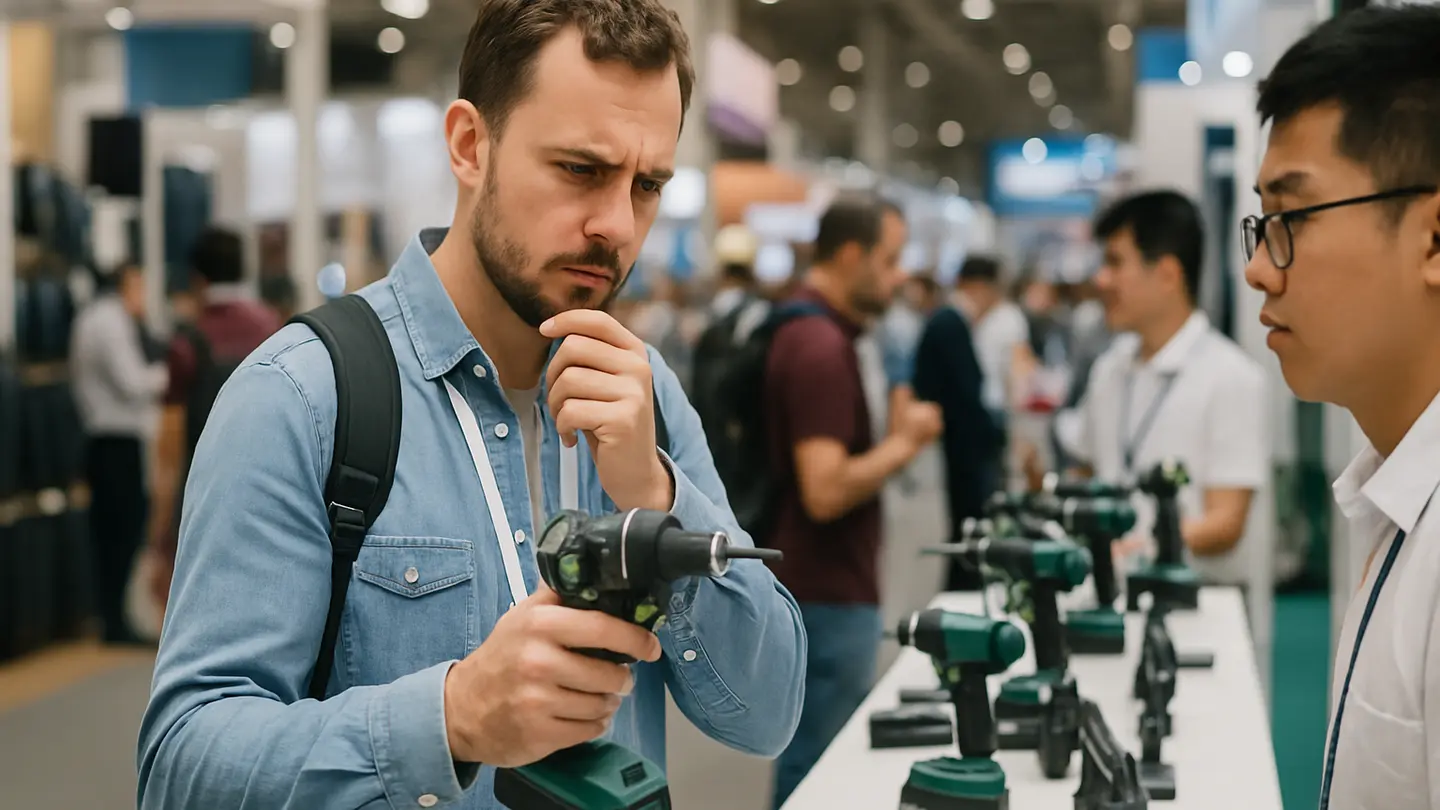
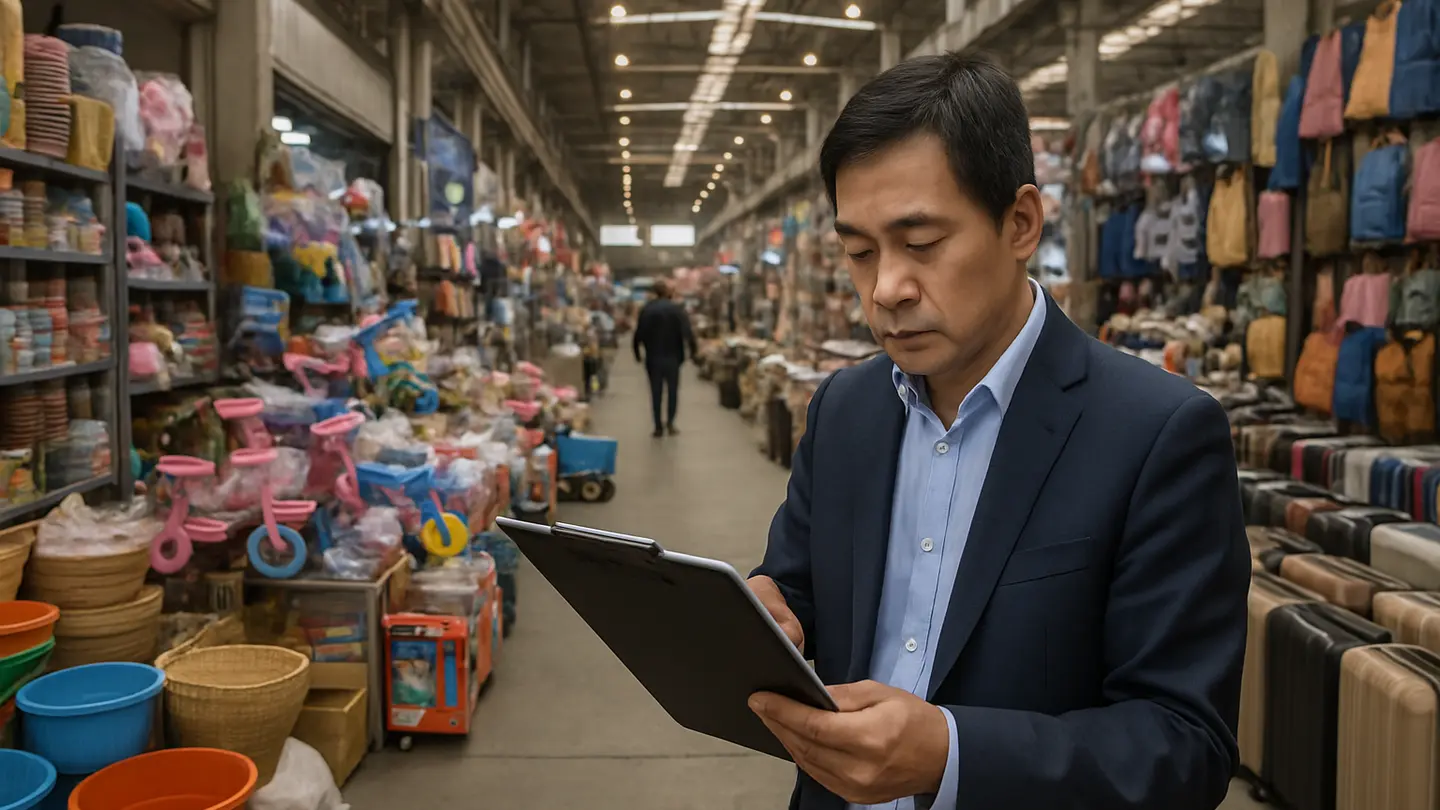
Review each supplier profile closely. Check the registered business name, main product categories, stated business type, manufacturing facilities, and export destinations. A supplier whose catalogue focuses on bathroom fittings may be a better candidate for a shower project than one offering shower heads alongside unrelated products such as toys, power tools, apparel, and furniture.
A focused catalogue is not proof of competence, but it can help identify suppliers with relevant experience. Likewise, product photographs should not be assumed to represent factory-made goods. Images may be supplied by a trading company, reused from another listing, or show a premium version that differs from the quoted item.
A practical shortlist usually includes several candidates rather than one “best” profile. Compare quotations, communication quality, willingness to share specifications, sample quality, and openness to inspection. Supplier profiles help buyers decide whom to investigate. Samples, audits, and inspections are what evaluate the goods themselves.
What Alibaba Verified Supplier Status Does and Does Not Confirm
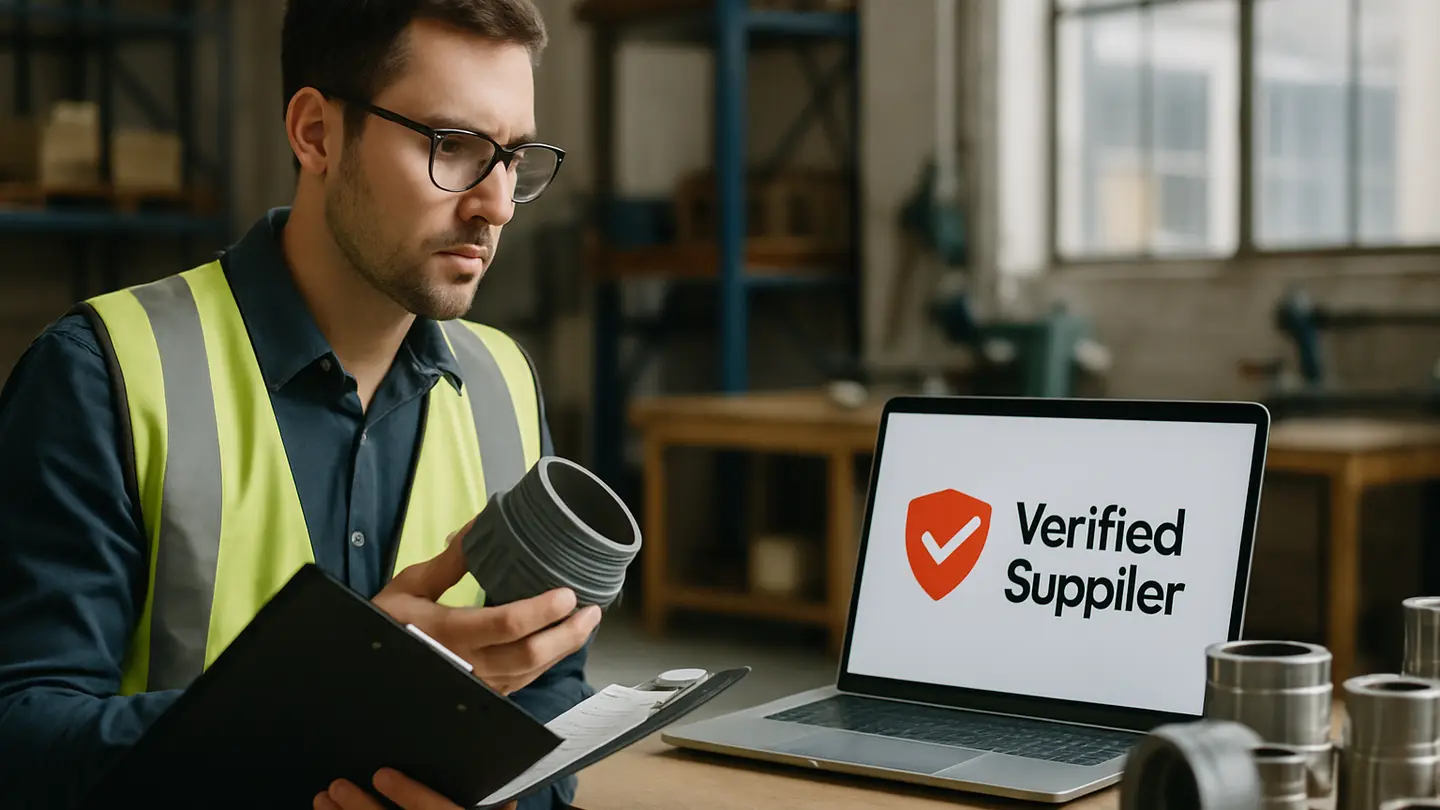
Alibaba Verified Supplier status is best understood as a supplier-information signal. It indicates that information about a business has been reviewed or assessed through Alibaba’s verification process and, depending on the program and report, may involve third-party assessment of the company and facility.
The underlying assessment may document information such as:
- Legal registration and business-license details
- Company name, address, and contact information
- Factory or office location
- Stated business type, such as manufacturer, trading company, or both
- Product categories and claimed manufacturing capabilities
- Basic facility, equipment, or workforce information
- Certain legal, compliance, or financial checks where included in the relevant verification level
This information can be useful. It may reduce the risk of engaging with a completely anonymous or misrepresented company. It can also help a buyer establish whether the business behind an Alibaba storefront appears to match the company that will quote, manufacture, and receive payment.
However, Verified Supplier status does not mean that Alibaba has certified the quality of every product in the supplier’s catalogue. It does not confirm that a shower valve uses the specified brass grade, that plating thickness meets an agreed standard, or that a mixer cartridge will withstand the required cycle testing.
The status also does not guarantee:
- Current production conditions after the assessment date
- Consistent quality across future production batches
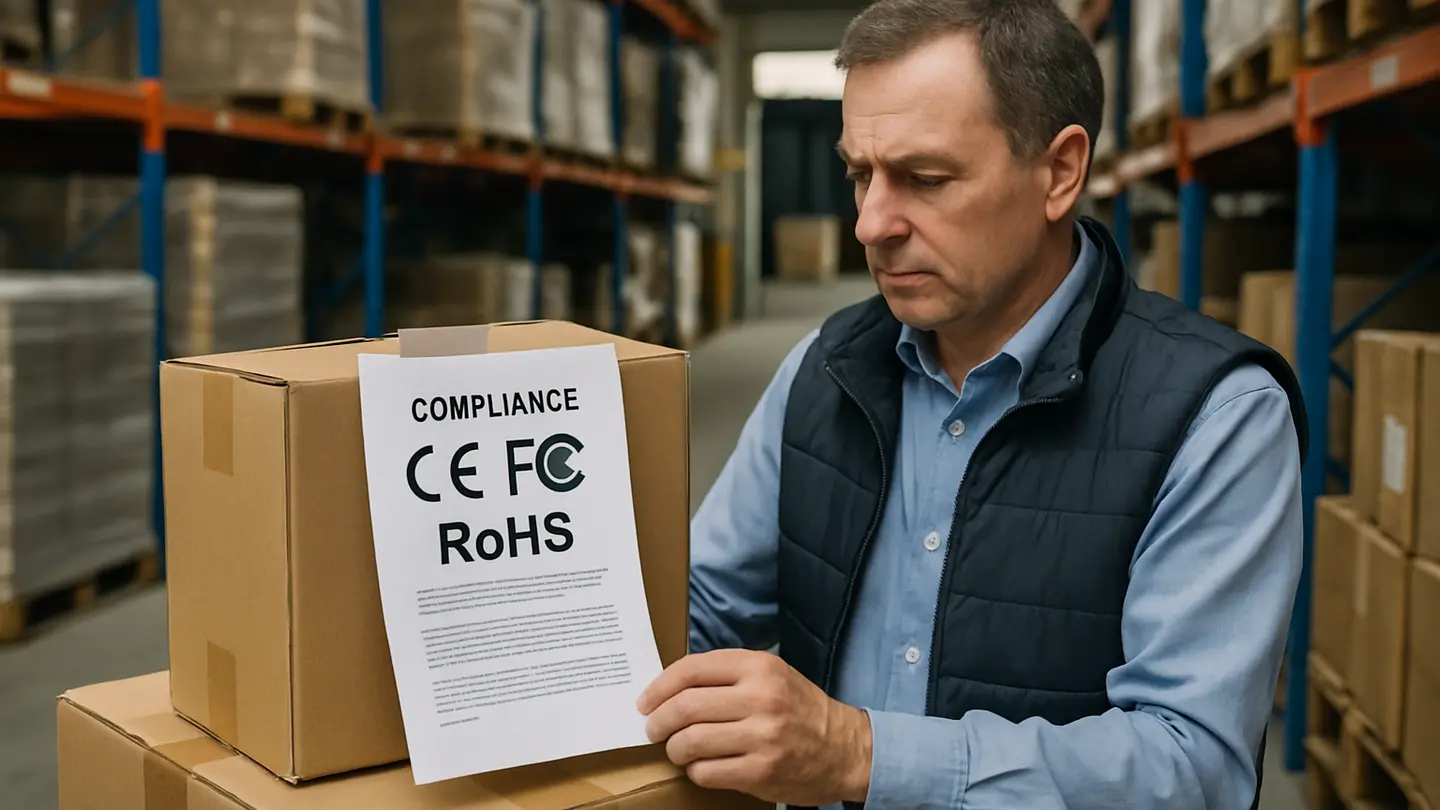
- Compliance with a buyer’s destination-market requirements
- Delivery performance or production lead time
- Ethical conduct, communication quality, or after-sales cooperation
- Absence of subcontracting
- That the specific item quoted is manufactured at the inspected facility
The distinction matters because supplier verification and product verification are different activities. A company may be genuine, operational, and correctly registered while still producing goods that do not match the buyer’s drawings, approved sample, or quality expectations.
Why Relying on the Badge Alone Can Create Costly Sourcing Risks
A verified business can still be the wrong supplier for a particular order. The risk is not limited to fraud. Many costly sourcing problems arise from incomplete specifications, weak production controls, misunderstandings between buyer and supplier, or inconsistent execution during bulk manufacturing.
Consider a buyer who approves a shower set sample with a solid brass valve body, ceramic cartridge, uniform electroplating, and carefully aligned handle. If the purchase order does not specify the same material grade, cartridge model, coating requirements, and inspection criteria, the bulk order may differ despite the supplier’s verified status.
Common problems include:
- Material substitution: A supplier may use lower-cost zinc alloy, thinner stainless steel, lower-grade brass, or plastic internal parts without clear written restrictions.
- Sample-to-batch inconsistency: The pre-production sample may receive extra attention, while mass-produced goods show poorer finishing, inconsistent coating, or loose fittings.
- Tolerance failures: Components may be difficult to install because thread dimensions, hole spacing, or valve-body tolerances differ from the approved drawing.
- Workmanship defects: Scratches, poor polishing, uneven paint, sharp edges, leaks, weak welds, or misaligned components may appear in bulk production.
- Packaging weaknesses: Products may pass a visual review at the factory but arrive damaged because cartons, foam protection, or palletization were inadequate.
- Unauthorized subcontracting: A supplier may outsource all or part of production to another workshop, reducing control over material selection and process consistency.
A badge cannot prevent these outcomes because it is not a batch-by-batch production-control system.
For bulk orders, quality should be managed through agreed requirements and verification points. Buyers should define what is acceptable before production begins, not attempt to negotiate standards after defects are discovered. A clear quality plan is especially important for products with safety, installation, water-pressure, corrosion-resistance, or regulatory implications.
How to Review an Alibaba Verified Supplier Assessment Report
Do not make a decision based solely on the Verified Supplier badge shown in search results. Ask to review the complete assessment report available through the supplier profile or request the relevant documentation directly.
Begin with the assessment date. A report is a record of what was observed at a particular time. If it is old, it may not reflect the supplier’s current address, legal entity, staffing level, equipment, ownership structure, or production capacity. A factory can move, reduce operations, change product lines, or become a trading business after the report was issued.
Review the following points carefully:
Inspecting organization Identify which party carried out the assessment and what its scope covered. Not every report contains the same level of detail.
Legal entity name Compare the registered name in the report with the name on quotations, pro forma invoices, contracts, bank-account details, and export documents. Small differences can be legitimate, but unexplained inconsistencies deserve clarification.
Inspected address Confirm whether the address is a manufacturing site, office, showroom, or warehouse. A polished showroom does not establish that production occurs there.
Business type Determine whether the company is described as a manufacturer, a trading company, or a combination. Trading companies can be legitimate and valuable, but buyers should know who controls production.
Product scope and facilities Compare listed machinery, production lines, product categories, and stated capacity with the item you intend to buy. A facility that produces simple shower accessories may not be equipped to manufacture thermostatic valves or precision brass components.
Workforce and quality controls Look for details about staffing, quality personnel, testing equipment, incoming-material controls, and production processes. Treat these as discussion points to verify, not as guaranteed performance measures.
If the report is incomplete, outdated, or inconsistent with the supplier’s sales claims, arrange renewed verification or an independent audit. This is particularly sensible for higher-value orders, custom tooling, branded products, or goods with strict compliance requirements.
How to Verify Product Quality Beyond Supplier Status
Quality verification should follow the risk of the order. A small trial order may require less investigation than a container shipment, a private-label launch, or a product that could create warranty claims or safety exposure.
First, confirm the supplier’s identity and commercial structure. Verify the company registration, confirm whether the supplier is a manufacturer or reseller, and ask who owns the bank account receiving payment. Where appropriate, examine export records, customer references, or shipping history. These checks help establish whether the commercial party, production site, and payment recipient are aligned.
Next, create a written product specification. It should be specific enough that an independent inspector can determine whether the goods conform. For a shower fixture, the specification may cover:
- Material composition and grades
- Dimensions, threads, tolerances, and drawings
- Surface finish, colour standard, and coating method
- Cartridge brand, type, operating cycles, and performance requirements
- Water-pressure or leak-testing requirements
- Required certifications and test reports
- Logo placement, retail packaging, labels, and barcodes
- Acceptable quality level and defect definitions
Order samples before committing to substantial production. Evaluate them against the written specification, not against general appearance. Test installation fit, water flow, valve operation, finish durability, packaging protection, and compatibility with related components.
For larger or technically demanding orders, consider an independent supplier audit. An audit can assess whether the facility has the equipment, controls, production flow, and quality-management practices required for the product. It can also reveal whether a claimed manufacturer is primarily outsourcing production.
Finally, arrange a pre-shipment inspection before releasing the final balance. The inspector should use the approved sample, purchase order, drawings, packaging requirements, and agreed defect criteria. Inspection cannot repair poor supplier selection, but it can identify problems while the goods are still at the factory and before shipment creates additional cost.
Alibaba Verified Supplier vs. Trade Assurance: Key Differences
Alibaba Verified Supplier status and Trade Assurance address different sourcing risks. They should not be treated as interchangeable.
Verified Supplier status concerns information about the supplier. It helps a buyer assess whether a business has been verified or assessed through Alibaba’s process and whether its profile information appears credible.
Trade Assurance relates to eligible orders and payment or transaction terms handled through Alibaba’s platform. It is order-specific rather than a general quality rating for the supplier.
| Topic | Alibaba Verified Supplier | Trade Assurance |
|---|---|---|
| Main purpose | Supplier screening and business-information assessment | Support for eligible order and payment arrangements |
| Focus | The supplier and its stated business information | A particular transaction |
| Quality guarantee | No | Not a substitute for detailed quality terms and evidence |
| Buyer action needed | Review the assessment report and verify details | Confirm that the exact order and payment arrangement qualify |
Before relying on Trade Assurance, confirm that the specific supplier, order value, payment method, and transaction process are eligible. Do not assume that because a supplier displays a platform feature, every quotation automatically receives the same coverage.
The purchase order should still document the commercial and technical requirements. Include product specifications, quantities, unit pricing, delivery dates, packaging requirements, inspection arrangements, quality standards, remedies for nonconforming goods, and payment milestones. A transaction-protection mechanism is more useful when the underlying order terms are clear and measurable.
FAQ
Q1: Are non-verified suppliers automatically unsafe to use?
No. A supplier without Alibaba verification is not automatically unsafe, fraudulent, or incapable of producing quality goods. Some legitimate manufacturers may not participate in every platform program, may rely on other sales channels, or may have limited activity on Alibaba.
The absence of a badge should mean more independent due diligence, not automatic rejection. Request company-registration documents, product samples, factory photographs or live video walkthroughs, customer references, and evidence of relevant manufacturing capability. For meaningful orders, an independent audit or inspection provides stronger evidence than a marketplace label alone.
Q2: Should I weigh transaction and review numbers above the badge?
Neither transaction numbers nor reviews should outweigh product-specific verification. They are useful supporting indicators, particularly when feedback is recent, detailed, and relevant to the product category you are sourcing.
Look beyond the average rating. Repeated complaints about late delivery, inconsistent quality, poor communication, damaged packaging, or specification changes may reveal operational weaknesses. At the same time, high transaction volume may reflect low-value orders, different products, or buyers with different quality expectations.
Assessment reports, samples, clear specifications, direct communication, audits, and pre-shipment inspections should carry more weight when evaluating whether a supplier can deliver your order.
Q3: Is a Gold Supplier the same thing as verification?
No. Alibaba Gold Supplier membership and Verified Supplier status are separate designations. They may both appear as trust signals on supplier profiles, but they should not be interpreted as identical evidence of manufacturing capability or product quality.
Marketplace programs and label descriptions can change over time, so buyers should look beyond the label. Review the available verification documentation, establish the supplier’s legal entity and business type, and confirm whether the company has the facilities and experience relevant to the intended product.
Q4: The supplier pays for verification, so does that weaken what it means?
Supplier-paid verification may show that a company is willing to invest in marketplace credibility, but it does not make the resulting badge a product-quality rating. The value of verification lies in the documented assessment process and the information available to the buyer—not in the fact that a supplier has paid to participate.
Buyers should still verify samples, document specifications, confirm payment-account ownership, assess production capability, and inspect bulk goods. The commercial arrangement behind verification does not remove the need for normal procurement controls.
Use Verification as a Starting Point, Not a Final Decision
Alibaba Verified Supplier status can make early supplier screening more efficient. It may help buyers identify companies with documented business information, review facility-related details, and narrow a large supplier pool to candidates worth contacting.
It does not, however, confirm the condition of the goods that will ultimately be delivered. The badge cannot prove that a future production batch will match the approved sample, use the agreed materials, meet dimensional tolerances, or arrive on time.
A more reliable sourcing process combines supplier verification with product-specific controls: identity checks, written specifications, approved samples, factory audits where appropriate, documented order terms, and pre-shipment inspection before final payment.
In practical terms, verification describes an assessment of a supplier at a point in time. Product quality must be confirmed through evidence tied to the actual order.
About the Author
The Shower Manufacturer editorial team covers B2B sourcing, supplier evaluation, quality control, and procurement considerations for bathroom-product buyers. Its articles are designed to help importers, distributors, project purchasers, and private-label brands make more informed supplier and product decisions.