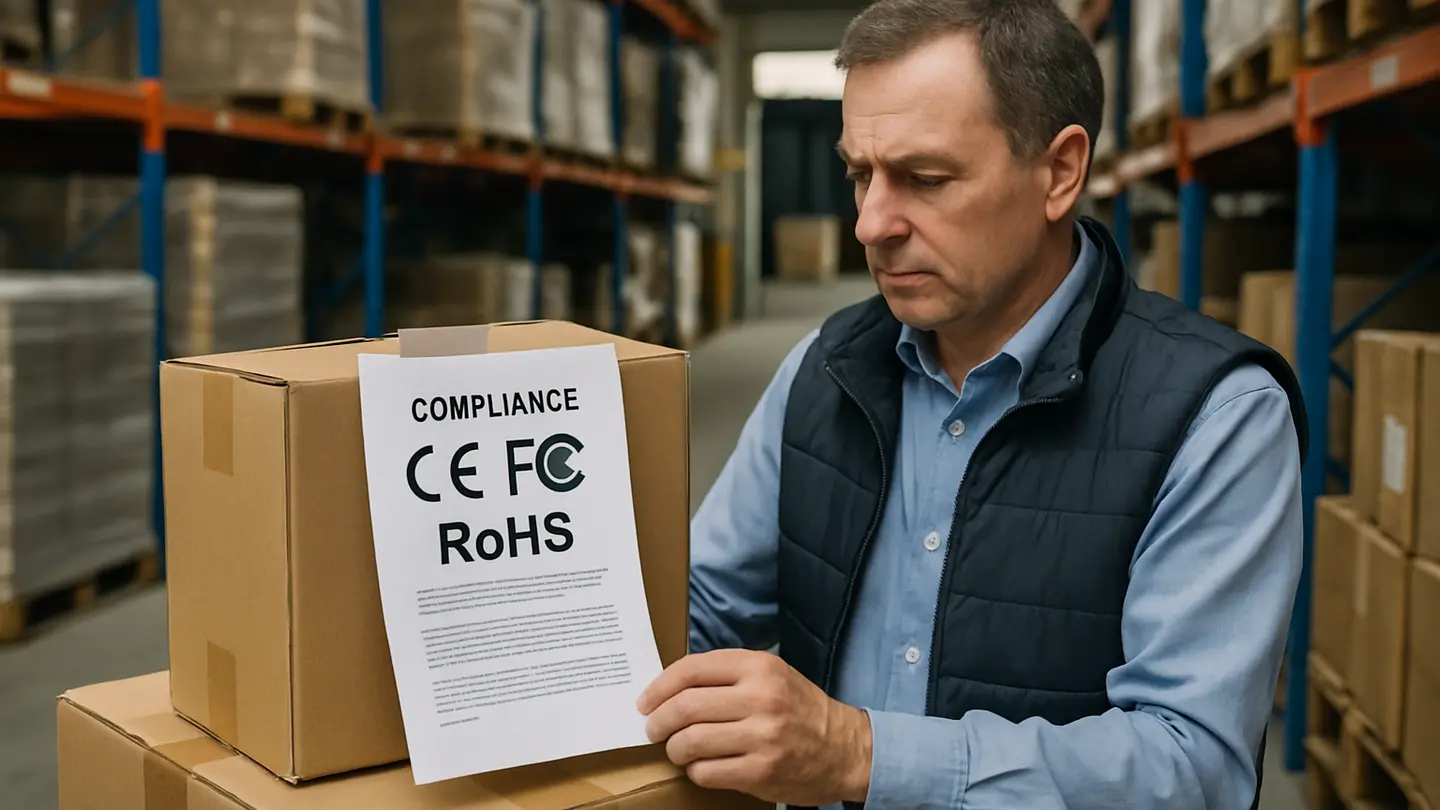
When sourcing shower products, quality disputes often start with vague words such as “acceptable,” “minor,” or “normal production variation.” The AQL inspection standard replaces those arguments with a measurable sampling plan, written defect categories, and clear pass/fail rules.
For shower heads, faucets, hoses, valves, sliding bars, glass accessories, and related components, AQL helps control defects that affect installation, leakage, safety, appearance, and marketplace compliance. It does not mean every unit is perfect. It is a statistical method for reducing shipment risk before goods leave the factory.
Common baseline limits for consumer goods are zero critical defects, 2.5 for major defects, and 4.0 for minor defects. Shower products with safety, pressure, glass, certification, or regulatory exposure may need stricter limits. The goal is to decide what happens next: ship, hold, rework, sort, replace, or reject.
Prepare the Inspection Rules Before the Factory Visit
AQL works best when the buyer, supplier, and inspector agree on the rules before inspection day. If the standard is negotiated only after problems are found, the inspection becomes a commercial argument instead of a quality-control decision.
Before final inspection, confirm in writing:
- The inspection lot size
- The SKU or model scope
- The inspection timing
- The inspection level
- The AQL limits for critical, major, and minor defects
- The approved specification, drawings, and reference samples
- The defect classification list
- The action plan if the shipment fails
For standard finished-goods inspections, General Inspection Level II is commonly used because it balances coverage, time, and cost. It is suitable for checking appearance, workmanship, assembly, packaging, labeling, quantity, and basic function.
Special inspection levels are better for destructive, slow, costly, or limited-sample tests. For shower products, this may include pressure testing, leakage testing, plating adhesion checks, pull tests, glass impact checks, hose burst checks, or destructive packaging tests.
Critical defects should be clearly defined. In shower sourcing, they may include safety risks, sharp edges, incorrect certification marks, regulatory labeling failures, leakage hazards, electrical or smart-product safety issues, glass breakage risks, or defects that could make the product unsafe or illegal to sell. These should normally be set at zero tolerance.
A Practical Workflow for Running an AQL Inspection
An AQL inspection is not just a table lookup. It is a structured workflow that reduces disputes because everyone can see how samples were selected, defects classified, and results decided.
For shower product buyers, the workflow should answer five questions:
- What exact batch is being inspected?
- How many units must be checked?
- What are the acceptance and rejection limits?
- How are defects classified and counted?
- What decision follows the result?
Step 1: Set the Exact Inspection Lot Boundary
The inspection lot is the batch that will be accepted or rejected as one unit. The AQL result applies only to that specific lot.
A purchase order may include handheld shower heads, rain shower heads, stainless steel hoses, brass valves, sliding bars, and wall brackets. If all items are mixed into one inspection lot, defects in a smaller or higher-risk SKU may be hidden by a larger quantity of passing items.
In most cases, different SKUs, models, finishes, colors, materials, or risk profiles should be inspected separately. A chrome-plated shower head, matte black faucet, glass shelf, and thermostatic valve may each have different defect risks. Plating defects, color inconsistency, leakage, thread mismatch, glass damage, and temperature-control problems should not be diluted into one broad sample.
The lot boundary should be specific enough that both buyer and factory understand the pass-or-fail scope. For example:
- “5,000 units of Model SH-201 handheld shower head, chrome finish, packed for PO 4587”
- “1,200 units of matte black shower mixer valve, batch number V0826”
- “800 sets of shower column kit, including head, hose, sliding bar, bracket, and retail packaging”
Inspectors should control sample selection. Samples must be pulled from different cartons, pallet positions, production dates, and warehouse areas, not only from cartons that are open, clean, or easy to reach.
Step 2: Choose the Sampling Level and AQL Limits
The sampling level determines how many units the inspector checks. A higher level means more coverage, but also more inspection time and cost.
General Level II is a common default for standard finished-goods inspections when the supplier has a stable production record and the order is not unusually high risk. General Level III can be used for a new supplier, first order, previous failure, high-value shipment, or product with frequent complaints.
Special S-levels should be used for checks that are destructive, slow, or expensive. A buyer can combine a General Level II visual and functional inspection with a smaller special-level plan for pressure testing, plating adhesion testing, or other checks that damage products or require long setup time.
AQL values are statistical thresholds, not direct percentages of the shipment. An AQL 2.5 setting does not mean exactly 2.5% of the shipment may be defective. It means the inspection table gives acceptance and rejection numbers based on the selected sample size.
Defect classifications must be written before counting starts:
- Critical defects: Safety, legal, regulatory, or severe functional failures.
- Major defects: Defects that make the product unsellable, unusable, unreliable, or likely to cause customer complaints.
- Minor defects: Small workmanship or appearance issues that do not seriously affect function, safety, or saleability.
For shower products, major defects may include leakage, poor installation fit, incorrect threads, loose fittings, broken spray modes, blocked nozzles, poor plating adhesion, missing parts, wrong packaging, or incorrect model labeling. Minor defects may include small surface marks, slight approved color variation, or minor packaging scuffs.
Step 3: Use the AQL Table to Find Sample Size and Limits
After the lot size and inspection level are confirmed, the inspector uses the AQL table to identify the sample size and acceptance limits.
The process is:
- Confirm the lot size.
- Choose the inspection level.
- Use the lot size and inspection level to find the code letter.
- Use the code letter to find the required sample size.
- Apply the AQL values to find the accept and reject numbers.
For example, a 5,000-unit lot inspected at General Level II uses code letter L in the standard AQL sampling table. Code letter L corresponds to a sample size of 200 units. If the major-defect AQL is 2.5, the lot is accepted for major defects if 10 or fewer major defects are found. It is rejected if 11 or more major defects are found.
The same sample may also be evaluated against separate critical and minor limits. If the critical defect limit is zero, one critical defect can fail the lot even if the major and minor counts are within limits.
Random sampling is essential. The factory should not choose the inspection samples. The inspector should record carton numbers, pallet locations, and sampling coverage to show that the sample was taken fairly.
Step 4: Record Defects by Severity Category
Every defect should be matched to the approved written defect library. This avoids arguments over whether a flaw is serious, cosmetic, or acceptable.
Critical, major, and minor defects must be counted separately. A shipment may pass for minor defects but fail for major defects. It may also fail immediately because of a critical defect, even if all other results look good.
When one unit has several defects, it is usually counted at the highest applicable severity level. For example, if one shower head has a small scratch and also leaks during testing, the leakage should drive the classification.
Repeated identical defects deserve special attention. A few random cosmetic marks may be isolated, but repeated leakage, thread mismatch, loose fittings, plating blemishes, wrong markings, missing washers, or packaging errors may indicate a systemic production problem.
AQL passing means the shipment risk is controlled under the sampling plan. It does not prove that every uninspected unit is defect-free. Buyers should review the defect pattern, not only the final pass/fail number.
Step 5: Make the Ship, Hold, Rework, or Reject Decision
A lot passes when every defect category stays at or below its acceptance number. A lot fails when any defect category reaches the rejection number.
If a shower product shipment fails, it should be held and isolated. The supplier should not mix it with other production, load it into a container, or ship it while the result is under dispute. The inspector should photograph defects, record quantities, keep carton references, and provide a clear report.
Possible remedies include:
- Sorting the whole lot to remove defective units
- Reworking defective units
- Replacing affected production
- Repacking or relabeling goods
- Producing missing accessories or spare parts
- Negotiating a commercial discount if the buyer accepts the risk
- Rejecting the lot completely
For serious defects, especially leakage, safety, regulatory, glass, or certification problems, a discount may not be acceptable. The goods may need rework, replacement, or full rejection.
Supplier agreements should state who pays for reinspection after a failed inspection. Many buyers require the factory to cover reinspection costs when failure is caused by production defects.
What to Do When a Passing AQL Result Still Leaves Risk
A passing AQL result can still leave hidden, intermittent, or systemic defects in the uninspected portion of the lot. Buyers should not treat the pass result as the only quality signal.
Post-pass risk should be assessed based on:
- The type of defect found
- The number and pattern of repeated flaws
- Product safety exposure
- Installation environment
- Water-pressure exposure
- Marketplace return rules
- Regulatory and labeling requirements
- Supplier history
If repeated or high-impact flaws appear, buyers may add extra controls even when the sample technically passes. These may include focused reinspection, 100% sorting of a specific defect, additional pressure testing, extra packaging checks, or closer monitoring on the next production run.
Issue: The Supplier Downgrades a Major Defect to Cosmetic
Suppliers may describe defects as cosmetic to avoid sorting, rework, delays, or penalties. The decision should be based on approved drawings, specifications, samples, and written defect definitions.
A scratch on a hidden internal bracket may be minor. A plating crack near a water outlet may be major if it can worsen during use or affect corrosion resistance.
Simple use tests can help prove functional impact. For shower products, this may include:
- Leakage checks under water pressure
- Installation fit checks with matching threads
- Flow tests
- Spray-mode switching tests
- Movement tests for sliding bars or adjustable brackets
- Pull tests for hoses or mounted parts
Safety, compliance, certification, and labeling problems should not be treated as cosmetic issues. Wrong certification marks, missing warnings, incorrect material claims, or non-compliant labels can create selling and legal risks.
Defect descriptions should be measurable where possible. Instead of “bad surface,” write “visible plating pit larger than 1 mm on front-facing chrome surface.”
Issue: Mixed SKUs Hide Product-Specific Defects
Mixed-SKU lots may reduce inspection effort, but they can hide high defect rates in one model, finish, or accessory, especially when one SKU has a smaller quantity.
For example, a large order of standard chrome shower heads may pass easily, while a smaller batch of matte black shower heads has coating scratches. If both are combined into one broad sample, the black-finish issue may not appear strongly enough in the total defect count.
Separate inspections are recommended when products differ in materials, tooling, finishes, functions, or risk levels. Combining items may be acceptable only when specifications, production methods, and defect risks are genuinely similar.
Issue: The Lot Passes but the Defect Pattern Looks Systemic
AQL manages statistical risk. It does not guarantee flawless production.
If the sample shows repeated identical problems, the buyer should investigate the pattern. Repeated leaks may point to a gasket, assembly torque, thread, or pressure-test problem. Repeated plating spots may indicate surface preparation or plating-bath control issues. Repeated carton crushing may show poor palletization or packaging strength.
A buyer may pause shipment even after a technical AQL pass if the pattern suggests wider production risk. The next step may be targeted sorting, focused reinspection, root-cause analysis, or additional testing of the affected feature.
For shower products, this is important because defects may appear only during installation or use. A thread mismatch, small leak, weak bracket, or poor seal can cause complaints after the buyer has already paid freight and import costs.
Issue: Destructive Testing Consumes Too Many Sellable Units
Destructive tests can confirm strength, durability, adhesion, impact resistance, or packaging protection, but they consume sellable units. If not planned carefully, they create unnecessary cost.
Separate destructive-test samples from the main visual inspection sample. For example, use General Level II for appearance, assembly, labeling, and basic function, then use a special S-level plan for destructive or time-consuming checks.
For shower products, destructive or semi-destructive tests may include:
- Plating adhesion tests
- Hose pull or burst tests
- Glass impact checks
- Packaging drop tests
- Torque testing that damages fittings
- Long-duration pressure exposure
Documentation is essential. Inspectors should use videos, count sheets, carton numbers, inspection photos, and written standards. This evidence reduces disputes and helps counter vague supplier arguments such as “the inspector damaged it” or “this is normal.”
FAQ
1. What is the standard AQL limit for e-commerce products?
A common baseline for consumer goods is zero critical defects, 2.5 major defects, and 4.0 minor defects. However, this is only a starting point.
Shower products may need stricter limits when defects can affect safety, leakage, installation, water pressure, glass breakage, certification, or marketplace compliance. Pressurized components, thermostatic valves, glass accessories, and products with regulatory labeling requirements should be reviewed more carefully.
AQL limits should be written into supplier agreements before production starts and based on product risk, end-user safety, installation context, marketplace rules, and applicable regulatory requirements.
2. Can a factory refuse an AQL inspection failure?
A factory may dispute an AQL failure by questioning the defect standard, sampling method, sample handling, or inspector’s judgment. This is why documentation is important.
The buyer should require photos, videos, carton records, sample counts, defect counts, and clear written descriptions. If the inspection follows the agreed sampling plan and defect library, the buyer has stronger support for rework, sorting, replacement, or commercial claims.
Supplier procedures should define how failed lots are escalated, who reviews the failure, how corrective action is approved, and who pays for reinspection.
3. Do I need to inspect every single carton?
No. AQL uses statistical sampling rather than checking every carton or every unit. The goal is to inspect a representative sample of the lot according to the selected inspection level and AQL limits.
However, random sampling must be controlled. Samples should come from different carton layers, pallet positions, production batches, and warehouse areas, including lower pallets, rear pallets, and hidden cartons.
Factories may place better units in easy-access cartons. Random selection helps reduce that risk and makes the inspection result more reliable.
Conclusion
Applying the AQL inspection standard correctly requires more than choosing a number. Buyers need clear lot definitions, suitable inspection levels, accurate table reading, and consistent defect classification.
For shower sourcing, AQL instructions should become a practical factory SOP. Before the next purchase order ships, prepare a written defect list covering leakage, installation fit, plating, labeling, packaging, accessories, safety risks, and compliance issues.
Supplier agreements should include quality terms, AQL settings, failed-inspection consequences, corrective-action requirements, and reinspection-cost rules. Clear standards reduce disputes, protect margins, and give buyers stronger control over shower product sourcing.