Are Bidets Sanitary? A Fresh Look at Bathroom Hygiene
For bathroom-product buyers, property specifiers, retailers, and hospitality operators, the question “are bidets sanitary” is more than a consumer curiosity. It affects product selection, user education, after-sales support, and long-term customer satisfaction.
The practical answer is: bidets can be sanitary when they are installed correctly, used correctly, and maintained regularly. A bidet uses a targeted stream of clean water to rinse external areas after toileting. Compared with dry toilet paper alone, water cleansing can help remove residue more thoroughly and reduce the need for repeated wiping. For many users, that means less friction, less irritation, and a cleaner feeling after use.
Sanitation, however, depends on design and behavior. A well-designed bidet seat, attachment, sprayer, or integrated toilet-bidet system should deliver water from the household supply through a properly positioned nozzle. Many modern models include adjustable pressure, temperature control, nozzle self-cleaning, retractable nozzles, or antimicrobial materials in selected components. These features can support hygiene, but they do not replace basic maintenance.
The most sanitary bidet routine is simple: use moderate water pressure, clean from the correct direction, dry gently, and keep the nozzle and surrounding toilet area clean. For B2B buyers, the best products are not only comfortable and attractive; they also make correct use intuitive.
How Bidets Work for Female Hygiene
Bidets clean the external genital and anal areas with a directed stream of water. Depending on the product format, the stream may come from a built-in bidet toilet, an electronic bidet seat, a non-electric attachment under the toilet seat, a handheld sprayer, or a portable travel bidet.
For female hygiene, many bidet seats and integrated models include a front-wash or feminine-wash setting. This setting angles the water stream toward the external vulvar area rather than the rear cleansing position. The goal is external rinsing only. Bidets are not intended for internal cleaning, and users should avoid high-pressure streams directed into sensitive tissue.
Adjustable water pressure is one of the most important comfort and hygiene features. A light stream may be enough for routine urination or sensitive skin, while a stronger but still comfortable stream may be useful after bowel movements. Temperature control can also improve user acceptance, especially in colder climates or premium hospitality settings. Warm water should feel comfortable, not hot.
Advanced electronic bidets may include:
- Air drying to reduce the need for toilet paper after rinsing.
- Nozzle-cleaning cycles before or after use.
- Oscillating or pulsing streams for broader cleansing coverage.
- Deodorizing functions in selected models.
- User presets for water pressure, nozzle position, or temperature.
For commercial buyers, these features should be evaluated against installation complexity, maintenance needs, price point, and target user expectations. A hotel, senior-living facility, apartment development, and retail showroom may each require a different balance of comfort, durability, and simplicity.
Potential Hygiene Benefits for Women
Bidets may offer several practical hygiene benefits for women, particularly during times when toilet paper feels insufficient or uncomfortable. During menstruation, water cleansing can help rinse external residue more gently than repeated wiping. It can also make users feel cleaner between showers, especially in workplaces, hotels, or shared residential settings where shower access may not be immediate.
During pregnancy, reaching and wiping can become more difficult as mobility changes. A bidet can reduce the amount of twisting, bending, and repeated hand movement required during bathroom routines. This can be especially valuable in late pregnancy, when convenience and comfort influence daily hygiene habits.
For users with sensitive skin, hemorrhoids, postpartum tenderness, or irritation from frequent wiping, water cleansing may feel gentler than dry paper. Toilet paper can create friction, and some products include fragrances, dyes, or textures that may bother sensitive users. A bidet allows the user to rinse first and then pat dry, reducing abrasive contact.
There is also a practical sustainability and cost angle. Bidets do not eliminate toilet paper use for everyone, but they can reduce the amount needed. Many users still use a small amount for drying, while others rely on an air-dry function. For multi-unit residential projects, hospitality properties, and workplace facilities, lower toilet paper consumption can be part of broader bathroom-efficiency planning. Buyers should still evaluate water use, maintenance labor, and user education before making large-scale purchasing decisions.
Safety and Sanitation Considerations for Female Users
Bidets are generally considered safe for external female cleansing when used properly. The most important safety principle is moderation. New users should begin with low pressure and increase gradually only if needed. Excessive pressure can feel uncomfortable and may irritate sensitive tissue, especially for users who are pregnant, postpartum, menstruating, recovering from procedures, or prone to irritation.
Direction also matters. Front-to-back cleansing habits help reduce the risk of transferring bacteria from the anal area toward the urethra or vulvar area. Many bidet seats address this by offering separate rear-wash and front-wash positions. Handheld sprayers require more user control, so clear instructions are particularly important when these products are sold to first-time users.
After rinsing, users should dry gently. Patting dry with soft toilet paper, a clean towel reserved for that purpose, or an air-dry feature can reduce friction-related irritation. Rubbing aggressively after bidet use can undo some of the comfort benefit.
A sanitary bidet setup also depends on the surrounding bathroom environment. Toilet bowls, seats, controls, and sprayer handles should be cleaned regularly. Nozzles should not be touched during normal use. In shared or commercial settings, buyers should prioritize products with easy-to-clean surfaces, clear control icons, and nozzle-cleaning functions that support routine maintenance by cleaning staff.
Using a Bidet During Pregnancy and Postpartum Recovery
Pregnancy often changes how users move, sit, stand, and reach. A bidet may help pregnant users maintain bathroom hygiene when mobility is limited. Instead of relying only on wiping, users can rinse with a controlled water stream and then pat dry. This can reduce the physical effort involved in cleaning after toileting.
Gentle water cleansing can also be helpful when tissues are sensitive. During pregnancy, some users experience hemorrhoids, swelling, or general discomfort. A low-pressure bidet stream may feel less abrasive than repeated wiping. Warm water can improve comfort, provided the temperature is not excessive.
Postpartum recovery is another period when non-contact cleaning can be valuable. After vaginal delivery, external tissues may be tender, swollen, or healing. A gentle rinse can help users feel clean without scrubbing. Many postpartum care routines already involve some form of water rinsing; a bidet can make that process more convenient in the bathroom. Users should still follow guidance from their healthcare provider, especially after stitches, tears, infection concerns, or other complications.
C-section users may also appreciate bidets because they reduce bending, twisting, and stretching during bathroom routines. Even though the incision is abdominal rather than perineal, reducing strain can make daily hygiene easier during the early recovery period.
For B2B buyers serving maternity facilities, family hotels, senior housing, or residential developments, ease of use is essential. Controls should be understandable, pressure should be easy to limit, and instructions should emphasize gentle external cleansing.
Best Practices for Clean and Comfortable Bidet Use
Comfortable bidet use is learned quickly, but first-time users benefit from clear guidance. Product packaging, manuals, hospitality signage, and retailer education materials should focus on a few practical habits.
Start with low water pressure. A strong stream is not automatically cleaner. Excess pressure may cause discomfort, splashing, or irritation. Users should begin at the lowest setting and increase slowly until the stream is effective but comfortable.
Position correctly. The user may need to shift slightly on the seat so the stream reaches the intended area. Electronic bidet seats often allow nozzle-position adjustment, while attachments may depend more on body positioning. Handheld sprayers require even more control and should be used carefully to avoid overspray.
Use warm water carefully. Warm water can improve comfort and encourage adoption, especially for premium bidet seats and integrated toilet-bidet systems. However, water should never be hot. Temperature controls should be stable, intuitive, and designed to avoid unpleasant surprises.
Dry gently. After rinsing, users can pat dry with toilet paper or use an air-dry function if available. Patting is preferable to vigorous rubbing. In shared bathrooms, reusable towels are not ideal unless each user has a dedicated clean towel and a hygienic laundering routine.
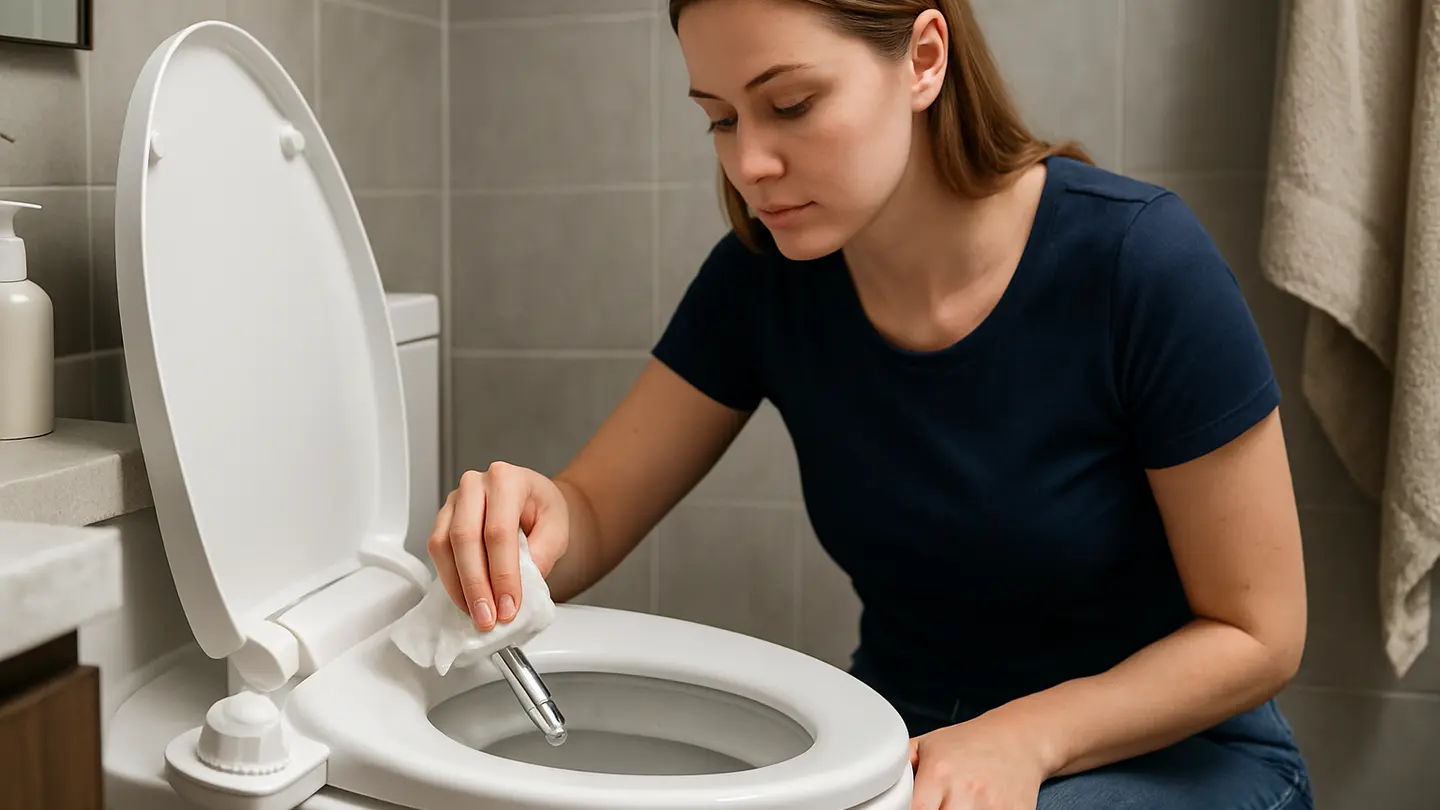
Clean the nozzle regularly. Nozzle hygiene is central to bidet sanitation. Many modern bidets include self-cleaning or rinse cycles, but periodic manual cleaning is still important. Users or maintenance staff should follow the manufacturer’s instructions, avoid harsh chemicals that could damage components, and clean surrounding toilet surfaces as part of the same routine.
For commercial installations, maintenance planning should include access to replacement parts, cleaning procedures, staff training, and user-facing instructions. A bidet that is difficult to clean or confusing to operate may perform poorly in real-world environments even if its feature list looks strong.
Tools for Finding and Evaluating China Suppliers
For B2B buyers comparing bidet seats, attachments, sprayers, smart toilets, or related bathroom fixtures, supplier evaluation is as important as product design. Made-in-China.com is a B2B sourcing platform that can help buyers organize early-stage supplier research rather than contacting companies one by one without structure.
Supplier Discovery can be used to find potential suppliers and narrow a shortlist before direct outreach. Buyers can compare product categories, review supplier profiles, and identify companies that appear relevant to the required bidet format, price segment, or customization need.
Audited Supplier information and Audit Reports can support a more disciplined screening process. According to the platform’s official materials, Audited Suppliers are subject to third-party verification and on-site audit, and Audit Reports may include structured information such as general company information, export trade, manufacturing capacity, quality control, and R&D capability. These reports do not replace independent due diligence, sample testing, or contract review, but they can help buyers decide which suppliers deserve deeper evaluation.
For quotation work, Easy Sourcing allows buyers to submit one sourcing request, receive multiple quotations from matched suppliers, compare quotes, and request samples.
Common Bidet Concerns, Answered
New users often need a short adjustment period. The feeling of water cleansing is different from dry toilet paper, and users may need a few attempts to find the right pressure, nozzle position, and drying method. This is normal. Clear instructions and simple controls can significantly improve acceptance.
One common concern is splashing. Modern bidets are designed to direct water toward the body and into the toilet bowl. When used at appropriate pressure and with correct positioning, splashing should be limited. Handheld sprayers can create more overspray if used carelessly, so they require more user control than fixed-position bidet seats or attachments.
Another concern is cost. Bidets require an initial purchase, and electronic models may also require access to an electrical outlet. However, they can reduce toilet paper use over time. For B2B buyers, the value calculation should include not only unit cost but also installation requirements, maintenance expectations, warranty terms, replacement-part availability, and user satisfaction.
Product format also matters:
| Bidet format | Typical strengths | Practical limitations |
|---|---|---|
| Non-electric attachment | Lower cost, simple installation, no outlet required | Usually fewer comfort features; cold water unless connected to warm supply |
| Electronic bidet seat | Adjustable pressure, warm water, drying, nozzle cleaning on many models | Higher cost; may require electrical outlet and more maintenance |
| Handheld sprayer | Flexible cleaning angle, familiar in many markets | Requires user control; higher overspray risk if mishandled |
| Integrated smart toilet-bidet | Premium design, advanced features, strong showroom appeal | Highest cost; more complex servicing and installation |
| Travel bidet | Portable, useful for temporary use | Limited water capacity and lower convenience than installed systems |
Some users ask whether soap should be added to bidet water. In general, soap is not recommended in bidet water systems. Bidets are designed for rinsing with clean water. Soap, cleansers, oils, or additives may irritate sensitive tissue, damage components, or interfere with plumbing and nozzle performance. If a user needs medicated cleansing or special postpartum care, they should follow healthcare guidance rather than modifying the bidet system.
For buyers, these concerns should shape product selection and customer education. The most successful bidet products are not necessarily the most feature-heavy; they are the ones users can operate confidently, clean easily, and maintain over time.
Recent Bathroom Hygiene Buying Guides
Readers continuing their research may want to compare related bathroom hygiene and fixture topics before selecting a product line or specification package. Useful areas for further editorial coverage include:
- Bidet seat vs. bidet attachment buying considerations.
- Smart toilet features that matter in hospitality and residential projects.
- Handheld bidet sprayer installation and maintenance factors.
- Water pressure and temperature controls in bathroom hygiene products.
- Toilet paper reduction strategies for commercial and multi-unit bathrooms.
- Cleaning and maintenance planning for shared restroom fixtures.
- Accessibility-focused bathroom upgrades for senior living and healthcare-adjacent spaces.
Bidets can be sanitary, practical, and comfortable when the right product is matched to the right use case. For professional buyers, the strongest decisions combine hygiene principles, user comfort, installation realities, and supplier due diligence.