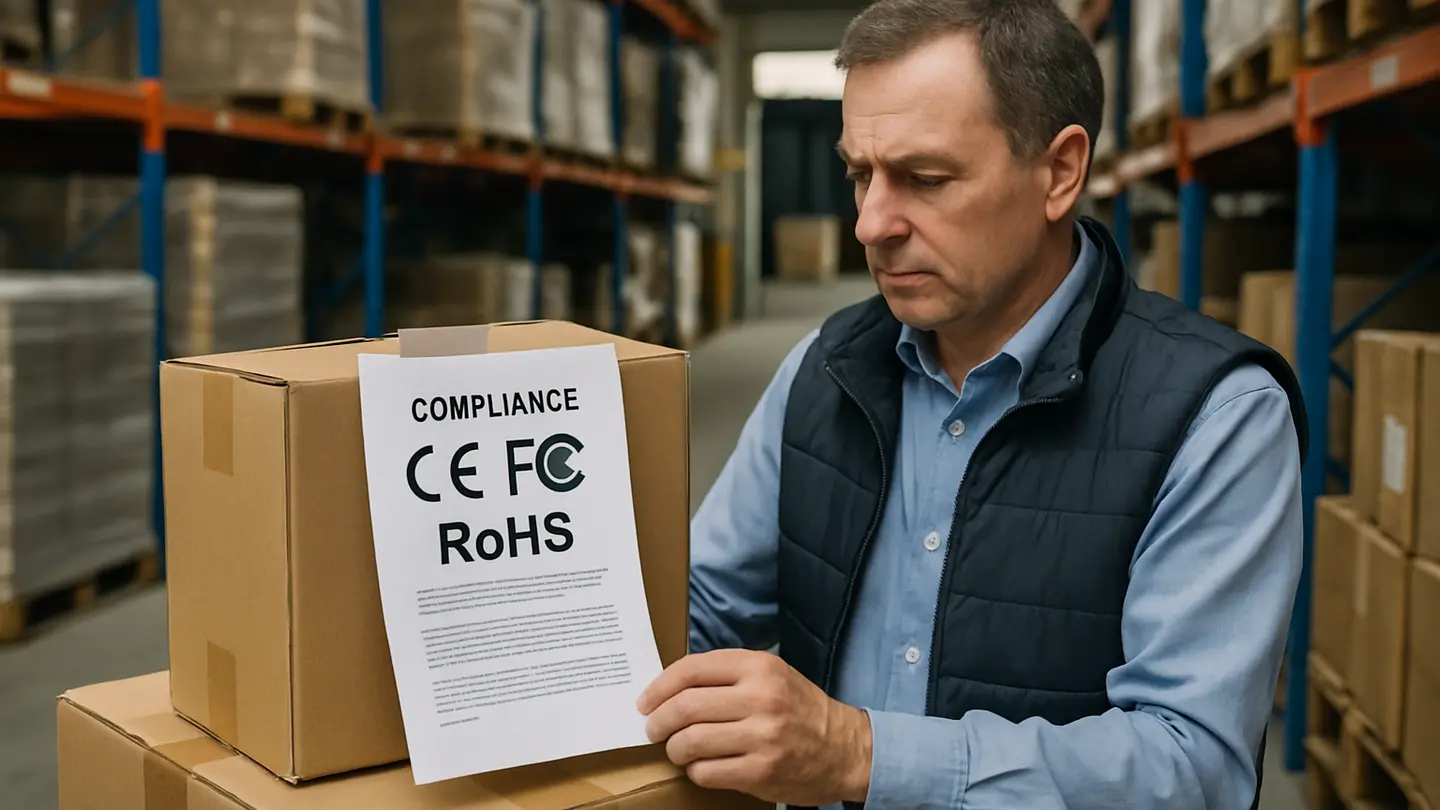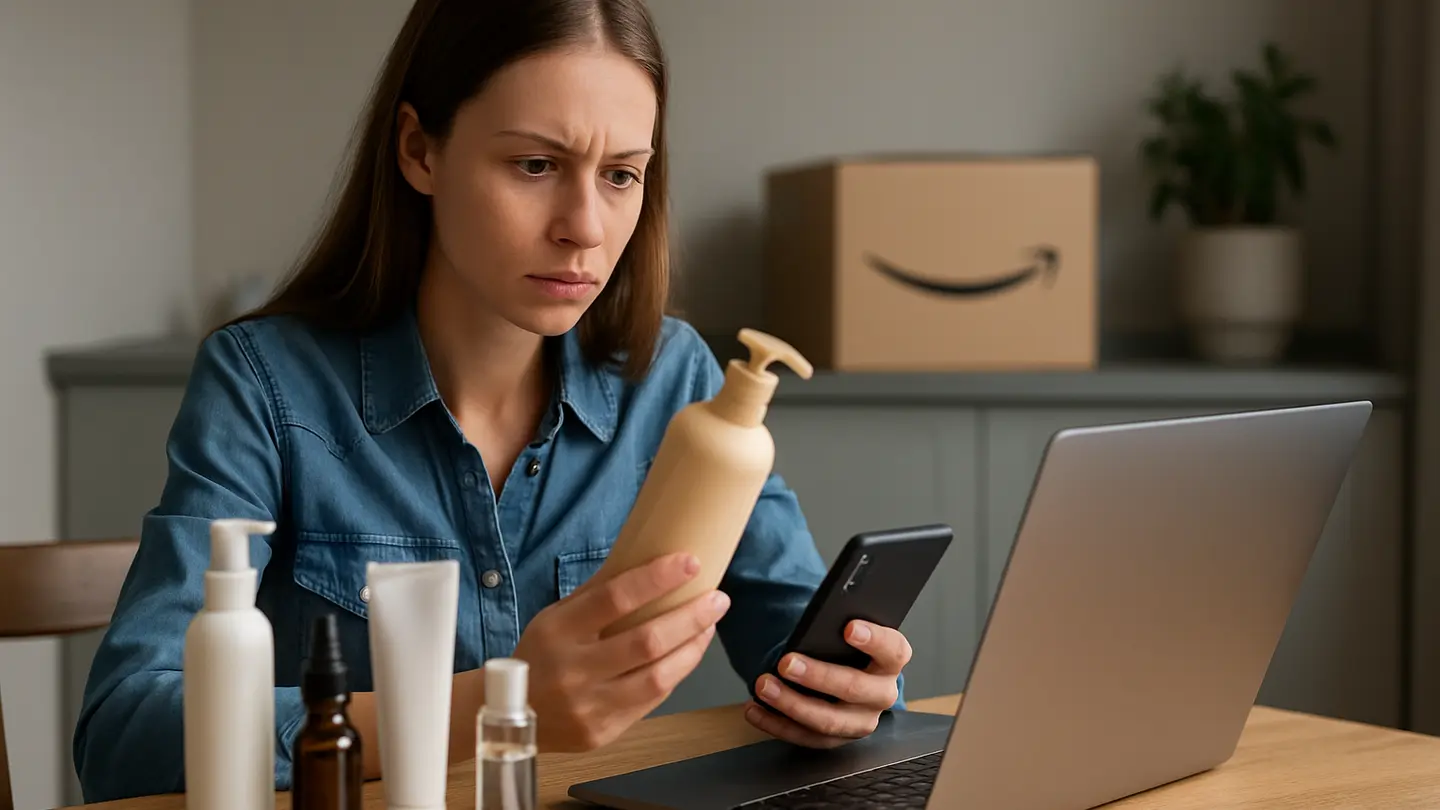
For Amazon sellers and private-label buyers, beauty and healthcare products on Amazon can look attractive because demand is strong, repeat purchases are common, and many factories offer ready-made designs. However, these categories carry higher risk than ordinary consumer goods because many products touch skin, use heat, contain batteries, emit light, or make comfort and wellbeing claims.
A failed phone case may create a return. A failed facial steamer, hair curler, LED mask, massage gun, heated brush, or cordless trimmer may create a complaint involving burns, irritation, shock, injury, or unsafe use. That difference should change how buyers select products, approve samples, control claims, document batches, and manage suppliers.
Why a Single Safety Complaint Can Outweigh the Sale
A routine refund is one problem. A complaint involving harm is another. If a customer reports skin irritation, a burn, electrical shock, overheating, battery swelling, eye discomfort, or injury, the issue may be treated as a safety matter rather than a normal service case.
Amazon may then ask for documentation tied to the specific product and batch. Sellers who cannot respond quickly may face listing suppression, inventory review, additional compliance requests, or account-level scrutiny. Even if the product is ultimately safe, weak records can make the seller look unprepared.
Buyers should collect complaint-response documents before problems occur. Reconstructing a production file months later is unreliable, especially if the supplier changed components, moved production, or used subcontractors.
Useful documentation may include:
| Document | Why it matters |
|---|---|
| Purchase orders and invoices | Connect the product to the supplier, date, quantity, and specification purchased |
| Batch or lot numbers | Help identify which units may be affected by a complaint |
| Pre-shipment inspection reports | Show what was checked before release |
| Product test reports | Support safety, performance, or material claims where applicable |
| Material and component records | Help trace batteries, heating elements, chargers, coatings, bristles, LEDs, or skin-contact parts |
| Supplier declarations | Confirm the supplier’s stated compliance, materials, specifications, and production site |
| Final approved sample records | Provide a reference point for what mass production was supposed to match |
For powered beauty and healthcare products, a seller should quickly know which factory made the unit, which batch it came from, which charger and battery were supplied, and whether production matched the approved sample. If those answers are missing, the seller may have a sourcing problem as much as a customer service problem.
How One Listing Claim Can Turn a Comfort Product Into a Health Product
Listing language can change a product’s risk profile. Words such as “cure,” “treat,” “prevent,” “pain relief,” “anti-aging,” “heals,” “medical grade,” or “clinically proven” may increase scrutiny because they move the product closer to health-related or medical-style claims.
A neck massager positioned for relaxation is different from one claiming to treat chronic pain. A facial device that supports a skincare routine is different from one claiming to reverse aging or cure acne. A brush that helps detangle hair is different from one that claims to prevent hair loss.
One common mistake is copying supplier marketing language into an Amazon listing. Factories may use broad claims in catalogs or marketplace pages, but that does not make those claims suitable for the seller’s target market or Amazon category. Once the claim appears on the listing, the seller may need to substantiate it.
Exaggerated claims also create review risk. If a listing promises dramatic results and the customer experiences modest performance, returns and negative reviews may rise even if the product works as manufactured.
Before launch, sellers should ask:
- Is this a cosmetic, comfort, wellness, or medical-style claim?
- Can the claim be supported with reliable documentation?
- Does the packaging make the same claim as the listing?
- Does the supplier have evidence, or only marketing copy?
- Would the claim trigger additional classification or compliance duties?
For Amazon sellers, claim discipline is both a compliance issue and a review management issue.
Amazon Policy Checks Sellers Should Complete Before Listing
Before ordering inventory, sellers should review Amazon-specific requirements for the product type and marketplace. Beauty and healthcare listings may be affected by category rules, labeling expectations, dangerous goods classification, and claim restrictions.
For beauty products, Amazon may require clear product information in English, including product name, intended purpose, amount or content, ingredient list, manufacturer details, and required warnings. Products may also need lot numbers, batch numbers, serial numbers, or similar identifiers. These details help connect complaints, recalls, and compliance checks to the exact goods sold.
Sellers should also confirm whether the item may be treated as a dangerous good. Some products contain flammable ingredients, aerosol propellants, essential oils, alcohol-based formulations, nail polish ingredients, perfume components, or chemicals requiring special handling. Classification can affect storage, labeling, shipping documents, fulfillment options, and carrier requirements.
Amazon also restricts certain claims. Statements that a product can cure, treat, or prevent disease or a medical condition may be restricted unless the product is properly classified, labeled, and supported. Similar caution applies to drug-like cosmetic claims, aggressive anti-aging claims, and performance statements implying medical benefit.
A pre-listing Amazon policy check should cover:
- Category approval or gating requirements, if any
- Product classification
- Label language and required warnings
- Ingredient disclosure for applicable products
- Lot number, serial number, or batch code requirements
- Dangerous goods review
- Packaging condition requirements
- Claims across the listing, packaging, inserts, images, and advertising
- Documentation Amazon may request after listing
The sourcing team should complete this review before mass production. If the label, packaging, formulation, charger, or instruction manual needs to change, it is cheaper to find out before goods are made.
Why One Product Version May Not Work in Every Market
Powered beauty and healthcare tools often cannot be sold globally as one identical product. Plugs, voltage ratings, chargers, adapters, power supplies, warning labels, manuals, and certification expectations may differ by market.
A hair styling tool may need different plug types and voltage compatibility. A heated massage device may need separate electrical documentation for the United States, the European Union, the United Kingdom, Australia, or other markets. Even if the product looks identical, the compliance file may not be interchangeable.
Multi-market sellers may need:
- Separate SKUs for different plug or voltage versions
- Separate packaging and manuals
- Separate product labels and warnings
- Separate compliance files
- Separate test reports or declarations
- Separate minimum order quantities for each version
Cash-flow risk often appears when a seller expands after production. A product ordered for one region may not suit another. Redesigning packaging, changing chargers, adding testing, or placing another production run can consume more working capital than expected.
Buyers should choose the first target market clearly and confirm electrical and labeling requirements before approving specifications. A “universal” product is useful only if the documentation, power configuration, and labeling support the markets where it will be sold.
The Defects That Appear Only After Customers Use the Product
Some defects are visible during a short inspection: scratches, poor packaging, missing accessories, incorrect labels, and obvious cosmetic flaws. Other problems appear only after repeated use.
This is common in cordless and powered beauty products. A sample may work well once but fail under daily use. Battery life may decline after several charge cycles. Charging may become inconsistent. A motor may get louder. A heating element may fluctuate. A massage gun may lose power under pressure. A brush may feel comfortable at first but irritate skin later.
These delayed defects create a timing problem. By the time reviews reveal a pattern, the second order may already be in production or on the water, leaving the seller exposed across two batches.
Sample testing should go beyond a quick visual check. Buyers should use samples in realistic conditions over several weeks, especially for products involving heat, batteries, motors, skin contact, or repeated motion.
During testing, sellers should verify:
- Actual run time versus the supplier’s claim
- Charging time and stability
- Battery behavior after repeated cycles
- Heat consistency
- Noise at different speeds
- Motor strength under realistic pressure
- Skin feel after repeated contact
- Comfort, grip, weight, and usability
- Durability of buttons, switches, lids, caps, bristles, heads, or attachments
- Whether the product still feels acceptable after the test period
Supplier claims are useful, but they should not replace user testing. The seller needs to understand what customers will experience after several weeks.
When Lower Factory Costs Reappear as Bad Reviews
A low unit price can be attractive in competitive Amazon categories. But savings at the factory level can reappear later as returns, complaints, and weak reviews.
Unusually low pricing may reflect cheaper components, looser assembly controls, lower-grade materials, or unstable supply chains. In beauty and healthcare products, component choices can affect safety perception and customer satisfaction.
High-risk components include:
- Motors in massagers, trimmers, cleansing brushes, and styling tools
- Batteries in cordless devices
- Heating elements in curlers, straighteners, wax warmers, and heated brushes
- LEDs or light modules in light-based beauty devices
- Chargers, adapters, cables, and charging ports
- Switches, buttons, and control boards
- Coatings, plastics, silicone, rubber, and other skin-contact materials
- Bristles, brush heads, rollers, attachments, and pads
The approved sample is not always proof of mass-production quality. A factory may build a strong sample using better components, then quote a lower price based on substitutions. Later runs may also vary if the supplier changes component sources to protect margin.
Buyers should ask component-level questions before accepting a low price. Which battery cell is included? Which motor model? Which charger specification? Which heating element? Which material grade? Are these components fixed in the specification, or can the factory substitute equivalents?
A practical purchase order should define critical components and require approval before substitutions. Pre-shipment inspection should then check whether production matches the approved specification. For repeat orders, sellers should not assume the factory will maintain the same standard unless controls are documented.
Why Many Beauty and Healthcare Products Are Not Truly Exclusive
Many beauty and healthcare products offered to Amazon sellers are stock designs. The supplier may offer logo printing, color changes, packaging customization, and accessory bundles, while the underlying product remains available to many buyers.
That does not automatically make the product unsuitable. Stock designs can reduce tooling costs, shorten development time, and allow faster market entry. The risk is misunderstanding what is exclusive.
Sellers should clarify whether exclusivity applies to:
- Tooling
- Mold
- Product design
- Formula
- Component configuration
- Packaging structure
- Colorway
- Accessory set
- Brand name
- Logo only
If only the logo is exclusive, competitors may be able to source essentially the same product from the same or a similar factory. The seller should not build the listing around a uniqueness claim that the market can easily challenge.
Stock products often compete through pricing, listing quality, brand presentation, customer service, bundled accessories, instructions, packaging, warranty handling, and review management. These are real competitive levers, but they are different from true product exclusivity.
Before ordering, buyers should ask: Is this design sold to other Amazon brands? Can other buyers order the same model? Are any molds private? Can the same product be sold in the same market under another brand? Are there restrictions by country, channel, or customer?
FAQ
Q1: The factory shows me the same tool selling under three other brands. Should I walk away?
Not necessarily. Seeing the same tool under other brands usually means it is a stock or semi-stock product, not an automatic disqualification. The key is to price and position it with direct competition in mind.
If competitors can order the same item, do not build your strategy around uniqueness. Compete through better packaging, clearer instructions, stronger listing content, reliable quality control, service, bundling, or a sharper target customer.
Q2: Do I have to register the product or my company before selling here?
It depends on the product’s legal classification and target market. A cosmetic, electrical beauty tool, and device-like healthcare product may face different requirements in the United States, the European Union, the United Kingdom, or other regions.
Do not assume the factory’s ability to export the product settles your obligations as the seller. Responsibility may still fall on the brand owner, importer, or Amazon seller. Resolve classification before ordering inventory because it can affect labeling, documentation, testing, registration, and claims.
Q3: How long should I test a sample before I approve it?
Long enough for realistic wear and performance problems to appear. For powered beauty and healthcare items, a short inspection is not enough. Daily-use testing over several weeks may reveal battery decline, charging problems, heat instability, motor noise, weak power, skin discomfort, or durability issues.
At the end of testing, recheck run time, charging behavior, noise, heat, comfort, attachments, buttons, and general feel. The question is not only whether the sample works on day one, but whether it still feels acceptable after repeated use.
Q4: The supplier says the safety approval is in the factory’s name. Does that cover me?
It may not. A factory-held approval should be checked against the exact version you intend to buy. Confirm that the report or certificate matches the model number, specification, components, charger, adapter, production site, and target market.
A base-model approval may not cover a modified, customized, bundled, or rebranded version. If the seller changes the charger, battery, casing, heating element, light module, materials, or intended market, the existing approval may no longer be sufficient.
Conclusion: Build the Risk File Before the First Complaint
Beauty and healthcare product failures may appear only after extended use. A product can pass a quick sample review and still create problems weeks later through poor charging, unstable heat, weak motors, uncomfortable skin contact, or component inconsistency.
Because these products often contact people, failures can become safety complaints rather than simple refunds. That makes batch-level traceability, clear specifications, inspection results, test reports, supplier declarations, and compliant labeling essential.
Build the risk file during sourcing and production, not after a customer complaint. Sellers who collect documents early are better prepared to respond, protect listings, and make informed reorder decisions.