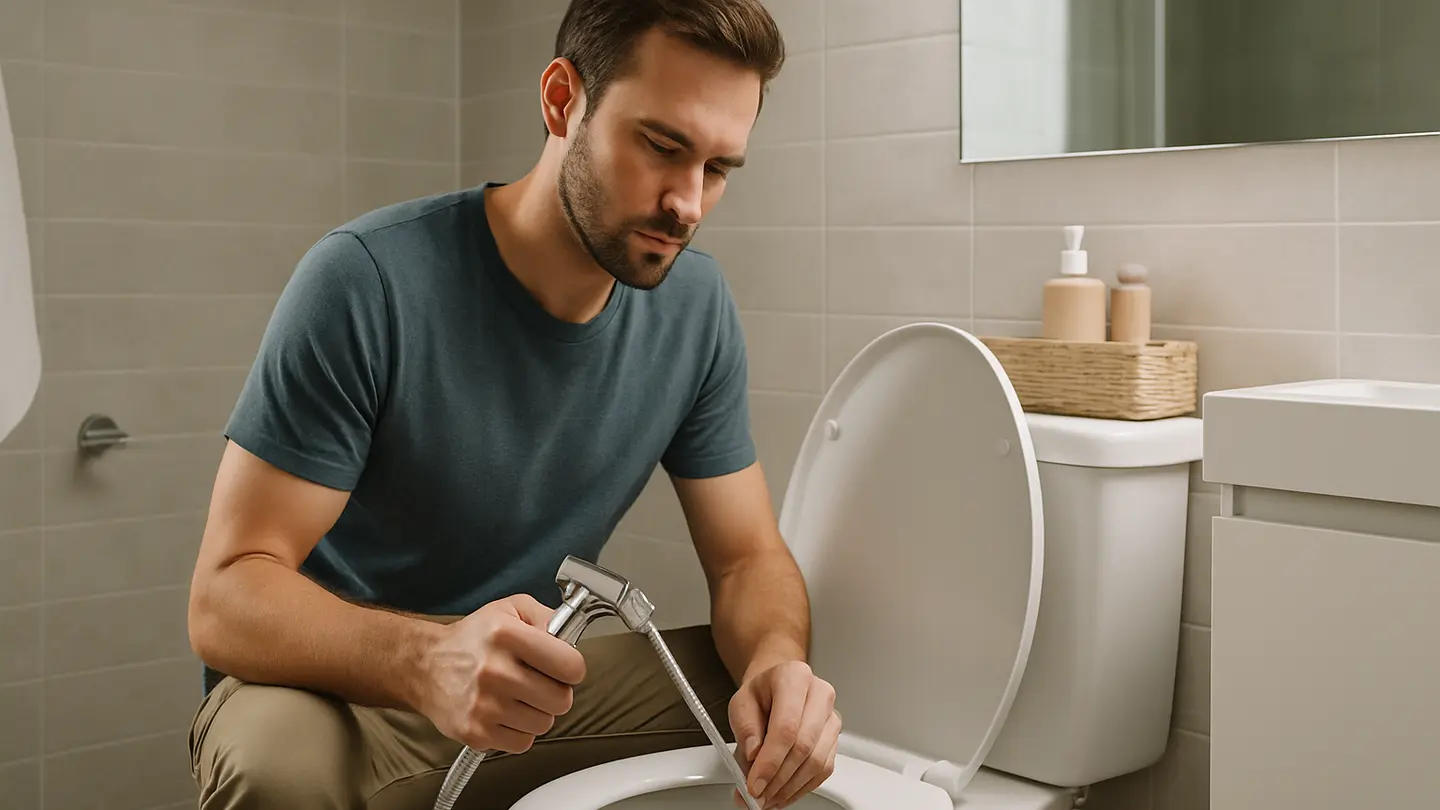
For homeowners, hospitality operators, apartment developers and bathroom-product buyers, the question is not only why use a bidet sprayer, but where it fits in a modern bathroom specification. A bidet sprayer is a compact toilet-side washing device that uses water for post-toilet cleansing. Instead of relying only on dry toilet paper, the user rinses with a controlled stream of water and then dries afterward.
The core value proposition is straightforward: water can clean residue more effectively than wiping alone, while also reducing friction on sensitive skin. For many users, that translates into a cleaner, more comfortable bathroom routine. For property managers and commercial buyers, bidet sprayers may also support lower toilet paper consumption, reduced paper waste and fewer paper-related toilet clogs when installed and used properly.
Bidet sprayers are not a luxury-only fixture. In many regions, handheld toilet sprayers are standard bathroom equipment. Their appeal comes from a combination of hygiene, simplicity and relatively low installation complexity compared with full electronic bidet seats or separate bidet fixtures.
What Is a Bidet Sprayer?
A bidet sprayer is a handheld washing device installed next to a toilet. It typically connects to the existing toilet water supply through a T-valve or similar plumbing connector. When the user presses a trigger or lever on the handle, water flows through a hose and out of a nozzle for targeted cleansing.
The format is familiar to many buyers because it resembles a small shower sprayer. In some markets, it is called a shattaf, health faucet, Muslim shower, toilet spray or shower bidet. Naming varies by region, but the basic function is the same: a manually controlled water spray for personal hygiene after toilet use.
A standard bidet sprayer set usually includes:
- A handheld sprayer or nozzle head
- A flexible hose
- A T-valve or connector for the toilet water line
- A wall-mounted or tank-mounted holder
- Washers or seals for leak prevention
Most models are non-electric and cold-water only. More advanced configurations may connect to a warm-water source, but that normally requires additional plumbing access and more careful installation planning.
Common product features include adjustable water pressure, multiple spray patterns, a lightweight handle, ergonomic trigger control and corrosion-resistant finishes. For B2B buyers, the important point is that a bidet sprayer is both a user-facing comfort product and a plumbing component. It must feel intuitive to use, but it also needs reliable valves, hoses, seals and mounting hardware for daily operation.
Main Benefits of Using a Bidet Sprayer
The main reason to use a bidet sprayer is improved personal cleansing. Water can rinse away residue that dry paper may smear or leave behind. This is especially relevant in bathrooms where users expect a higher hygiene standard, such as hotels, serviced apartments, healthcare-adjacent facilities, family homes and premium residential projects.
Comfort is another major advantage. Repeated dry wiping can cause friction, especially for people with sensitive skin. A gentle water stream may reduce irritation and make the cleaning process less abrasive. Users with hemorrhoids, anal fissures, postpartum discomfort or other bathroom-related sensitivities may find rinsing more comfortable than wiping repeatedly. Bidet sprayers should not be presented as medical devices, but they can be a practical comfort aid in daily hygiene.
Adjustable pressure is central to this benefit. A sprayer with only a harsh, narrow jet can feel uncomfortable and may create splashing. A well-designed product allows users to begin with low pressure and increase flow only as needed. This is useful in family bathrooms, hospitality rooms and multi-user facilities where preferences vary.
Bidet sprayers may also support users with limited mobility. People who have difficulty twisting, reaching or wiping thoroughly may find a handheld sprayer easier to position. In accessible bathroom planning, this can be one part of a broader design approach that includes grab bars, correct toilet height, adequate clearance and non-slip surfaces. For institutional buyers, ease of use should be evaluated alongside safety, supervision needs and local regulations.
Lower toilet paper consumption is another practical benefit. Users generally still need to dry afterward, but the amount of paper required can be much less. For households, this may reduce recurring paper costs. For larger properties, even modest reductions can matter when multiplied across many bathrooms. Less paper entering the toilet can also help reduce paper-related blockages, particularly where plumbing systems are older or users tend to flush excessive paper.
From a sustainability perspective, reduced toilet paper use can mean less paper waste and lower demand for consumable restocking. This is not the only environmental factor—water use, product lifespan and manufacturing materials also matter—but bidet sprayers can contribute to a lower-paper bathroom routine.
For bathroom retailers and wholesalers, bidet sprayers are attractive because they address several buyer motivations at once: hygiene, comfort, convenience, water-based cleaning and reduced reliance on toilet paper. That broad appeal explains why the category appears in both value-focused and premium bathroom product assortments.
Are Bidet Sprayers Sanitary?
A properly installed and maintained bidet sprayer can be sanitary. The water usually comes from the same household supply used by the sink, shower and toilet fill line. The key hygiene questions are not generally about the water source, but about correct use, nozzle cleanliness and plumbing design.
Users should avoid touching the nozzle to the body or to soiled surfaces. The sprayer should be held at a suitable distance and angled so the water rinses effectively without unnecessary splashback. After use, it should be returned to a clean holder rather than left on the floor or against the toilet bowl.
Regular cleaning is important. The handle, trigger, nozzle and holder can accumulate moisture, mineral deposits or bathroom residue. In residential settings, routine bathroom cleaning is usually sufficient if the sprayer is easy to wipe down. In hotels, public washrooms or other higher-turnover environments, cleaning protocols should specifically include the sprayer head, hose exterior and mounting point.
Women should spray from front to back to help reduce the risk of bacterial transfer toward the urinary tract. This is a simple but important user-practice point, particularly where bidet sprayers are being introduced in markets where users may be less familiar with them.
Drying afterward is also part of hygienic use. Users can dry with a small amount of toilet paper or a clean personal towel. In shared bathrooms, disposable paper is usually the more practical option. Reusable towels should be individual, clean and laundered regularly.
In plumbing terms, buyers should consider local code requirements, including any need for backflow prevention or vacuum breaker components. Requirements differ by market and building type. Commercial buyers should not assume that a product acceptable in one region will automatically meet requirements in another. For projects, the bidet sprayer should be reviewed with the plumbing contractor, specifier or authority having jurisdiction.
Used correctly, a bidet sprayer can reduce irritation compared with repeated dry wiping. However, excessive pressure, poor aiming, lack of cleaning or improper installation can create problems. Sanitary performance depends on both product design and user behavior.
How to Choose the Right Bidet Sprayer
Choosing the right bidet sprayer requires more than comparing appearance and unit price. Buyers should evaluate comfort, durability, installation compatibility and after-sales reliability.
Adjustable water pressure should be a priority. The control should allow a gentle rinse as well as a stronger flow when needed. A trigger that is too sensitive may cause accidental spraying, while a stiff trigger may be uncomfortable for children, older users or people with limited hand strength. For hospitality and multi-family projects, moderate, predictable pressure is often preferable to an aggressive spray.
Water flow should be steady and controllable. In buildings with high water pressure, a pressure-regulating valve or compatible shut-off valve may be necessary. In low-pressure environments, the sprayer must still provide enough flow for effective cleansing. B2B buyers should request operating pressure ranges and installation guidance rather than relying only on product photos.
Compatibility with existing toilet plumbing is essential. Check the supply connection size, available space near the toilet, hose routing and mounting location. Some bathrooms have very tight clearances between the toilet, wall and vanity. A sprayer with a long handle or stiff hose may be awkward in such layouts.
Cold-only and warm-water options should be compared realistically. Cold-only sprayers are simpler, less expensive and easier to install because they connect to the toilet water line. They suit many climates and markets where handheld sprayers are already common. Warm-water models may improve comfort in colder regions, but they usually require access to a hot-water line or a mixing valve. That can increase labor cost and may not be practical in retrofit projects.
Material selection affects durability. Stainless steel and brass components are often preferred for corrosion resistance and long service life, especially for hoses, valves and sprayer bodies. Plastic components can reduce cost and weight, but quality varies widely. Buyers should clarify whether finishes are decorative only or supported by corrosion-resistant base materials.
Nozzle design matters because it determines spray feel and cleaning control. A concentrated jet may clean efficiently but can be harsh. A wider spray may feel gentler but require more water or time. Some models provide selectable spray patterns, while others use a single pattern. For most general-purpose bathrooms, a balanced spray that limits splash is more useful than an overly powerful jet.
Hose length should match the bathroom layout. A hose that is too short limits reach and makes the product frustrating to use. A hose that is too long may drag on the floor or look untidy. Flexible stainless steel braided hoses are common, but buyers should still evaluate flexibility, kink resistance and connector quality.
Handle ergonomics should not be overlooked. The sprayer should be easy to grip with wet hands, simple to operate and not too heavy. In showrooms, online listings and procurement samples, the handle shape may seem like a minor detail, but it strongly affects daily user satisfaction.
Mounting options also influence usability. A wall-mounted holder can keep the sprayer at a convenient height, while a tank-mounted holder may simplify installation in rental or retrofit settings. The holder should secure the sprayer firmly and reduce dripping onto the floor.
Budget should be considered over the product lifecycle, not only at purchase. A low-cost sprayer that leaks, corrodes or has a weak trigger mechanism can create maintenance calls and customer dissatisfaction. For bulk purchasing, buyers should ask about replacement parts, warranty terms, packaging quality, installation instructions and quality-control testing.
A practical sourcing checklist includes:
| Buying factor | What to check | Why it matters |
|---|---|---|
| Pressure control | Smooth trigger and adjustable flow | Improves comfort and reduces splash |
| Material | Stainless steel, brass or quality engineered plastic | Affects corrosion resistance and lifespan |
| Hose | Length, flexibility, connector quality | Determines reach and leak resistance |
| Installation | Connection size, valve type, mounting method | Reduces retrofit problems |
| Nozzle | Spray pattern and cleaning access | Affects hygiene and ease of maintenance |
| Compliance | Local plumbing and backflow requirements | Important for commercial projects |
| Support | Instructions, spare parts, warranty | Reduces after-sales risk |
For distributors, another consideration is assortment strategy. Entry-level cold-water sprayers may serve price-sensitive markets, while premium models with metal construction, refined finishes and smoother pressure control may suit hotels, developers and higher-end retail channels. The right selection depends on local user expectations, water quality, climate and installation practices.
Another Way to Build a China Supplier Shortlist
For bathroom-product buyers comparing bidet sprayers, hoses, valves, shower bidets or related fixtures, Made-in-China.com can be used as a B2B sourcing platform to find and compare potential China suppliers before direct outreach.
Supplier Discovery can help buyers identify supplier options and narrow an initial shortlist. This is useful when the sourcing brief is still being refined and the buyer wants to compare product ranges, materials, finishes and apparent manufacturing focus.
For early-stage due diligence, Made-in-China.com also provides Audited Supplier information. Audited Suppliers are subject to third-party verification and on-site audit, with Audit Reports available for buyer review. These reports can include structured information such as general company information, export trade, manufacturing capacity, quality control and R&D capability.
Easy Sourcing is another practical tool for quotation gathering. Buyers can submit one sourcing request, receive multiple quotations from matched suppliers, compare offers and request samples. It does not replace technical evaluation, compliance checks or factory-level due diligence, but it can reduce manual work during the first round of supplier screening.
More Bathroom Buying Guide Topics
Bidet sprayers are one part of a broader bathroom specification. Buyers planning residential, hospitality or commercial projects may also want to compare related product categories before finalizing a bathroom package.
Useful adjacent buying guide topics include handheld shower sets, thermostatic shower valves, toilet seats, concealed cisterns, bathroom faucets, flexible hoses, angle valves, floor drains and accessibility-focused bathroom fixtures. These products often interact in the same space, so decisions about finish, water pressure, installation access and maintenance should be coordinated rather than made separately.
For example, a bidet sprayer with a brushed stainless finish may need to match shower fittings and basin faucets. A project with high water pressure may require pressure management across multiple fixtures, not only the bidet sprayer. A hotel bathroom program may prioritize easy cleaning, spare-part availability and consistent installation dimensions across all room types.
The most effective bathroom buying process starts with user needs, then checks plumbing conditions, regulatory requirements, product durability and supplier reliability. A bidet sprayer is a relatively small fixture, but when selected carefully, it can make a noticeable difference in hygiene, comfort and day-to-day bathroom usability.