Buying direct from China factories can improve unit economics, shorten communication paths, and give buyers more influence over product specifications. It can also transfer work normally handled by a trading company, agent, or sourcing office to the buyer’s team.
For shower, sanitary ware, and related building-product buyers, the question is not simply whether a factory price is lower. It is whether the business can control supplier validation, production-ready specifications, quality, regulatory suitability, and problem resolution before goods leave the factory.
Direct buying works best when products are mature, specifications are stable, volumes justify the effort, and the buyer has capable procurement and quality-control resources. It is less attractive when products are new, compliance is complex, orders are small, or a delayed shipment would cause a costly retail or project failure.
Where Direct Factory Savings Actually Come From
The apparent case for buying direct is straightforward: buyers may avoid an agent commission or trading-company margin. Factory quotations can also make component costs, tooling, packaging options, and lead times more visible.
However, the saving is not always the difference between a trading-company quote and a factory quote. Intermediaries may perform supplier selection, production follow-up, consolidation, quality checks, export coordination, and document review. When a buyer purchases directly, those responsibilities must be handled internally or bought from service providers.
Direct buying is usually most economical in these situations:
- Stable, repeat-order products. Established shower enclosures, faucet components, hoses, or accessory ranges are easier to manage than newly developed items.
- Meaningful annual volumes. Repeat volume spreads audit, sampling, inspection, and relationship-management costs over more units.
- Experienced category buyers. Teams familiar with material grades, plating, glass, installation requirements, and common defects can challenge assumptions early.
- Clear compliance requirements. The buyer knows the market-specific labeling, test reports, and declarations required before ordering.
A buyer can contract directly with a factory while engaging independent support for supplier verification, pre-production review, inspection, or logistics. This preserves the direct commercial relationship while filling internal capability gaps.
The key distinction is between a lower purchase price and a lower total landed cost. A cheaper quote may be offset by staff time, quality failures, delays, rework, expedited freight, and unsellable stock.
When Buying Direct Can Backfire
Direct sourcing can fail when buyers confuse factory access with supply-chain control. Finding a supplier through referrals, trade fairs, directories, or B2B platforms is often the easy stage. The harder work begins after the deposit is paid.
A factory may be technically competent but unsuitable for a particular market, product, or launch timetable. It may make attractive shower products while lacking disciplined control over glass thickness, finish consistency, packaging resistance, traceability, or revision management. It may also assume the buyer is responsible for identifying destination-market requirements.
Common direct-buying failure points include:
| Risk area | What can go wrong | Commercial consequence |
|---|---|---|
| Supplier qualification | The seller is not the actual producer, or production is subcontracted without disclosure | Reduced control over quality, lead time, and accountability |
| Product specification | Drawings, finish standards, or packaging requirements are incomplete | Goods differ from approved samples or cannot be installed as expected |
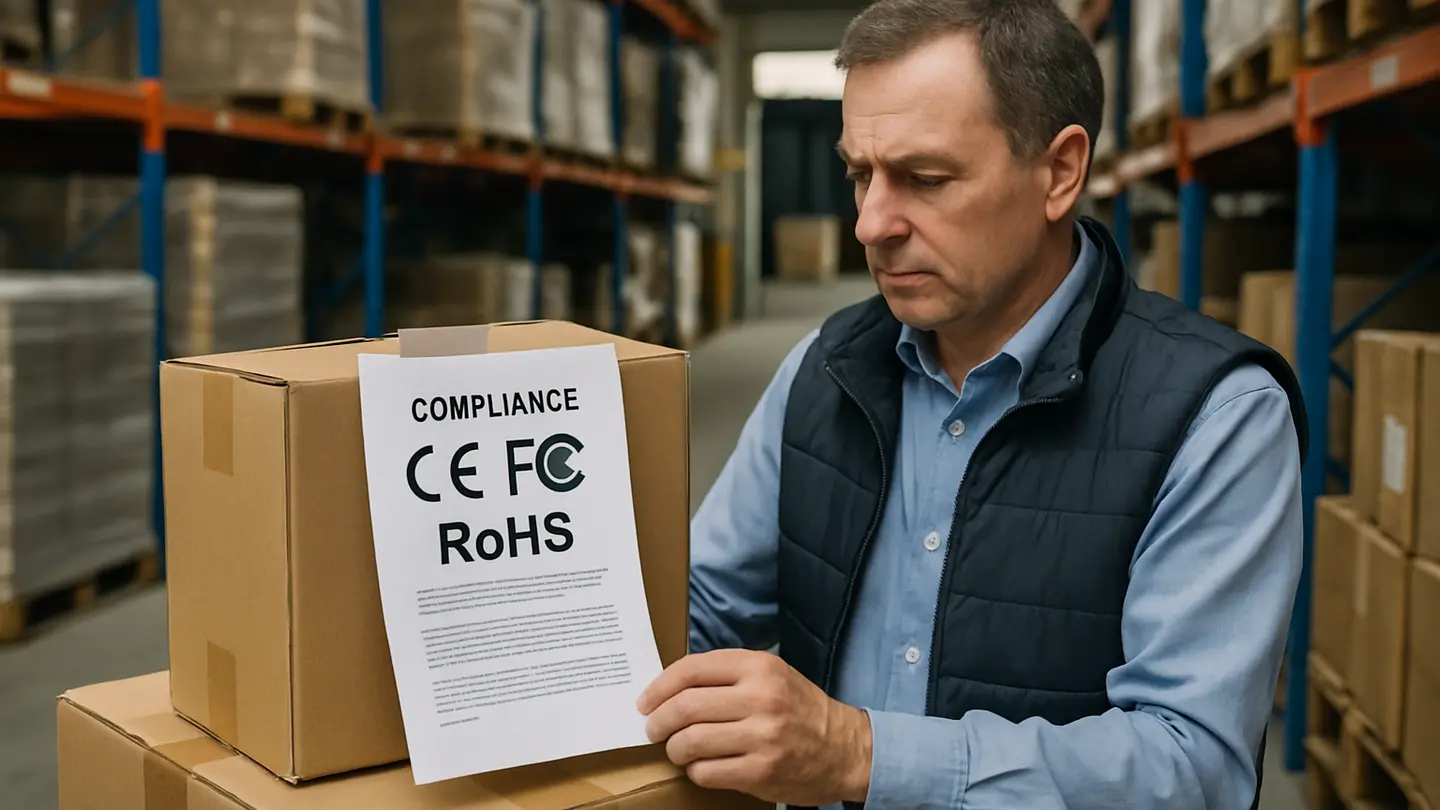
| Compliance | Testing, labeling, declarations, or material requirements are overlooked | Delayed import, rejected goods, or inability to sell into the intended market |
| Production monitoring | Problems are discovered only after goods are packed | Rework, replacement orders, claims, and missed delivery dates |
| Documentation | Invoice, packing list, origin information, or shipment data is inaccurate | Customs delays, clearance costs, or accounting discrepancies |
One major quality incident can erase the margin saved through direct buying. Shower hardware with inconsistent finish, incorrect mounting components, or weak packaging may be costly to replace, sort, return, or discount. For project buyers, late delivery can also create contractual exposure.
Factories are not necessarily withholding information when they fail to raise a risk. They may simply focus on the manufacturing instruction received. If the buyer does not specify a standard, test condition, labeling detail, or acceptable quality limit, the supplier may assume it is outside scope.
Responsibilities That Transfer to the Buyer
When an intermediary is removed, the buyer must build the control framework around the factory relationship. Each task needs an identifiable owner, whether internal or external.
The first requirement is confirming who the supplier really is. A polished website, marketplace profile, or low quotation does not prove that a company owns the production line, has export experience, or can consistently make the product. Buyers should verify legal registration, business scope, factory address, bank details, and the relationship between the contracting entity and manufacturing site.
For shower and bathroom-product sourcing, due diligence should also cover category capability:
- Does the factory routinely produce the relevant product type?
- What controls apply to brass, stainless steel, aluminum, tempered glass, cartridges, seals, and coatings?
- Can it maintain finish consistency across batches?
- Does it have suitable assembly, water-testing, load-testing, or packaging-testing processes where relevant?
- Can it provide credible evidence for destination-market standards?
- Has it exported similar products to comparable markets?
An on-site audit by the buyer or an independent inspector can reveal whether production is active, quality records are used, materials are identified, measuring equipment is maintained, and claimed capacity is plausible.
Documentation is equally important. A purchase order should not rely on generic descriptions such as “matte black shower set” or “frameless enclosure.” It should reference controlled drawings, bills of materials, approved finish panels, artwork, packaging instructions, labeling requirements, inspection criteria, and approved samples.
Before shipment, arrange a pre-shipment inspection against an agreed plan. It should verify quantity, appearance, relevant function, and packaging. Shipping documents should be checked against the approved order, including descriptions, quantities, carton marks, weights, and consignee details.
The Key Issue Is Management Capacity, Not Factory Access
Many businesses can identify potential Chinese factories within days. Far fewer can manage suppliers through product development, production, shipment, and corrective action.
Direct buying requires people who can interpret specifications, identify ambiguous commitments, ask effective follow-up questions, and escalate issues without damaging the relationship. This capability may sit across procurement, quality, engineering, regulatory, logistics, and finance rather than with one buyer.
A practical internal assessment should ask:
- Who owns supplier qualification before a deposit is released?
- Who reviews drawings, material changes, and samples?
- Who follows up on missed production milestones?
- Who decides whether a defect is acceptable, repairable, or grounds for rejection?
- Who checks certificates, test reports, export paperwork, and labeling?
- Who can pause shipment if quality evidence is incomplete?
- Who manages claims and corrective actions after delivery?
The cost of this work should be estimated honestly. A low factory price can lose its appeal if staff spend weeks chasing answers, arranging inspections, correcting artwork, and resolving shipment discrepancies. If external auditors, translators, engineers, or logistics specialists are needed for every order, the factory-price advantage narrows.
Buyers should compare two complete models:
- Direct factory cost plus internal and third-party control costs
- Intermediary cost plus the services and risk reduction actually provided
A company with established specifications, repeat volumes, and experienced supplier managers may gain from direct relationships. A company entering a new category may get better value from structured support during early orders.
Why Change Control Can Break Direct Supplier Relationships
Many supplier disputes arise because product changes are discussed informally but never converted into controlled production instructions.
A buyer may request a revised handle, stronger carton, new logo position, different glass pattern, alternative material grade, or modified installation kit through email, messaging, or phone calls. The factory may interpret the request differently, apply it only to a later batch, or change one component while related documents remain unchanged.
For bathroom and shower products, small changes can affect cost, assembly, installation, packaging, durability, or compliance. A different screw length may affect mounting security. A revised finish may require another coating process. A new carton insert may no longer protect glass corners adequately.
A disciplined change-control process should include:
- A written request identifying the part, revision, reason, and effective date.
- Updated drawings, specifications, artwork, or bill-of-material references.
- A statement covering existing materials, work in progress, and packed goods.
- Supplier confirmation of feasibility, cost, lead-time, and quality implications.
- A revised sample when appearance, fit, function, or packaging is affected.
- Buyer approval before mass production resumes.
- Updated inspection criteria and purchase-order documentation.
The purpose is not bureaucracy. It ensures the factory, buyer, inspector, and logistics team work from the same product definition.
Why a Hybrid Sourcing Model Often Works Best
The choice is not limited to buying direct or using an intermediary for everything. Many B2B buyers use a hybrid model based on product and supplier risk.
Direct purchasing can suit proven factories producing predictable core ranges. Once a supplier demonstrates consistent quality, communication, compliance awareness, and delivery performance, buyers may reduce outside involvement.
External support remains useful for higher-risk situations:
- First orders with an unfamiliar factory
- New product categories or technical constructions
- Large seasonal launches with little tolerance for delay
- Products with demanding safety, water-efficiency, material, or labeling requirements
- Custom developments involving new tooling or sensitive designs
- Orders where failure would affect a major retailer, distributor, or project contract
A buyer might contract directly while commissioning an audit before the first deposit, a pre-production sample review, and pre-shipment inspection. Another may use a sourcing specialist for supplier discovery and early negotiation, then manage mature accounts independently.
The right support level should reflect the downside of failure. If a delayed container creates only minor inconvenience, lighter controls may be acceptable. If it would derail a launch, leave installers without components, or create regulatory exposure, a structured process is justified.
FAQ
Q1: Will a factory work directly with me at all?
Many export-oriented factories work directly with overseas buyers, particularly where order volume, requirements, and procurement processes are credible. However, access varies by factory.
Some manufacturers prefer trading companies because they consolidate smaller orders, handle communication, or manage export administration. Others have channel arrangements limiting direct sales into certain markets. Ask early whether the supplier is the manufacturer, exports directly, and can contract on the required terms.
Q2: Will the minimum order be higher if I buy direct?
It can be. Factories often set minimum order quantities around production efficiency, material purchasing, finishing runs, packaging setup, or assembly labor. A trading company may combine demand from several customers and offer a lower minimum.
For a first order, request a lower trial quantity where there is a realistic reorder plan. Suppliers may be more flexible when they see an annual forecast, established distribution channel, or potential range extension. Document any lower-MOQ agreement, including changes to pricing, packaging, or lead time.
Q3: Do I need a Mandarin speaker to buy direct?
Not always. Many established export factories have English-speaking sales and technical staff. For routine orders with stable specifications, strong written documentation may matter more than shared spoken language.
Mandarin support can still help during technical discussions, audits, urgent production issues, and nuanced negotiations. Buyers without bilingual staff may use a qualified interpreter or local representative for critical meetings. Bilingual drawings, specifications, packaging instructions, and inspection checklists can reduce misunderstandings.
Q4: Is my design more exposed without an agent?
An agent does not replace intellectual-property protection. Adding another party can increase the number of people with access to drawings, files, and commercial information.
Protection should involve appropriate rights registrations, carefully drafted agreements, controlled access to sensitive files, and a deliberate sharing strategy. Buyers should disclose only what a supplier needs at each stage and seek qualified legal advice for valuable designs, trademarks, patents, or market-specific protection.
Conclusion: Compare Savings With the Full Cost of Control
Buying direct from China factories can be sound when the buyer can manage the responsibilities of a direct commercial relationship. The cost of a poor decision may appear as delayed inventory, failed inspections, customs problems, rework, or products that cannot be sold.
Compare expected margin savings with supplier verification, technical follow-up, inspection, shipping-document control, compliance review, and issue-resolution costs. Assess the factory before paying deposits, define the product in controlled documents, and assign ownership from sample approval through shipment release.
For established products and well-managed suppliers, direct buying can create durable advantages. For first orders, unfamiliar categories, and high-consequence launches, independent support or a hybrid model may offer a better balance of control, cost, and risk.
About the Author
The editorial team covers B2B manufacturing, procurement, supplier management, and international sourcing for buyers of building products, bathroom fittings, sanitary ware, and related manufactured goods.