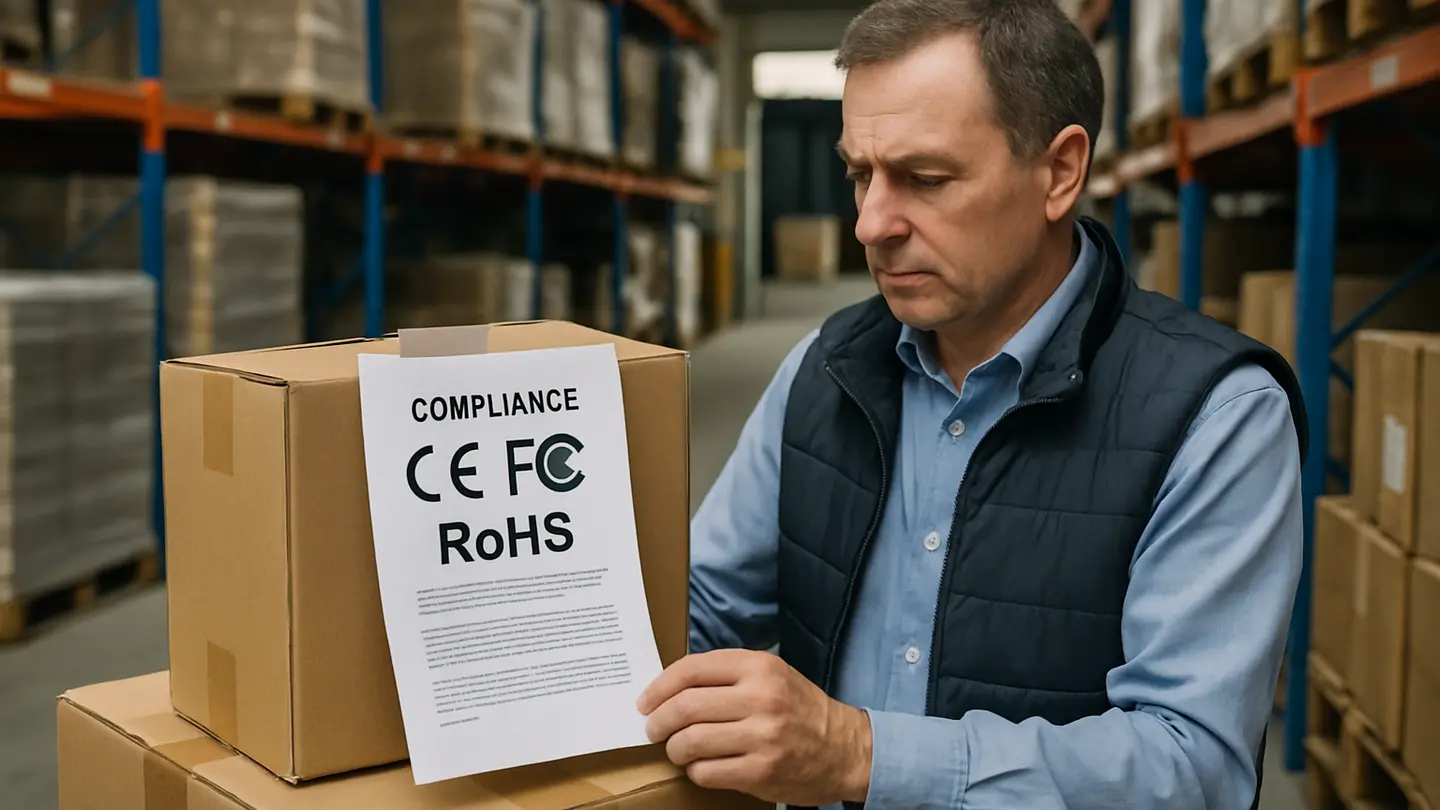
How CE, FCC, and RoHS Differ for Importers
CE, FCC, and RoHS encompass distinct regulatory frameworks critical for importers. CE marking is essential for products sold in the European market, demonstrating conformity with EU requirements. The FCC regulates radio frequency (RF) emissions for products in the U.S., ensuring they don’t interfere with communications. RoHS restricts hazardous substances in electronic equipment, protecting both the environment and human health. A detailed analysis of product design and intended market is vital to determine the required compliance standards.
Expanding on these distinctions, importers must strategically navigate these regulations by integrating compliance into the product development lifecycle. This approach not only ensures adherence but also supports market access and enhances product credibility. Understanding the nuances between these directives and how they interplay with specific product categories will empower importers to streamline their compliance processes while mitigating potential risks.
Legal Scope: EU Conformity, U.S. RF Controls, and Substance Limits
CE marking covers a broad scope of EU legislation, requiring manufacturers to adhere to directives related to electrical safety, electromagnetic compatibility, radio equipment, and more. The FCC’s jurisdiction focuses on RF emissions and varies by the complexity of the device, such as unintentional radiators versus transmitters. RoHS demands manufacturers tackle hazardous materials like lead, cadmium, and mercury, specific to each material part of a product’s Bill of Materials (BOM).
Importers often face challenges with supplier-provided certificates, as these documents may not comprehensively satisfy regulatory scrutiny. It is crucial for importers to bridge any compliance gaps through proactive verification and supplementary testing when necessary. For instance, engaging with third-party laboratories can help verify claimed compliance, providing added assurance against regulatory interventions.
Responsibility and Liability: Who Signs the Compliance Records
Compliance responsibility primarily falls on manufacturers, but importers are not without liability. Even with manufacturer-supplied documentation, importers must ensure that all compliance records are thorough and valid. Missteps in compliance can expose them to significant legal and financial penalties. Therefore, contracts should clearly outline compliance obligations, including responsibilities for documentation updates in response to regulatory changes.
Additionally, importers are tasked with maintaining a chain of accountability throughout the supply chain. This can involve implementing compliance audits and periodic checks to verify the integrity of suppliers’ compliance records. Ensuring a robust audit trail not only assists in regulatory inquiries but also strengthens business relationships by promoting transparency and collaboration.
Evidence Quality: Building a Verifiable Compliance File
Creating a credible compliance file requires a foundation of detailed product descriptions, test results from accredited laboratories, and well-documented technical information. For FCC conformity, validating laboratory credentials is essential, as unqualified tests can render results void. RoHS requires evidence that materials have adhered to restricted substance standards, which can be challenging without explicit documentation linking materials to compliance measures.
An effective compliance file should also include comprehensive supplier declarations, illustrating material conformity with RoHS directives. Maintaining a central repository for all compliance documentation affords importers quick access for internal reviews or external regulatory inspections. The inclusion of detailed procedural notes ensures that even with personnel changes, the compliance process remains uninterrupted and accurate.
Cost and Timing: Why Wireless and Hybrid Products Need More Planning
Introducing wireless capabilities into products significantly increases complexity. These products demand intricate assessments of radio performance and must adhere to rigorous integration guidelines, often leading to extended development timelines and increased costs. Any adjustments to components may necessitate retesting, delaying the compliance pathway.
In addition to technical assessments, the compliance timeline can be influenced by seasonal changes in regulatory processing times. Importers should strategically plan product launches to avoid peak periods, ensuring that project timelines and market introductions remain unaffected by unexpected procedural delays.
Common Failure Outcomes: Holds, Listing Blocks, and Rework
Compliance failures often stem from neglected testing phases, outdated certification reports, or unchecked configuration changes. Such failures can lead to severe consequences, including customs holds, unexpected inspections, necessary rework, and even product withdrawal from markets. Ensuring reliability through meticulous documentation and verification processes is key to avoiding these costly scenarios.
Moreover, effective training programs for compliance teams and continuous process improvement initiatives can substantially reduce failure rates. Implementing a robust compliance review mechanism enables early detection of potential non-conformance issues, allowing for timely corrective actions and safeguarding market access.
The Business Cost of a Compliance Failure
A compliance failure presents significant financial repercussions, including expenses related to storage, rework, and potentially lost sales. Early identification and correction of compliance issues within the supply chain are generally more cost-effective than addressing them post-shipment.
To mitigate such risks, verifying compliance thoroughly before final payment or logistic arrangements can prevent shipment disruptions and preserve company reputation. Investing in compliance management software can automate documentation reviews and monitor real-time compliance status, enabling proactive management of potential risks.
What CE, FCC, and RoHS Each Covers
A multi-faceted compliance strategy considers the nuances of CE, FCC, and RoHS regulations depending on market and product specifications. Understanding these distinct standards is critical for aligning product deployment strategies with legal requirements.
CE Marking: EU Conformity Documentation and Scope
The CE marking reflects adherence to essential EU legislation applicable to the product. It serves as a passport for products entering the European market, ensuring unrestricted movement. Multiple directives might be applicable to a single product, necessitating comprehensive technical documentation.
Importers are encouraged to seek expert consultations to assess CE directive applicability accurately, which can include engagement with legal advisors or compliance specialists. This extra layer of scrutiny provides greater certainty in achieving full compliance and minimizes risks of market entry barriers.
FCC Compliance: SDoC, Certification, and Wireless Hardware
FCC compliance varies dramatically depending on the product type. Devices like wired peripherals might proceed through Supplier’s Declaration of Conformity (SDoC), whereas wireless transmitters usually require formal certification. While using pre-certified modules can streamline the process, it doesn’t bypass the need for comprehensive product reviews.
Ensuring alignment between product specifications and existing certifications is paramount. Regularly reviewing the FCC’s regulations and staying informed about any updates will further ensure compliance and avoid costly errors. For wireless products, testing facilities should be vetted for their capability to perform essential testing covering all relevant RF emissions criteria.
RoHS Compliance: Material Controls Across the BOM
To achieve RoHS compliance, all materials across the BOM must meet specific restrictions regarding hazardous substances. This involves an exacting review of product materials, manufacturing processes, and supplier declarations. Supporting evidence, such as precise material specifications and authoritative laboratory reports, provides a robust foundation in proving compliance.
Leveraging industry collaborations and joining compliance networks can enhance understanding and simplify complex compliance pathways. These networks can also provide access to shared resources, including vetted suppliers and service providers, further reducing compliance efforts and ensuring regulatory standards are met effectively.
FAQ
1. Which compliance path should I choose for my business?
Determine the compliance path based on the target market and product design specifics. For the EU market, thoroughly assess applicable CE directives. For U.S. markets, concentrate on FCC requirements. Additionally, RoHS compliance becomes crucial with complex BOM configurations and electronic products meant for European markets.
Conducting a preliminary analysis of market demands and technical specifications will allow businesses to strategize and implement the most suitable compliance process. This foresight not only facilitates faster market entry but also enhances competitive positioning.
2. How do I secure my supply chain before paying the factory?
Effectively securing the supply chain involves comprehensive product classification and early identification of applicable regulations. Before proceeding with production, thoroughly review test reports, supplier declarations, and labeling accuracy. Ensure all documentation matches physical product attributes and engage in controlled revisions to mitigate the risk of unintentional changes impacting compliance.
Developing a supply chain risk management plan is advisable, highlighting critical control points and establishing robust communication channels with suppliers to ensure any compliance updates are swiftly addressed, minimizing disruption.
3. Can certification failures impact my freight?
Certification discrepancies can have a significant impact on freight, ranging from customs delays to the need for additional documentation or costly rework. It is advisable to incorporate regulatory obligations within contractual agreements, thus delineating responsibilities, and to confirm the integrity of compliance files prior to shipment.
Establishing dedicated compliance review checkpoints, where freight documentation is cross-checked against regulatory requirements, greatly reduces the risk of shipment issues and helps maintain transit schedules.
Final Compliance Checks Before Shipment
Prior to shipment, confirm that the compliance stack aligns with current regulations. Verify that test reports correspond with the final product configuration, and documentation remains consistent and thorough. Ensure RoHS evidence is validated, labels and manuals are accurate, and consider any product changes that may impact compliance.
Actively involving compliance teams in the final review phase ensures any last-minute discrepancies are spotted and addressed. By setting up a comprehensive, step-by-step final checklist, companies can systematically verify compliance and instill confidence as products enter their target markets.
Engaging in early classification efforts and robust revision controls substantially reduces the risks associated with non-compliance. A commitment to regular compliance maintenance and proactive engagement with regulatory changes ensures long-term success and sustained market access.