China to Australia Shipping Costs: What Raises Your Landed Import Bill
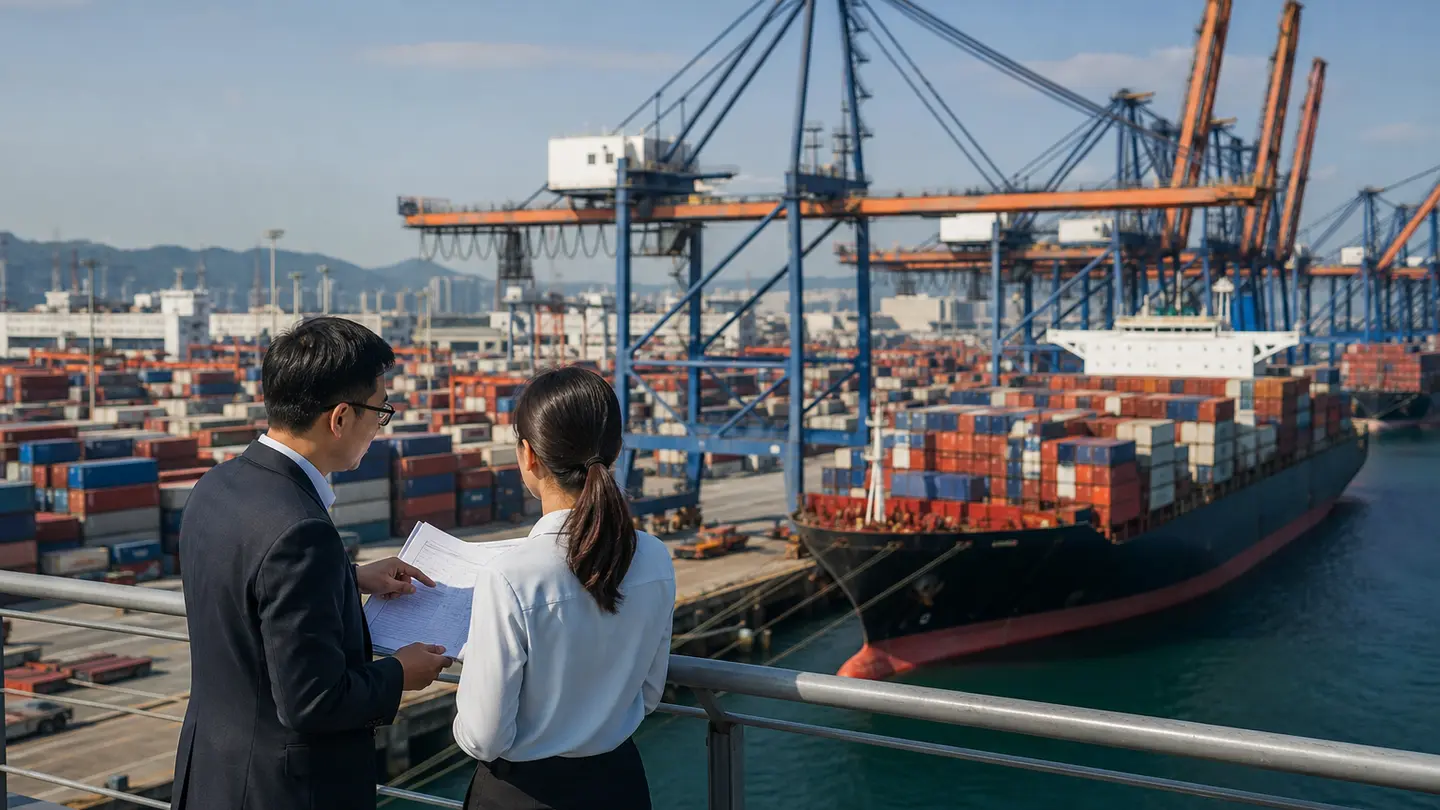
For Australian buyers of shower products, the quoted China to Australia shipping cost is only one part of the total import expense. Ocean freight may look competitive on a supplier or forwarder quotation, but the final landed cost can rise once tax, port charges, customs processing, biosecurity requirements and inland delivery are included.
This matters particularly for bulky bathroom products. Shower screens, enclosures, trays, vanities and large accessory sets can occupy substantial container space relative to their unit value. A small increase in carton dimensions, unused container space or delivery distance can materially affect the cost per unit.
A practical landed-cost calculation should include more than the supplier’s product price and freight quote. Importers should account for:
- Customs value of the goods
- International freight and insurance
- Import GST and any applicable duty
- Terminal and destination charges
- Customs entry and brokerage fees
- Biosecurity inspection, treatment or storage risk
- Port-to-warehouse transport
- Unpacking, pallet handling and local delivery requirements
The lowest port-to-port freight rate does not necessarily produce the lowest delivered warehouse cost. A shipment with cheaper ocean freight may arrive at a port that is far from the final destination, attract higher destination charges, or create avoidable inspection and storage costs.
For this reason, buyers should compare suppliers, freight forwarders and shipping methods using a delivered warehouse cost per unit, rather than comparing freight quotations in isolation.
Import GST Applies to More Than the Goods Value
Australian import GST is generally not calculated from the supplier invoice value alone. It is based on the taxable importation value, which can include the customs value of the goods, international freight, insurance and any applicable customs duty.
In practical terms, this means higher freight can increase the GST base. For bulky products such as shower enclosures or packaged glass panels, freight-related costs may be significant even when the goods themselves are competitively priced.
An importer should therefore consider the combined effect of:
- The customs value of the imported goods
- International transport and insurance costs
- Any duty that applies to the tariff classification
- Import GST calculated on the relevant taxable importation value
For GST-registered businesses that can claim input tax credits, import GST may be primarily a cash-flow issue rather than a permanent cost. However, the timing still matters. A business may need to fund GST before it can claim the corresponding credit through its Business Activity Statement.
Eligible importers may be able to use a deferred GST arrangement. Under this approach, import GST is accounted for through the monthly BAS rather than paid at the border at the time of importation. This can improve cash-flow planning, but it does not reduce the amount of GST payable.
Packaging efficiency can also affect GST exposure indirectly. If larger cartons, excessive void space or low-density packing increase freight costs, the GST base may also increase. For shower manufacturers and buyers, this makes packaging design a commercial issue as well as a product-protection issue.
For example, a shower screen may require protective corners, foam, carton reinforcement and glass separation. Those protections are important, but the packaging should still be reviewed for unnecessary air space, oversized pallets or cartons that prevent efficient container loading.
Destination Charges That Appear After the Vessel Arrives
International ocean freight is not the same as the full cost of receiving a shipment in Australia. Freight quotations can cover the movement of a container from a Chinese port to an Australian port, while separate destination charges apply after the vessel arrives.
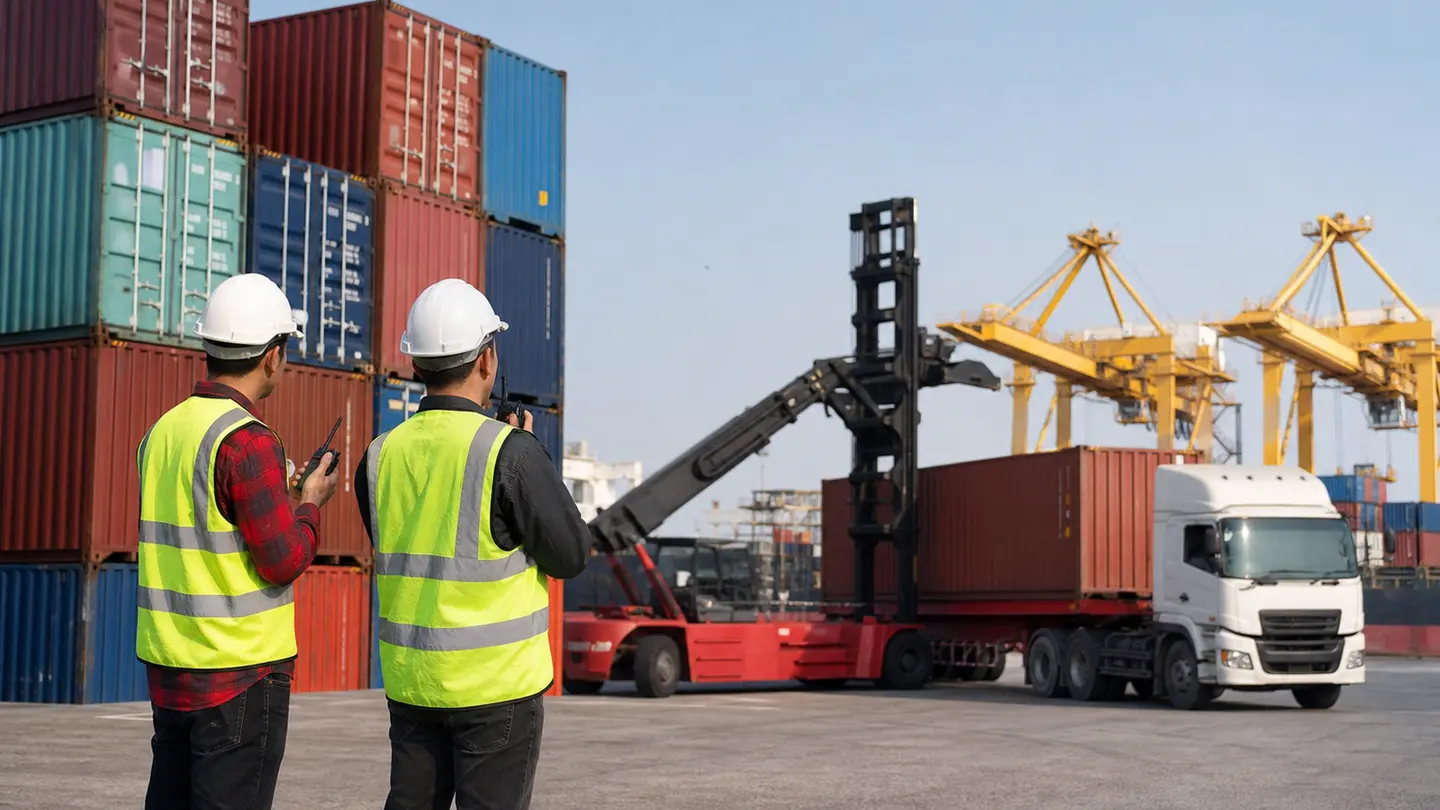
These charges may include terminal handling, infrastructure-related charges, documentation fees, container handling, import processing, customs entry preparation, delivery order fees and brokerage services. Depending on the shipment and service arrangement, there may also be container unpacking, pallet handling, storage or demurrage-related costs.
Not all destination charges are controlled by the freight forwarder. Some are set by port terminals, shipping lines, authorities or other service providers. As a result, a forwarder may offer a low ocean freight rate while destination-side costs remain substantial.
Before booking, ask for a written destination charge schedule covering the expected Australian-side fees. The schedule should distinguish between:
- Charges included in the freight quote
- Charges payable at destination
- Government or authority charges
- Customs brokerage and entry fees
- Terminal and container handling fees
- Delivery charges to the nominated warehouse
- Potential charges that arise if cargo is delayed, inspected or held
It is also useful to confirm the quotation basis. A port-to-port quote may be appropriate for an importer with its own logistics arrangements, but it is not directly comparable with a delivered-to-warehouse quote. The latter may include more services but can provide a clearer view of the actual landed cost.
For commercial shower imports, compare options on a consistent basis. If one supplier quotes FOB China and another quotes CIF Australia, convert both into the same delivered-cost model before deciding which offer is commercially stronger.
Prevent Biosecurity Costs Before Cargo Leaves the Factory
Biosecurity issues can be among the most avoidable causes of unexpected import costs. If cargo, packaging or containers require inspection, treatment or further assessment after arrival, the importer may face delays, storage charges, treatment charges and additional transport costs.
Solid timber packaging deserves particular attention. Timber pallets, timber braces, dunnage and wooden supports may need compliant treatment and marking. Heat-treated or fumigated timber can help meet applicable requirements, but the packaging must be properly prepared and marked where required.
For shower products, timber may be used to support heavy glass panels, stone-effect bases, large cartons or crated display products. Importers should not assume that the product itself is low-risk simply because it is manufactured. Packaging materials and container cleanliness can still create biosecurity exposure.
Risk-reduction options may include:
- Using correctly treated and marked solid timber packaging where timber is necessary
- Using processed wood products where suitable
- Using plastic pallets for compatible loads
- Minimising loose timber, sawdust and untreated bracing
- Keeping cartons, pallets and containers free from soil, plant material, insects and organic debris
- Confirming that packing declarations accurately describe the materials used
Plastic pallets can reduce some risks associated with solid timber packaging, although they may cost more and may not suit every load or warehouse handling system. The right choice depends on the product weight, pallet design, forklift requirements, container loading plan and the cost of potential delays.
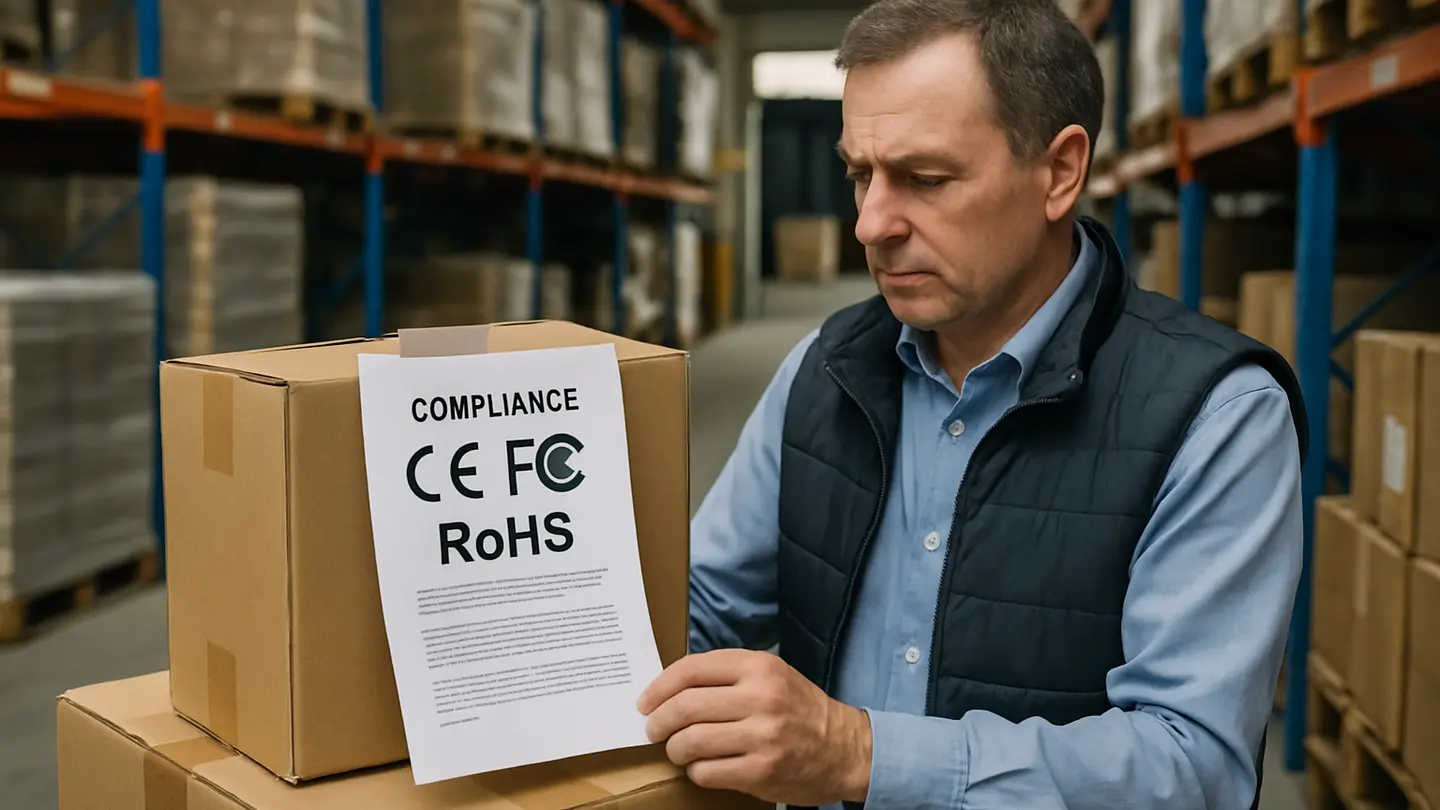
Accurate documentation is equally important. A packing declaration should match the actual materials loaded in the container. If a supplier states that no timber packaging is used but the container includes timber bracing or timber pallets, the discrepancy can create avoidable problems.
Before sealing a container, buyers should confirm the packaging specification, inspect the loading environment and verify that the final cargo condition matches the shipping documents.
Port Choice and Inland Delivery Can Change the Total Cost
The cheapest arrival port is not always the lowest-cost option once inland transport is included. Australia’s major container ports, including Sydney, Melbourne, Brisbane and Fremantle, serve different warehouse networks and regional delivery routes.
A shower importer with a warehouse near Melbourne may find that a Melbourne arrival supports simpler and lower-cost final delivery than a cheaper freight option into Sydney. Conversely, a shipment bound for Queensland may incur unnecessary transport expense if it first arrives in Melbourne.
The final warehouse or project address should guide port selection. This is especially important for regional destinations, where inland transport can become a major share of the total logistics bill.
When comparing routes, consider:
- Distance from the arrival port to the warehouse
- Whether the destination is metropolitan or regional
- Container delivery availability at the address
- Delivery time windows and unloading restrictions
- Whether the warehouse can accept a full container
- Pallet unloading, forklift access and site access requirements
- Empty container return arrangements
- The risk of extra handling if cargo must be unpacked near the port
For bulky shower products, multiple handling stages can increase not only cost but also breakage risk. Glass shower panels, framed enclosures and large bathroom fixtures may require careful unloading and storage. A route that reduces transfers between terminals, unpacking facilities and local carriers may provide better overall value even if the ocean freight is slightly higher.
Ask forwarders for delivery pricing to the actual warehouse, showroom distribution centre or project site. A generic city-based delivery estimate may not reflect regional access, unloading conditions or local transport surcharges.
Practical Ways to Lower China-to-Australia Shipping Costs
The most reliable ways to reduce China to Australia shipping cost often begin before goods leave the factory. Product packaging, loading plans and shipment consolidation can influence freight, tax exposure, destination fees and delivery costs.
Optimise carton dimensions
Freight for many shipments is driven by volume rather than weight. If cartons are oversized, the business may pay to transport unused air. Review carton dimensions for each shower product, including the protective materials needed for glass, aluminium profiles, trays and hardware.
Reducing carton size must not compromise product protection. The objective is to remove unnecessary void space while maintaining suitable corner protection, internal separation and stacking strength.
Improve product density
A container that carries more saleable units spreads freight and destination charges across a larger number of products. This is particularly relevant for shower accessories, hardware sets and smaller fittings, which may be combined with larger products where packaging and loading conditions permit.
For full-container shipments, increasing units per container can help avoid the cost of a second container. A second container may repeat destination charges, local delivery charges and other fixed handling costs.
Plan full-container loading carefully
A full container load can be more economical than repeated smaller shipments, but only when stock demand, cash flow and warehouse capacity support it. Buyers should balance freight savings against the cost of holding inventory.
For fragile shower products, the loading plan should also account for weight distribution and cargo protection. Heavy bases or trays should not create pressure on cartons containing glass panels. Poor loading can result in damaged goods, claims disputes and replacement freight costs that outweigh the initial savings.
Consolidate compatible supplier orders
Where practical, consolidating compatible products or orders can reduce per-shipment destination costs. One combined shipment may avoid repeating customs entry, documentation, terminal handling and local delivery fees across several smaller consignments.
However, consolidation requires coordination. Products should be compatible in terms of lead time, packaging, container loading and documentation. A delayed supplier can hold up the entire shipment, so the operational benefit should be assessed against the risk of delayed inventory.
Measure freight cost per unit
A useful procurement metric is freight cost per unit, not simply freight cost per container. Calculate the landed logistics cost for each product category, particularly for large, low-density items.
For example, compare:
- Freight per shower screen
- Freight per shower tray
- Freight per hardware kit
- Freight per carton or cubic metre
- Destination charges allocated per unit
- Inland delivery cost allocated per unit
This analysis can identify products with disproportionate logistics costs. It may support changes to carton design, order quantities, product assortment or warehouse replenishment strategy.
FAQ
Q1: What if I am not registered for GST?
If an importer is not registered for GST or cannot claim an input tax credit, import GST may become a permanent cost rather than a recoverable business input.
Whether GST registration is appropriate depends on the business model, turnover, sales activity and broader tax circumstances. Importers should not make a registration decision solely to reduce import costs without considering the full compliance and reporting implications. Professional tax advice is recommended for decisions involving GST registration and input tax credit eligibility.
Q2: Do I need a customs broker in Australia?
A customs broker is not legally required for every shipment, but commercial importers commonly use one to prepare customs entries, manage tariff classification and support clearance procedures.
Incorrect tariff classification can lead to delays, additional costs, duty errors or penalties. This is particularly important where product descriptions are broad or where a shipment includes multiple bathroom product categories, such as glass panels, aluminium frames, fittings and accessories.
Using a broker does not remove all government processing or import-related charges. It can, however, reduce the risk of administrative errors and improve visibility over documentation requirements.
Q3: Can I delay paying the GST until after the goods arrive?
Eligible importers may be able to account for import GST through their monthly BAS under a deferred GST arrangement. This changes the timing of the GST accounting rather than reducing the GST amount.
Where an importer can fully claim the related input tax credit, the deferred GST amount may be offset in the same BAS reporting cycle. Eligibility and reporting requirements should be confirmed with a tax adviser or relevant authority before relying on deferred GST for cash-flow planning.
Q4: Are plastic pallets worth the extra cost?
Plastic pallets can be worthwhile when they reduce the biosecurity risks associated with solid timber packaging. They may also offer consistency in dimensions and cleanliness.
However, they are not automatically the best choice for every shipment. Buyers should consider pallet purchase cost, load capacity, warehouse compatibility, product weight and the cost of possible biosecurity treatment, storage or shipping delays. For heavy shower trays, glass enclosures or mixed loads, the pallet must remain suitable for safe handling throughout the supply chain.
Conclusion: Manage Costs Before the Container Is Sealed
A reliable China to Australia shipping cost estimate should include more than the ocean freight rate. Tax status, customs brokerage, destination charges, port selection and final delivery location all influence the final landed import bill.
Many cost drivers can be managed at the factory. Carton dimensions, pallet selection, timber packaging, container cleanliness, cargo loading and document accuracy are all within the sourcing and quality-control process.
Before a container is sealed, check whether solid timber packaging is correctly treated and marked, confirm that the load is clean and free from contamination risks, and ensure the packing declaration reflects the actual materials used. Review carton dimensions and loading efficiency without reducing protection for fragile shower components.
A pre-shipment inspection can help identify avoidable packing, loading and biosecurity issues before the cargo begins its journey. That preparation can be more valuable than a small reduction in the initial freight quote.
About the Author
The author writes about international sourcing, B2B procurement and import logistics, with a focus on practical cost control for businesses purchasing manufactured products across borders. The content is intended to help commercial buyers assess landed-cost risks, packaging decisions and supply-chain trade-offs before goods are shipped.