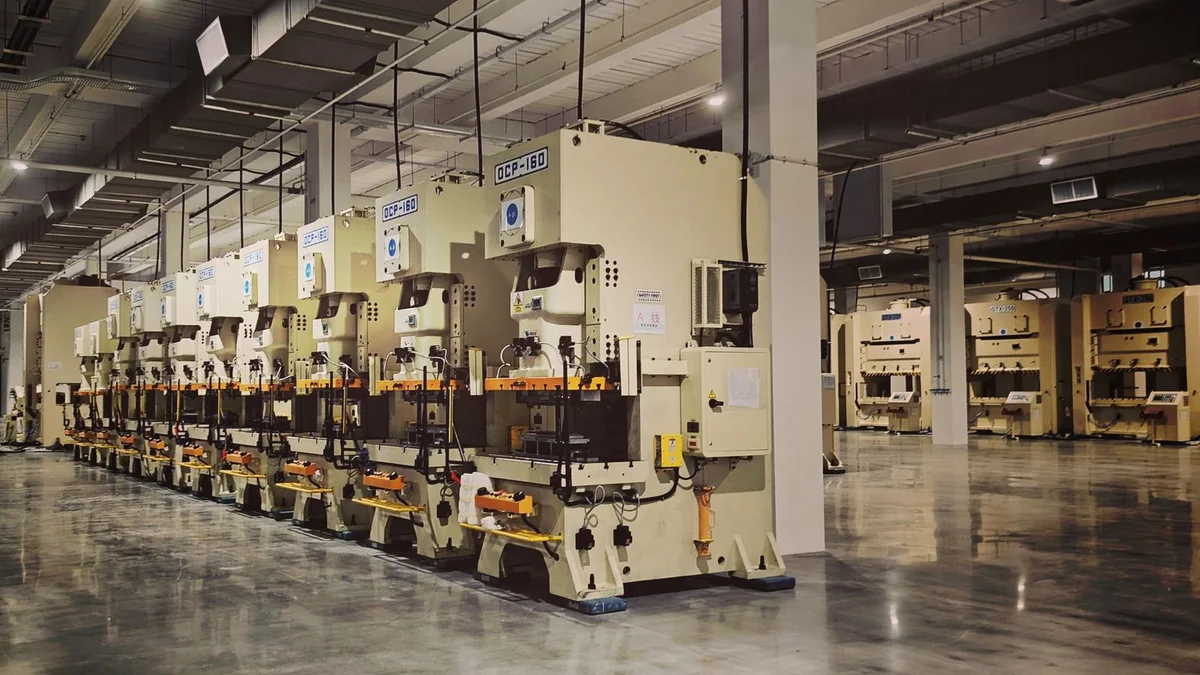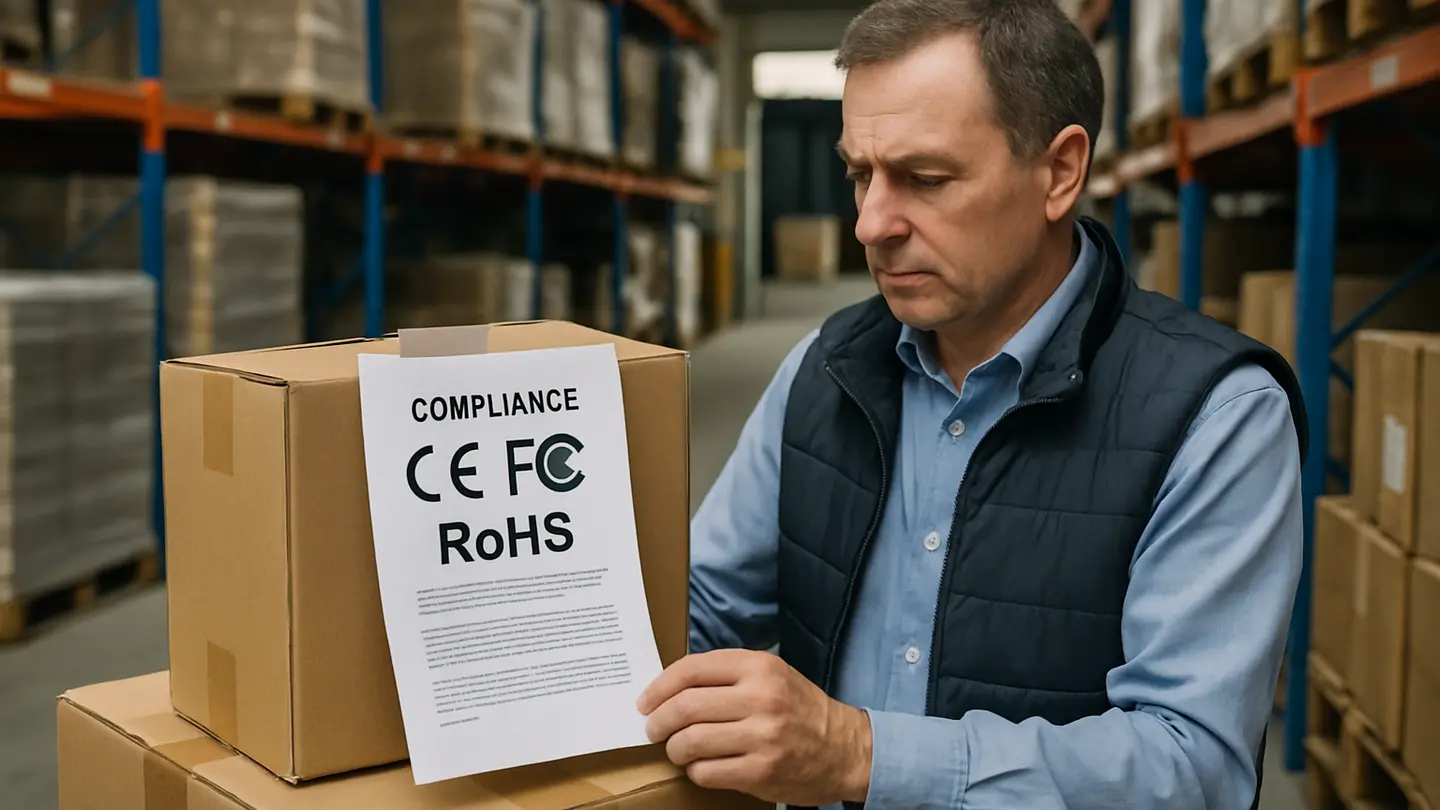
For B2B importers, China inspection cost is best treated as risk control, not just another sourcing fee. A pre-shipment inspection, during-production check, or loading supervision visit helps buyers decide whether goods are acceptable before they leave the factory. Once defective products are packed, paid for, exported, and delivered overseas, the cost of solving the problem can rise sharply.
Most product inspections in China are priced by man-day. A normal inspection day in major Guangdong cities may start around US$300, depending on the inspection company, product category, location, reporting requirements, and booking conditions. That baseline usually assumes one inspector, one factory, one product line, and standard working hours.
The headline price is only part of the decision. A US$250 inspection with fewer samples, weaker checks, or limited reporting may be worse value than a US$320 inspection with a clear checklist and reliable report. The real question is not only “How much does inspection cost?” but “What could this shipment cost if it arrives unsellable?”
How Product Inspection Pricing in China Is Usually Calculated
Image source: Aqiservice
A **man-day** usually means one inspector working for one standard inspection day. That day may include confirming carton quantities, selecting samples, checking workmanship, measuring dimensions, performing basic function tests, verifying labels and barcodes, photographing defects, reviewing packing, and preparing a written report.For a simple product with one SKU and good factory preparation, one man-day may be enough. For a complex order, the same day rate may cover only part of the work. If goods are stored across several floors, cartons are not ready, or samples must be pulled from different batches, time can be lost before detailed checking begins.
Total China inspection cost depends on two variables:
| Cost element | What it means for buyers |
|---|---|
| Day rate | The price per inspector per day |
| Number of man-days | The time required to complete the inspection scope properly |
A low day rate does not automatically mean a low total cost. If the work requires two inspectors or two days, the final invoice increases. Conversely, a higher day rate may be reasonable if it includes local travel, a strong report, relevant product expertise, and enough time to inspect properly.
For shower products, bathroom fittings, sanitaryware accessories, or assembled components, the man-day estimate should reflect the real checks involved: chrome finish, seals, threads, accessories, packaging, markings, and assembly fit.
What Should Be Included in an Inspection Quote
Before accepting an “all-inclusive” inspection quote, buyers should request a written scope. A clear quote prevents disputes and makes providers easier to compare.
At minimum, the quote should state:
- Factory location and whether local travel is included
- Number of planned man-days
- Standard working hours covered by the fee
- Product line or SKU coverage
- Sample size or sampling standard
- Inspection checklist or main checkpoints
- Report format and delivery timing
- Photo requirements
- Whether same-day reporting is included
- Extra charges for remote locations, hotels, overtime, or urgent booking
- Charges for special tests, special equipment, or custom checklists
Timing also matters. Some companies provide a same-day summary followed by a full report later. Others send the full report after internal review. Buyers should know when they will receive enough information to make a shipment decision.
The quote should also explain what happens if the inspection fails. Will re-inspection be charged separately after rework? Is supplier follow-up included? Is there a reduced rate for checking corrected defects only? These points affect the real inspection budget, especially with a new supplier.
Factors That Can Increase China Inspection Cost
Several factors can push China inspection cost above the basic one-day estimate.
Product complexity is a major driver. Simple molded parts or basic packaging checks may be completed quickly. Products involving assemblies, electrical components, precise measurements, moving parts, seals, finishes, or multiple accessories take longer. Electronics, smart bathroom devices, LED mirrors, pumps, thermostatic valves, and sensor-based products may require function tests or inspector expertise beyond a standard visual check.
The number of cartons and SKUs can matter more than order value. A US$15,000 order with 30 SKUs may take longer to inspect than a US$50,000 order with one SKU. Each SKU may require separate sampling, label checks, carton markings, dimensional checks, and defect recording.
Sample size is another cost factor. Many inspections use AQL sampling, where the number of checked units depends on lot size and inspection level. AQL settings also define accept and reject limits for critical, major, and minor defects. Stricter requirements can increase inspection time.
Common cost-increasing factors include:
- Multiple product models or colors
- Large carton quantities spread across the warehouse
- Mixed finished and unfinished goods
- Required barcode scans or serial number checks
- Detailed measurement requirements
- Functional tests on many samples
- Assembly checks requiring tools
- Special packaging verification
- Factory location far from the inspector’s base city
- Weekend, holiday, or urgent inspection requests
To avoid misunderstandings, every quote should state the assumed sample size. If the buyer later expands the checklist, adds SKUs, or requests extra testing, the provider may need to revise the fee.
What a Typical China Inspection Quote May Look Like
A typical city-based quote may include one man-day, local travel within a defined area, inspection at one factory, and a photo report delivered the same day or next working day. In major manufacturing areas such as Guangdong, a standard day may start around US$300, though pricing varies by provider, product type, urgency, and scope.
A simple example might look like this:
| Quote item | Typical inclusion |
|---|---|
| Fee | One inspector for one standard working day |
| Location | One factory within a covered city or nearby area |
| Product scope | One product line or limited number of SKUs |
| Sampling | AQL-based sample size stated in advance |
| Checks | Workmanship, quantity, packing, labeling, measurements, basic function |
| Reporting | Photos and written report after inspection |
| Extras | Remote travel, hotel, overtime, rush booking, special tests |
Remote factories can add transport, lodging, or extra man-days. If the inspector must travel several hours each way, the provider may charge expenses or count travel time separately. A remote inspection that appears to involve one day of checking may require two calendar days.
Multiple SKUs can also change the quote. If one inspector cannot complete the required sampling and checks within normal hours, the provider may recommend another man-day or a second inspector. Buyers should not automatically reject this. If the sample size is too large for one person to inspect carefully, forcing the work into one day weakens the report.
Very low quotes deserve review. They may reflect a shorter visit, fewer samples, limited reporting, no travel coverage, or a narrow checklist. For fair comparison, ask each provider to quote on the same assumptions: location, sample size, working hours, testing scope, report timing, and extra charges.
How Much Inspection Adds to Each Unit
Inspection cost often looks more reasonable when calculated per unit.
Assume a buyer places a US$20,000 order for 5,000 units and pays US$300 for a pre-shipment inspection. The inspection adds:
US$300 ÷ 5,000 units = US$0.06 per unit
If the buyer books a second inspection after rework, the cost doubles:
US$600 ÷ 5,000 units = US$0.12 per unit
For many commercial orders, this is small compared with the cost of defective goods: returns, replacement shipments, air freight, customer complaints, chargebacks, delayed launches, lost sales, and marketplace ranking damage.
The calculation changes for very small trial orders. If a buyer places a US$800 sample production run and pays US$300 for inspection, the inspection is a large percentage of goods value. That does not automatically mean inspection is unnecessary, but the buyer may choose a lighter control method, such as a factory QC report, video evidence, limited third-party check, or inspection at a consolidation warehouse.
The key is to compare inspection spending with the downside of failure. A small order for internal testing may not justify a full inspection. A small order for a critical launch might.
Which Orders Are Worth Inspecting
Inspections are most valuable when shipment failure would create serious losses. Buyers should prioritize orders where defects would be expensive, difficult to correct, or damaging to customer trust.
Strong candidates for inspection include:
- First orders with a new supplier
- Orders from factories with inconsistent past performance
- Products with safety, compliance, or certification requirements
- New product launches
- Marketplace inventory where negative reviews affect ranking
- Goods with visible finish requirements
- Products with many components or accessories
- Orders with tight delivery windows
- Shipments where final payment is due before release
- Products that are costly to return or repair overseas
A failed inspection can protect the buyer before final payment or shipment. If defects are found while goods are still at the factory, the buyer has more leverage to request sorting, rework, replacement, discount negotiation, or shipment delay. Once the container has departed, the options are more limited and expensive.
Repeat low-risk orders from proven factories may not always need the same inspection level. A buyer may move from full pre-shipment inspections to periodic audits, random checks, during-production monitoring, or supplier self-reporting supported by occasional third-party verification.
Inspection spending should match order risk. The goal is not to inspect everything at maximum intensity, but to apply the right oversight where it protects the business most.
How to Control Inspection Spending Without Reducing Oversight
Reducing inspection cost does not have to mean reducing control. Better timing and clearer preparation often help buyers spend less while improving results.
An initial production check can verify materials, components, colors, molds, labels, and production setup before mass production is far advanced. This is useful when the product is new, the supplier is new, or the order includes custom specifications.
A during-production inspection helps detect quality drift before most goods are completed. If 20% to 50% of production is finished, the inspector can check actual output and identify problems early enough for the factory to adjust. This may be more useful than waiting until everything is packed and defects are repeated across the full lot.
A pre-shipment inspection remains the standard control point for many buyers. It confirms finished goods quality, packing, quantity, and labeling before shipment approval.
A container loading check focuses on quantities, cartons, container condition, loading sequence, and shipping marks before the doors close. It does not replace product inspection, but it can prevent shipment errors, missing cartons, wet containers, damaged packaging, or loading mix-ups.
Buyers can also make inspections more efficient by preparing clear documents:
- Approved sample photos
- Technical drawings or specification sheets
- Critical dimensions and tolerances
- Packaging artwork
- Carton marking requirements
- Barcode and label files
- List of critical, major, and minor defects
- Function test instructions
- Order quantity by SKU
- Special customer requirements
A vague inspection brief wastes time and can produce a weak report. If the inspector does not know which defects are commercially unacceptable, the result may not support a confident shipping decision.
Consistent defect definitions also reduce disputes with suppliers. When both buyer and factory know the acceptance criteria before inspection, corrective action is easier to discuss.
FAQ
Q1: Can the factory’s own QC report replace an inspection?
A factory QC report can be useful for low-risk orders, especially when the supplier is proven and the product is simple. It may provide photos, measurements, packing confirmation, and internal test results.
However, it is not the same as an independent inspection decision. The factory has a commercial interest in shipping the order, so its report may not carry the same weight in a dispute. For high-risk orders, first orders, or products with strict customer requirements, an independent inspection gives the buyer a more neutral basis for approval or rejection.
Q2: How many man-days does my order need?
The number of man-days depends on cartons, SKUs, sample size, product complexity, and required function tests. Order value alone does not determine inspection time. A high-value order with one SKU may be quicker to inspect than a lower-value order with many variations.
A proper quote should state both the planned man-days and the sample size. If the provider only gives a day rate without explaining inspection assumptions, ask for clarification before booking.
Q3: Do I get a better rate if I book several inspections a month?
Regular monthly bookings may qualify for better pricing, especially if inspections are in common manufacturing regions and follow a standard reporting format. Buyers with predictable volume can often negotiate better terms than those booking one urgent inspection at a time.
Any volume discount should be confirmed in writing with the same inspection scope. A lower rate is not useful if it reduces sample size, shortens the visit, removes key checkpoints, or delays reporting.
Q4: Are product testing fees included in the price?
Basic function checks are often included in standard inspections when they can be performed at the factory using available equipment. Examples may include simple assembly checks, visual performance checks, barcode scans, or basic operation confirmation.
Laboratory testing is usually billed separately. Destructive tests, chemical analysis, certification-related testing, endurance tests, water pressure tests, or checks requiring special equipment may also create extra fees. Buyers should list testing requirements before requesting a quote so the provider can price the work accurately.
Conclusion: Treat Inspection Cost as Risk Management
China inspection cost should be evaluated against the cost of receiving goods that cannot be sold, installed, assembled, or accepted by customers. A good inspection helps buyers confirm whether manufactured goods match specifications before shipment approval.
When comparing quotes, look beyond the day rate. Review man-days, sample size, factory location, product coverage, report detail, testing scope, and procedures after a failed result. The cheapest quote may not be the best value if it leaves important risks unchecked.
Focus inspection spending on orders with serious downside risk: new suppliers, complex products, strict finish requirements, compliance-sensitive goods, marketplace launches, and shipments where defects would be costly to correct overseas.
Consistent standards also matter. Clear checklists, stable AQL settings, approved samples, and defined defect categories make reports easier to compare and act on. That consistency turns inspection from a one-time expense into a practical quality management tool.