China Order Management Service: Tracking Production Through Shipment Readiness
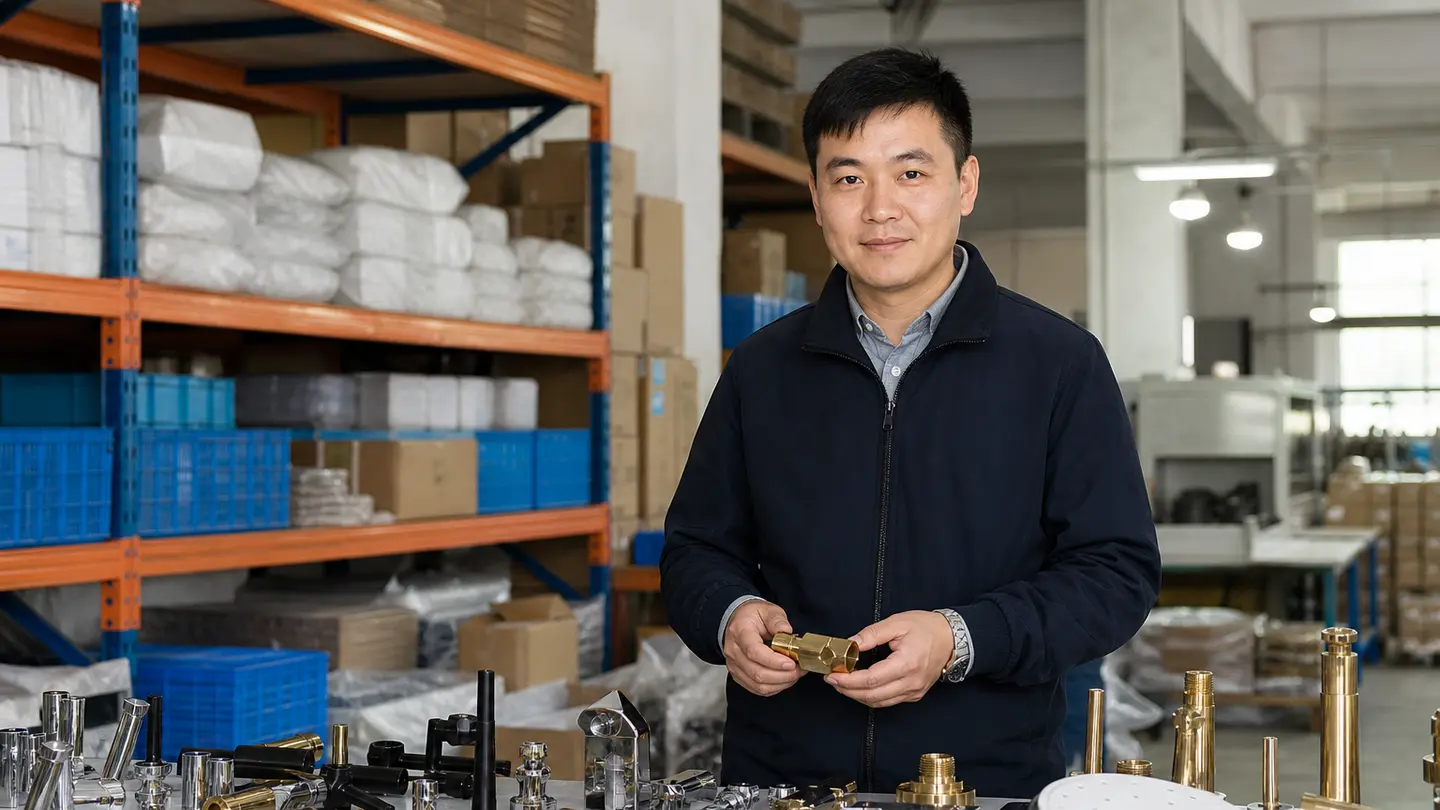
A China order management service provides structured follow-up after a purchase order has been confirmed and before goods are handed over for shipment. For shower manufacturers, importers, distributors, and project buyers, this period can include material preparation, component production, assembly, packaging, labeling, quantity completion, and coordination with inspection or logistics partners.
The purpose is not simply to ask a factory whether an order is “on schedule.” Effective order management compares actual progress with the agreed production plan and delivery date. It creates a regular communication process so that the buyer can see whether key milestones are being met and whether any issue requires a decision.
This is particularly relevant for shower products, where a finished order may depend on multiple materials and components. For example, tempered glass panels, aluminum profiles, hinges, rollers, seals, trays, hardware, cartons, instruction manuals, and retail labels may all need to be available before final packing can proceed. A delay in one item can affect the entire shipment.
Regular factory updates give buyers earlier visibility into schedule drift, component shortages, production changes, or factory reprioritization. When an issue is reported early, there may still be time to clarify specifications, revise a production sequence, arrange an inspection date, or adjust logistics planning. When it is discovered only near the shipping deadline, the available options are usually more limited.
Common Points of Failure in China Production Orders
Production delays do not always result from one major problem. More often, they develop through smaller disruptions that are not identified or communicated early enough.
Material preparation is a common starting point. A factory may be waiting for glass, metal profiles, hardware, packaging materials, or custom components from its own suppliers. In some cases, a factory may propose a substitute material or component because the originally specified item is unavailable. Buyers should not assume that a substitution is acceptable simply because it appears similar. A different handle finish, glass thickness, seal material, carton grade, or fitting design may affect appearance, compatibility, product performance, or customer expectations.
Tooling and production setup can also cause setbacks. New shower enclosure designs, custom drilling patterns, branded packaging, or revised hardware configurations may require extra preparation before full output begins. The first production run may reveal deviations from approved samples, drawings, or packaging artwork. If these deviations are addressed only after a large quantity has been made, corrections may be more difficult and costly.
Mid-production reprioritization is another risk. A factory may have several customer orders moving through the same workshop, assembly line, or packing area. If capacity becomes constrained, the factory may allocate labor or equipment to another order. Without scheduled follow-up, a buyer may receive only general assurances while actual output remains behind plan.
Late-stage issues are equally important. Products can be substantially complete while shipment readiness is still delayed by:
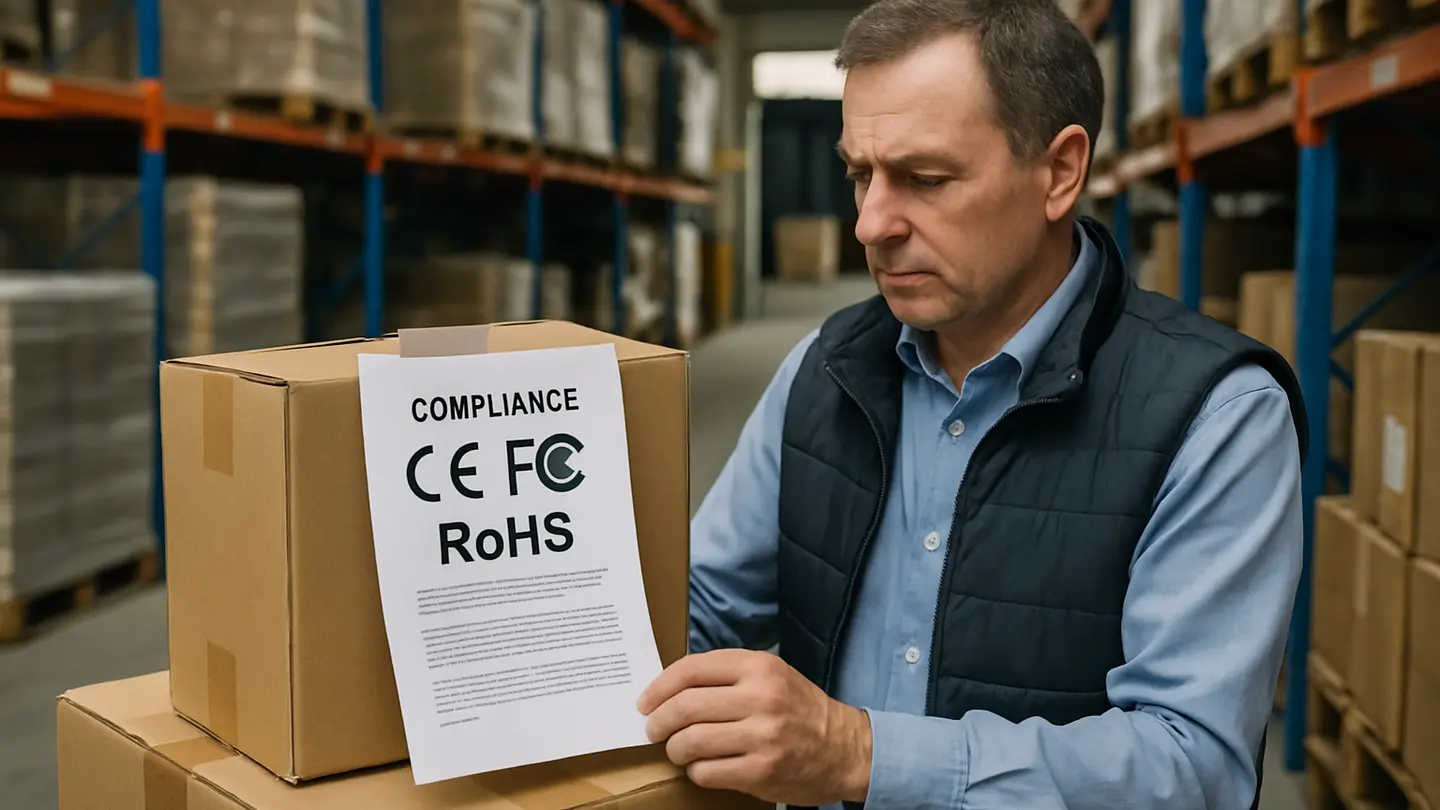
- Missing or incorrect labels, manuals, barcode stickers, or shipping marks
- Incomplete packaging materials or unapproved carton artwork
- Quantity shortfalls caused by rejects, breakage, or missing components
- Incorrect inner-box or master-carton packing configurations
- Products awaiting final assembly, cleaning, or packing
- A mismatch between finished quantities and the booking requirements of the freight forwarder
Stage-by-stage monitoring does not eliminate these risks, but it gives the buyer more time to intervene. If a packaging issue is found before the final week of production, it may be possible to correct the artwork or obtain replacement materials without moving the shipment date. If the issue is found only when the forwarder is ready to collect the cargo, the buyer may face missed vessel bookings, delayed inventory, or costly changes to distribution plans.
What a China Order Management Service Includes
A China order management service generally focuses on production follow-up, schedule visibility, and communication between the buyer and supplier. The exact scope should be agreed before production starts, especially for orders involving custom shower systems, multiple SKUs, or several suppliers.
A typical service may include the following activities:
- Reviewing the confirmed purchase order, delivery date, product specifications, packaging requirements, labels, and key milestones
- Following up with the supplier on production status against the agreed timeline
- Checking the planned availability of critical materials, components, or packaging items when relevant
- Communicating buyer questions about specifications, colors, finishes, packaging, manuals, marks, and production details
- Identifying reported delays, shortages, or changes that may affect the confirmed delivery date
- Confirming completion status and reported finished quantities before shipment
- Preparing shipment-readiness information for the buyer, inspector, or freight forwarder
For shower products, the order record should be specific enough to prevent confusion between similar items. It may need to distinguish between glass dimensions, frame colors, hardware finishes, opening directions, tray configurations, packaging versions, and destination-market labels. If multiple models share the same production line, clear references to the relevant purchase order and item number help reduce the risk of mixing components or applying the wrong packing instructions.
The service should also establish who is authorized to approve changes. A supplier may raise questions during manufacturing, such as whether a specified component can be replaced, whether a packaging detail should be revised, or whether partial shipment is acceptable. A production follow-up process can bring those questions to the buyer promptly, but the buyer should define in advance which changes require written approval.
Before the shipment handoff, the service should confirm whether goods are reportedly complete, whether the order quantity has been achieved, and whether the cargo is ready for inspection or collection. This information helps inspection teams plan their visit and helps forwarders assess booking, collection, and container-loading arrangements.
What Buyers Should Receive From Production Monitoring
The value of production monitoring depends on the quality and usefulness of the information provided. A buyer should receive updates in a shared working language and in a format that makes it possible to compare current status with the original plan.
A practical progress update normally includes:
| Update Area | Information Buyers Should Receive |
|---|---|
| Current stage | Material preparation, component production, assembly, packing, or completed status |
| Timeline status | Whether progress is aligned with the agreed delivery schedule |
| Quantity status | Completed quantity, quantity in process, and any reported shortfall |
| Key issues | Delays, missing materials, specification questions, packaging concerns, or capacity constraints |
| Supporting evidence | Relevant production photos, factory confirmations, or quantity reports |
| Next step | The next planned checkpoint, action owner, and expected update date |
An update should not simply state that production is “normal.” Buyers need to know what has actually been completed and what remains before shipment can proceed. For example, a shower enclosure order may have glass panels produced but still be waiting for rollers, seals, or printed cartons. In that case, the goods are not yet shipment-ready even if most components are finished.
Early reporting is especially important when the factory’s planned completion date begins to differ from the purchase order date. Buyers may need to decide whether to accept a revised delivery date, request a recovery plan, coordinate a partial shipment, move an inspection appointment, or adjust warehouse and sales planning.
A completion and shipment-readiness summary should help the buyer coordinate the next operational step. It may state the reported finished quantity, packing status, carton count where available, readiness for inspection, and any known pending items. This creates a clearer handoff to a third-party inspection provider or freight forwarder.
How the Order Management Process Works
Order management should begin before the factory starts mass production. The first step is to establish a common reference point for the order so that the buyer, supplier, and follow-up team are working from the same information.
First, confirm the purchase order details. This can include product specifications, approved samples or drawings where applicable, color and finish requirements, packaging instructions, labeling, shipping marks, manuals, and the confirmed delivery timeline. For shower products, it is useful to confirm details that can easily be confused during production, such as left- or right-hand opening, glass type, frame finish, hardware color, and carton artwork.
Next, identify the critical path. This means reviewing which materials, components, tooling steps, or packaging items could determine whether production can proceed on time. A custom glass panel, a nonstandard hinge, branded cartons, or a specific tray design may have a longer lead time than standard components. Where relevant, the buyer should seek confirmation that these items have been ordered or scheduled.
During production, follow-up occurs at agreed intervals. The factory’s reported progress should be checked against the delivery milestones rather than assessed in isolation. If the order is scheduled for packing by a certain date, but assembly output is lower than expected, the potential delay should be raised before the planned completion date is missed.
When a production or specification issue appears, the priority is to clarify it while there is still time to act. The process may involve obtaining photographs, confirming the affected quantity, checking the approved requirement, and obtaining written buyer direction. A supplier should not make material substitutions or specification changes without an appropriate approval process.
Before shipment, confirm the reported completion status, quantities, and readiness for inspection or logistics coordination. If an inspection is planned, the inspection team should receive the relevant order details and expected readiness date. If a forwarder will collect the goods, the buyer should ensure that shipment information is available in time for booking and pickup planning.
Who Benefits From China Production Follow-Up
China production follow-up can benefit different buyer profiles, not only companies that are new to importing.
First-time importers may find structured follow-up useful because it establishes clearer expectations for supplier updates. New buyers may not know which manufacturing stages are most likely to affect delivery dates or which packaging and labeling details should be reconfirmed before shipment.
Time-sensitive inventory sellers also benefit from early warning. Retail replenishment, seasonal launches, promotional campaigns, and project deliveries can all be disrupted if goods arrive late. A production update does not guarantee that an order will meet its target date, but it can provide the information needed to make earlier commercial decisions.
Established importers coordinating multiple suppliers may use China-side follow-up to reduce communication gaps. For example, one buyer may be managing shower enclosures from one factory, trays from another supplier, and accessories from a third. A structured order-management process can help the buyer identify whether one delayed component could affect the planned consolidation or shipment schedule.
Buyers who do not have staff available to communicate with factories during China business hours may also benefit. The key is to define reporting expectations, escalation procedures, and approval responsibilities clearly. Follow-up is most effective when it supports the buyer’s decision-making rather than simply adding another communication layer.
Tools for Finding and Evaluating China Suppliers
Supplier selection happens before production follow-up begins. Buyers can use Made-in-China.com as a B2B sourcing platform to identify potential suppliers and build an initial shortlist for shower products, components, packaging, or related bathroom goods.
The platform’s Supplier Discovery options can help buyers explore suppliers through channels including Audited Suppliers. For buyers assessing unfamiliar suppliers, Audited Supplier information is useful because these suppliers are subject to third-party verification and on-site audit, with Audit Reports available for buyer review.
Audit Reports can support an initial comparison of suppliers before deeper due diligence. Depending on the report, buyers may review areas such as supplier background, manufacturing capacity, quality control, export trade, and R&D capability. These details can help a buyer prepare more focused questions about production capability, quality processes, relevant product experience, and order capacity.
However, audit information should be treated as one input rather than a final purchasing decision. Buyers should still compare quotations, clarify specifications, review samples where appropriate, and confirm whether the supplier can meet the required production schedule and packaging requirements. A suitable supplier on paper may still require careful order management once production begins.
What Order Management Does Not Replace
Order management is production follow-up and communication through shipment readiness. It is not full manufacturing control, and it should not be treated as a substitute for independent quality verification where product risk, order value, or buyer requirements justify inspection.
Formal in-process inspections can assess products during manufacturing, while pre-shipment inspections are intended to evaluate finished goods before dispatch. These services have a different purpose from order management. Production follow-up may identify that an order is reportedly complete, but it does not by itself confirm that every unit meets the buyer’s quality requirements.
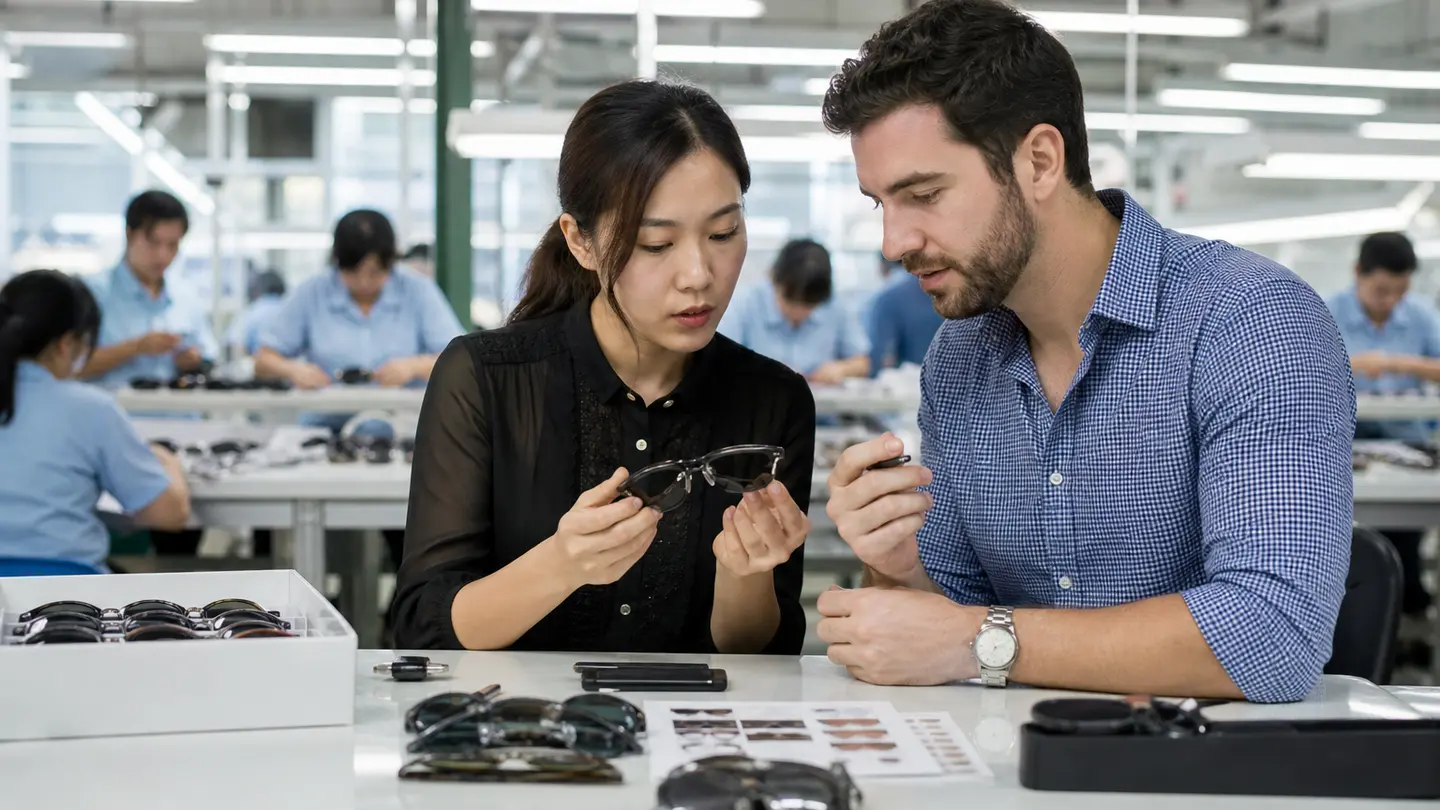
For shower products, inspection may be particularly relevant where buyers need to verify visible finishes, glass condition, hardware installation, component completeness, labeling, packing, or consistency with approved samples. The appropriate level of inspection depends on the product, order complexity, and commercial risk.
Order management also does not replace freight forwarding, customs clearance, cargo insurance, or final delivery. Freight forwarders manage transportation arrangements, while customs and import obligations depend on the destination market and shipment terms. A clear shipment-readiness handoff can support these activities, but they remain separate functions.
FAQ
Q1. How often will I receive updates?
Update frequency should match the production timeline, order complexity, and risk level. A short lead-time order, a custom shower project, or an order involving several components may require more frequent follow-up than a repeat order using established specifications.
Agree on the reporting rhythm before production starts. Each update should state the expected date of the next update, so the buyer does not have to wait without knowing when new information will be available. Additional communication may be needed if a delay, specification question, or material issue appears.
Q2. What does a production update actually include?
A useful production update should state the current production stage, such as material preparation, component manufacturing, assembly, packing, or completion. It should also report completed quantities and any relevant quantity still in process.
Supporting production photos can provide useful context, particularly when they show components, assembly, packaging, or finished cartons. The update should identify delivery-date risks, unresolved questions, and the next checkpoint. If there is a reported delay, the buyer should receive enough information to understand the cause and the possible effect on shipment readiness.
Q3. How do you track progress without being inside the factory?
Remote tracking typically relies on scheduled factory check-ins, milestone confirmations, production photos, and quantity reports compared with the agreed production timeline. The goal is to assess whether reported output and remaining work are consistent with the confirmed delivery date.
Remote follow-up has limits. If information is inconsistent, photos do not match the reported stage, or the supplier cannot explain a quantity or schedule gap, further investigation may be necessary. Depending on the order and risk level, this may include requesting additional evidence or arranging an on-site visit or inspection.
Q4. Can you visit the factory during production?
Factory visits may be arranged for complex orders, new supplier relationships, critical production stages, or situations where remote updates raise concerns. An on-site review can provide a closer view of production conditions, output status, packaging progress, and unresolved issues.
Visits are generally separate from routine remote production follow-up. Their cost and scope can vary according to the factory location, timing, travel requirements, and the type of review needed. Buyers should define the visit purpose in advance, including which products, milestones, documents, or production areas need attention.