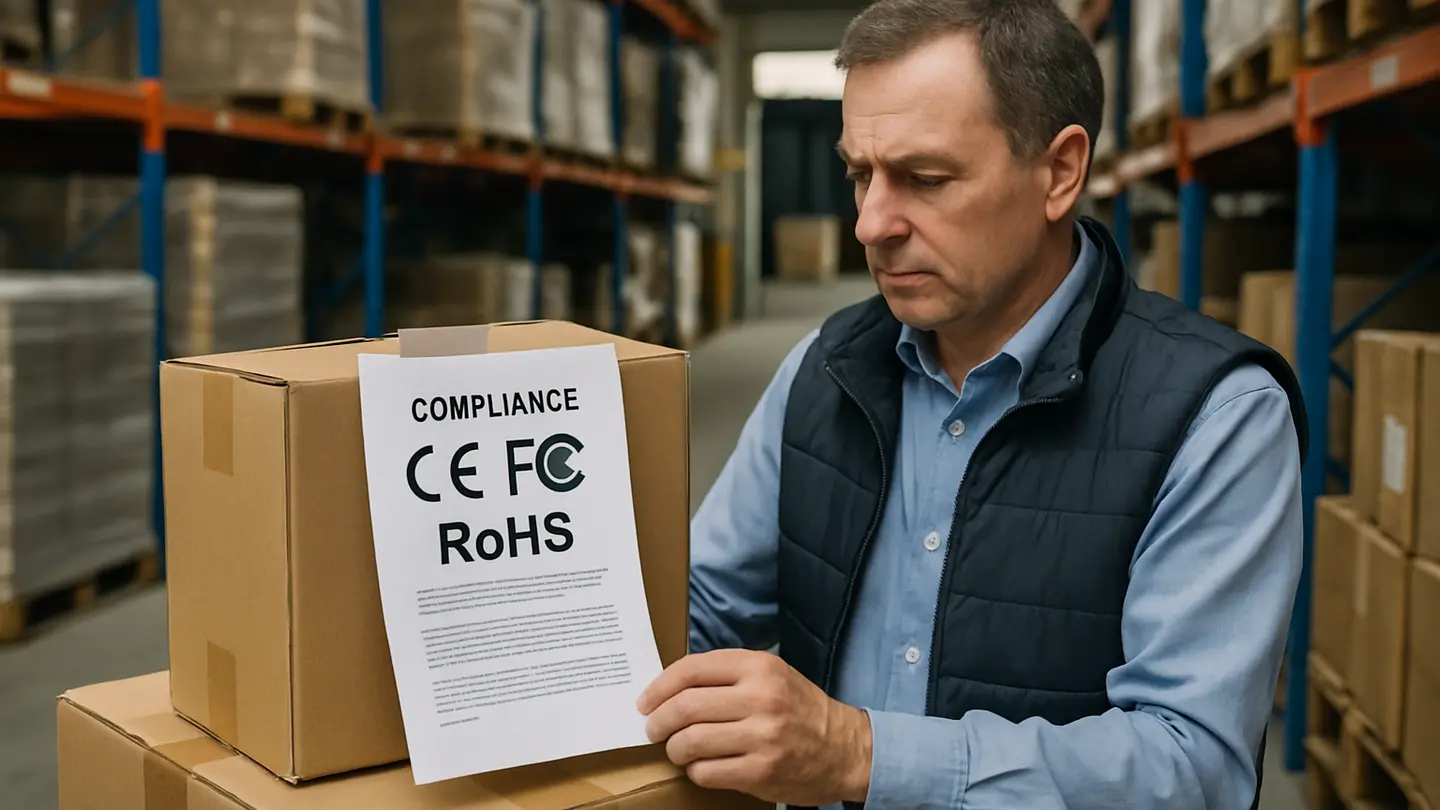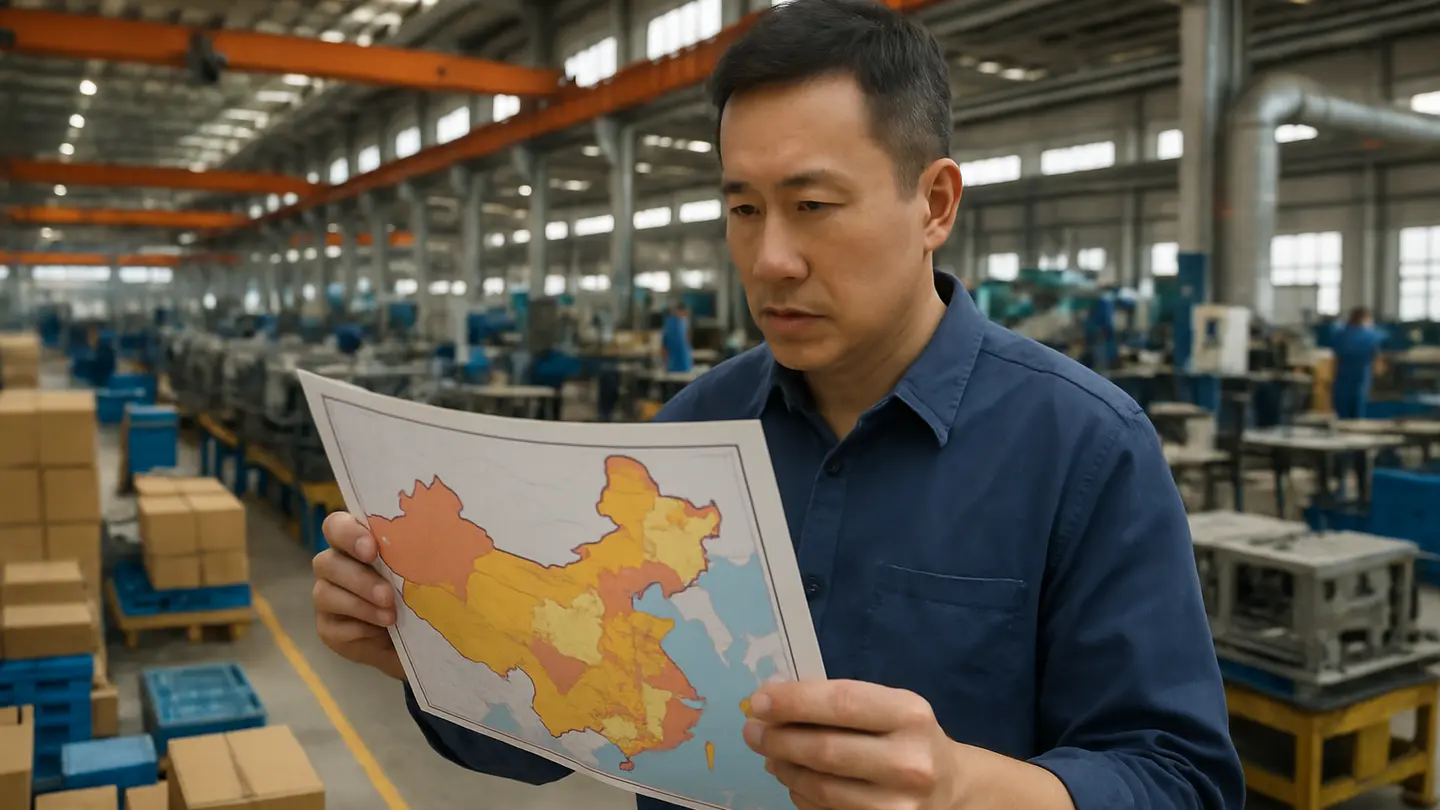
China procurement outsourcing is not a single yes-or-no decision. For most B2B buyers, the practical question is which work should be delegated and which decisions must remain under direct control.
The best split is usually clear: outsource execution-heavy work that benefits from China presence, local communication, factory visits, and close follow-up. Keep strategic, commercial, and market-specific decisions in-house. A procurement partner can help identify suppliers, verify factories, support negotiations, monitor production, coordinate inspections, and manage documentation. But the buyer should usually retain authority over product selection, specifications, quality standards, supplier approval, payment release, pricing strategy, and margin decisions.
This distinction matters because sourcing problems often happen when someone acts without enough information. A local partner may understand factory behavior and production follow-up better than an overseas buyer. The buyer understands the end market, customer expectations, compliance needs, brand positioning, and resale economics.
What Outsourcing Fees Replace and When They Make Sense
Procurement outsourcing fees should be compared with the full cost of managing China sourcing internally, not only with an employee salary or a visible commission.
Those costs may include:
| Internal cost area | How it usually appears |
|---|---|
| Staff coordination time | Long email threads, late-night calls, repeated clarification with factories |
| Delayed responses | Missed production slots, longer lead times, slower issue resolution |
| Rework | Incorrect samples, packaging changes, revised drawings, repeated approvals |
| Rush freight | Air shipments or expedited trucking used to recover lost time |
| Rejected goods | Failed inspections, customer returns, or unusable inventory |
| Write-offs | Deposits, tooling, packaging, or stock that cannot be recovered |
A buyer importing shower components, bathroom accessories, valves, enclosures, or assembled sanitary products may already have capable staff. The problem is often bandwidth. One person may be handling supplier communication, technical drawings, pricing updates, artwork approvals, inspection schedules, freight bookings, and payment timing across several factories. If no one can follow each item closely, small issues become expensive late-stage problems.
A procurement partner’s fee can make sense when it replaces repeated coordination work and reduces avoidable errors. It is especially relevant for multiple suppliers, recurring orders, product variations, private-label requirements, or quality risks that need continuous follow-up.
Pre-shipment inspection is a useful example. If inspection is an afterthought, the buyer may receive the report after shipment pressure is already high. A better arrangement links inspection results to balance payment release. The supplier knows final payment depends on goods meeting the agreed standard, and the buyer has a clear decision point before cargo leaves the factory.
The decision should be based on total cost and management time. If outsourcing reduces rework, prevents delays, improves inspection discipline, or frees internal staff for sales and product development, the fee may be justified. If the purchase is a one-off order from a stable single supplier with low technical risk, full outsourcing may add cost without enough benefit.
In general, China procurement outsourcing fits recurring orders and multi-supplier programs better than occasional single-supplier buying.
The Practical Rule for Dividing Responsibilities
A simple rule helps prevent confusion: assign tasks according to information advantage.
Tasks that require China presence, Chinese-language communication, factory visits, supplier follow-up, sample chasing, production checks, and local documentation coordination often suit a procurement partner. These activities depend on proximity and frequency. A local representative can visit a factory, clarify issues in real time, and notice inconsistencies that may be missed in email updates.
Tasks involving customer expectations, product fit, pricing strategy, channel positioning, warranty tolerance, and margin targets should remain with the buyer. These decisions depend on market knowledge. A partner in China may know which factory can produce a shower hose, brass fitting, plastic dispenser, or glass hardware set, but may not know which finish, packaging, certification, or tolerance level is acceptable for the buyer’s market.
For unclear tasks, ask: which side can act without guessing?
If the issue is whether a proposed alternative material will satisfy customer expectations or regulatory requirements, the buyer should decide. If the issue is whether the production line is running, the packaging supplier delivered cartons, or the forwarder has the correct documents, the partner is usually better placed to follow up.
Tasks That Usually Belong With the Procurement Partner
A procurement partner is often most useful where physical presence, local supplier knowledge, and process discipline improve the outcome.
Supplier search is one common area to delegate. A partner can identify candidate factories, screen out trading companies if direct manufacturing is preferred, compare production capabilities, and check experience with similar products. For shower and bathroom products, this may include factories specializing in metal machining, injection molding, surface finishing, glass processing, hose assembly, cartridges, packaging, or finished sanitary products.
In-person factory verification is another suitable task. Online profiles, product photos, and catalog claims do not always show the real production environment. A local visit can confirm relevant equipment, active production, quality control procedures, storage conditions, subcontracting practices, and export experience. The useful output is specific: what was checked, what evidence was seen, what risks remain, and what should be verified before approval.
Price negotiation can also benefit from local procurement experience. A partner may understand supplier quoting habits, cost drivers, minimum order quantities, tooling discussions, and where there is room for adjustment. However, negotiations should stay within buyer-approved targets and limits. The partner should know the buyer’s target price, acceptable range, quality requirements, delivery priorities, and non-negotiable terms before discussing concessions.
Production follow-up is one of the strongest reasons to outsource execution. Many problems are not caused by a factory refusing to perform. They arise because no one follows progress until it is too late. A partner can check whether materials have arrived, tooling is on schedule, samples are approved, packaging artwork has been confirmed, and production is likely to meet the shipment date.
Documentation coordination is also practical to delegate. Export shipments require alignment among factory, freight forwarder, customs broker, and buyer. Commercial invoices, packing lists, HS codes, certificates, test reports, carton marks, shipping instructions, and booking details must match shipment and destination requirements. A procurement partner can collect and cross-check documents, but the buyer should still review documents that affect regulatory liability or customer commitments.
Decisions the Buyer Should Keep In-House
The buyer should retain control over decisions that define the product, commercial risk, and customer promise.
Product choice belongs with the buyer. A procurement partner can suggest factory options or comparable products, but the buyer understands the target customer, sales channel, installation environment, warranty expectations, and competitive positioning. The correct finish, packaging, water-flow specification, handle design, mounting method, or accessory set depends on the market, not only factory availability.
Specifications should also be defined by the buyer. A supplier cannot reliably meet “good quality” because that phrase has no measurable meaning. The buyer should define dimensions, materials, finishes, tolerances, performance requirements, packaging standards, labeling, testing, and acceptable defect limits. Only then can a partner enforce requirements during sampling, production follow-up, and inspection.
Quality standards must be measurable before they can be managed. If a chrome-plated part may have minor surface marks, what size and location are acceptable? If packaging must survive distribution, what carton strength or drop-test expectation applies? If a shower component must match a finish sample, what color variation is allowed? These decisions affect cost and customer satisfaction, so they should come from the buyer.
Final supplier approval should remain with the buyer after reviewing the partner’s findings. The partner can recommend suppliers, summarize risks, compare quotes, and report verification results. But approval creates a commercial commitment. The buyer should decide whether the supplier’s price, capability, lead time, communication style, compliance readiness, and risk profile are acceptable.
Payment authorization should also remain in-house. The partner may coordinate inspection and provide reports, but the buyer should review results before authorizing balance payment. This is especially important when defects are found, shipment is urgent, or the supplier proposes concessions such as discounting, sorting, rework, or shipping under deviation approval.
Sample approval should be direct whenever possible. A partner can manage sample collection and shipment, but the buyer should approve the physical sample or reference standard. Occasional direct supplier contact is also useful because it preserves the commercial relationship and prevents full dependence on an intermediary.
Where Control Can Become Ambiguous
Responsibility boundaries often blur gradually. A buyer may begin by outsourcing supplier search and inspection, then ask the partner to “just handle” minor issues. Over time, the partner may start approving substitutions, accepting defect explanations, negotiating shipment changes, or deciding whether production should continue. These decisions may seem efficient, but they can quietly shift control away from the buyer.
Visibility can also decline if updates arrive only at the final report stage. By then, production may be complete, packaging printed, shipment booked, and payment pressure high. Buyers should require progress updates at defined milestones, such as sample approval, material purchase, production start, mid-production status, inspection booking, inspection completion, and shipment release.
The partner’s authority should be written down before orders begin. The buyer should define what the partner can decide independently and what requires approval. This is particularly important for:
- Material or component substitutions
- Packaging changes
- Color or finish deviations
- Defect sorting or rework plans
- Production stoppages
- Shipment delays
- Supplier requests for price increases
- Changes to payment timing
- Use of subcontractors
- Urgent decisions during inspection
Written boundaries prevent ad hoc problem-solving from becoming uncontrolled precedent. If a partner approves a substitute component once because shipment is urgent, the supplier may assume it is acceptable in future orders. If a buyer allows shipment despite defects without documenting the exception, the same defect may appear again.
A practical control document does not need to be complex. It can list key decisions, decision owner, escalation trigger, required evidence, and approval method. The important point is consistency.
How to Expand the Outsourcing Scope Safely
A buyer does not need to outsource the entire procurement function at once. A safer approach is to start where the pain is clearest.
Good starting points include categories with frequent quality disputes, suppliers that require heavy follow-up, products with multiple components, orders involving several factories, or shipments where documentation errors have caused delays. For a bathroom products importer, that might mean private-label accessory sets, assembled shower kits, or multi-supplier consolidation orders rather than a simple repeat purchase from a long-established supplier.
The first outsourced categories should create before-and-after evidence. Buyers should compare measurable indicators such as:
- Internal staff hours spent on coordination
- Number of supplier follow-up cycles
- Sample approval time
- Production delays
- Inspection pass rate
- Defect types and frequency
- Rework cost
- Freight changes caused by late production
- Documentation errors
- Management time required after delegation
This evidence helps separate actual improvement from the feeling of reduced workload. Outsourcing may feel easier because fewer emails reach the buyer, but the real question is whether cost, quality, timing, and visibility improved.
Expansion should normally wait until at least one complete order cycle and one successful reorder are finished. A first order tests setup, communication, and initial execution. A reorder tests whether the process can be repeated without losing discipline. Many arrangements look successful on the first order because everyone pays close attention. The more important test is whether standards hold when the order becomes routine.
Before expanding the scope, review what went well, what required intervention, where decisions were unclear, and whether the partner handled pressure appropriately. Then expand by category, supplier group, or task type rather than transferring everything at once.
FAQ
Q1: Can I outsource only inspection and freight and keep the rest?
Yes. Many buyers outsource only inspection coordination and freight support while keeping supplier contact, product decisions, pricing, and approvals in-house. This limited scope can address two major risk areas—quality verification and shipment execution—without changing the whole sourcing model.
It is also a practical way to test a partner. If inspection scheduling, reporting, and freight coordination improve visibility and reduce problems, the buyer can consider expanding the scope later.
Q2: How is the fee usually charged?
Common fee structures include percentage-based fees, monthly retainers, and project-based pricing. A percentage fee rises with order value, so buyers should understand exactly what services are included and whether the fee applies to product cost only or to other charges.
Retainers can work for recurring procurement programs, but they need clear scope and workload limits. Otherwise, both sides may disagree about how many suppliers, orders, visits, inspections, revisions, or urgent requests are included.
Project-based pricing can be useful for defined work such as supplier search, factory verification, inspection coordination, or a specific sourcing assignment.
Q3: Do outsourcing firms get better factory prices, or just add a margin?
Both models exist. Some partners may negotiate better pricing because they understand local cost drivers, supplier alternatives, and factory negotiation patterns. Others may add an undisclosed margin between the factory price and the buyer’s price.
Buyers should ask whether factory prices are visible and passed through. If the partner charges a service fee, the buyer should know what it covers. If pricing is opaque, the buyer may be paying for an information gap rather than a clearly defined procurement service.
Transparent pricing does not always mean the lowest price, but it makes cost control easier.
Q4: Can they work with the suppliers I already use, or do we start over?
Existing suppliers can often remain in place when outsourcing begins. Established relationships may be the easiest starting point because there is already price history, order history, product knowledge, and performance data.
The buyer should share specifications, approved samples, previous inspection reports, price records, packaging requirements, communication history, and known problem areas early. This helps the partner improve follow-up without disrupting a working supplier relationship unnecessarily.
Starting over only makes sense when current suppliers cannot meet requirements, refuse reasonable transparency, or create recurring quality, delivery, or communication problems.
Conclusion: Outsource Execution Without Giving Away Control
Most China procurement outsourcing problems do not come from outsourcing itself. They come from unclear responsibility boundaries. If the buyer expects the partner to “handle everything” but has not defined authority, standards, approval points, and escalation rules, both sides may make assumptions that lead to cost, quality, or delivery problems.
Task ownership should be documented before the first order. The buyer should keep decisions that affect product definition, customer expectations, pricing strategy, supplier approval, payment authorization, and margins. The partner can handle execution-heavy work that benefits from China presence, local communication, supplier follow-up, inspection coordination, and documentation control.
Delegation should not mean loss of visibility. Execution can be outsourced without handing over cost-changing, quality-defining, or market-facing decisions. Once the responsibility split is agreed, maintain it consistently across orders.
Author Background
The author writes on B2B sourcing, procurement operations, supplier coordination, and import management, with a focus on practical decision-making for buyers managing overseas manufacturing and supply chains.