China Quality Control Services: Reducing Risk From Supplier Selection to Shipment
For buyers sourcing showers, faucets, shower enclosures, valves, and related bathroom products from China, quality failures can become far more expensive after delivery than during production. A leaking mixer valve, scratched glass enclosure, mismatched finish, missing mounting hardware, or carton failure may lead to returns, replacement shipments, installation complaints, damaged distributor relationships, and lost confidence in a brand.
China quality control services help buyers identify and manage these risks before goods leave the factory. They can be used at different points in the sourcing process: before an initial payment, before committing to a major order, during production, or once goods are packed and ready for shipment.
The appropriate level of control depends on several factors:
- Order value: Larger purchase orders usually justify more extensive verification and inspection.
- Product risk: Products involving water pressure, tempered glass, electrical components, surface finishes, or installation safety generally require closer attention.
- Supplier familiarity: A long-term supplier with a consistent record may require fewer controls than a newly selected factory.
- Customization level: Private-label packaging, custom colors, non-standard dimensions, and new product tooling add potential failure points.
- Cost of failure: Consider not only the unit value, but also freight, replacement costs, retailer penalties, online reviews, and installer labor.
Quality control is not a single activity. A supplier may be legitimate but lack the right manufacturing capability. A factory may have suitable equipment but produce a batch that differs from the approved sample. Using the right checks at the right stage gives buyers more information before a quality problem becomes inventory in a warehouse or a complaint from an end customer.
Four Core Quality Control Services for China Sourcing
The following services address different risks along the supplier selection and production timeline.
| Service | Typical Timing | Main Purpose |
|---|---|---|
| Supplier verification | Before payment or major commitment | Confirm that the supplier appears legitimate and identify basic risk signals |
| Factory audit | Before placing a large, customized, or long-term order | Assess actual production capability, operating conditions, and quality systems |
| In-production monitoring | During manufacturing | Identify defects, material changes, and process problems before the batch is complete |
| Pre-shipment inspection | When production is substantially complete and goods are packed or nearly packed | Check finished goods against agreed requirements before shipment release |
Supplier verification is generally the earliest control. It helps buyers assess the company behind a quotation before sending deposits or relying on its claims.
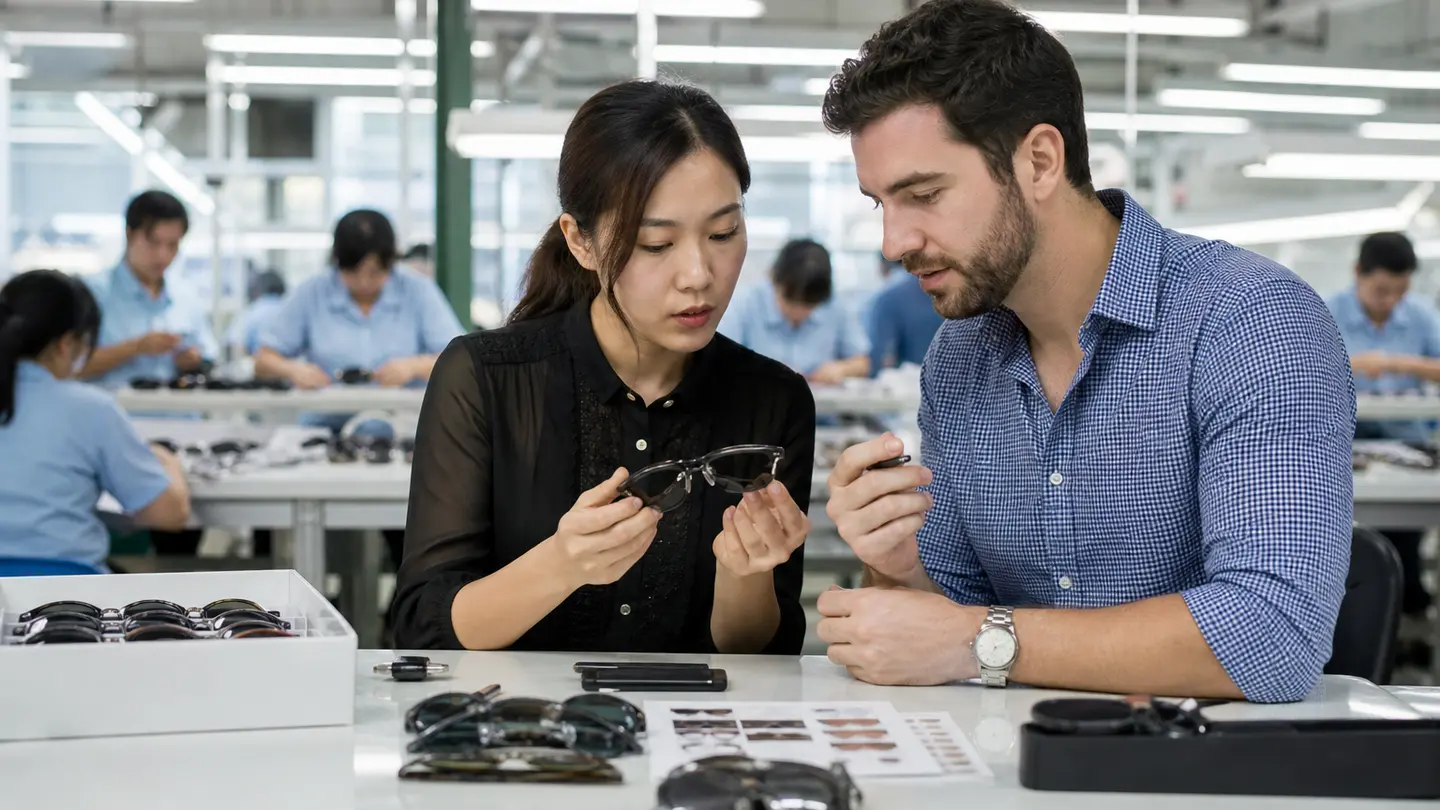
Factory audits go further by reviewing the supplier’s actual operating location, production equipment, manufacturing lines, workforce, and quality-management practices. They are particularly relevant when a buyer is considering a high-value order, customized shower products, or an ongoing supply relationship.
In-production monitoring takes place while goods are being made. It may reveal issues such as incorrect materials, inconsistent component dimensions, surface defects, workmanship problems, or deviation from the approved production standard while corrective action is still possible.
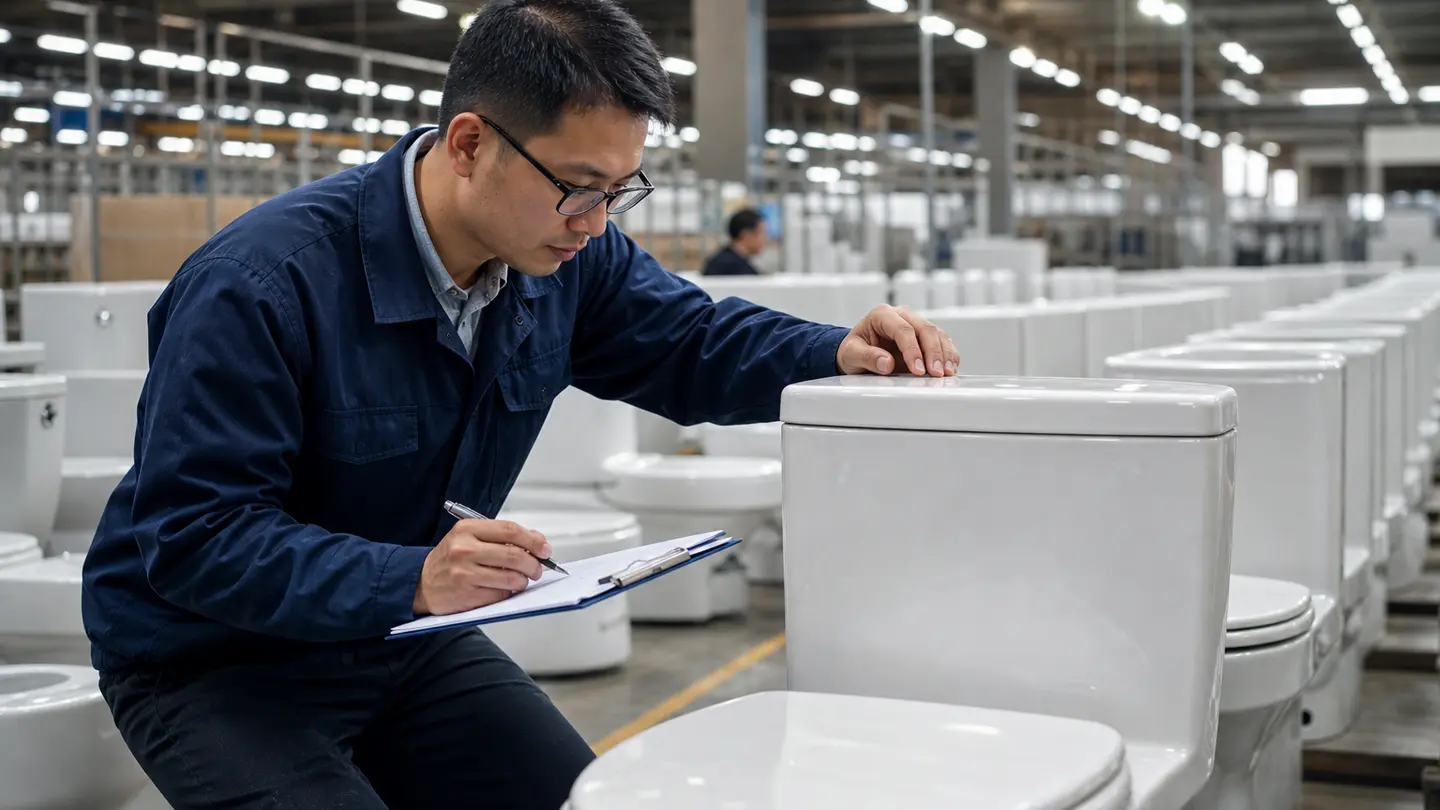
Pre-shipment inspection is a final review before the goods are released for shipment. It focuses on whether completed products, quantities, packaging, labeling, and visible quality match the approved sample and purchase requirements.
These services can be used independently. However, they are often more effective when combined in a sequence that reflects the buyer’s financial exposure and product risk.
What Supplier Verification, Audits and Inspections Actually Check
A supplier verification review may assess basic company information before a buyer sends money or confirms an order. Depending on the available records and service scope, this can include business registration details, legal status, export history, stated business activities, and potential warning signs.
For example, a buyer sourcing thermostatic shower systems may want to confirm whether a supplier appears to operate as a manufacturer, trading company, or a combination of both. Neither model is automatically unsuitable, but the distinction can affect communication, control over production, access to technical information, and the ability to resolve quality issues.
A public supplier profile can be useful for initial supplier discovery, but it should not be the only due-diligence step. Marketplace information may help a buyer compare product ranges, response quality, and stated capabilities, yet it does not replace verification of the specific legal entity, operating location, production arrangements, or order requirements. This is especially important where a supplier offers a broad range of unrelated products or where the buyer is making a substantial advance payment.
A factory audit examines whether the supplier’s physical operation is consistent with its stated capabilities. An audit can assess areas such as:
- Actual factory location and operating status
- Production equipment and machinery
- Assembly, machining, polishing, coating, or packaging lines
- Workforce size and organization
- Incoming-material controls
- In-process and final quality procedures
- Warehousing and traceability practices
- Capacity relative to the proposed order
- Product development or engineering resources where relevant
For shower manufacturers, the audit scope should reflect the product category. A buyer of stainless-steel shower columns may need confidence in cutting, welding, polishing, pressure-related assembly, and finish consistency. A buyer of shower enclosures may be concerned with glass handling, frame cutting, hardware assembly, protective packaging, and the supplier’s ability to control dimensions across multiple sizes. The purpose is not simply to determine whether a factory looks professional; it is to assess whether its processes are suitable for the buyer’s product and order requirements.
In-production monitoring is particularly valuable when the order includes a new design, a custom finish, several component suppliers, or technically sensitive products. Checking goods during production can reveal whether the factory is following the approved bill of materials and specifications.
Common risks include material substitutions, specification drift, incomplete assemblies, inconsistent plating or painting, incorrect logo placement, weak packaging, or workmanship defects. For bathroom products, buyers may also need to watch for inconsistent hose fittings, incorrect cartridge models, loose handles, sharp edges, finish damage, poor alignment, or mixed hardware sets.
Discovering these issues during manufacturing gives the supplier a chance to correct the process before the full batch is completed. By contrast, a defect found only after all products are packed may require sorting, rework, replacement components, or a delayed shipment.
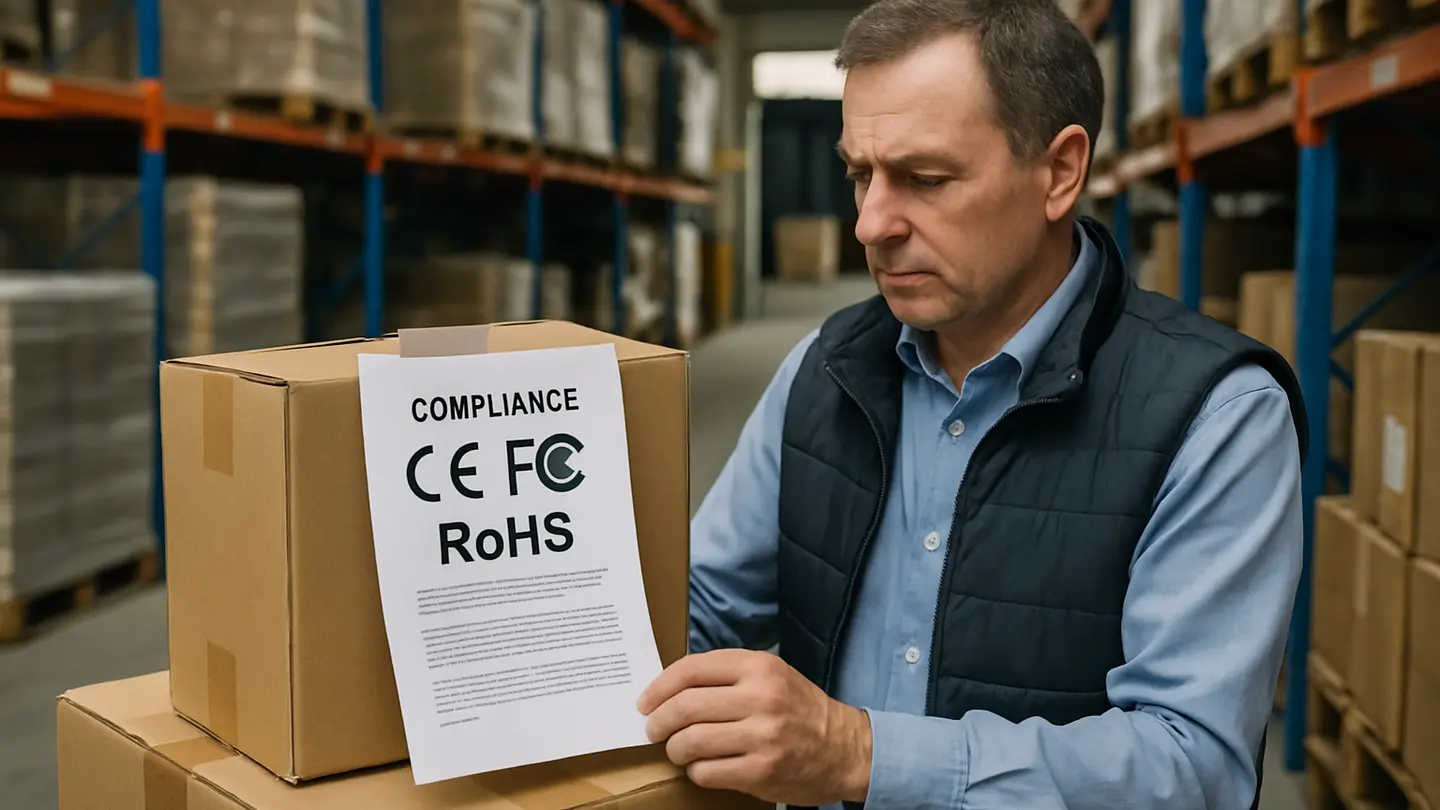
A pre-shipment inspection reviews finished goods before shipment release. The inspection should compare the production batch against the buyer’s approved sample, purchase order, product specification, packaging requirements, and other agreed criteria.
Typical checks may include:
- Product model, color, finish, and configuration
- Quantity and assortment by SKU
- Workmanship and visible defects
- Dimensions, where applicable
- Component completeness and accessories
- Functional operation or basic assembly checks where relevant
- Logo, labeling, barcodes, manuals, and carton markings
- Inner and outer packaging condition
- Carton counts and shipment readiness
For example, an inspection of rain shower sets may compare the finished products with the approved configuration: showerhead type, hand-shower style, rail length, hose, brackets, finish, accessories, instruction leaflet, and retail carton. An inspection of shower doors may focus on frame finish, glass condition, hardware completeness, dimensions, protection at corners and edges, and packaging intended to reduce transport damage.
Inspection criteria should be defined before production is complete. A supplier cannot reliably meet a requirement that was never clearly documented. Buyers should provide approved samples, drawings, color references, packaging artwork, component lists, and measurable acceptance points whenever possible.
How to Combine Quality Control Services for Different Orders
The most practical quality-control plan follows the sourcing timeline: verify first, assess capability before major commitments, monitor production when risk is high, and inspect finished goods before release.
For a first order with an unfamiliar supplier, supplier verification is often a sensible starting point before a substantial deposit is paid. If the product is customized, technically complex, or high value, a factory audit may follow before final supplier selection or before approving a large production run.
Once production begins, in-production monitoring can be useful when defects would be difficult to correct at the final stage. This may apply to customized shower valve bodies, special finishes, newly developed enclosure systems, or orders with multiple components that must fit together correctly. Early checks can help identify whether the factory is following approved materials and processes.
A pre-shipment inspection is usually the last operational control before shipment. It provides an evidence-based basis for deciding whether to release the balance payment, request corrective action, accept the batch with agreed concessions, or delay shipment until issues are addressed.
Not every purchase order needs every service. The right combination should reflect the commercial risk.
| Order Situation | Possible Quality-Control Approach |
|---|---|
| Small repeat order from a proven supplier | Pre-shipment inspection or periodic inspection, depending on product risk |
| First order from an unfamiliar supplier | Supplier verification plus pre-shipment inspection |
| Large customized order | Verification, factory audit, in-production monitoring, and pre-shipment inspection |
| New product with new tooling or specifications | Factory audit, production monitoring, and final inspection |
| High-return e-commerce product | Clear acceptance criteria and pre-shipment inspection; consider production monitoring for recurring issues |
| Supplier with previous defects | Increased monitoring and a more detailed final inspection until consistency improves |
Supplier familiarity matters, but it should not create complacency. A factory’s performance may change due to staff turnover, material supply issues, production overload, subcontracting, or changes in its own component suppliers. Periodic quality checks can help established importers maintain consistent standards across different orders and production locations.
For shower products, a buyer should also consider the consequences of installation-stage failure. A scratched decorative cover may be inconvenient, but a leaking concealed valve or poorly packed glass panel can create much higher warranty, labor, and reputation costs. Controls should focus most heavily on the characteristics that matter most to the end user and channel.
Which Buyers Benefit Most From Independent Quality Control
Independent China quality control services can benefit buyers at many stages of sourcing, but several groups often have particularly strong reasons to use them.
First-time importers may have limited experience assessing factories from overseas. They may be unfamiliar with regional manufacturing differences, export documentation, production terminology, or how to evaluate a supplier’s responses. Independent supplier checks and inspections can provide additional information before funds are committed.
E-commerce sellers and fulfillment-channel suppliers often face immediate consequences when defective inventory reaches customers. High return rates, negative product reviews, listing disruption, account-related risks, and the cost of replacing individual units can quickly exceed the cost of preventive inspection. Products must also survive fulfillment handling, which makes packaging quality important alongside the product itself.
Buyers responding to past quality failures may introduce structured controls after receiving defective, incomplete, or incorrectly packed goods. The goal should not be to inspect every minor detail without priority; it should be to identify the failure points that caused previous losses and build them into future specifications and inspection checklists.
Established importers may use third-party controls to create more consistent standards across multiple suppliers and orders. Internal purchasing teams can set product requirements, while independent inspectors provide a separate view of whether factories are meeting those requirements before shipment.
The value of independence is not that an external provider can eliminate every defect. Rather, it can give buyers a clearer view of supplier capability and shipment condition at key decision points. The buyer still needs clear specifications, realistic production schedules, documented approvals, and a defined response if a batch does not meet requirements.
Using Made-in-China.com to Build a More Informed Supplier Shortlist
Made-in-China.com can support the early stages of supplier discovery and comparison for buyers sourcing shower products and related bathroom hardware. It can be useful for creating an initial shortlist, reviewing product categories, and comparing supplier responses before moving into sampling, verification, or independent inspection.
Buyers may review Audited Suppliers, which are subject to third-party verification and on-site audit. Available Audit Reports may include information related to general company details, export trade, manufacturing capacity, quality control, and research and development capability. These reports can provide useful context during preliminary screening, although buyers should still evaluate whether the supplier is suitable for their specific product, specification, and order volume.
The platform’s Easy Sourcing service allows buyers to submit a sourcing request and receive multiple quotations from matched suppliers. Comparing responses can help buyers assess quoted specifications, minimum order quantities, lead times, packaging proposals, and willingness to provide samples before conducting deeper due diligence. Platform information is best treated as a starting point for supplier comparison rather than a substitute for product-specific verification and quality control.
FAQ
Q1. Can I use quality control services without your sourcing service?
Yes. Buyers can independently arrange supplier verification, factory audits, in-production monitoring, or pre-shipment inspections for suppliers they have selected themselves. This can be useful when a buyer already has an established sourcing process but wants an external review of a new factory, a specific production batch, or a shipment before release.
The inspection provider should receive the relevant order information, including product specifications, approved samples, quantity breakdowns, packaging requirements, and any known concerns. The more clearly the buyer defines the acceptance criteria, the more useful the final report will be.
Q2. Do you cover factories anywhere in China?
Coverage may extend across major manufacturing regions in China, but availability can depend on the factory location, inspector scheduling, and the type of service required. Factories in remote areas may involve additional travel charges or require more planning than facilities located in major industrial centers.
Before booking, buyers should confirm that the provider covers the supplier’s location and ask whether travel, reporting, or scheduling conditions affect the scope or cost of the service. The factory address should be verified early, particularly if the supplier has more than one production site.
Q3. How quickly can an inspection or audit be arranged?
Timing depends on the factory location, inspector availability, production season, and how complete the buyer’s inspection requirements are. Remote sites and peak manufacturing periods may require more lead time, while urgent requests may be harder to schedule.
Buyers should arrange the service once the supplier confirms a realistic production or completion date. For pre-shipment inspections, confirm when goods will be substantially complete, accessible for inspection, and counted or packed. Scheduling based only on an estimated delivery date can create avoidable delays.
Q4. Will an inspection delay my shipment?
A standard pre-shipment inspection usually requires an on-site visit, followed by reporting that supports the buyer’s shipment-release decision. It does not need to delay shipment if it is planned into the production and logistics schedule.
Buyers should book early enough to allow time for the inspection, report review, and any necessary corrective action. Where possible, avoid scheduling vessel loading, final balance payment, and cargo pickup so tightly that the inspection becomes a last-minute bottleneck.