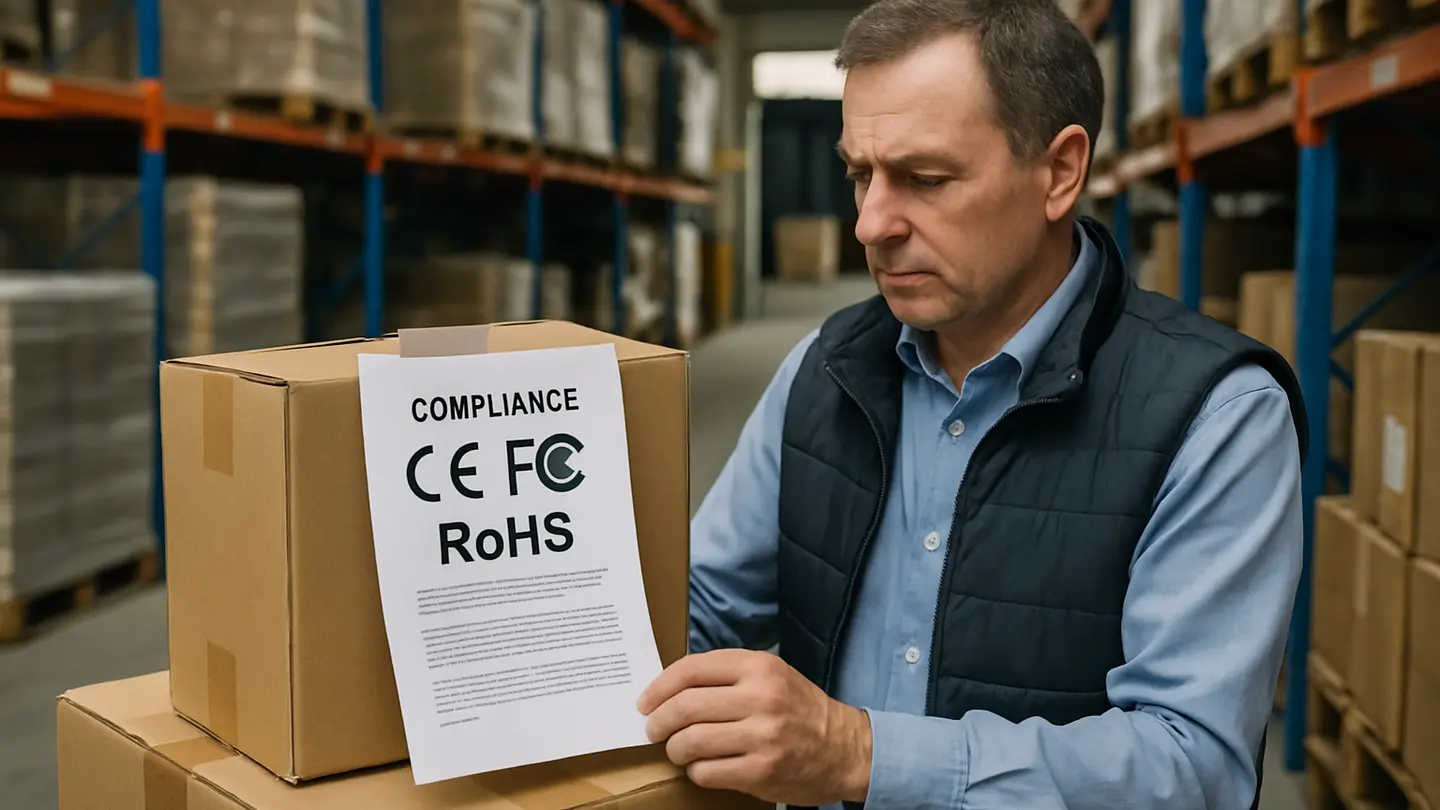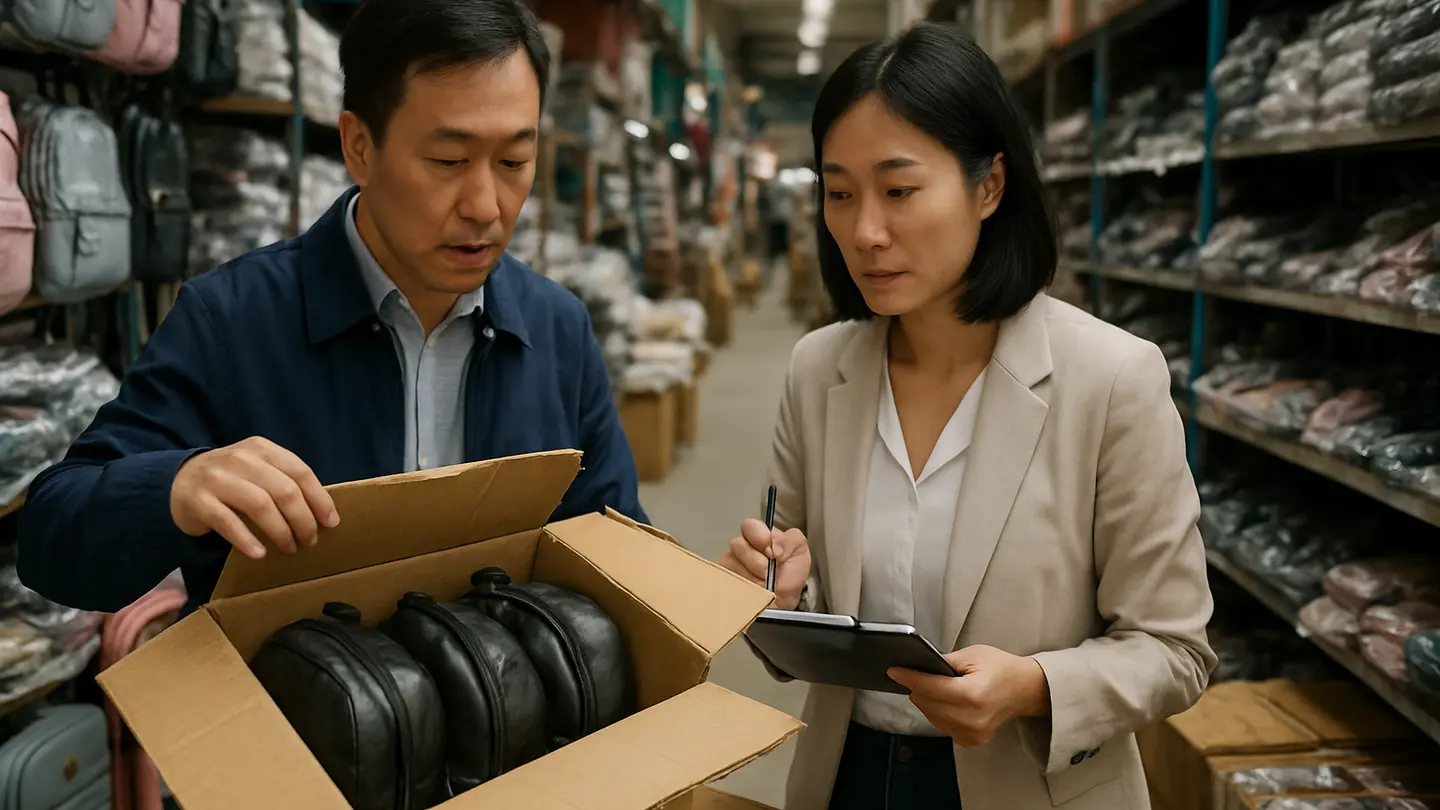
Selecting a reliable China sourcing company requires more than comparing service fees or reviewing a polished website. The right partner should be able to explain how it earns money, who will manage your account, how supplier decisions are made, and what happens when a factory misses a deadline or fails an inspection.
For shower manufacturers, distributors, and importers, sourcing errors can affect more than unit cost. A supplier may use a different glass thickness, plating process, cartridge specification, packaging method, or accessory material than expected. Small gaps between the approved sample and mass production can create installation complaints, damaged goods, returns, or delays in retail launches.
A trustworthy sourcing partner should provide verifiable information rather than broad assurances. Ask for clear pricing, assigned responsibilities, examples of completed projects, and willingness to complete a limited paid trial. Vague answers do not automatically prove misconduct, but they do create verification gaps that should be resolved before you commit significant funds or purchase volume.
Choose Between a Sourcing Company and an Individual Agent
An individual sourcing agent can offer direct communication and close attention, particularly for small orders or narrowly defined projects. However, a single-person operation may have limited capacity if several orders require attention at the same time. There may also be no backup if that person becomes unavailable during supplier negotiations, production follow-up, or pre-shipment inspection.
A sourcing company may provide more formal processes, shared records, multiple staff members, and broader coverage across supplier sourcing, quality control, logistics coordination, and account management. This can improve continuity, but company size alone does not guarantee better results. Some larger providers may assign junior staff to smaller accounts, while smaller specialist teams may provide more senior involvement.
Before choosing either model, ask practical questions:
- Who is responsible for supplier identification and quotation collection?
- Who communicates with factories during sample development and production?
- Who performs or arranges quality inspections?
- Is the inspector independent from the supplier-selection team?
- Who covers the account if the main contact is unavailable?
- Which services are handled in-house, and which are outsourced?
For example, a sourcing partner may manage supplier communication internally but outsource inspections to a separate quality-control provider. Outsourcing is not necessarily a problem, but the buyer should know who is responsible for reporting accuracy, inspection scheduling, and corrective-action follow-up.
A shower-related project may require several functions: evaluating tempered-glass enclosure suppliers, confirming metal finishing options, checking packaging protection for glass panels, and reviewing whether installation hardware matches the approved bill of materials. A sourcing partner should clearly identify who handles each task.
Compare at Least Two or Three Candidates
Avoid selecting the first China sourcing company that provides a quick reply. Comparing at least two or three candidates makes it easier to identify differences in scope, pricing, communication quality, and commercial incentives.
Send the same sourcing brief to each candidate at approximately the same time. The brief should include enough information to test their understanding, such as:
- Product type and intended sales market
- Drawings, specifications, or reference samples
- Materials and finish requirements
- Expected order quantity
- Packaging and labeling needs
- Target delivery timing
- Required inspections or testing expectations
- Whether you need supplier sourcing only or ongoing production management
Do not judge candidates only by how quickly they provide a price. A fast quote may be useful, but it can also indicate that the provider has not examined the product requirements carefully.
More informative signals include the quality of their follow-up questions. For shower products, a capable sourcing partner may ask about glass thickness, hardware finish, corrosion-resistance expectations, drain compatibility, wall-profile tolerances, carton-drop protection, branding placement, spare-parts requirements, or assembly instructions. These questions show that the provider is trying to reduce ambiguity before approaching suppliers.
Compare each response using equivalent criteria:
| Evaluation area | What to compare |
|---|---|
| Scope | Supplier search, negotiation, sampling, production follow-up, inspection, logistics support |
| Pricing | Service fee structure, included work, additional charges, supplier commissions |
| Responsiveness | Reply speed, clarity, completeness, and follow-up discipline |
| Product understanding | Questions about specifications, quality risks, packaging, and compliance |
| Documentation | Quotation format, supplier comparison process, inspection reporting, project records |
| Accountability | Named team members, escalation process, backup coverage |
A well-structured response with thoughtful questions may be more valuable than a low preliminary quote based on incomplete information.
Match the Sourcing Partner to Your Product and Order Scale
The best China sourcing company for one buyer may not be the best fit for another. Your selection should reflect product complexity, technical requirements, sales channel, order volume, and future growth plans.
For relatively simple promotional products or standard accessories, a general sourcing provider may be sufficient. For more technical bathroom products, such as shower enclosures, thermostatic shower systems, concealed valves, or custom stainless-steel drainage products, category knowledge can reduce sourcing risk.
Relevant experience may include familiarity with:
- Glass, aluminum, stainless steel, brass, zinc alloy, and plastic components
- Surface finishes such as chrome, brushed nickel, matte black, or powder coating
- Packaging requirements for fragile panels and hardware sets
- Assembly and installation documentation
- Spare-parts planning for rollers, seals, hinges, cartridges, and fixings
- Supplier capability differences between standard catalog products and customized designs
- Quality risks involving water leakage, scratches, finish inconsistency, missing hardware, or damaged glass
Your sales channel also matters. A distributor supplying trade customers may prioritize consistent replacement parts and technical documentation. An e-commerce seller may need carton optimization, barcode labeling, marketplace preparation, and packaging that can withstand parcel handling. A project buyer may need coordinated delivery schedules, color consistency across batches, and clear change-control procedures.
Order scale is equally important. A large sourcing provider may have the systems and staffing to manage multiple factories and higher production volumes. However, it may not prioritize a small first order. A small specialist may provide closer attention during sampling but struggle if your business expands rapidly across several product lines or countries.
Ask candidates how they would support both your current order and a higher-volume scenario. Their answer should explain practical capacity, staffing, supplier coverage, and escalation processes rather than simply promising that they can “scale.”
What a Transparent Sourcing Quote Should Include
A sourcing quote should make it possible to understand what you are paying for and what services you will receive. Where practical, request separate figures for factory pricing and sourcing-service fees.
A clear quote may identify:
- Product or factory price
- Sourcing or procurement fee
- Sample charges
- Product-development or drawing-review charges, if applicable
- Quality inspection fees
- Courier costs
- Factory visit costs
- Consolidation or warehousing charges
- Packaging development or labeling support
- Freight coordination fees
- Any charges for supplier audits, translation, or documentation
Some providers charge a percentage of the order value. Others charge a fixed project fee, a monthly management fee, or a delivered price that combines factory cost, service fees, and logistics-related charges.
None of these models is automatically wrong. The issue is whether the scope is clear enough for a fair comparison. A low percentage fee may exclude inspections, sample management, packaging checks, or production follow-up. A delivered-price offer may be convenient, but it can make it difficult to see whether the provider is acting as an agent, reseller, or trading intermediary.
For shower products, this distinction can matter when specifications change. If a buyer requests upgraded rollers, thicker glass, a different finish, or reinforced packaging, the sourcing partner should explain how the change affects factory cost, service scope, and delivery timing.
Before accepting a quote, ask which costs are fixed, which are estimated, and which require pre-approval. Also confirm whether the fee changes if the order quantity changes after samples are approved.
Check Where the Sourcing Partner’s Financial Interests Lie
A sourcing company may be paid by the buyer, the supplier, or both. The most important issue is not simply whether additional compensation exists, but whether it is disclosed and whether it affects supplier recommendations.
Ask directly about:
- Supplier commissions
- Factory rebates
- Referral fees
- Volume-based incentives
- Markups on factory pricing
- Logistics commissions
- Payments received from inspection providers or other subcontractors
A sourcing partner should be able to explain why it recommends each supplier. Relevant reasons may include product capability, quality history, production capacity, communication quality, material control, pricing, or experience with similar packaging requirements.
You should also establish approval rights. If the original supplier cannot meet production requirements, can the sourcing partner change factories without your written approval? Ideally, any material supplier change should be documented, including the reason, new supplier details, sample status, cost impact, and quality-control plan.
Exit terms matter as well. If the relationship ends, clarify ownership and access rights for:
- Supplier contact information
- Factory quotations
- Product specifications
- Approved samples
- Inspection reports
- Purchase records
- Tooling information, where relevant
- Packaging artwork and project documentation
Without clear written terms, a buyer may discover too late that important supplier relationships or records remain controlled by the sourcing provider.
Ask How They Handled a Sourcing Project That Went Wrong
Polished success stories are easy to present. A more useful question is how the candidate handled a real sourcing problem.
Ask for a specific example involving a delayed shipment, failed inspection, incorrect materials, damaged packaging, supplier change, or quality issue discovered after production began. The goal is not to find a company that claims it has never faced problems. Supply-chain issues happen. The goal is to understand how the company detects, documents, communicates, and resolves them.
A credible answer should address:
- What went wrong?
- How was the issue identified?
- When was the buyer informed?
- What evidence was provided?
- What corrective action was agreed?
- Who paid for rework, replacement, or additional inspection?
- What was the final outcome?
- What process was changed to reduce recurrence?
For example, if a shower enclosure shipment fails inspection because hardware finishes vary between cartons, a useful explanation would include the affected quantity, inspection stage, supplier response, corrective-action timeline, reinspection process, and shipment impact.
Specific dates, quantities, photos, reports, and outcomes are generally more persuasive than generic statements such as “we solved the problem quickly.” Confidentiality may limit how much detail can be shared, but the provider should still be able to describe its process clearly.
Verify Credentials and Run a Small Trial Before Committing
Verify the legal entity behind the sourcing operation before transferring funds. Request the company’s legal name, registration details, operating address, and the name of the entity that will sign the agreement and receive payment.
Registration documents can confirm legal existence, but they do not prove operational capability, product knowledge, financial stability, or inspection quality. Use them as one part of due diligence rather than as conclusive evidence.
Ask for references from clients with requirements similar to yours. Relevant references are more useful than a long list of unrelated buyers. A company that sources low-value promotional goods may not be the right reference point for a buyer developing higher-value bathroom fixtures or fragile glass products.
When speaking with references, ask about:
- Accuracy of quotations
- Communication during sampling and production
- Supplier transparency
- Inspection quality
- Handling of delays or defects
- Fee clarity
- Willingness to share project records
- Whether the client would use the provider again
A limited paid trial can provide stronger evidence than sales discussions alone. Suitable trial assignments include:
- A supplier search for a defined product specification
- A factory comparison report
- A sample-development project
- A pre-shipment inspection
- A packaging review for a fragile product
- A small initial order with documented quality checkpoints
A trial should have a written scope, deliverables, timing, fee, and ownership terms. Evaluate not only the final result but also the provider’s responsiveness, judgment, documentation quality, and ability to flag risks early.
Make the Final Selection and Put the Terms in Writing
When two candidates appear similarly qualified, choose the one that provides the most specific and supported answers. Reliable partners are usually able to identify assigned personnel, explain their supplier-selection process, clarify costs, and document project decisions.
Before funds are transferred, put the important terms in writing. The agreement should cover:
- Scope of sourcing services
- Named responsibilities and communication process
- Fee structure and payment schedule
- Supplier disclosure requirements
- Approval process for supplier changes
- Inspection scope and reporting expectations
- Treatment of supplier commissions or rebates
- Confidentiality and ownership of product information
- Access to quotations, supplier contacts, and project records
- Exit conditions and handover requirements
- Dispute and escalation procedures
A proposal or email exchange may be helpful, but critical commitments should appear in the final written agreement. This reduces misunderstandings when production schedules become tight or quality concerns arise.
FAQ
Q1: Can I trust online reviews and directory listings for a sourcing company?
Online reviews and directory listings can be useful for building an initial shortlist, but they should not be treated as conclusive proof of reliability. Reviews may be incomplete, outdated, or unrelated to your product category.
Use reviews to identify potential candidates, then verify them through direct conversations, relevant client references, legal-entity checks, and a limited trial assignment. A reference from a buyer with similar product complexity and order scale is usually more valuable than a large number of generic testimonials.
Q2: Should I choose a big sourcing company or a small specialist?
A larger sourcing company may offer broader supplier coverage, more formal systems, backup staff, and greater capacity for multiple projects. A small specialist may provide closer communication, senior-level attention, and deeper knowledge of a particular product category.
The right choice depends on your needs. Complex shower systems, custom enclosures, or technical components may benefit from category expertise. Large multi-product purchasing programs may require broader capacity and stronger account coverage. Ask both large and small providers how they will staff your account and handle growth.
Q3: Is it a deal-breaker if the company has no clients in my category?
No category experience increases risk, but it does not automatically disqualify a sourcing provider. A capable company may have a sound method for identifying suppliers, verifying production capability, reviewing samples, and managing inspections.
Ask the candidate to explain its evaluation process in detail. It should identify how it will find suitable factories, assess relevant production equipment, confirm material controls, and manage product-specific quality risks. Then validate that process through a small trial before placing a larger order.
Q4: Does a cheaper sourcing company usually mean worse results?
Not necessarily. A lower fee may reflect lean staffing, a limited service scope, lower overhead, or a business model that relies on supplier compensation. The problem is not low pricing itself; it is unclear pricing and unclear incentives.
Compare total costs, included services, supplier-disclosure practices, inspection coverage, and expected support during problems. A higher fee may be justified if it includes stronger quality control and production management, while a lower fee may be appropriate for a simple supplier-search assignment with limited follow-up.
Conclusion: Prioritize Verifiable Evidence Over Broad Assurances
A reliable China sourcing company should be selected through evidence, not promises. Look for specific answers, named account personnel, clear supplier-selection methods, transparent pricing, reachable references, and documented examples of problem resolution.
Before signing, confirm whether the sourcing partner receives supplier incentives, whether inspections are independent, and whether supplier changes require your approval. Establish who owns supplier contacts, quotations, and project records if the relationship ends.
The most practical approach is to compare several candidates, verify their legal and operational details, and begin with a limited paid assignment. This process will not eliminate sourcing risk, but it can significantly improve your ability to identify a partner that is transparent, capable, and suitable for your product requirements.
About the Author
The author writes B2B content on procurement, manufacturing, supplier evaluation, product quality control, and international sourcing. The focus is on practical decision-making tools that help buyers assess supplier capability, manage sourcing risks, and build more transparent purchasing processes.