China Sourcing Services: Local Support for Safer Buying
China sourcing services help buyers manage the practical work between identifying a potential supplier and receiving goods that match the agreed requirements. For shower manufacturers, bathroom brands, wholesalers, project suppliers, and retailers, this support may cover supplier selection, sample follow-up, production communication, and pre-shipment quality checks.
Online supplier listings are a useful starting point, but they do not by themselves confirm whether a factory is suitable for a specific order. A supplier may present a broad product range online while having limited experience with the buyer’s required shower enclosure configuration, finish, packaging method, or order volume. Listings may also provide only limited visibility into actual production capacity, subcontracting arrangements, internal quality processes, or consistency across repeated production runs.
This matters particularly for bathroom and shower products because many details can affect the final result. For example, buyers may need clarity on glass thickness, hardware finish, frame material, door movement, drainage compatibility, installation accessories, packaging protection, and labeling. A sample that appears acceptable may not fully represent bulk production if components, assembly methods, or packaging controls change later.
Common sourcing difficulties include:
- Slow or incomplete responses to technical questions
- Misunderstandings caused by language or terminology differences
- Quotations that do not clearly state what is included
- Differences between a confirmed sample and mass-produced goods
- Delays in receiving updates during production
- Limited visibility into whether goods are ready for shipment
- Uncertainty about the correct point at which to make payment or approve shipment
China sourcing services can provide local coordination to reduce these uncertainties. Depending on the service scope, a sourcing representative may screen potential factories, compare quotations, request samples, confirm production schedules, and inspect finished goods before shipment. The objective is not to remove every commercial risk, but to give the buyer more structured information before major decisions are made.
This type of support can be relevant for several buyer profiles:
- Small brands developing a shower accessory or bathroom product line without an in-house China purchasing team
- Marketplace sellers that need consistent packaging, labeling, product presentation, and repeatable quality
- B2B importers purchasing shower components, enclosures, faucets, rails, screens, or related products for distribution
- Construction and project suppliers that need to coordinate product details across multiple product categories
- Crowdfunding founders working to turn an approved product concept into production while managing sample revisions and timelines
For a buyer sourcing shower products, local support can be especially useful when an order involves customized dimensions, branded packaging, mixed hardware finishes, or several suppliers. A shower enclosure order, for example, may require coordination among glass processors, aluminum profile suppliers, hardware suppliers, packaging providers, and the final assembly factory. Without clear documentation and regular follow-up, responsibility for missing or incorrect parts can become difficult to identify.
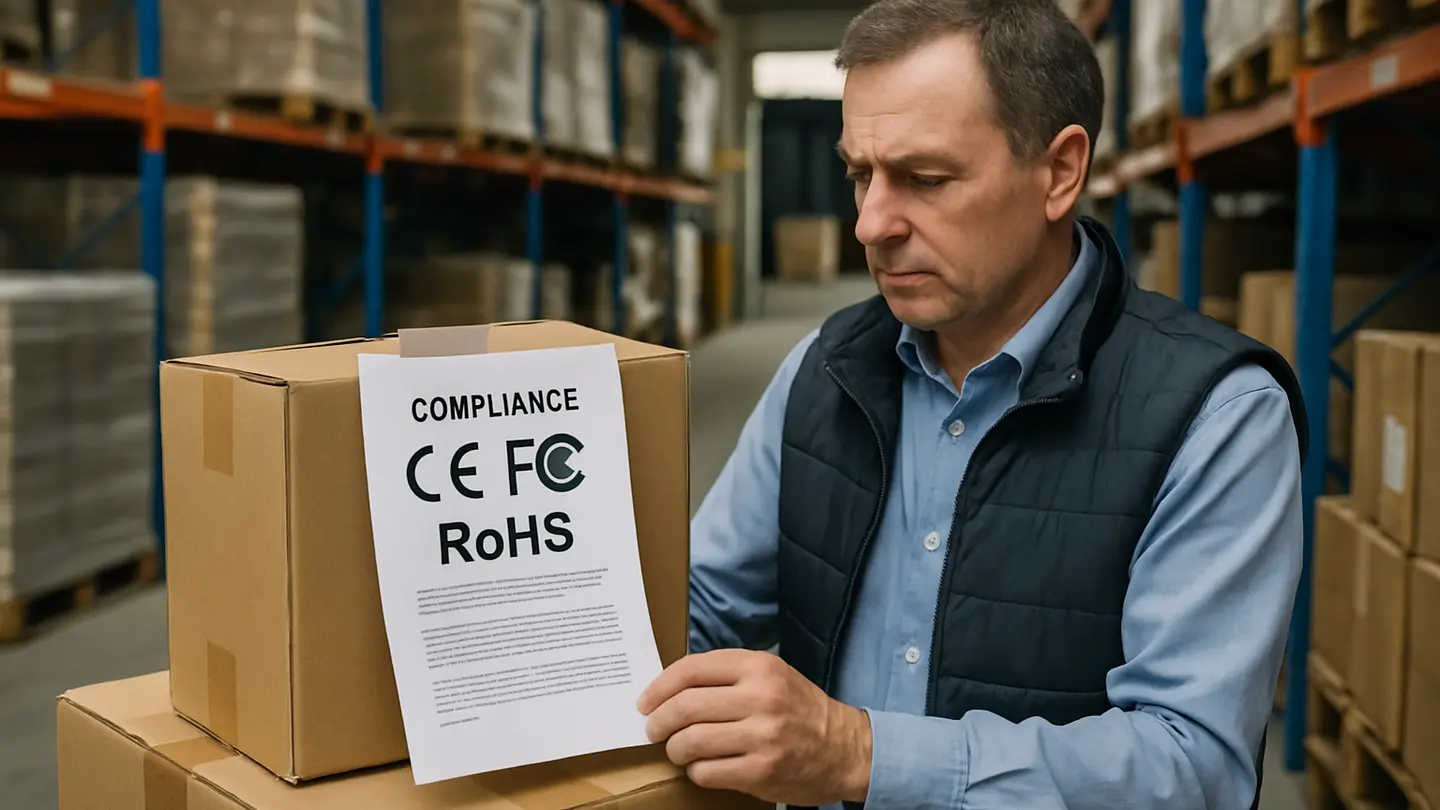
The strongest approach is usually to define requirements before supplier outreach begins. Buyers should prepare a product specification that covers the features that matter most to the order. This may include drawings, dimensions, material preferences, surface finishes, component lists, packaging expectations, labeling instructions, reference photos, and acceptable tolerances where applicable. If the product must meet a particular market requirement, the buyer should communicate that requirement clearly and determine what evidence is needed before placing the order.
China sourcing services can then help translate a broad purchasing request into a more practical supplier evaluation process. Rather than choosing a factory only because of a low quotation or an attractive online catalog, the buyer can compare suppliers based on product fit, communication quality, sample performance, production capability, commercial terms, and willingness to document specifications.
Two Core Areas of China Sourcing Support
China sourcing support generally falls into two connected areas: product sourcing support and quality control support. Buyers may use one service independently or combine both throughout the sourcing and production cycle.
Product sourcing support
Product sourcing support focuses on finding suitable suppliers and moving an order from inquiry to production. It can include supplier research, quotation collection, sample coordination, commercial discussions, and production tracking.
For shower manufacturers and buyers of bathroom products, supplier selection should go beyond identifying companies that produce similar-looking items. A suitable supplier should be assessed against the specific product requirement. A factory experienced in standard shower screens may not be the right choice for a buyer requiring custom glass treatment, a particular sliding-door mechanism, specialized packaging, or branded installation materials.
During supplier search and comparison, support may include:
- Identifying suppliers that appear relevant to the required product category
- Requesting quotations based on a defined specification
- Comparing quoted terms and noting differences in scope
- Clarifying whether tooling, packaging, accessories, or spare parts are included
- Coordinating samples and collecting supplier responses to revisions
- Recording key commercial points before a purchase order is issued
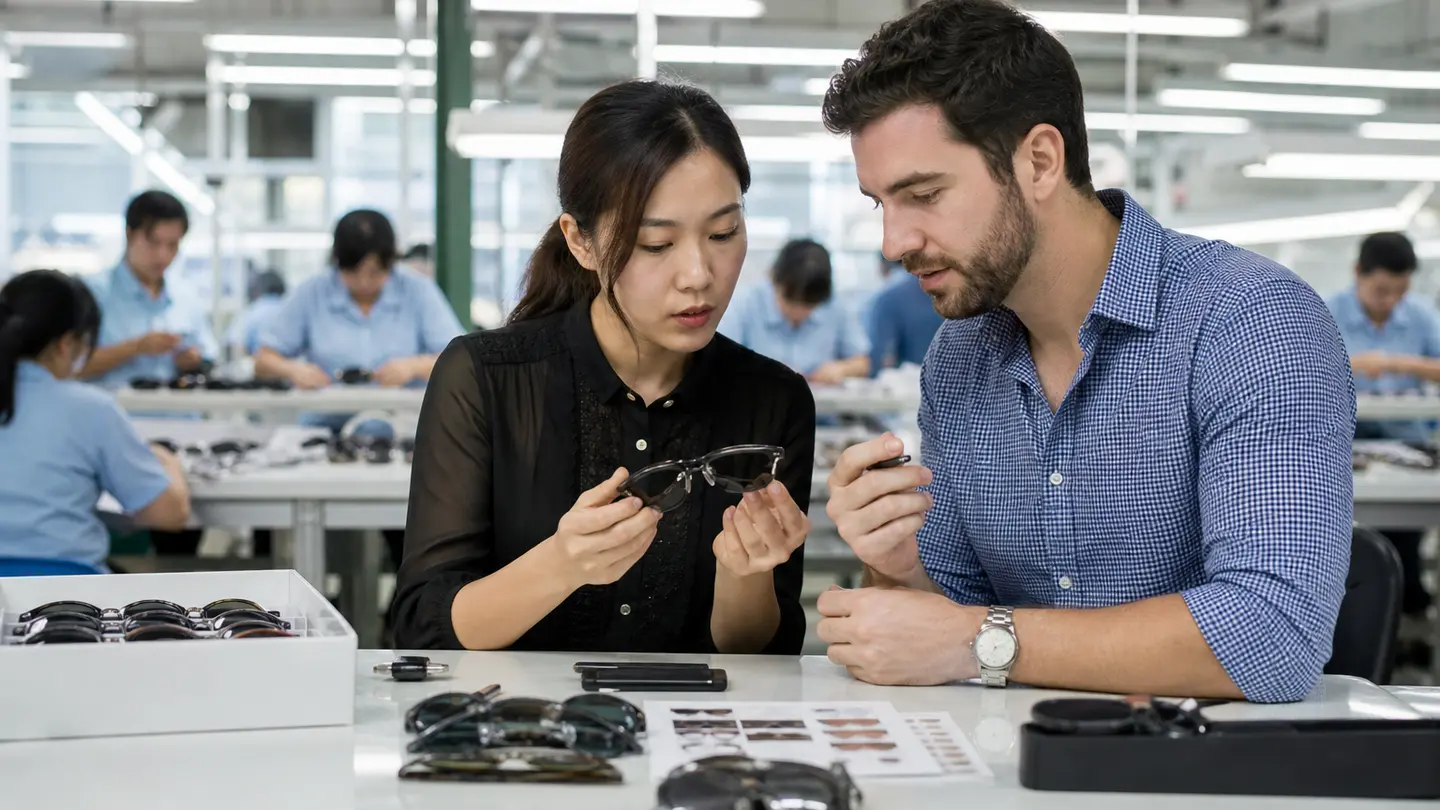
Sample coordination is often one of the most important stages. A sample can help confirm appearance, basic functionality, assembly details, packaging, and the supplier’s understanding of the requirement. However, buyers should review samples carefully rather than approving them only on appearance. For shower-related products, useful review points may include component fit, glass edge finishing, frame alignment, hardware operation, surface consistency, protective packaging, and completeness of installation parts.
Commercial terms also require close attention. Buyers should make sure that the quotation and purchase order clearly identify the agreed product version, quantity, unit price, packaging, delivery timing, payment terms, and shipment terms. If changes are agreed during sampling, those changes should be incorporated into the final order documentation rather than left only in message records.
Quality control support
Quality control support focuses on verifying suppliers, monitoring production, and checking goods before they are shipped. It can help buyers identify concerns before payment, production commitment, or shipment.
Supplier verification may involve reviewing available business information and confirming whether the supplier’s stated activities match the buyer’s needs. A factory audit may provide a closer look at production conditions, equipment, workforce organization, quality procedures, and general factory operations. An audit does not guarantee future performance, but it can give a buyer a more informed basis for deciding whether to proceed.
During production, in-process monitoring can help identify issues before the full order is completed. This is particularly relevant when a product contains multiple components or requires assembly. For shower systems, problems may arise from incorrect hardware, inconsistent finishes, unsuitable packaging, missing accessories, or dimensions that do not match approved drawings. Finding such issues while production is still underway may give the supplier more opportunity to correct them before shipment.
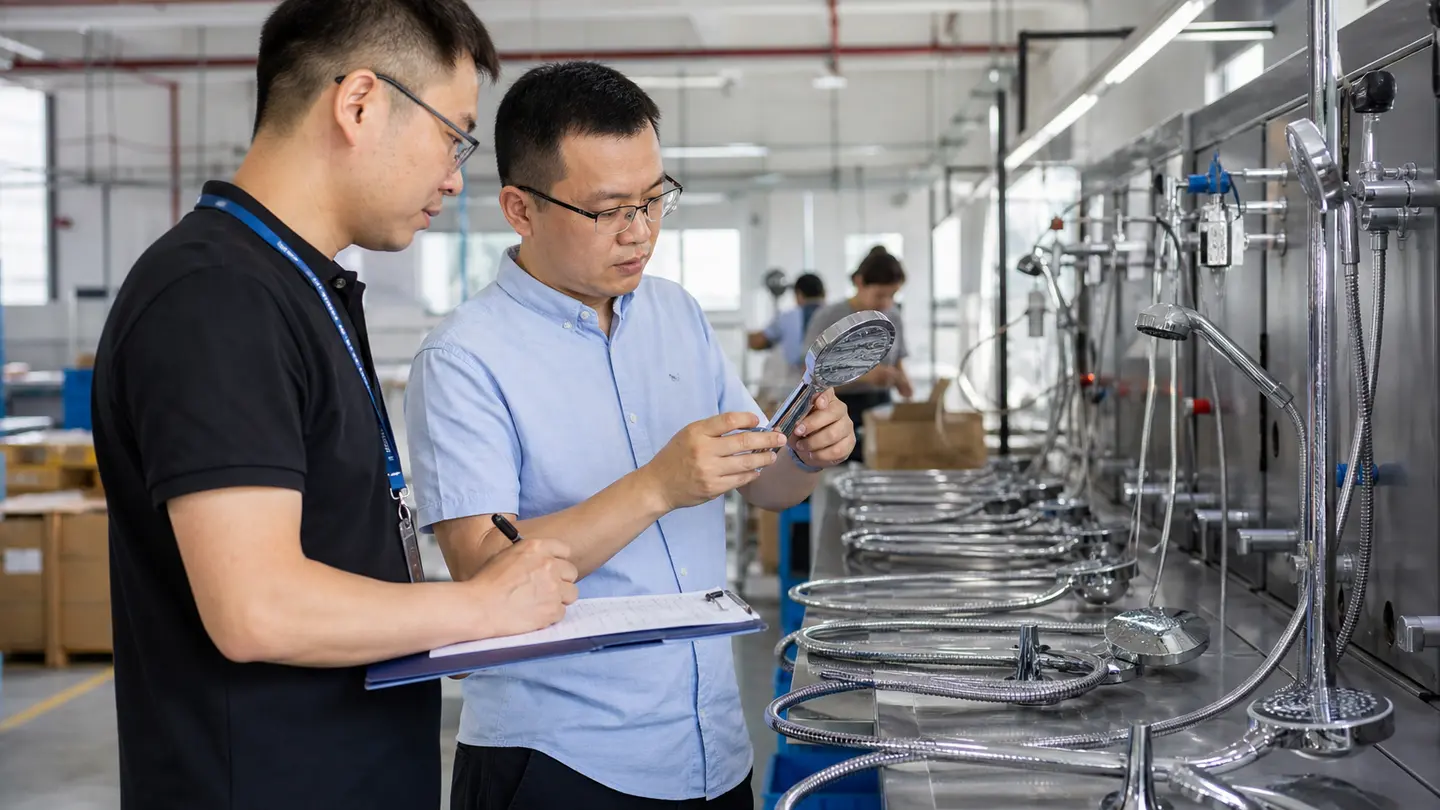
Finished-goods or pre-shipment inspections are conducted when goods are substantially complete and ready for dispatch. The inspection scope should reflect the buyer’s purchase order and approved sample. Typical checks may include:
- Product quantity and assortment
- Visual appearance and workmanship
- Product dimensions and configuration
- Component completeness
- Basic functional checks where practical
- Packaging condition and carton markings
- Consistency with approved sample references or order documentation
Quality control is most useful when expectations are stated clearly in advance. An inspection cannot reliably assess a requirement that was never defined. Buyers should therefore provide the inspector with purchase order details, approved sample references, packing instructions, product drawings, and a list of critical concerns. For example, if a buyer considers hardware finish variation unacceptable, that concern should be documented before inspection rather than raised only after goods have arrived.
Using product sourcing and quality control together creates a more continuous process. Supplier research can reduce the risk of choosing an unsuitable factory. Sample coordination can confirm product expectations before mass production. Production tracking can provide earlier visibility into delays. Inspection can offer an additional review point before shipment. Each activity addresses a different stage, and none should be treated as a substitute for clear specifications and disciplined purchasing decisions.
What China Sourcing Service Providers May Handle
The scope of China sourcing services varies by provider and by buyer needs. Some buyers need help only with supplier screening or pre-shipment inspection. Others prefer assistance from initial research through shipment readiness. Before engaging a provider, buyers should define which tasks remain under their own control and which tasks they expect local support to manage.
Supplier sourcing and factory screening
Supplier sourcing may begin with identifying factories that appear capable of making the required product. A sourcing provider may collect supplier information, request initial quotations, compare product ranges, and highlight differences in minimum order requirements, lead times, or customization options.
Factory screening can help buyers avoid spending too much time on suppliers that are not a practical fit. For shower products, screening questions may cover whether the supplier manufactures the key components in-house, whether it has experience with the requested product type, how it manages customized orders, and whether it can support the required packaging or documentation.
Quotation comparison is also important because lower prices do not always represent the same scope. One quotation may include standard hardware and simple packaging, while another includes upgraded fittings, more protective packing, or additional accessories. A structured comparison can help identify these differences before the buyer selects a supplier.
Product development and sample coordination
For customized or newly developed products, sourcing support may include reviewing specifications, coordinating sample revisions, and communicating feedback to the supplier. This can be useful when product feedback involves multiple details that must be translated into clear factory instructions.
For example, a buyer may request changes to a shower door handle, a matte-black frame finish, a wall profile, carton artwork, or the arrangement of installation components. Each change should be documented and confirmed, especially if it affects price, lead time, tooling, or packing.
Packaging coordination is also important for fragile or finished products. Glass panels, aluminum profiles, and coated hardware can be vulnerable to damage or surface marks during handling and transport. Buyers should confirm packaging expectations during sampling where possible, not only after production has started.
Purchase management
Purchase management may include supporting commercial negotiations and documenting the final agreement in a purchase order. The goal is to reduce ambiguity between the buyer and supplier.
A purchase order should normally consolidate the essential agreed points, including product description, specifications, quantities, pricing, packaging, delivery expectations, payment terms, and any special requirements. If the order is based on an approved sample, the sample should be identified clearly as a reference.
Buyers should also pay attention to what happens if specifications change after order confirmation. Changes to materials, finishes, packaging, or order quantities can affect price and timing. A sourcing provider can help record such changes, but the buyer should still make final commercial decisions directly.
Order management and production follow-up
Once production begins, order management can involve tracking the production schedule, following up with the factory, and reporting progress to the buyer. This is not merely about asking whether the order is finished. It involves confirming whether key stages are moving according to plan and whether any problem could affect delivery.
For a shower product order, useful follow-up may include confirmation of material preparation, component availability, sample approval status, assembly progress, packaging completion, and shipment readiness. If a supplier reports a delay, the buyer needs enough detail to assess whether the delay affects vessel booking, warehouse planning, marketplace launch dates, or project delivery commitments.
Regular factory communication can also help prevent minor questions from becoming late-stage problems. If the factory needs confirmation on carton markings, spare parts quantities, logo placement, or a revised component, a quick documented response may avoid rework later.
Quality control options
Quality control support can include supplier verification, factory audits, production checks, and pre-shipment inspections. The appropriate level of control depends on the product, order value, supplier relationship, and consequences of failure.
A first order with a new supplier may justify more verification than a repeat order with an established factory relationship. Similarly, products with fragile materials, visible finishes, complex assembly, or high return risk may need more detailed inspection planning.
Buyers should remember that inspection is a snapshot of the goods available at the inspection time. It should be used alongside supplier selection, sample approval, purchase order documentation, and production communication. A well-managed order is not based on one final check alone; it is based on controls applied at the points where they can have the greatest effect.
Platform Tools for Building a China Supplier Shortlist
Online platforms can support the first stage of supplier research when used alongside independent due diligence and clear product specifications. Made-in-China.com is a B2B sourcing platform that buyers can use to search for potential suppliers and build an initial shortlist.
Its Supplier Discovery tools provide additional ways to find suppliers, including Audited Suppliers and regional supplier channels. This can help a buyer narrow a broad search when looking for manufacturers of shower enclosures, bathroom hardware, glass products, or related components.
For Audited Suppliers, Made-in-China.com states that third-party verification and on-site audit information are available for buyer review. Buyers can use the related Audit Reports as one input in their evaluation process. These reports can include structured information on areas such as general company information, export trade, manufacturing capacity, quality control, and R&D capability.
Platform information should not replace direct supplier communication, sample review, purchase-order documentation, or independent inspections where appropriate. Instead, it can help buyers organize early research, compare potential suppliers more efficiently, and identify questions that should be addressed before making a production commitment.