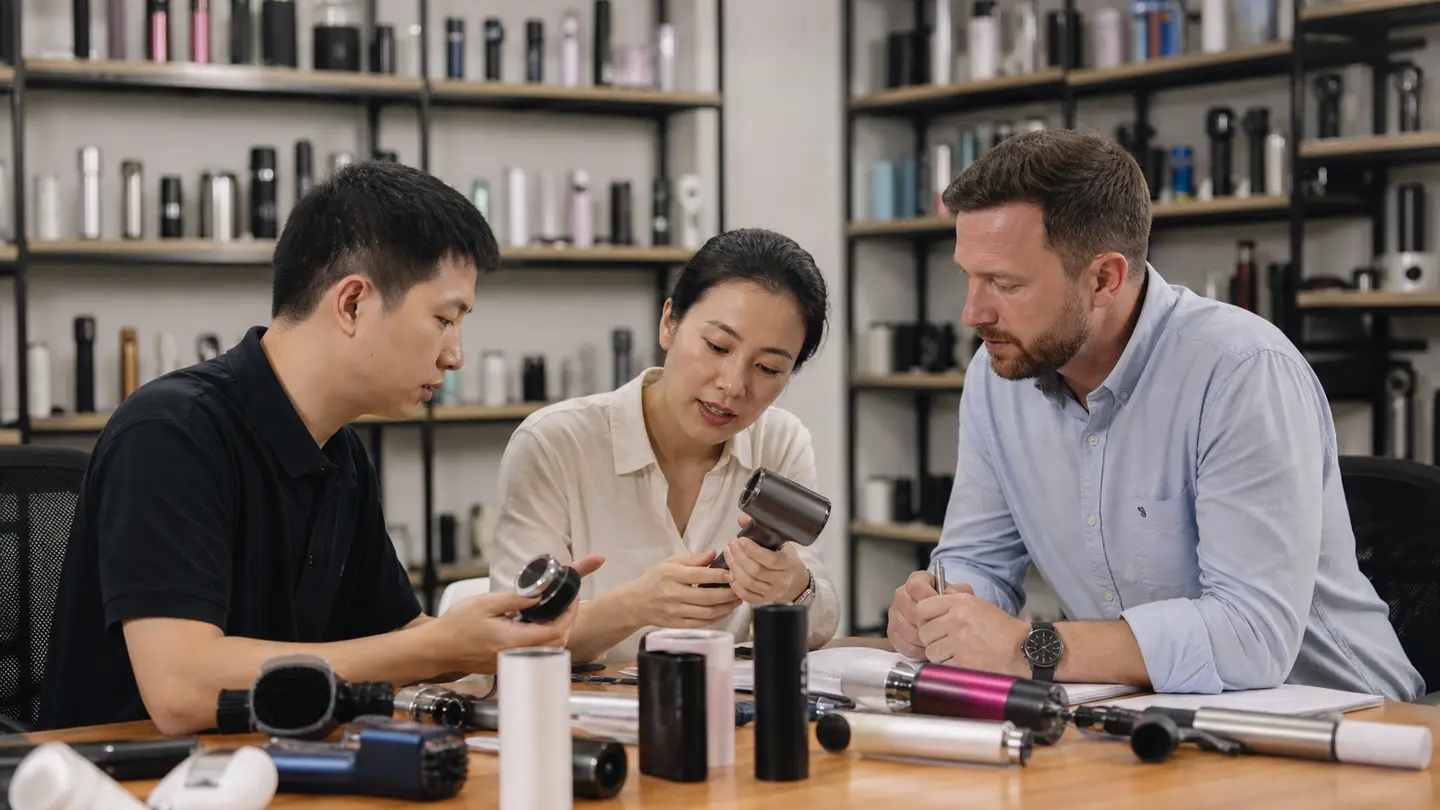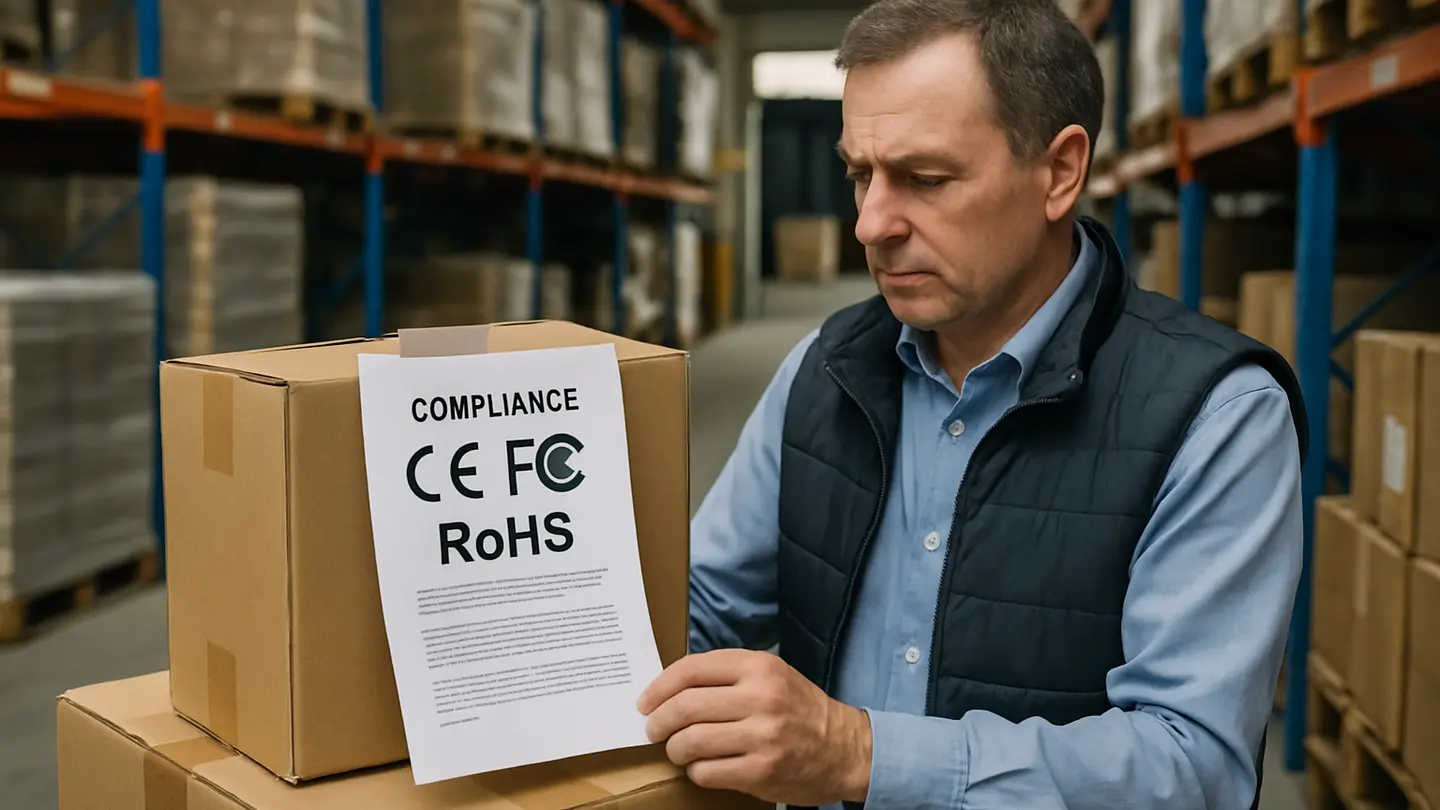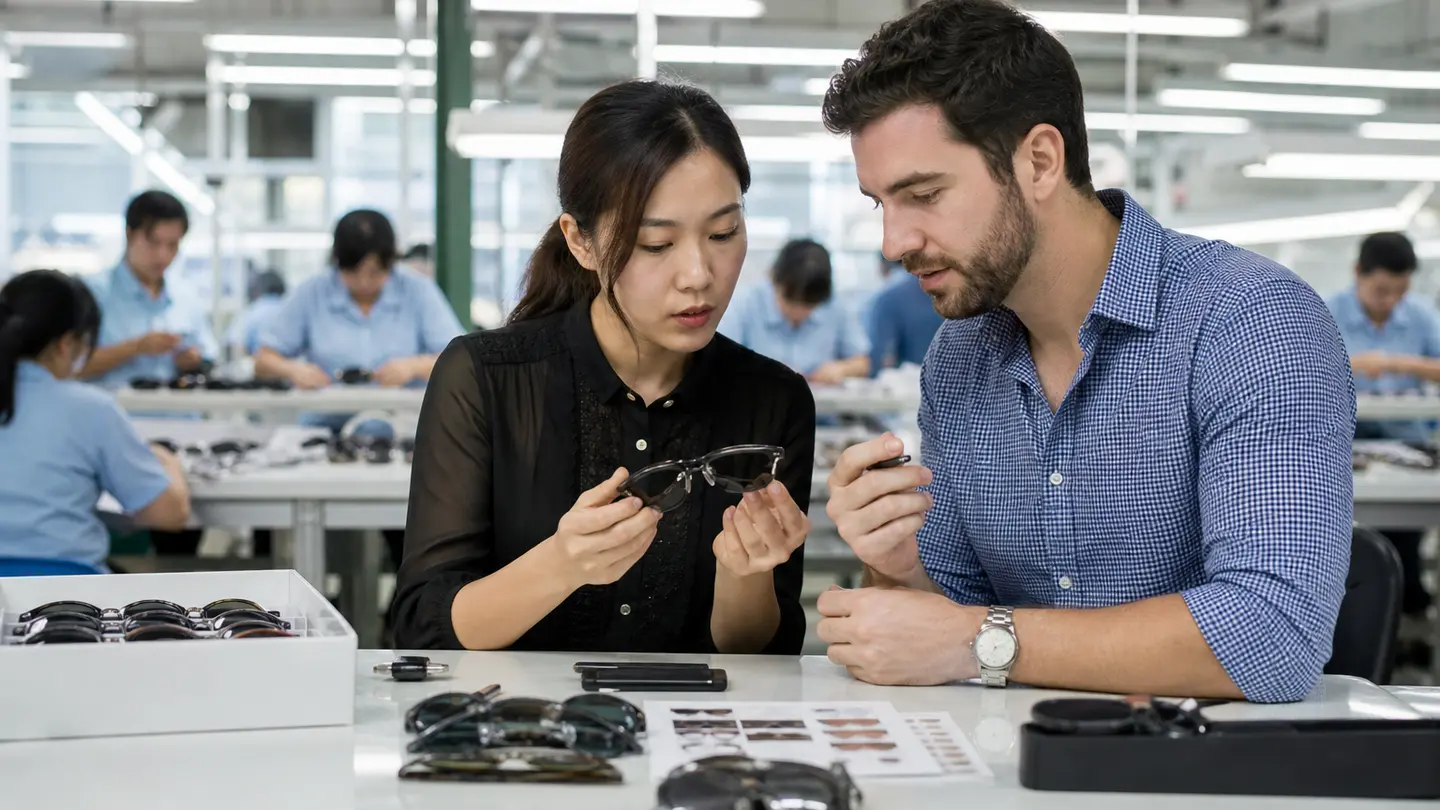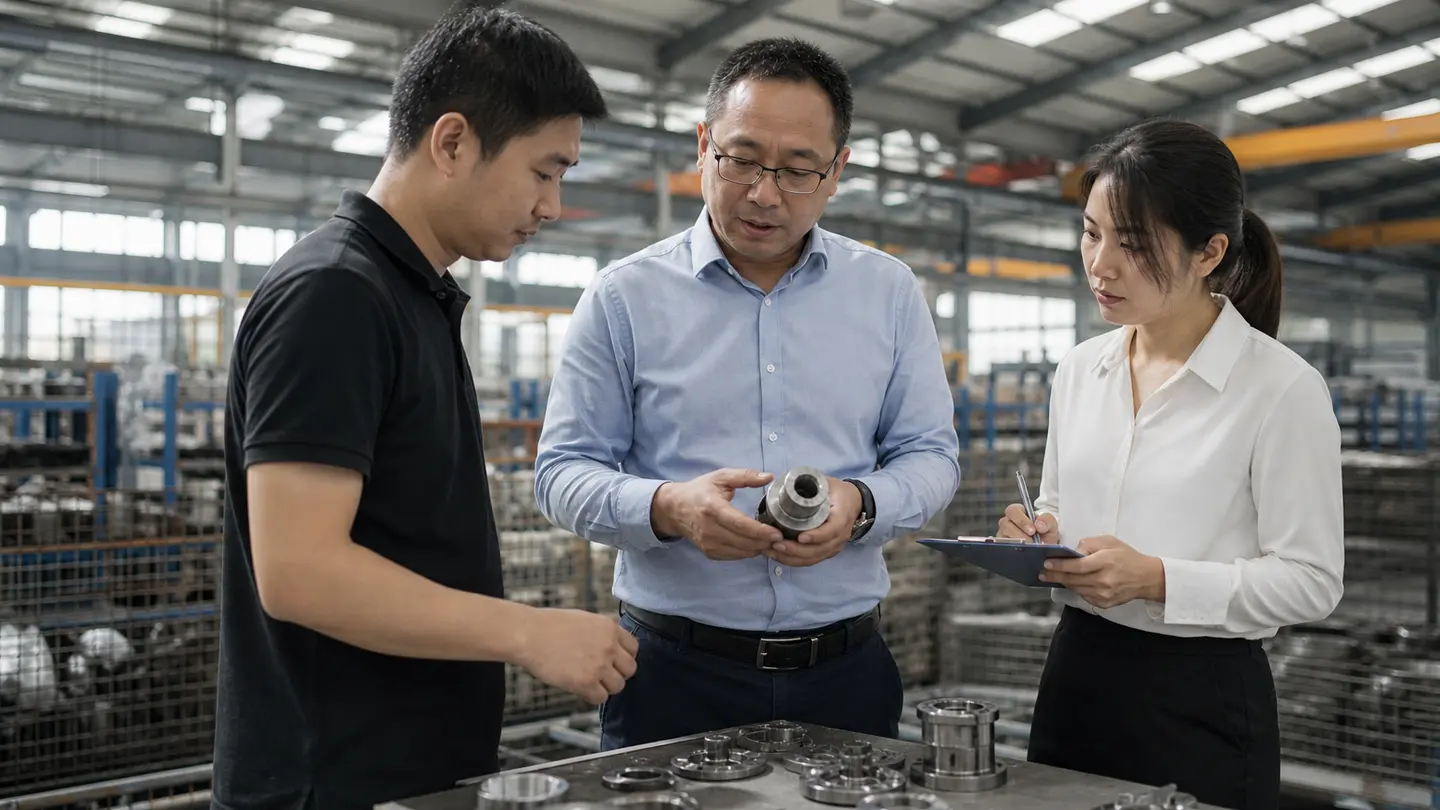
Before sending a deposit, confirming a purchase order, or sharing detailed product specifications, buyers need to know who they are dealing with. A China supplier verification service is designed to turn supplier claims into information that can be checked and assessed.
This matters in shower manufacturing and related bathroom-product sourcing, where an unsuitable supplier can create more than a payment risk. Incorrect material selection, inconsistent finishes, weak assembly control, delayed tooling, or poor export coordination can affect product launches and customer relationships. If a supplier fails after receiving a deposit, the buyer may lose time as well as money and need to restart product development and sourcing.
A marketplace profile, website, catalog, or video call is useful for initial discovery, but it does not independently confirm the supplier’s legal identity, operating type, or practical ability to fulfill a specific order. Verification helps buyers establish whether the company they plan to pay is the company they believe they are engaging.
What Online Supplier Profiles Show—and What Verification Reveals
Online supplier profiles are designed to present products and capabilities attractively. They may show professional factory photos, a broad product range, certification logos, export-market claims, and polished descriptions. These materials can help a buyer identify potential candidates, but they should be treated as starting points rather than proof.
A verification process focuses on information that can be examined more objectively. Depending on the information available, this can include:
- Registered company name and legal status
- Company history and registered business scope
- Registered or stated operating location
- Whether the company appears to be active
- Publicly available abnormal-operation or enforcement records
- Available indications of export activity
- Consistency between the supplier’s stated identity and its business information
For example, a company may display shower systems, faucets, enclosures, or bathroom accessories online while its registered business scope, operating address, or available business evidence suggests a different role. It may be a trading company, a manufacturer, a hybrid business, or an entity with limited connection to the products being offered.
A listed address alone is not enough to demonstrate that the supplier operates a suitable production facility. Likewise, a long product catalog does not prove that the company manufactures every listed item. Some businesses source components from multiple factories, which may be appropriate for certain buying models but should be understood before a buyer assumes direct-factory control.
Verification does not make a supplier automatically suitable. Instead, it replaces assumptions with a clearer view of identity, operating status, and possible risk indicators.
What a China Supplier Verification Check Should Cover
A useful China supplier verification service should assess both business identity and practical fit. Registration checks are important, but legal registration alone does not confirm that a company is operating effectively, has relevant experience, or can support the buyer’s required volume and specifications.
The scope should normally begin with the supplier’s stated business identity. This includes its registered name, company history, legal status, business scope, and available information about its stated operating location. The review should also consider whether public records show abnormal status or enforcement-related concerns that merit further investigation.
Another key objective is determining the supplier type. In China, a supplier may operate as:
- Manufacturer: Produces products or key components in its own facilities or under direct production management.
- Trading company: Sources products from one or more factories and manages sales, coordination, or export transactions.
- Hybrid supplier: Manufactures certain products while sourcing others from partner factories.
None of these models is automatically unacceptable. A trading company may provide useful product consolidation or communication support. A hybrid supplier may offer a wider bathroom-product range than one factory can produce alone. However, buyers should know which model applies, especially when product consistency, tooling control, production lead time, and quality responsibility are important.
Capability review should then compare the supplier’s claims with the buyer’s product needs. For shower manufacturers and buyers of bathroom products, relevant questions may include whether the supplier appears equipped to handle the required materials, finishes, component types, packaging requirements, and assembly complexity. A supplier offering stainless steel shower columns, brass mixers, glass enclosures, or plastic shower accessories may rely on different production resources and specialist processes.
Capacity is also more than the number of machines shown in a factory video. A meaningful assessment considers apparent equipment access, workforce, product expertise, production scheduling, management resources, and the likely fit between the proposed order volume and the supplier’s operations. A factory that can produce samples may not necessarily have the resources to support a larger order within the required delivery window.
Supporting evidence can strengthen the review where available. This may include certifications, product examples, customer references, trade records, production information, or documents provided during buyer-supplier communication. Such evidence should be examined for relevance to the actual product and order rather than accepted as a general assurance of capability.
What You Should Receive in a Supplier Verification Report
The value of verification depends on whether the findings are clear enough to support a purchasing decision. A practical supplier verification report should summarize the evidence reviewed and explain what it means for the buyer’s intended order.
Core outputs commonly include:
| Report area | Why it matters |
|---|---|
| Registration and legal-status summary | Helps confirm the company identity and identify basic legal or public-record concerns. |
| Business identity and supplier type | Clarifies whether the supplier appears to be a manufacturer, trading company, or hybrid operation. |
| Production-fit assessment | Compares stated product capability with the buyer’s specifications and sourcing needs. |
| Apparent capacity review | Considers whether the supplier appears able to support the expected order size and timing. |
| Risk recommendation | Provides a practical view of whether to proceed, proceed carefully, or stop engagement. |
The report should not simply repeat registry information. It should identify inconsistencies, missing evidence, or areas where the supplier’s claims cannot yet be confirmed. For example, a supplier may be legally registered and responsive in communication but still require a factory audit before a buyer commits to custom tooling, a high-value shower enclosure order, or a deposit for a major retail program.
The most useful reports also provide next steps. A moderate-risk result may mean requesting clearer production documentation, verifying the bank account, reviewing samples, or arranging an on-site audit. A higher-risk result may indicate that the buyer should pause engagement and identify alternative suppliers. This action-oriented approach helps turn due diligence into a sourcing decision rather than a document with no operational purpose.
How the Supplier Verification Process Works
The process is more effective when the buyer provides enough context for the supplier to be assessed against the intended transaction. At a minimum, provide the supplier’s name, known location, website or marketplace link if available, product requirements, and expected order volume.
For shower and bathroom-product sourcing, buyers may also provide information such as target materials, finish requirements, drawings, packaging expectations, planned shipment timing, or whether the order requires custom development. The verifier can then assess whether the supplier’s stated capability appears aligned with the assignment.
A typical process includes the following stages:
- Identify the supplier accurately. Confirm the company name, contact details, location, and any alternative names used in quotations or profiles.
- Review business records. Examine available registration information, business scope, company history, abnormal-operation status, and public enforcement records where relevant.
- Assess supplier identity. Determine whether available evidence points to a manufacturer, trader, hybrid supplier, or another business model.
- Compare capability with requirements. Review whether the supplier’s stated products, facilities, equipment, workforce, and management resources appear suited to the buyer’s order.
- Review supporting evidence. Consider available certifications, product examples, customer references, trade information, and supplier-provided documents.
- Issue findings and recommendations. Summarize the risk picture and identify whether additional due diligence is appropriate.
Remote verification can identify important warning signs, but it also has limits. If the order is high value, technically demanding, or dependent on consistent production control, the findings may point to the need for a separate on-site factory audit. This is particularly relevant when a supplier’s apparent capacity is uncertain or when the buyer needs direct evidence of facilities, quality systems, and production processes.
Who Should Use Supplier Verification
Supplier verification is suitable for buyers at different stages of sourcing and for suppliers found through many channels. It is not limited to a particular marketplace or product category.
It can be useful for:
- First-time importers preparing to place their first meaningful order from China
- Buyers evaluating shower manufacturers, component suppliers, or bathroom-product assemblers
- Procurement teams comparing suppliers found through trade shows, referrals, direct outreach, or online directories
- Buyers approached by a supplier, sourcing agent, or intermediary without a prior business relationship
- Established importers screening new suppliers before adding them to an approved vendor list
- Buyers reassessing vendors that have shown delivery, communication, or quality concerns
The level of diligence should reflect the risk. A buyer ordering a small selection of standard shower accessories may need a lighter review than a buyer paying for custom molds, branded packaging, or a large container order. However, even small orders can create meaningful disruption if they are needed for a product launch, retail replenishment, or a customer project.
Verification is therefore best viewed as scalable due diligence. It helps buyers decide how much additional time and money should be invested before they make a meaningful financial or operational commitment.
Useful Made-in-China.com Tools for Building a Supplier Shortlist
Made-in-China.com is a B2B sourcing platform that can support early supplier discovery and comparison. Buyers can use supplier profiles and product information to build an initial shortlist before beginning direct discussions.
One useful screening resource is the Audited Supplier designation. These suppliers are subject to third-party verification and on-site audit, and buyers can review the available Audit Reports. Such reports can provide structured information on areas including general company information, export trade, manufacturing capacity, quality control, and research and development capability.
For a buyer sourcing shower products, this information may help distinguish suppliers with relevant production profiles from companies whose listings are primarily broad marketing catalogs. It can also help a buyer identify questions to ask about materials, production capacity, quality controls, and export experience.
Platform audit information is an early screening resource, not a substitute for buyer-specific due diligence. When an order involves custom specifications, substantial deposits, or higher delivery risk, buyers should still confirm the supplier’s current suitability for the exact product and transaction.
What Supplier Verification Cannot Replace
Supplier verification is an important early control, but it does not replace other forms of risk management. A positive verification result does not guarantee product quality, delivery reliability, product compliance, or consistent performance over time.
Verification should not be treated as a substitute for:
- An on-site factory audit
- Product testing or compliance assessment
- Pre-production sample approval
- Legal advice on contracts or intellectual property
- Production monitoring or pre-shipment quality inspection
- Payment-account confirmation before a deposit is released
This distinction is important for shower products because product performance may depend on details that cannot be confirmed through business-background checks alone. These may include material composition, coating durability, thread compatibility, water-flow performance, assembly quality, packaging protection, or the consistency of purchased components.
Before making payment, buyers should confirm that the payment account details match the supplier’s verified legal entity or otherwise understand and document why a different payment arrangement is being used. Changes to bank-account details should be checked carefully, especially if they occur late in negotiations or through an unexpected email.
For higher-risk purchases, a combined approach is often more appropriate: supplier verification before commitment, a factory audit before major payment or tooling approval, sample review before production, and pre-shipment inspection before final balance payment.
FAQ
Q1. What is the difference between supplier verification and a factory audit?
Supplier verification is an initial due-diligence process focused on company identity, registration, business scope, supplier type, public-record indicators, and stated capability. It helps determine whether the supplier appears to be the business it claims to be and whether it may be suitable for the intended order.
A factory audit is a deeper on-site assessment. It can provide more direct evidence of facilities, equipment, workforce, production processes, and quality-management practices. Verification may indicate whether an audit is necessary, while an audit provides stronger operational evidence for higher-risk orders.
Q2. Is verification worth it for a small order?
It depends on the financial and operational risk of the purchase. Even a small order can be costly if it involves a deposit, custom packaging, a customer deadline, or a product that must meet specific requirements.
Buyers should compare the cost and effort of verification with the possible loss from an unsuitable supplier, including delayed delivery, unusable goods, lost deposits, and the need to source again. For lower-risk standard orders, a lighter review may be sufficient. For custom or business-critical products, more diligence may be justified regardless of order size.
Q3. Will the supplier know they are being checked?
Many background checks can be completed using public and official records without direct supplier participation. In those cases, the supplier may not be aware of the review.
However, capability assessment may require documents, clarification, product information, or answers obtained through normal buyer-supplier communication. The supplier’s awareness therefore depends on the depth of the assessment and the evidence needed to evaluate the order fit.
Q4. Can you verify suppliers found on 1688 or other Chinese platforms?
Yes. Verification can be applied to suppliers found through domestic Chinese marketplaces, trade shows, referrals, search engines, or direct outreach. The sourcing channel does not remove the need to confirm the supplier’s identity and operating model.
For suppliers found on domestic platforms such as 1688, international buyers should also assess export readiness. A supplier may be capable of serving the Chinese domestic market while having limited experience with overseas documentation, communication, packaging expectations, quality requirements, or international shipment coordination.