China to UK Shipping Costs: What You Pay and What You May Reclaim
For a UK business buying shower enclosures, shower trays, mixer valves or related components from China, the quoted factory price is only one part of the total cost. The complete China to UK shipping cost includes international freight, customs duty, import VAT, customs clearance, terminal handling and possible delivery or storage charges.
Some of these costs are normally permanent. Freight, customs duty, port charges and brokerage fees generally remain part of the landed cost of the goods. Import VAT is different: a VAT-registered business may be able to account for and reclaim it, provided the customs declaration, importer details and VAT records are correct.
This distinction matters when comparing Chinese supplier quotations. A lower unit price can be offset by inefficient packaging, higher freight charges, duty exposure or VAT that cannot be recovered. Before booking a shipment, the buyer should agree who will act as importer, which Incoterm applies and how import VAT will be handled.
The Costs UK Importers Actually Pay
A China-to-UK import shipment can generate several separate charges. These should all be included when calculating the true landed cost per shower product, carton, pallet or container.
Common costs include:
- International sea, rail, air or courier freight
- Origin handling and export documentation
- Customs duty
- Import VAT
- Customs clearance or declaration fees
- Port and terminal handling charges
- Inland delivery from the port or warehouse
- Customs examination or inspection costs, where applicable
- Demurrage, detention or storage charges if goods are delayed
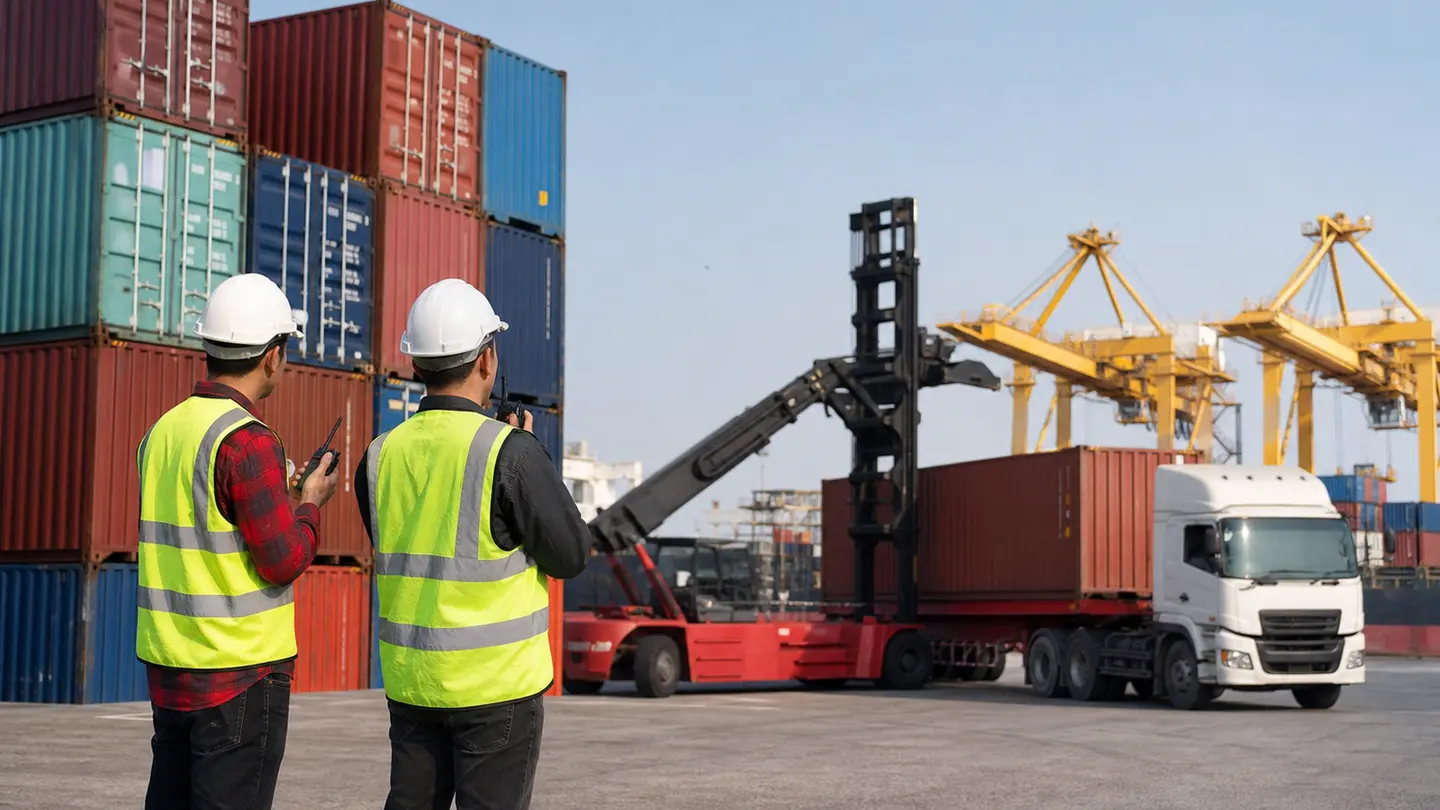
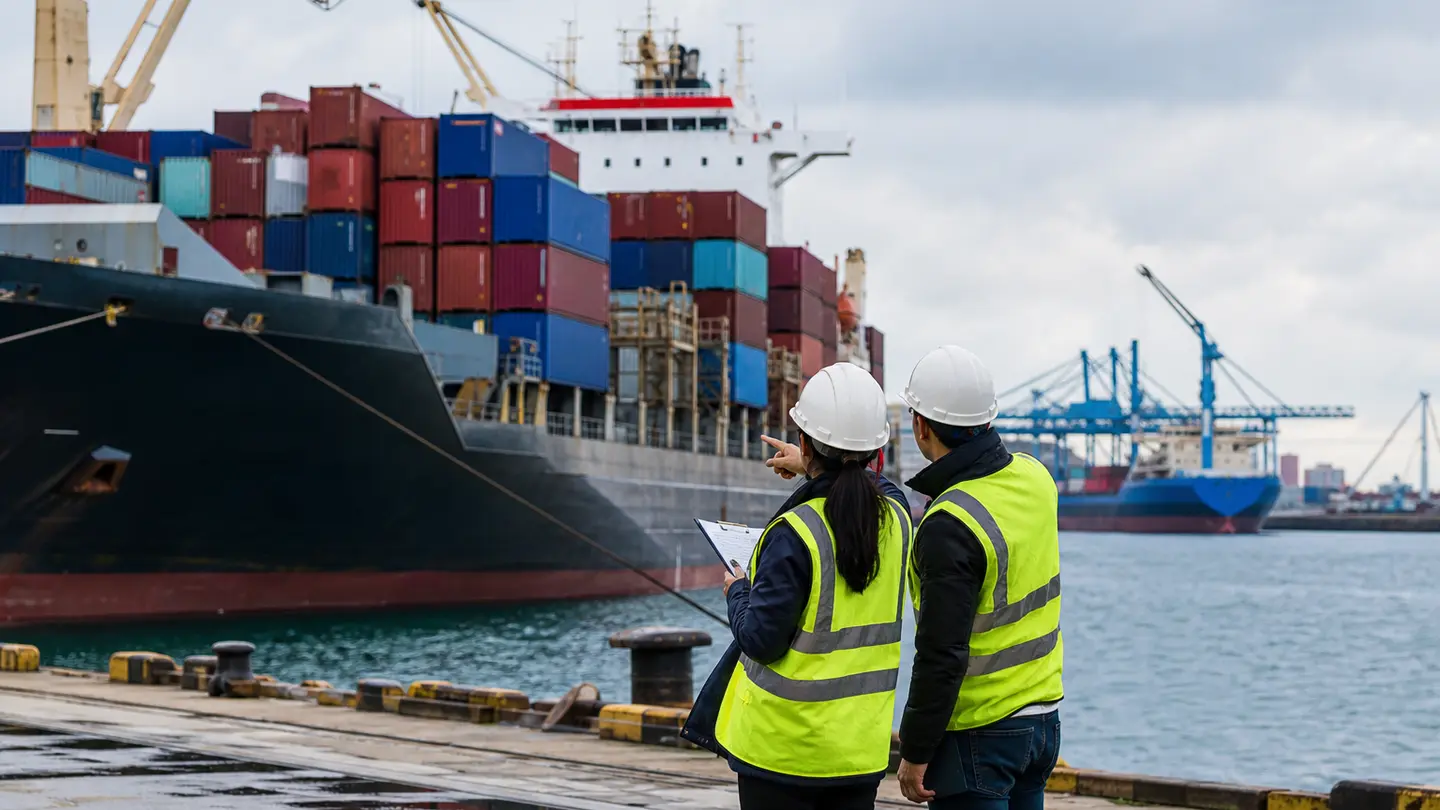
Imports into England, Scotland and Wales may enter through major Great Britain ports such as Felixstowe, Southampton, London Gateway and Liverpool. The selected port can affect onward transport, terminal fees, congestion exposure and delivery timing. For bulky bathroom products, the distance between the arrival port and the importer’s warehouse can be a meaningful part of the final cost.
Customs duty is not a figure a supplier can simply negotiate away. It depends on the correct commodity code, product description, customs value and applicable origin rules. A shower screen, ceramic basin, stainless-steel fitting or electric bathroom accessory may not share the same tariff treatment, even when they are supplied in one purchase order.
Import VAT is usually calculated on more than the ex-works product price. The taxable amount can include the customs value of the goods, freight, insurance, customs duty and certain related costs. This is why an importer should not assess VAT exposure only by applying 20% to the supplier invoice value.
For procurement teams, a landed-cost worksheet should capture every shipment-related cost. It should also distinguish between recoverable VAT and permanent expenditure. That makes it easier to compare suppliers, shipping modes and Incoterms on a like-for-like basis.
Arrange Your GB EORI Number Before Shipping
A business that acts as importer of record in Great Britain will generally need a GB Economic Operators Registration and Identification number, usually called a GB EORI number. This number links the importer to customs declarations and is an important part of establishing who is responsible for the import.
Applications for a GB EORI number are free. However, processing may take longer where additional checks are needed. It is therefore safer to apply before goods leave China, rather than waiting until a shipment is already at sea or held at a port.
Customs declarations in Great Britain are handled through the Customs Declaration Service. A freight forwarder or customs broker may submit declarations on the importer’s behalf, but the importer still needs to ensure that the information used is correct. This includes the business name, EORI number, commodity code, goods value, Incoterm and VAT-accounting instructions.
Leaving registration until the last minute can create avoidable problems, including:
- Delays in customs clearance
- Difficulty confirming importer status
- Incorrect VAT treatment
- Additional port storage or handling charges
- Delayed delivery to a warehouse, retailer or project site
For shower manufacturers and distributors importing large or fragile products, delays can also create operational issues. A container of shower glass, trays or fittings held at port may disrupt inventory availability, installation schedules and customer delivery commitments.
How DDP Shipping Can Make Import VAT a Permanent Cost
Delivered Duty Paid, or DDP, is often attractive because it appears to provide a single delivered price. However, DDP shipping needs careful review. The key question is not only who arranges transport, but who is named as importer on the customs declaration.
The party named as importer can affect who is entitled to account for and, where eligible, recover import VAT. A supplier, freight agent or overseas logistics provider may arrange the shipment, but this does not automatically mean the UK buyer is the importer of record.
For example, a Chinese supplier may offer DDP delivery to a UK warehouse. Several different arrangements could sit behind that quote:
- The UK buyer is named as importer, while the supplier or forwarder manages transport and customs paperwork.
- A UK-based agent or logistics provider is named as importer.
- The supplier imports the goods and then sells them to the buyer within the UK.
These scenarios can have different VAT consequences.
If the UK buyer is the named importer and is VAT registered, it may be possible to use postponed VAT accounting or reclaim import VAT through the appropriate procedure. If another party is named as importer, the buyer may not have the necessary evidence to recover import VAT.
Where a supplier imports the goods and resells them in the UK, the transaction may instead be treated as a domestic sale. In that case, the buyer may need a valid UK VAT invoice from the supplier or seller, rather than import VAT evidence such as a C79 certificate or postponed VAT statement.
A DDP quotation should therefore be supported by written confirmation of:
- The named importer on the customs declaration
- The EORI number being used
- Who is responsible for customs duty and import VAT
- Whether the buyer will receive import VAT evidence
- Whether the supplier will issue a valid domestic UK VAT invoice, if relevant
Without this clarity, VAT can become embedded in the product purchase cost, even where the buyer expected it to be recoverable.
Two Ways to Account for Import VAT and the Evidence Required
VAT-registered UK businesses generally have two main ways to account for import VAT: postponed VAT accounting or payment at the border.
Postponed VAT accounting
Postponed VAT accounting allows an eligible VAT-registered importer to declare import VAT on its VAT return, rather than paying it immediately at the border. The business can normally account for the import VAT and reclaim it on the same return, subject to the usual VAT-recovery rules.
This can reduce the cash-flow pressure associated with importing large orders of shower products. For example, a container shipment of glass doors, shower bases and brassware may carry substantial VAT exposure even before the goods are sold.
The importer must make sure that its customs broker receives clear written instructions to use postponed VAT accounting where appropriate. The importer should also retain its postponed import VAT statement and reconcile it with the VAT return.
Paying import VAT at the border
Alternatively, import VAT may be paid when the goods clear customs. A VAT-registered importer may be able to recover that VAT through its VAT return if it holds the required evidence and meets the normal conditions for input VAT recovery.
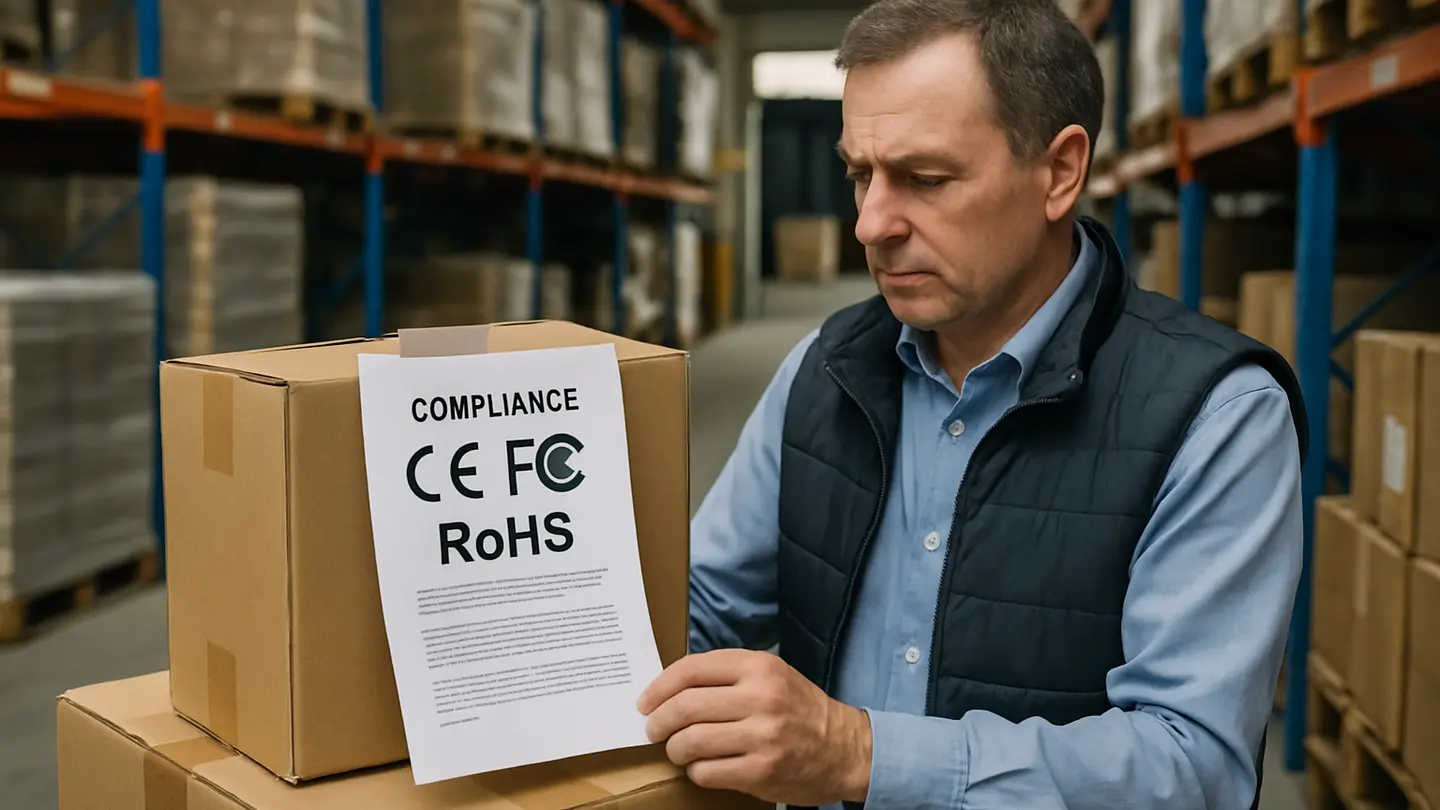
The relevant documentary evidence may include a C79 certificate showing import VAT paid. The importer should confirm that the certificate and customs-entry information identify the correct importing business.
In both cases, record retention matters. Importers should keep:
- Supplier commercial invoices
- Packing lists
- Bills of lading, airway bills or courier documents
- Customs-entry evidence
- Commodity-code information
- Freight and insurance invoices, where relevant
- Postponed import VAT statements or C79 certificates
- Written broker instructions
- Correspondence confirming Incoterms and importer status
A forwarder can prepare a declaration, but the importing business should still review whether the customs entry matches the commercial arrangement. Correct documentation is essential to support both customs compliance and VAT recovery.
Ways to Reduce Permanent China-to-UK Import Costs
Not every China to UK shipping cost can be reclaimed, so importers should focus on reducing recurring permanent costs. The most effective action depends on how freight is priced.
When a shipment is charged by volume, reducing unused carton space can lower freight expenditure. This is particularly relevant for shower enclosures, screens and trays, which may be bulky relative to their weight. Better carton dimensions, nested packaging and well-planned palletisation can increase the number of saleable units per cubic metre.
When freight is charged by actual weight, packaging-volume savings may have less effect. Dense products such as brass valves, metal fittings or hardware sets may be more influenced by weight than carton size. Procurement teams should ask the forwarder whether the shipment is rated by actual weight, chargeable weight, volume or container capacity before redesigning packaging solely to reduce freight.
For full-container shipments, the freight charge is usually more fixed. In this situation, better loading can improve cost efficiency by increasing the number of units loaded into the container. The objective is not necessarily to reduce the container freight bill, but to spread it across more sellable products.
Useful cost-control measures include:
- Selecting packaging dimensions that suit the planned transport mode
- Improving container utilisation without compromising product protection
- Consolidating compatible orders into fewer shipments
- Avoiding frequent small deliveries that generate repeated clearance and handling charges
- Planning stock levels early enough to use lower-cost transport where feasible
- Checking whether separate supplier shipments can be consolidated at origin
- Reviewing whether the chosen port is efficient for final delivery
Consolidation can be particularly valuable for businesses sourcing different bathroom product categories from more than one supplier. Combining compatible goods may reduce the number of customs declarations, local delivery bookings and handling charges. However, it can also introduce coordination risks if one supplier delays the consolidated shipment.
Cost reduction should not compromise quality control. Glass protection, corner reinforcement, moisture-resistant carton materials and clear product identification may add packaging cost, but can prevent breakage, mis-picks and claims that are more expensive than the freight saving.
FAQ
Q1: Do I have to be VAT registered to import from China?
A business can generally import from China without being VAT registered. However, an unregistered business cannot normally reclaim import VAT through a VAT return.
As a result, import VAT may become a permanent cost for a non-VAT-registered importer. This should be included in the product margin calculation before placing an order.
For a larger first order, especially one involving container freight or high-value bathroom goods, professional tax advice may be worthwhile before shipment. The decision to register for VAT depends on the business’s wider circumstances, not only on one import transaction.
Q2: Does the £135 rule help a business importer?
The £135 low-value rule is unlikely to apply to many wholesale imports of shower products, fittings or building materials because commercial shipments often exceed that value.
Businesses should also avoid assuming that splitting a linked commercial order into smaller consignments will produce a different VAT result. The relevant treatment depends on the complete commercial arrangement and the way the goods are supplied and shipped.
Where low-value consignments are involved, importers should confirm the VAT treatment before dispatch rather than relying on a supplier’s general statement that “tax is included.”
Q3: My supplier quotes DDP and will not change the term. What now?
Request written confirmation of the customs arrangement before making payment or allowing the goods to ship. In particular, ask who will be named as importer on the customs declaration and whose EORI number will be used.
If the supplier or another party imports the goods and sells them to the buyer after import, the buyer may need a valid UK VAT invoice to support any VAT recovery. If the buyer is intended to be the importer, it should confirm that it will receive the required import VAT evidence.
Do not assume that a DDP quotation automatically gives the buyer a right to reclaim import VAT. If the VAT treatment is undocumented, VAT may remain included in the purchase cost.
Q4: What records do I need to support the reclaim?
Where the buyer is the importer, key records may include the supplier invoice, customs-entry evidence, freight documents and either a postponed import VAT statement or C79 certificate, depending on how VAT was accounted for.
Import VAT may be calculated on the goods value plus freight, customs duty and other applicable charges, so it is useful to retain supporting cost documents as part of the import file.
If the supplier acted as importer and then supplied the goods in the UK, the buyer may need a valid domestic UK VAT invoice instead of import VAT documents. The correct evidence depends on the buyer’s actual role in the transaction.
Final Checks Before Your Shipment Leaves China
A supplier or freight forwarder can support the shipping process, but neither party determines a buyer’s entitlement to recover VAT. That depends on the legal and documentary position of the importer, the customs declaration and the buyer’s VAT status.
Before goods leave China, confirm:
- The agreed Incoterm
- The named importer of record
- The GB EORI number to be used
- The correct commodity code and goods description
- Who pays duty, freight, clearance and delivery charges
- Whether postponed VAT accounting will be used
- What import VAT evidence will be available
- Whether a domestic UK VAT invoice is required under the arrangement
- Which party is responsible for customs broker instructions
A correct setup before dispatch is usually simpler and less costly than trying to correct customs and VAT issues after the goods have arrived. When responsibilities are unclear, a UK customs broker or tax adviser can help clarify the declaration process and record requirements.
About the Author
The author writes B2B sourcing and supply-chain guidance for businesses purchasing manufactured goods internationally. Their work focuses on practical importing considerations, including supplier terms, freight planning, landed-cost calculations, customs documentation and procurement risk management.