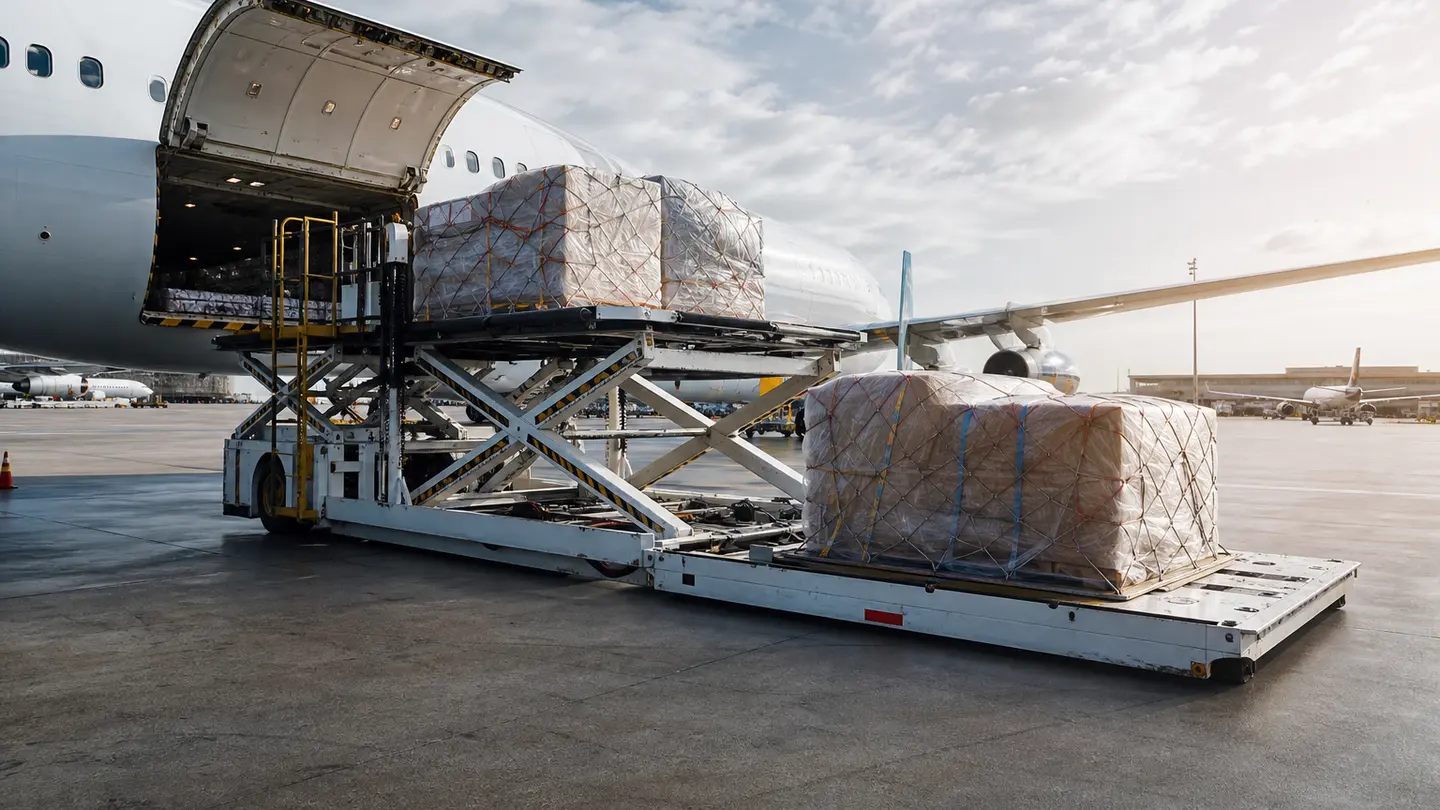
China to US express shipping is often the fastest practical option for urgent B2B parcels, but “express” does not mean every shipment arrives in the same number of days. Premium courier services commonly deliver within roughly three to five business days after collection, while lower-cost parcel services may require one to three weeks.
For buyers of shower products, this difference matters when shipping product samples, replacement cartridges, valves, handles, packaging samples, inspection tools, or small replenishment orders. A shipment’s actual arrival date depends on more than the aircraft schedule. Customs preparation, destination ZIP code, collection timing, and seasonal carrier volume all affect the final result.
DHL, FedEx, and UPS for Fast China-to-US Delivery
DHL, FedEx, and UPS are commonly used for China to US express shipping because they operate integrated international courier networks. In a typical shipment, the courier or its authorized pickup partner handles collection in China, air transport, customs support, US network sorting, and final-mile delivery.
This integrated model is useful when time and tracking visibility matter more than the lowest freight rate. Premium express services are generally appropriate for:
- Product samples needed for buyer approval
- Replacement parts for showroom displays or installations
- Urgent replenishment of small quantities
- Time-sensitive documents or quality-control samples
- Small, high-value components that are expensive to keep out of stock
For example, a distributor waiting for a revised shower valve sample before finalizing an order may prefer premium express delivery over a lower-cost parcel line. The cost of a few additional shipping days could be greater than the courier charge if it delays purchasing, testing, or retail launch plans.
However, premium express rates are usually high on a per-pound basis. Charges are often based on the higher of actual weight and dimensional weight. A carton containing lightweight but bulky shower accessories, plastic packaging, or display materials may therefore cost more than expected. Before booking, ask for the shipment’s chargeable weight rather than relying only on the scale weight.
When a Lower-Cost Parcel Service Is the Better Fit
Lower-cost cross-border parcel services can be a sensible alternative when delivery deadlines are flexible. These services may use consolidated international transport and transfer parcels to a US domestic carrier for final delivery. Typical delivery times are often around one to three weeks, depending on the route, customs process, and final-mile carrier.
They can work well for lightweight, lower-value shipments such as:
- Non-urgent sample accessories
- Small quantities of promotional materials
- Replacement packaging components
- Low-value product swatches or finish chips
- Routine replenishment with adequate safety stock
The main trade-off is consistency. Tracking may be less detailed than with a premium courier, especially during international handoffs, consolidation stages, or customs processing. A parcel may show limited updates until it enters the US domestic delivery network.
Budget parcel services are therefore better suited to orders with a real scheduling buffer. They are less appropriate when a buyer needs a confirmed arrival date for a customer installation, a trade event, a production decision, or a retail receiving appointment.
When comparing options, do not compare shipping price alone. Consider the value of inventory, the cost of a stockout, the urgency of the shipment, tracking requirements, and the consequences of a delay.
What Express Transit Estimates Do Not Include
A quoted express transit time usually begins after the courier collects the parcel. It is not the same as the complete factory-to-destination timeline.
For a commercial shipment, the full process may include:
- Production completion and internal quality checks
- Packing, labeling, and export carton preparation
- Courier booking and pickup scheduling
- Export processing in China
- International air transport and carrier sorting
- US customs clearance
- US domestic sorting and final delivery
Each stage can add time. If finished goods are ready on a Friday evening, for example, collection may not happen until the next business day. The shipment has not yet entered the carrier’s transit timeline, even though production is complete.
The same issue can arise when cartons are not ready for pickup, commercial documents are incomplete, or a supplier needs time to confirm final quantities and declared values. For shower manufacturers and buyers, this may be particularly relevant when a shipment contains mixed parts, such as showerheads, hoses, brackets, cartridges, and installation accessories. The packing list and invoice should reflect the final carton contents clearly.
Buyers should plan around the estimated delivery date provided for the complete shipment, not only the stated flight duration. A direct air route may take a short time, but the parcel still requires pickup, sorting, customs release, and final-mile delivery.
Common Reasons China-to-US Parcels Are Delayed
Many express delays are not caused by the flight itself. Documentation problems, customs questions, delivery-area limitations, and peak-season congestion are common factors.
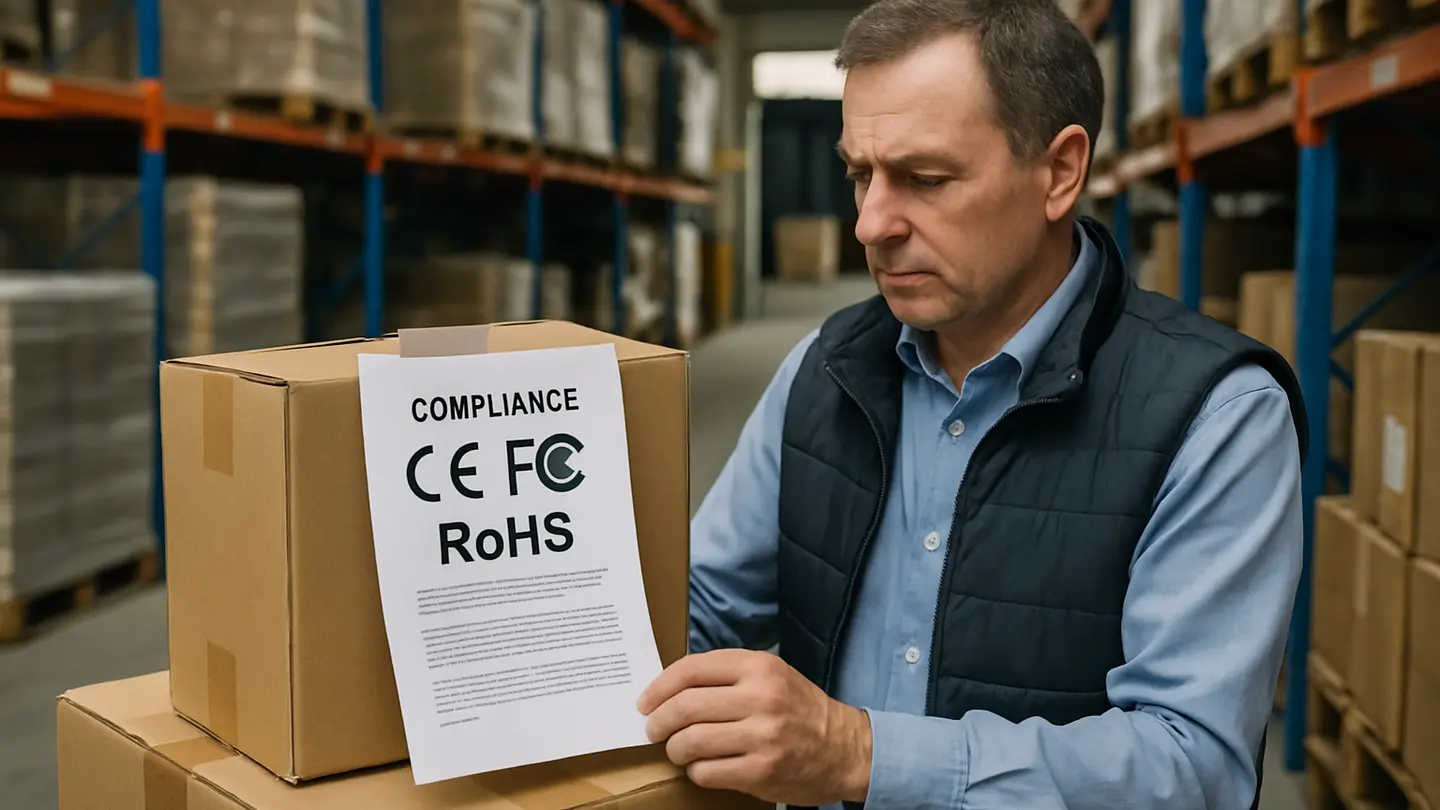
Incomplete or inconsistent customs paperwork can slow clearance. Product descriptions, declared values, commercial invoices, and commodity classifications should align. A vague description such as “bathroom parts” may create more questions than a clear commercial description identifying the product type and use.
For example, an invoice should distinguish between products where relevant, such as shower fittings, metal brackets, water-control components, or non-electrical bathroom accessories. Descriptions should be accurate without being unnecessarily broad or misleading. The declared value should also match the commercial transaction and supporting documents.
Other common delay factors include:
- Remote delivery locations: Some ZIP codes require extra depot transfers and may be subject to remote-area surcharges.
- Chinese holiday closures: Factory operations, pickup arrangements, customs processing, and carrier capacity can be affected around major holidays.
- US peak-season volume: High parcel volume can slow carrier sorting, customs processing, and final-mile delivery.
- Missing receiver information: An incomplete address, incorrect contact number, or unavailable consignee can interrupt delivery.
- Unresolved duty or clearance requests: Customs or the carrier may need additional information before release.
The best prevention is preparation before dispatch. Confirm the address, consignee details, product description, value declaration, packing information, and party responsible for duties and import procedures.
Confirm US Import Responsibilities Before Shipping
Before goods leave China, the buyer and shipper should agree on who is responsible for US import clearance, duties, taxes, and any required customs information. This is especially important for commercial shipments rather than one-off personal parcels.
Depending on the shipment value, product classification, and current import rules, a shipment may require formal entry, importer identification, or assistance from a customs broker. Import requirements can differ by product type and shipment circumstances, so buyers should review the applicable rules before dispatch.
Duty treatment depends on factors including:
- Declared shipment value
- Product classification
- Country of origin
- Current tariff and import rules
- Whether the goods are subject to product-specific requirements
For shower-related goods, product classification should be considered carefully. Different items within the same order may not necessarily share the same classification. A shipment containing metal shower fittings, plastic components, valves, and electronic accessories may require more detailed review than a carton containing one simple product type.
Delivery terms such as DDP may assign clearance and duty costs contractually, but they do not eliminate the need to define importer responsibilities clearly. Buyers should understand who acts as importer of record where applicable, who provides customs information, and what happens if customs requests additional documents or payment.
Checking tariffs and import requirements before shipping is generally easier than resolving a border hold after the parcel has already arrived in the US.
When Express Shipping No Longer Makes Economic Sense
China to US express shipping is generally most effective for small, urgent, or high-value shipments. As chargeable weight rises, the cost can increase quickly.
This is particularly important for bulky goods. Couriers commonly use dimensional-weight calculations, meaning a large carton may be charged by its volume rather than its actual weight. A lightweight carton containing shower enclosures, display components, large packaging inserts, or multiple low-density products may have a high chargeable weight.
As shipment size grows, buyers should compare express shipping with other options:
| Shipping option | Typical use case | Main trade-off |
|---|---|---|
| Premium express courier | Urgent samples, parts, and small replenishment orders | Highest cost per chargeable weight |
| Lower-cost parcel line | Lightweight goods with flexible deadlines | Slower delivery and less consistent tracking |
| Air freight | Larger urgent commercial shipments | Requires additional handling and may not be door-to-door by default |
| Ocean freight | Heavier planned orders and regular inventory replenishment | Longest lead time |
Air freight may offer better economics than express for heavier shipments that still need relatively fast transport. Ocean freight is generally more appropriate for larger planned orders where buyers can allow sufficient lead time for production, consolidation, transport, customs, and domestic delivery.
The decision should reflect total landed cost and operational risk, not freight cost alone. Sending an urgent carton by express may be justified if it prevents a production stoppage or a lost customer sale. Sending a full pallet or several bulky cartons by express is usually harder to justify unless the shipment is exceptionally valuable or time-critical.
FAQ
Is Express Delivery to the US West Coast Faster Than to the East Coast?
Not automatically. A West Coast destination may appear closer to China geographically, but actual delivery timing depends on the courier’s network, selected service level, gateway airport, customs processing, and the final destination ZIP code.
An East Coast parcel can sometimes move efficiently through a carrier’s established network, while a West Coast parcel may still require additional handling or final-mile transfers. Buyers should request an estimate for the exact shipping address rather than assuming the destination coast determines delivery speed.
Does the Destination ZIP Code Affect Express Delivery Time?
Yes. The destination ZIP code can affect routing, final-mile timing, and sometimes shipping cost. Major metropolitan areas often have stronger courier coverage and more frequent final-mile delivery operations.
Remote addresses may require additional transfers through regional depots, which can add time. Some carriers may also apply remote-area surcharges. When planning a critical delivery, confirm the exact address and ZIP code before booking the shipment.
Can Product Type Change US Customs Clearance Time?
Yes. Product type can affect the complexity of customs clearance. Ordinary goods with accurate descriptions, values, and supporting documents may move through the process more smoothly than goods requiring additional review.
Certain products, including battery-powered electronics, may need extra documentation or handling. Mixed shipments can also create complexity if the commercial invoice does not clearly identify the different items. Importers should identify any product-specific US import requirements before shipping rather than waiting for a customs inquiry.
Can Import Duty Delay an Express Parcel?
It can. If duties, taxes, or related import charges are unresolved, customs release or final delivery may be delayed. The carrier may request payment or clarification before the parcel can move forward.
To reduce avoidable holds, agree in advance on who is responsible for import duty and customs charges. The shipping documents, delivery terms, and importer arrangements should support that agreement.
Key Takeaways for Planning China-to-US Express Shipments
Premium couriers can often deliver China-to-US parcels in roughly three to five business days after collection, making them useful for urgent samples, replacement parts, and time-sensitive replenishment. Lower-cost parcel lines usually take longer, commonly one to three weeks, but may be suitable for lightweight and non-urgent goods.
Reliable planning requires more than choosing a fast service. Buyers should coordinate production completion, packing, courier collection, export documents, customs preparation, duty arrangements, destination details, and final delivery scheduling.
For high-priority shipments, verify the exact estimated delivery date for the destination address, ensure commercial paperwork is consistent, and confirm US import responsibilities before dispatch. For larger or bulkier orders, compare the chargeable weight and total logistics cost against air freight or ocean freight options.
About the Author
The author is a B2B sourcing and logistics writer covering international procurement, supplier coordination, shipping planning, and import considerations for commercial buyers. Their work focuses on practical decision-making across production schedules, freight options, customs preparation, and inventory risk.