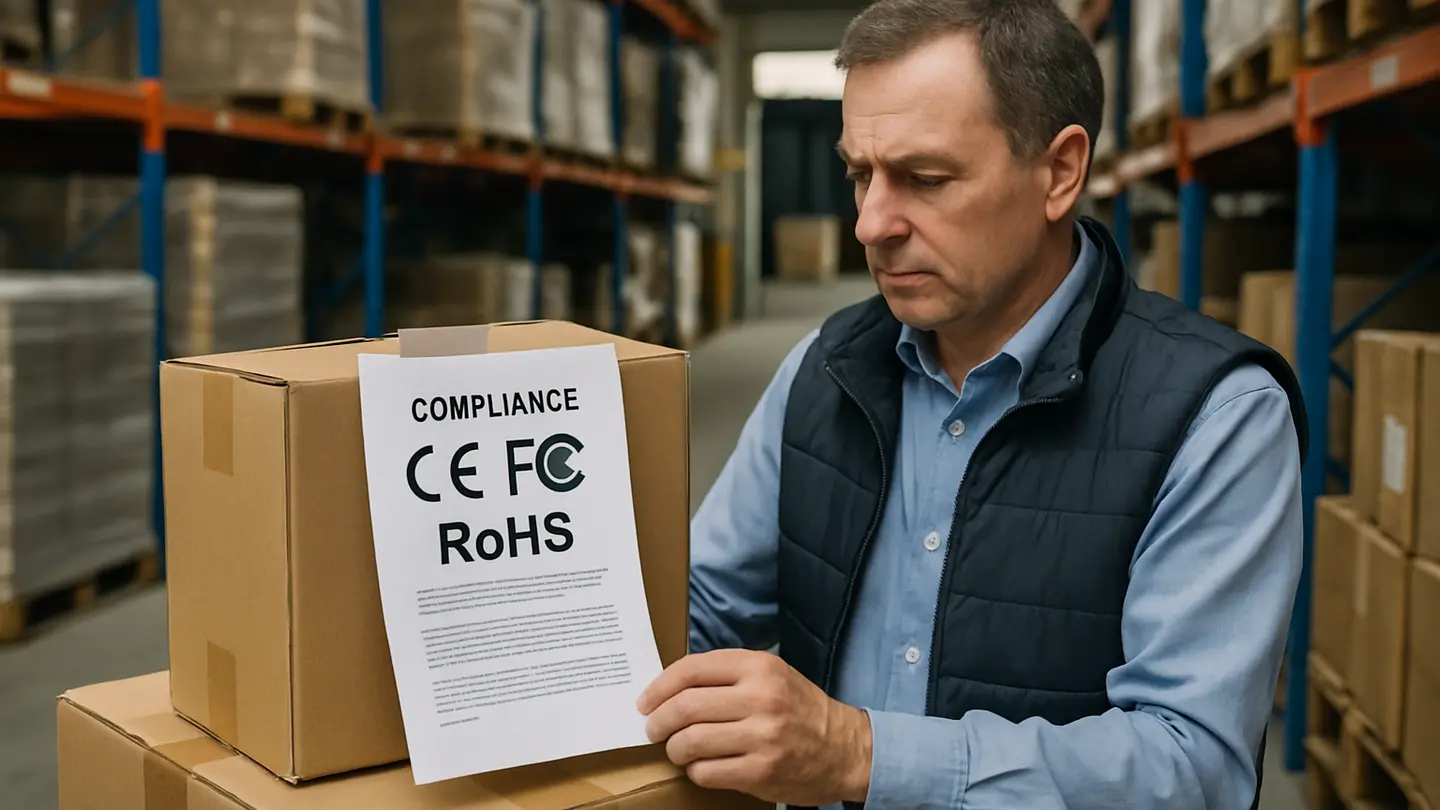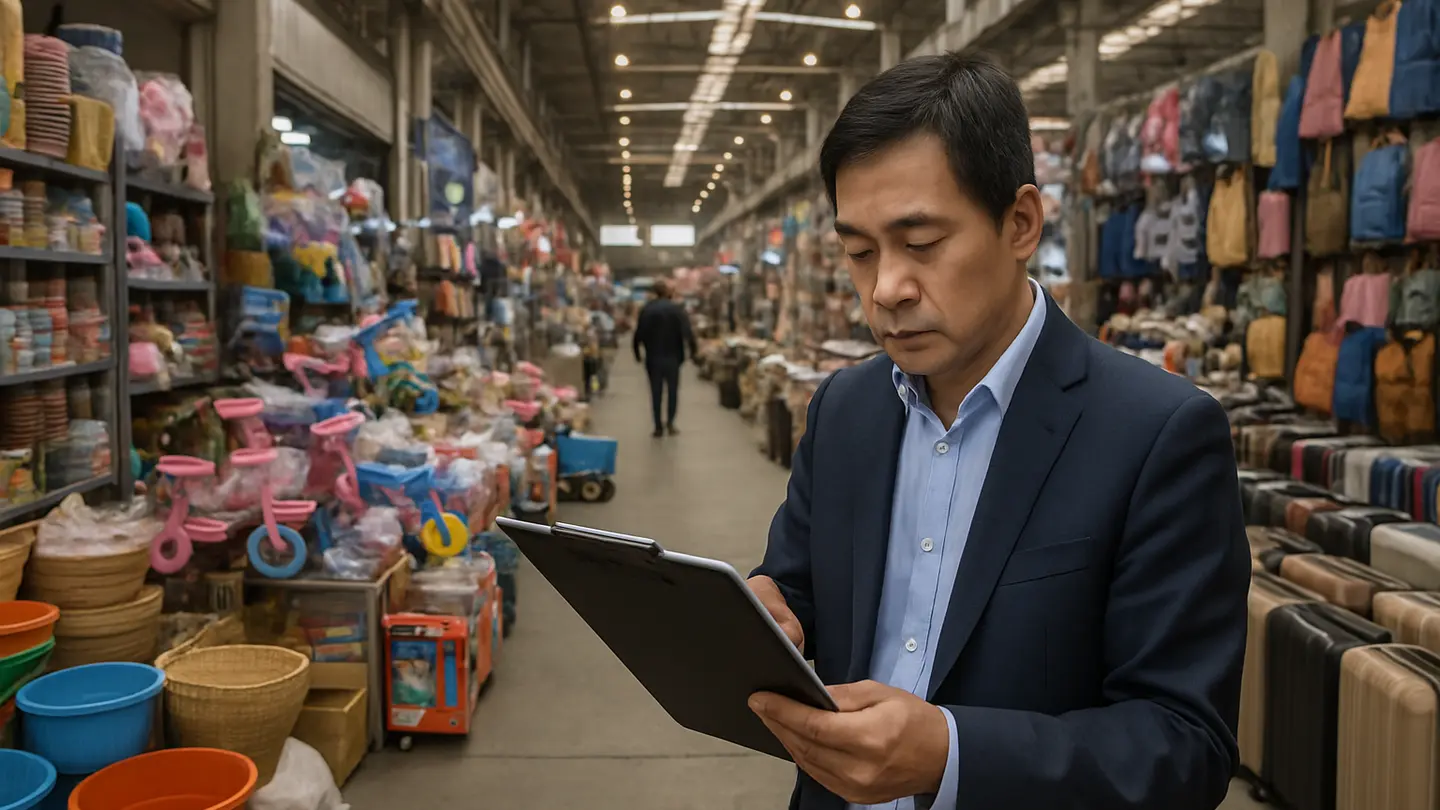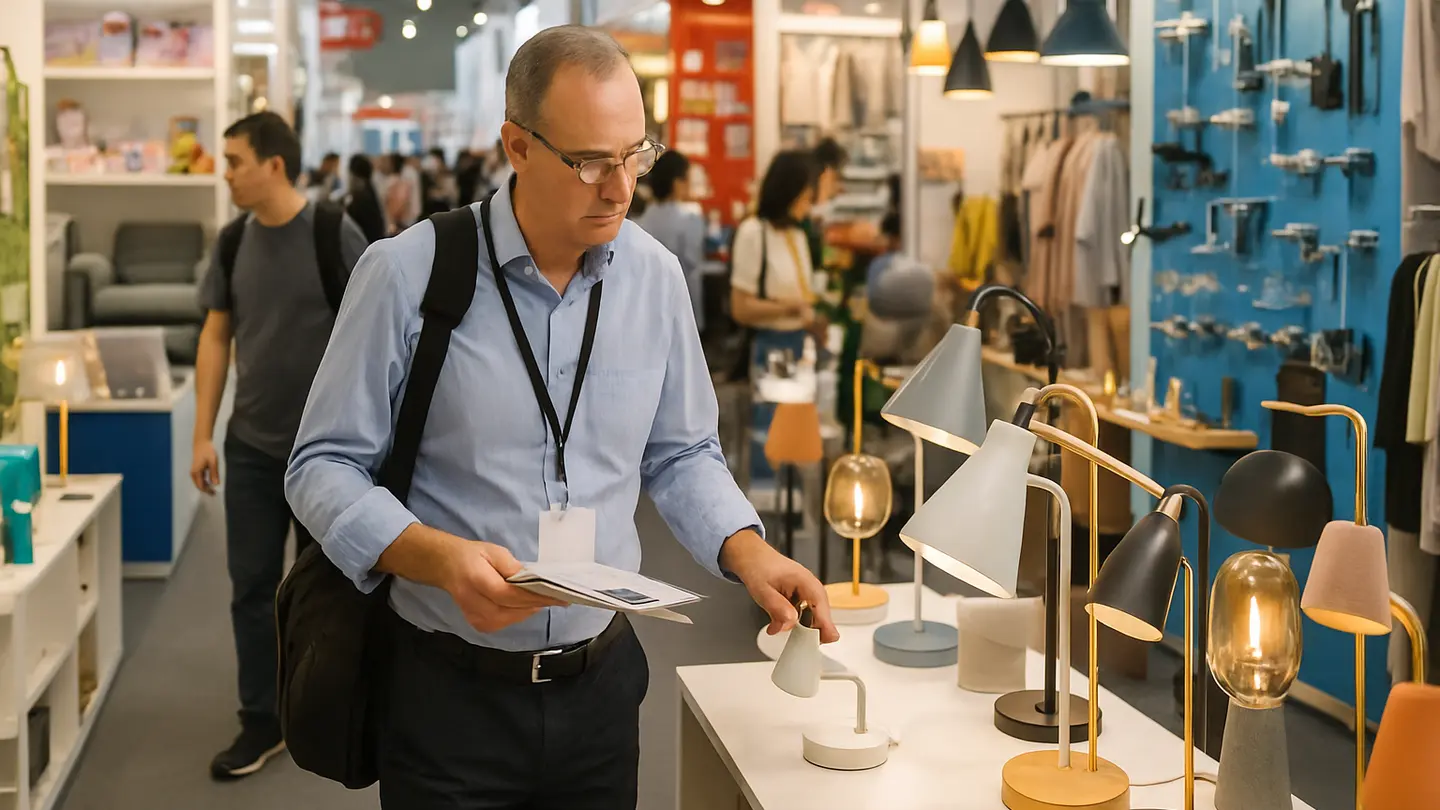
For international sourcing teams, China trade fairs remain one of the most efficient ways to compare suppliers, inspect product samples, and understand where a category is moving. Online research can identify potential manufacturers, but trade fairs allow buyers to see finishing quality, ask technical questions, discuss customization, and assess how a supplier communicates under real purchasing conditions.
This guide covers 12 major fairs that are especially relevant for B2B product sourcing. Some are broad export fairs covering many consumer and industrial categories; others focus on specific sectors such as furniture, beauty, hardware, textiles, lighting, toys, bathroom products, electronics, stationery, and home goods. Key sourcing cities include Guangzhou, Shanghai, Yiwu, Shenzhen, Hangzhou, and Hong Kong.
Many overseas buyers plan a one- to two-week sourcing trip around these events. A well-structured itinerary may combine one or two exhibitions, pre-arranged supplier meetings, wholesale market visits, and factory inspections. Before travel, buyers should check the official fair website, register online where required, confirm badge collection procedures, and request an invitation letter if needed for a visa application.
China Import and Export Fair, Also Known as the Canton Fair
The China Import and Export Fair, widely known as the Canton Fair, is China’s largest international trade fair and one of the most important starting points for overseas buyers. It is usually held twice a year in Guangzhou, with a spring session around April and an autumn session around October.
The fair is divided into phases, allowing buyers to focus on relevant categories such as electronics, household goods, hardware, building materials, consumer products, textiles, gifts, and more. For many importers, it is useful because it offers access to a large supplier base in one location.
The spring session is often associated with new product launches and updated catalogs, making it useful for buyers planning future assortments. The autumn session can be attractive for ready-to-ship products, seasonal items, and holiday-related sourcing. Established buyers often use the Canton Fair to find alternative manufacturers, benchmark pricing, expand product ranges, and reconnect with existing suppliers.
China Yiwu International Commodities Fair for General Export Goods
The China Yiwu International Commodities Fair is an annual general trade fair usually held in late October. Its timing can align well with the Canton Fair autumn session, making it practical for buyers who want to combine Guangzhou and Yiwu in one sourcing trip.
Yiwu is best known for its massive wholesale market, where buyers can find small commodities, daily-use goods, accessories, gifts, stationery, household items, seasonal products, packaging, and many other export-oriented categories. The fair adds structure to that sourcing environment by bringing suppliers and product displays into an exhibition setting.
For buyers sourcing high-volume, low-to-mid-value consumer goods, the Yiwu Fair can be especially useful. A common approach is to compare products and suppliers at the exhibition, then continue more detailed discussions in the wholesale market or supplier offices afterward. This allows buyers to refine specifications, confirm minimum order quantities, and evaluate whether a supplier can support repeat orders.
China International Furniture Fair for Home, Office, and Outdoor Categories
The China International Furniture Fair, or CIFF, is one of the world’s major furniture exhibitions. It is held in Guangzhou in March and Shanghai in September, giving buyers two opportunities each year to explore furniture and interior product categories.
The fair covers home furniture, office furniture, outdoor furniture, home textiles, décor, and related materials. For importers, retailers, project buyers, and hospitality procurement teams, CIFF offers a broad view of China’s furniture manufacturing base and product development capabilities.
The Guangzhou edition is often stronger for supplier sourcing and factory-visit planning. Many furniture manufacturers and supply chain partners are located within reach of the Pearl River Delta, so buyers can combine the show with factory meetings. The Shanghai edition is more useful for design innovation, market direction, branding, and trend scouting. Buyers looking for new styles, finishes, materials, and showroom-quality concepts may find the Shanghai event particularly valuable.
China Beauty Expo for Cosmetics, Skincare, and Beauty Supply Chains
China Beauty Expo is a major beauty-sector sourcing event with editions in Shanghai in May and Hangzhou in September. The Shanghai edition is generally the larger and more comprehensive sourcing event, attracting manufacturers, brand owners, packaging suppliers, ingredient companies, and beauty device vendors.
The fair is relevant to buyers sourcing skincare, color cosmetics, perfumes, personal care products, salon products, beauty devices, packaging, and cosmetic ingredients. It can also help buyers understand how Chinese beauty supply chains are developing in areas such as functional skincare, lightweight packaging, niche fragrances, and device-assisted treatments.
The Hangzhou edition is often more focused on emerging brands, new concepts, and innovative ingredients. Buyer priorities may vary significantly by market. A distributor in Southeast Asia may focus on affordable skincare lines, while a private-label buyer in Europe may place more emphasis on compliance, ingredient transparency, and packaging differentiation. For serious beauty sourcing, buyers should prepare regulatory questions before supplier meetings.
China International Hardware Show for Tools, Construction, and Industrial Buyers
The China International Hardware Show, or CIHS, is one of the world’s largest hardware trade fairs and is widely regarded as a key event for tools, construction supplies, and industrial sourcing. It is held every September in Shanghai.
The show has a connection with the organizer of the International Hardware Fair Cologne, giving it an international profile and making it familiar to many buyers from Europe, Asia, and emerging markets. Product areas typically include hand tools, power tools, fasteners, locks, building hardware, garden tools, abrasives, safety equipment, and industrial accessories.
CIHS is particularly relevant for buyers serving construction, manufacturing, maintenance, repair, and DIY retail channels. These categories often require careful assessment of durability, certifications, materials, and packaging. Buyers should use the show not only to compare prices, but also to review testing capabilities, export experience, spare parts availability, and whether the supplier can meet market-specific safety or labeling requirements.
Intertextile Apparel Fabrics for Textiles, Trims, and Material Trends
Intertextile Apparel Fabrics is held in Shanghai and Shenzhen at different times of the year and is one of the most important textile sourcing events in China. It covers apparel fabrics, accessories, garment trims, textile technologies, and the broader textile supply chain.
Buyers can explore natural fabrics, synthetic fabrics, functional textiles, prints, linings, buttons, zippers, lace, embroidery, labels, and other components used in garment production. The event is useful for apparel brands, fabric importers, garment manufacturers, designers, and sourcing offices.
International fashion brands and supply chain teams visit the fair not only to find suppliers, but also to research material trends. Sustainability is an increasingly important theme, with suppliers presenting recycled fibers, lower-impact dyeing approaches, traceability solutions, and performance fabrics designed for sportswear, outdoor clothing, uniforms, and fashion applications. Buyers should request swatches, test reports, color cards, and lead-time estimates before moving into sampling.
Guangzhou International Lighting Exhibition for LED and Smart Lighting Sourcing
The Guangzhou International Lighting Exhibition, commonly known as GILE, is one of the world’s major lighting exhibitions. It is held every June in Guangzhou, a city closely connected to China’s lighting manufacturing and export supply chain.
The show covers LED lighting, indoor lighting, outdoor lighting, architectural lighting, commercial lighting, decorative lighting, stage lighting, controls, components, and smart lighting systems. For importers, project contractors, distributors, and brand owners, it provides a concentrated view of supplier capabilities and category innovation.
Guangzhou and the wider Pearl River Delta region are important hubs for lighting production, which makes the fair practical for follow-up factory visits. Emerging areas include AI-enabled lighting controls, agricultural lighting, human-centric lighting, energy-efficient systems, and connected lighting for smart buildings. Buyers should pay close attention to certifications, driver quality, heat management, lumen performance, warranty terms, and whether test data matches the requirements of their destination market.
China Toy Expo for Toys, Baby Products, Licensing, and Educational Goods
China Toy Expo is held annually in October in Shanghai. It brings together suppliers from major Chinese toy manufacturing regions and is a key event for buyers sourcing toys, baby products, preschool products, educational items, and licensed goods.
The fair covers traditional toys, plush toys, electronic toys, STEM products, outdoor play items, baby and toddler goods, school-related products, and IP licensing opportunities. It is relevant for toy importers, retail chains, e-commerce sellers, brand owners, distributors, and educational product buyers.
Recent trends include designer toys, collectible figures, interactive toys, and AI-powered play products. Global toy brands and international retailers have participated in the event, which gives buyers a useful window into both mass-market production and trend-driven product development. Because toys and baby products are heavily regulated in many markets, buyers should be prepared to discuss safety testing, age grading, material compliance, labeling, packaging, and traceability.
Kitchen & Bath China for Bathroom Fixtures, Kitchen Equipment, and Smart Home Products
Kitchen & Bath China is a kitchen and bathroom trade show held every May in Shanghai. It is especially relevant for buyers sourcing bathroom fixtures, kitchen equipment, plumbing hardware, sanitary ware, cabinetry, faucets, showers, bathtubs, sinks, smart home products, and related installation components.
The fair attracts suppliers from important kitchen and bath manufacturing hubs, including Guangdong and Fujian. Both international brands and Chinese manufacturers use the exhibition to present new products, updated finishes, improved mechanisms, and design-led collections.
For bathroom and kitchen buyers, the event offers a useful mix of product comparison and technical discussion. Smart bathrooms are a major area of interest, including intelligent toilets, sensor faucets, digital shower controls, heated mirrors, and connected bathroom systems. Age-friendly bathroom solutions are also increasingly important, covering safety rails, accessible shower areas, anti-slip features, comfort-height products, and easy-control fittings. Buyers should review materials, cartridges, surface finishes, water-saving performance, and certification requirements.
Hong Kong Electronics Fair for Consumer Electronics, AI, and Smart Devices
The Hong Kong Electronics Fair is held twice a year, typically in April and October. It is a major sourcing event for consumer electronics, smart home devices, AI applications, robotics, automotive electronics, wearables, audio products, mobile accessories, and connected lifestyle products.
Hong Kong’s role as an international trading hub makes the fair convenient for buyers who want English-language business communication, export-oriented suppliers, and a broad electronics selection. It can also be combined with visits to nearby manufacturing regions in the Greater Bay Area.
One notable feature is RoboPark, a showcase area for practical AI and robotics applications. Demonstrations can include service robots, automation devices, and applied consumer technology, such as a coffee-making robot producing drinks with 3D latte art. For buyers, these demonstrations help show how technologies may be commercialized rather than simply described in catalogs. The fair can support direct buyer inquiries, quotation requests, sample discussions, and order negotiations.
China Stationery Fair for Office Supplies, Art Materials, and Cultural Products
China Stationery Fair is held annually in June in Shanghai. It is a useful sourcing event for buyers focused on stationery, office supplies, school supplies, art materials, writing instruments, paper products, collectible toys, seasonal gifts, and cultural lifestyle products.
Well-known pen and stationery brands appear at the show alongside manufacturers, distributors, and newer product developers. Buyers can compare categories such as notebooks, planners, pens, markers, desk accessories, school bags, craft materials, painting supplies, gift sets, and creative packaging.
The fair is also valuable for observing cultural product and lifestyle trends. Stationery is increasingly influenced by younger consumer preferences, including collectible designs, co-branded products, character themes, minimalist office aesthetics, and creative study tools. For B2B buyers, this means product selection is not only about price and function. Design, packaging, retail display, and social media appeal can strongly affect sell-through, especially in youth-oriented and giftable categories.
East China Fair for Apparel, Home Goods, Textiles, and Gifts
East China Fair is held every March in Shanghai and is useful for buyers sourcing mixed consumer product categories. It is not limited to one narrow sector, making it suitable for importers, department stores, chain retailers, distributors, and trading companies looking for a broad product overview.
Main categories include apparel, textile fabrics, home goods, decorative gifts, consumer products, and lifestyle items. The fair provides a convenient way to compare suppliers across multiple categories without traveling to several specialized exhibitions.
International retailers and department stores attend East China Fair for sourcing, including buyers from nearby Asian markets and large global retail channels. Examples of typical buyer groups include Japanese retailers, supermarket chains, household goods distributors, and general merchandise importers. For companies managing multiple product lines, the fair can help identify new suppliers, refresh seasonal assortments, and compare export-ready products that may suit regional retail preferences.
Planning a China Trade Fair Sourcing Trip
The China trade fairs in this guide are larger, established events with broad relevance to international sourcing teams. Smaller industry exhibitions can also be valuable, especially in niche categories, but their dates, venues, international visibility, and exhibitor mix may be less predictable. Buyers should verify current schedules directly with organizers before booking flights or hotels.
Several fairs take place close to the Canton Fair autumn session, which can make combined travel planning easier. For example, a buyer may attend the Canton Fair in Guangzhou, travel to Yiwu for general commodities, and then continue to Shanghai for category-specific meetings depending on the calendar. A realistic trip should leave space for supplier follow-ups, sample review, contract discussions, and possible factory visits.
Online trade shows and digital catalogs are useful for early product-information research and preliminary supplier discovery. They can help buyers shortlist categories, identify price ranges, and prepare questions before arriving in China. However, in-person fairs still provide advantages that are difficult to replace: buyers can inspect samples, compare competing suppliers side by side, test communication quality, discuss customization, and judge whether a manufacturer understands export requirements.
Before departure, prepare target product specifications, expected order quantities, compliance requirements, packaging needs, and price benchmarks. Register online where possible, bring business cards, confirm whether invitation letters are available for visa purposes, and schedule priority meetings in advance. The best results usually come from treating a trade fair not as a browsing trip, but as a structured sourcing project.