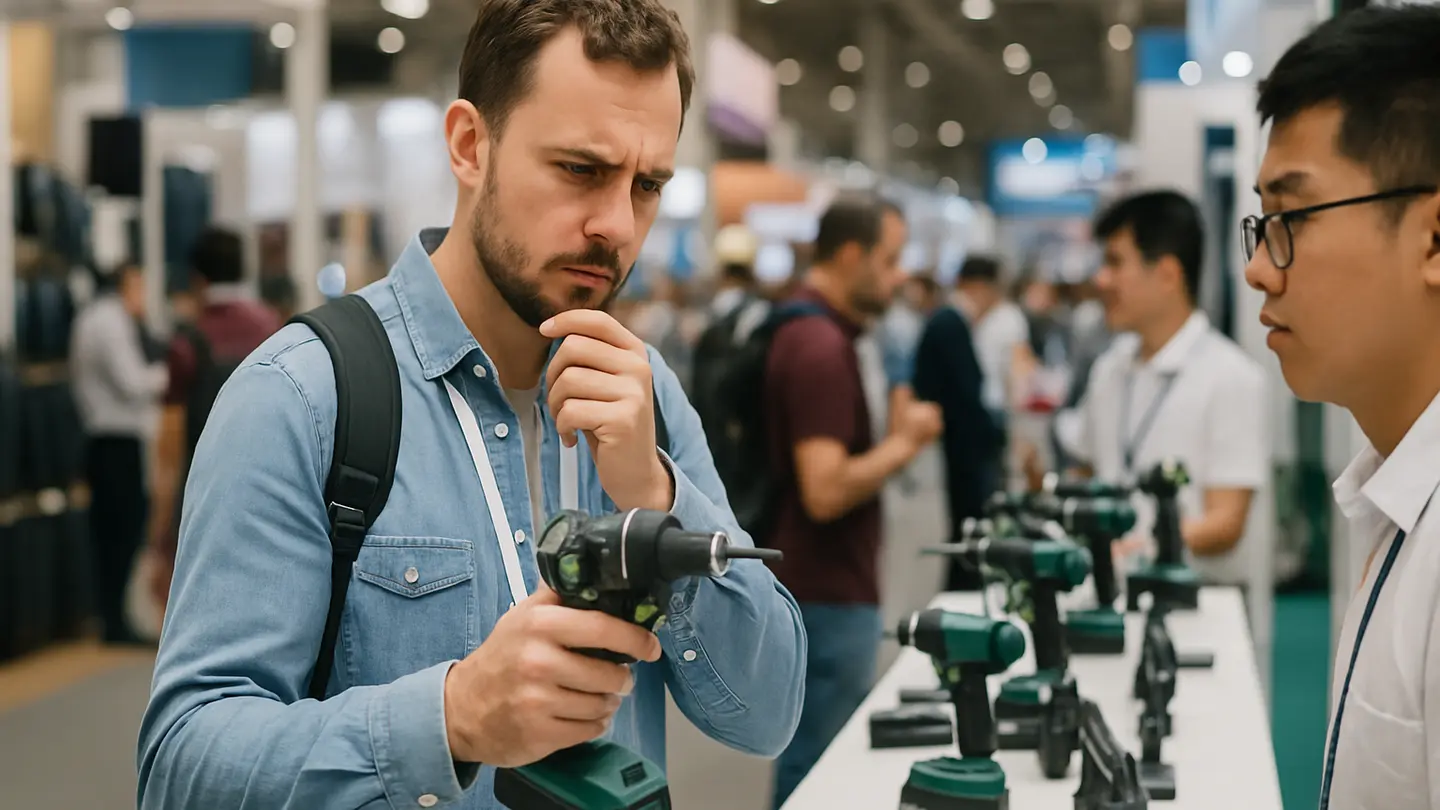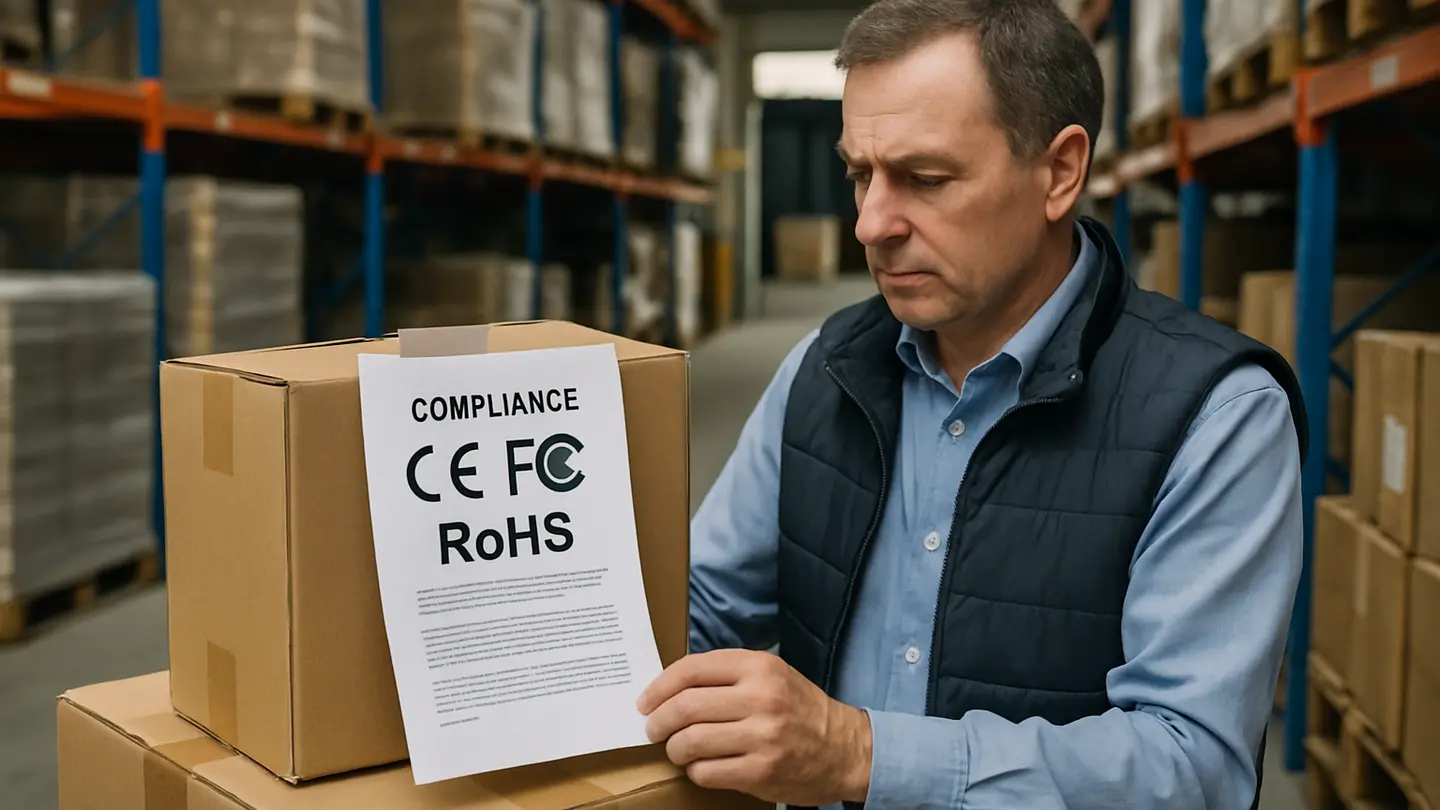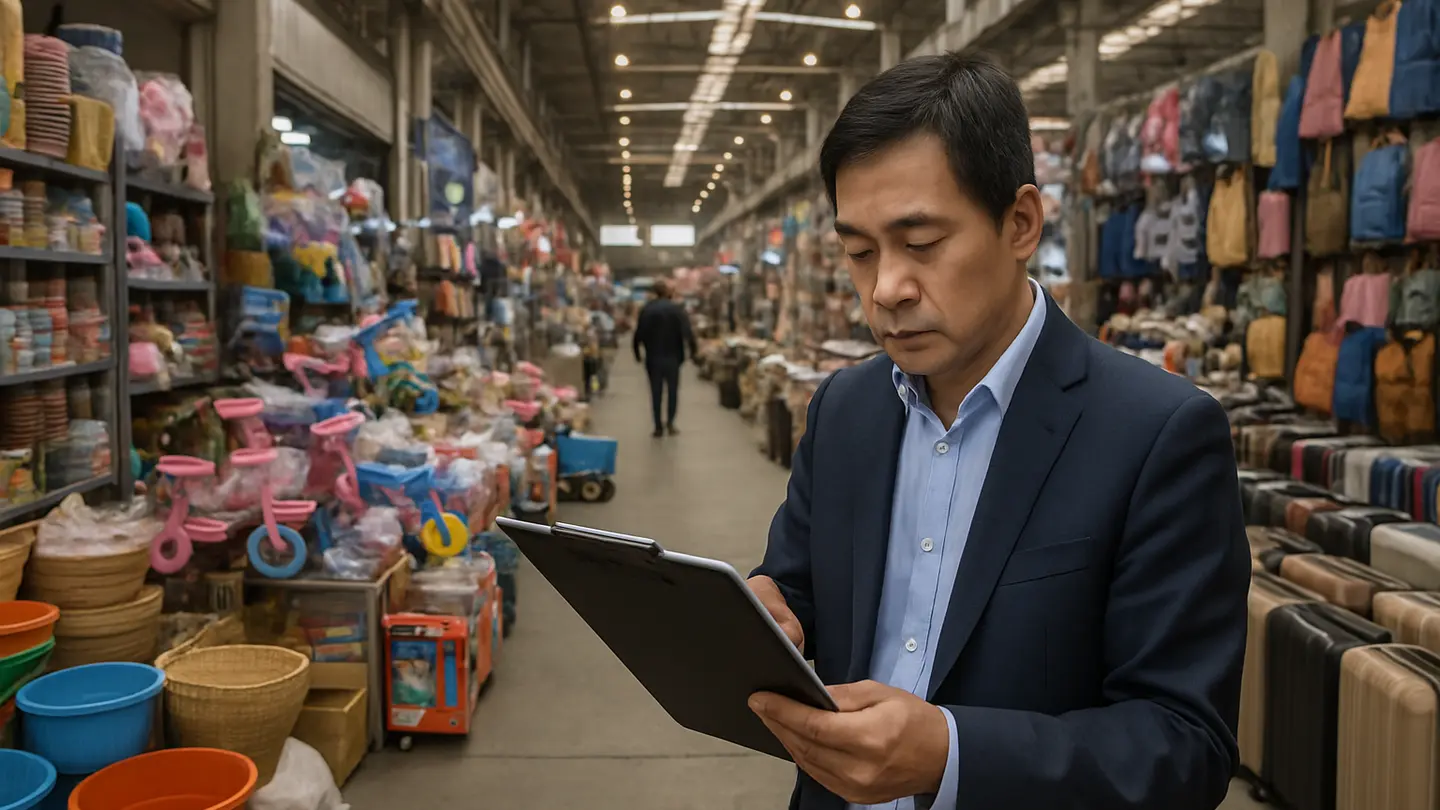
For B2B buyers, choosing between China-based and local shower suppliers is rarely a simple unit-price comparison. Local suppliers may offer faster stock access, easier communication, and convenient after-sales service. Chinese manufacturers may offer stronger unit-cost efficiency, broader customization, and flexible product-development options when order volume supports them.
A practical China supplier vs local supplier cost benefit analysis should compare total landed cost, not quotation price alone. Freight, duties, customs handling, inventory carrying cost, inspection, testing, tooling, packaging, warranty support, and replenishment speed can all change the real economics.
Where China-Based Shower Suppliers May Gain a Cost Edge
China’s cost advantage in shower products usually comes from manufacturing scale, component availability, tooling access, and supply-chain density. It should not be reduced to one factor such as wages. For B2B buyers, the question is whether those advantages still hold after logistics, compliance, quality control, and inventory planning are included.
China-based suppliers are often competitive for:
- Repeat wholesale orders
- Private-label shower ranges
- Custom finishes, handles, spray patterns, packaging, or accessories
- Multi-SKU programs using related components
- Large distributor or retail replenishment programs
- Hospitality, real estate, and wellness projects with defined specifications
However, the cost edge depends on order size, product complexity, packaging volume, defect control, and shipping efficiency. A low factory price can lose its advantage if the buyer faces rework, delayed launches, excess safety stock, or weak warranty support.
Production-Cost Differences Across China, the United States, and Italy
Manufacturing conditions differ across China, the United States, and Italy, but buyers should avoid turning labor-cost differences into a simple price multiplier. Shower products involve both material cost and process cost. The same product can require different levels of manual work depending on design, finish, assembly method, and testing requirements.
Labor-sensitive stages may include:
- Assembly of shower heads, hand showers, hoses, rails, valves, diverters, and brackets
- Matching accessories into complete kits
- Leakage and pressure testing
- Flow-rate verification
- Visual inspection of chrome, brushed, matte, or plated finishes
- Labeling, retail packaging, carton packing, and pallet preparation
- Manual correction of cosmetic or fitting issues
A basic shower head may have simple assembly requirements. A concealed shower system, thermostatic set, rainfall column, or multi-function kit may involve multiple components, tighter tolerances, repeated testing, and more coordination between suppliers.
Process efficiency matters. A supplier with stable production lines, trained workers, repeatable testing, and good component control can reduce cost without cutting quality. Conversely, a low-cost quote from a poorly managed factory can become expensive if leakage rates, finish defects, or missing accessories increase after delivery.
Italy and the United States may offer advantages in brand positioning, engineering support, local standards knowledge, and premium market perception. China may offer cost efficiency and flexible production across a wide range of specifications. The right comparison depends on the buyer’s target market, volume, service promise, and quality expectations.
How Clustered Bathroom Supply Chains Affect Cost and Speed
Many China-based shower suppliers operate within or near concentrated bathroom and plumbing supply chains. This can include nearby partners for plastic molding, die casting, plating, hoses, connectors, seals, cartridges, packaging, printed inserts, labels, and cartons.
This concentration can reduce coordination friction. If a buyer changes the finish, packaging layout, hose length, bracket design, or accessory set, a factory near supporting suppliers may revise samples and confirm changes faster than a supplier working through a fragmented network.
Clustered supply chains can help with:
- Faster sample adjustment cycles
- Easier sourcing of compatible components
- More options for finishes and accessories
- Better tooling access for custom parts
- Lower coordination cost across production steps
- Reduced margin layers when buying directly from a factory at sufficient volume
Local suppliers add value in different ways. A domestic distributor or importer may already hold inventory, manage warehousing, consolidate shipments, and provide urgent replacements. For buyers with short replenishment windows or unpredictable demand, that service can justify a higher unit price.
Direct factory sourcing often becomes more attractive when the buyer has enough volume to absorb development work, shipping cost, inspection cost, and inventory commitments. Local sourcing is stronger when speed, flexibility, and immediate stock access are more valuable than the lowest factory cost.
Customization, Tooling, and Product-Development Economics
Direct China sourcing can be attractive for private-label and exclusive shower products. Many B2B buyers need more than a catalogue item; they may require a specific finish, logo, spray function, handle design, packaging structure, accessory combination, or installation kit.
Customization can involve:
- Mold investment for plastic or metal components
- Spray pattern and flow testing
- Finish samples for chrome, black, brushed nickel, gunmetal, gold, or other surfaces
- Packaging revisions for retail, e-commerce, or project delivery
- Installation manual and label updates
- Barcode, SKU, and carton-marking changes
- Repeated sample approval before production
OEM and ODM suppliers may reduce development cost by adapting existing platforms rather than creating every part from zero. For example, a buyer may use an existing shower head body but adjust spray functions, surface finish, packaging, and accessory bundle.
Customization is relevant across several B2B channels:
- Retailers seeking differentiated shelf products
- E-commerce sellers needing branded packaging and compact logistics
- Hotel and resort projects requiring consistent design language
- Real estate developers standardizing bathroom specifications
- Distributors building exclusive product lines
- Wellness and spa businesses combining showers with broader bathroom systems
Local suppliers may still be more practical for small purchases of existing stock items. If the buyer needs a few cartons immediately, does not require exclusive design, or is testing demand, overseas customization may not be justified.
How to Compare the Real Cost of China and Local Sourcing
The most useful comparison starts with the same product specification, quality expectation, and delivery destination. Comparing a China FOB quote against a local delivered price is misleading unless all cost layers are normalized.
Buyers should define:
- Product type and complete bill of materials
- Materials, finishes, and functional requirements
- Flow rate, leakage, pressure, and durability requirements
- Packaging, labeling, and carton specifications
- Warranty expectations and spare-parts obligations
- Order quantity and replenishment frequency
- Delivery destination and required delivery window
- Inspection, testing, and compliance responsibilities
Only after these assumptions are aligned can a buyer judge whether China or local sourcing offers the better commercial outcome.
Side-by-Side Cost and Service Trade-Offs
The following comparison summarizes common trade-offs. It should be used as a decision framework, not as a universal rule.
| Criteria | China-based shower supplier | Local shower supplier |
|---|---|---|
| Unit price | Often stronger for larger repeat orders | Usually higher, but may include local service and stock access |
| Tooling economics | Often competitive for custom parts and private-label programs | May be limited unless supplier has development capability |
| Customization | Often broad, especially with OEM/ODM support | Often narrower for stocked catalogue products |
| MOQ | May require larger order quantities | Often lower for existing inventory |
| Delivery time | Longer due to production and international freight | Faster if inventory is available domestically |
| Freight and duties | Buyer must include international logistics, tariffs, and customs | Often already built into local supplier pricing |
| Quality visibility | Requires samples, inspections, documentation, and clear specifications | Easier to visit, inspect, or replace quickly |
| Inventory planning | Requires forecasting and safety stock | More flexible for short replenishment cycles |
| Emergency replacements | Slower unless local spare stock is held | Usually easier and faster |
| Margin potential | Strong when volume and logistics are well managed | Stronger when service speed supports premium pricing or customer retention |
China suppliers often compete on unit pricing, tooling economics, and customization flexibility. Local suppliers often compete on lower minimum order quantities, faster delivery from domestic inventory, simpler quality visibility, and easier emergency replacement service.
Neither model is automatically better. China sourcing can improve margins when volume, quality control, and logistics are managed well. Local sourcing can protect service levels when demand is urgent, uncertain, or fragmented.
Use Landed Cost Instead of FOB Price Alone
FOB or ex-factory price is only one part of the sourcing equation. Landed cost is the more useful metric because it estimates the cost after goods reach the buyer’s warehouse or distribution point.
A landed-cost calculation for shower products may include:
- Product cost
- Tooling amortization
- Custom packaging cost
- Lab testing or internal testing cost
- Pre-shipment inspection
- Export handling
- Sea freight or air freight
- Cargo insurance
- Duties, tariffs, and taxes
- Customs brokerage
- Port and local handling charges
- Inland delivery to warehouse
- Inventory carrying cost
- Expected defect allowance or warranty reserve
A lower factory quote does not produce the same percentage of savings after all these elements are included. For example, a 25% lower unit price may become a smaller landed-cost advantage once freight, duties, inspection, and inventory financing are added.
Shipment volume also matters. A compact hand shower ships differently from a large rainfall shower system with long rails and multiple accessories. Poor carton utilization can reduce the value of a low unit price.
China sourcing is generally more favorable when:
- Orders fill containers or consolidate efficiently
- Carton dimensions are optimized
- Product demand is predictable
- The buyer can plan safety stock
- The supplier has stable quality performance
- Testing and inspection are defined before production
Local sourcing may be economical for small trial orders, uncertain demand, short replenishment windows, or when the buyer cannot risk tying capital into long-lead inventory.
Factor in Quality, Compliance, and Delay Risk
Low prices are not valuable if shower products leak, corrode, fail early, arrive with damaged finishes, or generate high replacement costs. Quality risk must be included in the sourcing calculation.
Before production, buyers should define:
- Material grades for metal, plastic, rubber, and seals
- Finish requirements and acceptable cosmetic limits
- Flow-rate requirements
- Leakage and pressure-test standards
- Thread dimensions and fitting compatibility
- Cartridge, hose, and connector specifications
- Packaging protection for surfaces and fragile parts
- Labeling, manual, and installation accessory requirements
- Warranty terms and spare-parts expectations
Approved final samples are important. Buyers should not rely only on catalogue photos or broad product descriptions. The approved sample should represent the materials, finish, components, packaging, and performance expected in mass production.
Inspection controls may include:
- Incoming material checks
- In-process leakage or pressure testing
- Finish inspection
- Assembly verification
- Carton drop or packaging review
- Random pre-shipment inspection based on agreed sampling levels
- Production photos, test records, and batch documentation
China sourcing risks can be reduced through clear specifications, supplier export experience, testing discipline, quality documentation, and pre-shipment inspection. Local sourcing may make it easier to inspect goods or obtain replacements quickly, but it does not remove the need for specifications and controls.
When a Hybrid Sourcing Model Makes Sense
Buyers do not always need to choose one route for every SKU. A hybrid model can balance margin protection with responsive customer service.
A common approach is to source core volume from China while using local suppliers or domestic inventory for urgent needs. For example, a distributor may import high-volume shower kits from a Chinese factory but keep local stock of replacement hoses, brackets, cartridges, hand showers, or emergency project items.
Hybrid sourcing can support:
- Main production by sea freight
- Initial launch quantities by air freight when timing is critical
- Local spare-parts availability
- Emergency replacements
- Demand testing before committing to larger production
- Seasonal or project-based volume planning
- Reduced stockout risk for fast-moving items
Air shipment can help with launches, samples, or urgent shortage coverage, but it is usually too expensive for routine bulky shower products. Sea freight is better for planned volume. Local stock fills the service gap between long international lead times and customer expectations.
A hybrid model is often strongest when the buyer classifies SKUs by role: high-volume predictable products, experimental products, service parts, project-specific items, and emergency replacements. Each category can have a different sourcing strategy.
FAQ
The following questions address common B2B concerns when comparing China-based and local shower suppliers. The right answer depends on specification, order size, delivery timing, and service expectations.
Is Buying Shower Products from China Always Less Expensive?
No. China sourcing is not always cheaper once total costs are included. It is often more competitive for repeat wholesale orders, larger volumes, and custom projects where tooling, component sourcing, and production scale create measurable savings.
Local suppliers may be better for small, urgent, or unpredictable orders. If demand is uncertain, the buyer may not want to commit to large minimum quantities, long production lead times, or inventory financing. Freight costs, duties, inspection, warehousing, and safety stock can also change the result.
The correct comparison is not “China price versus local price.” It is landed cost, risk, service level, and margin impact.
How Should Buyers Compare Supplier Quotes Fairly?
Buyers should request quotes against identical specifications. At minimum, the request should include:
- Product drawings, photos, or reference samples
- Material requirements
- Finish requirements
- Functions and spray modes
- Flow rate and pressure requirements
- Hose, connector, and thread specifications
- Packaging structure
- Labeling and manual requirements
- Testing and inspection requirements
- Warranty expectations
- Order quantity
- Delivery destination
- Incoterms or delivery terms
A quote for a shower set with different materials, thinner plating, weaker packaging, or fewer accessories is not comparable. Buyers should compare landed cost and service obligations rather than isolated unit price.
How Can Buyers Lower the Risk of Sourcing from China?
Risk can be reduced through preparation and control. Buyers should approve samples before mass production, define test standards in writing, and confirm materials, finishes, packaging, labels, and accessories before the purchase order is finalized.
Useful controls include:
- Written specifications and drawings
- Approved pre-production samples
- Defined leakage, pressure, and flow tests
- Finish and cosmetic acceptance limits
- Packaging requirements
- Production records
- Pre-shipment inspection
- Clear defect and corrective-action procedures
- Realistic production and shipping schedules
Inventory planning is also important. Buyers should account for production lead time, inspection time, vessel schedules, customs clearance, inland delivery, and possible delays. A low-cost supply route becomes more reliable when supported by realistic planning.
When Is a Local Shower Supplier the Better Choice?
A local shower supplier is often better when products are needed immediately or in very small quantities. Local sourcing can also suit demand testing, uncertain forecasts, one-off replacements, and emergency spare-parts needs.
Local suppliers may provide practical advantages such as:
- Faster delivery from domestic stock
- Lower minimum order quantities
- Easier product inspection
- Faster communication in the same time zone
- More convenient returns or replacements
- Immediate access to spare parts
- Better support for urgent customer service issues
For B2B buyers, the most resilient sourcing strategy is not based on origin alone. It matches each shower product category to the right balance of cost, lead time, customization, quality control, and service responsibility.