Finding Chinese suppliers is easy. Finding one that can repeatedly deliver the right product, at the right quality level, on the agreed schedule, is the real work.
For B2B buyers, the biggest risks often appear after the quote: unclear specifications, overstated capacity, weak quality control, late design changes, payment pressure, or a supplier that looks capable online but cannot manage the actual order.
A practical sourcing process has four connected stages: finding, checking, negotiating, and managing suppliers. Early filtering creates a workable shortlist. Verification tests whether suppliers are real, relevant, and capable. Negotiation should be based on evidence. Management keeps the supplier aligned after the purchase order is placed.
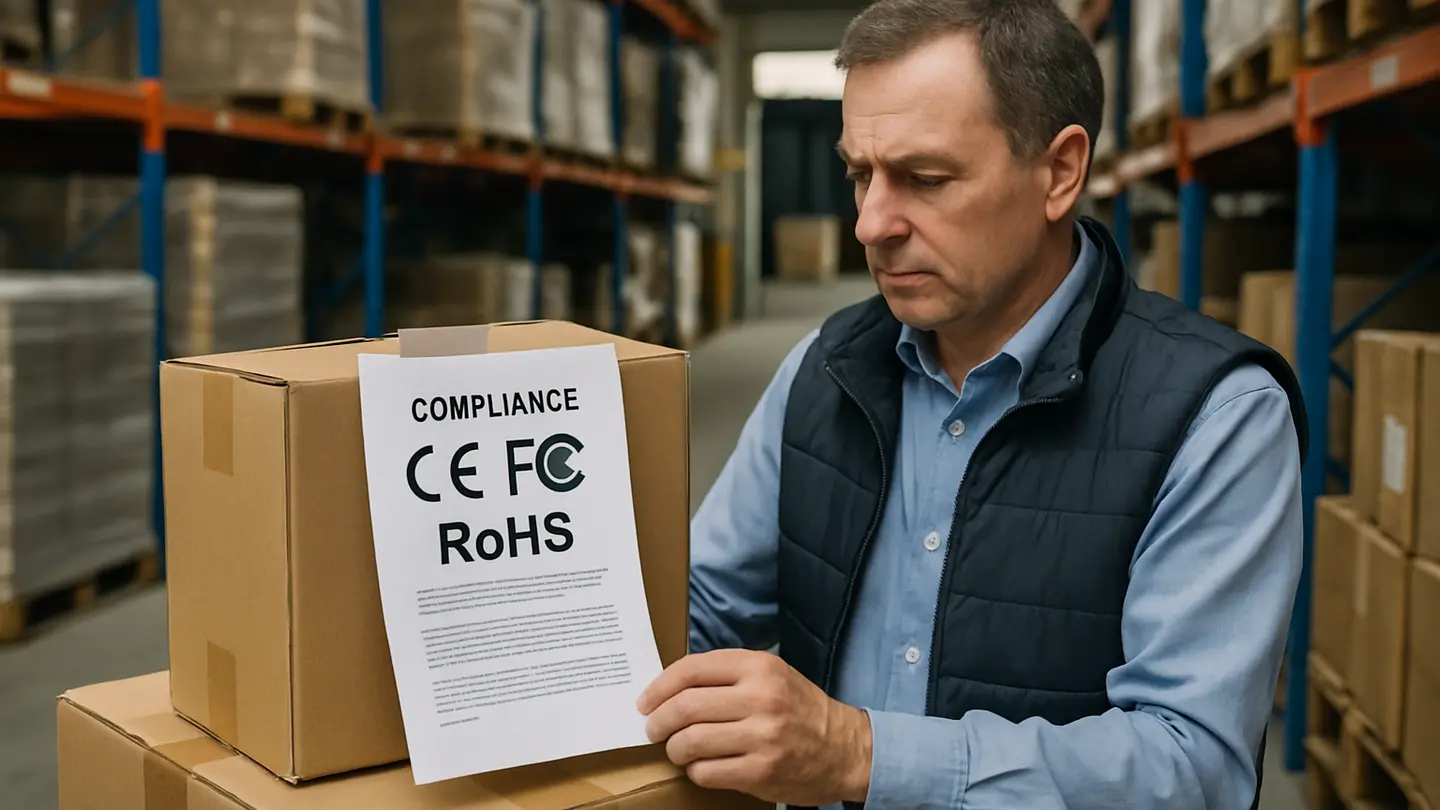
Many failed first orders happen because buyers treat supplier checks and production control as formalities. They are not. They are the buyer’s best chance to keep leverage before money, time, and customer commitments are locked in.
Start With a Broad Search, Then Shortlist Quickly
A good supplier search should start wide but become selective quickly. Relying on one marketplace, referral, or trade show contact can leave a buyer with too narrow a view of the market. Different channels reveal different suppliers: export-focused manufacturers, domestic factories, trading companies, specialized workshops, and larger integrated producers.
Useful discovery channels may include B2B marketplaces, trade fairs, industry directories, referrals from non-competing buyers, search engines, customs data providers, sourcing agents, and local industry clusters. The goal is not to choose a winner immediately. It is to collect enough options to understand the market and remove poor fits early.
Initial filtering should focus on relevance and control. A supplier that mainly sells bathroom hardware, valves, shower enclosures, or sanitary fittings may be more relevant to a shower product buyer than a company showing hundreds of unrelated categories. A broad catalog is not automatically a problem, but it can suggest that the company coordinates supply rather than manufactures directly.
Location can also help. Many Chinese manufacturing sectors are concentrated in regional clusters where suppliers, component makers, finishers, packaging vendors, and logistics providers are close together. Location alone does not prove capability, but it can help prioritize which companies deserve attention.
Early outreach is another filter. Send specific questions and watch the response. Does the supplier answer directly? Do they ask for missing specifications? Can they explain materials, finishes, tolerances, packaging, and testing? Or do they reply with a generic price and push for a quick order? Poor communication before payment is a warning sign.
Decide Whether a Factory or Trading Company Fits the Order
Buyers often ask whether they should work only with factories. The better question is: what type of supplier fits this order?
A direct factory can be stronger when the product is focused, technical, customized, or likely to require revisions. For example, if a buyer needs a shower component with defined materials, surface finish requirements, water pressure performance, tight dimensions, or custom packaging, direct access to production decision-makers can matter.
A trading company can be useful when the order is smaller, mixed, or spread across several product types. If a buyer needs a container containing shower hoses, drains, accessories, and packaging items from different producers, a capable trading company may coordinate suppliers, consolidate shipments, and reduce administrative work.
The label itself is less important than control. Some companies call themselves manufacturers but outsource key processes. Some trading companies have strong product knowledge and deep factory access. Buyers should judge suppliers by what they actually control.
Ask direct questions:
- Who owns or controls the production equipment for this product?
- Who will answer technical questions during sampling and production?
- Who approves material, finish, tooling, or packaging changes?
- Where will the goods be produced?
- If quality fails, who pays for rework, replacement, or sorting?
- Can the supplier provide production photos, process flow, or a factory visit?
A supplier that cannot explain responsibility clearly may become difficult to manage when problems appear.
Use the Same Brief for Every Supplier
Comparable quotes require comparable information. If one supplier receives a detailed specification and another receives a vague product photo, the prices will not mean much.
Send the same written brief to every shortlisted supplier. Include the product description, drawings or reference samples where available, materials, dimensions, finish requirements, performance requirements, target order quantity, expected annual volume, packaging, labeling, compliance requirements, delivery deadline, destination, and required trade terms. If the product is still under development, say which points are fixed and which are flexible.
For shower-related products, the brief may need to cover surface finish, corrosion resistance expectations, thread standards, hose length, cartridge type, water flow requirements, installation accessories, packaging, carton strength, barcode labels, and market-specific compliance needs.
Quote quality is a useful signal. A strong quote may include unit price, MOQ, tooling or mold cost if relevant, sample cost, sample lead time, production lead time, packaging assumptions, payment terms, validity period, and exclusions. A weak quote may provide only a price without confirming what it includes.
Paid samples are often worth the cost. They show whether the supplier can turn written promises into physical output. A sample also reveals whether the supplier follows the brief, labels versions clearly, explains deviations, and delivers on schedule.
When comparing finalists, keep the test consistent. Use the same brief, sample requirements, lead-time expectations, and evaluation criteria. Otherwise, the cheapest quote may simply be based on lower assumptions.
Verify What Supplier Listings Do Not Show
A shortlist is not the end of supplier selection. It is where verification begins.
Online profiles, brochures, certificates, and polished product photos can be useful, but they do not answer every question. Buyers need to confirm the legal entity behind the website, marketplace profile, or sales contact. The company name on the business license, bank account, pro forma invoice, export documents, and communication materials should be consistent or clearly explained.
Verification may include checking business registration, registered address, business scope, years of operation, export experience, and trading history where available. Buyers should also confirm whether the supplier is legally able to produce or trade the relevant product category. Where language or database access is a barrier, a qualified third party or local representative may help.
Capacity checks should be tied to the actual order, not just general factory size. A factory may be real and still unsuitable. It may be too small for the deadline, too large to prioritize a modest order, or too focused on a different product grade. Ask about monthly capacity for the specific product, current production load, key equipment, subcontracted processes, and quality control staffing.
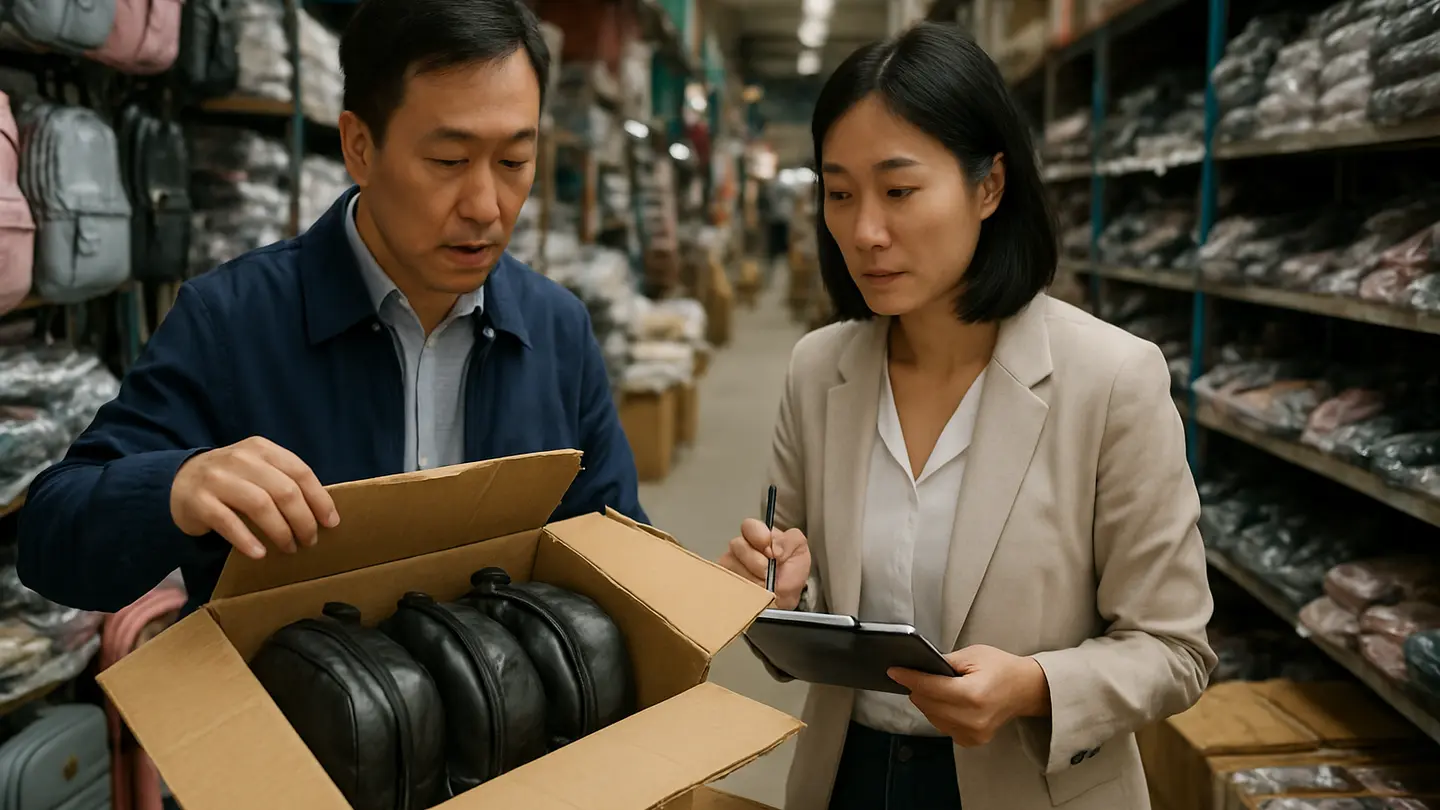
Audits and operational checks can reveal risks that certificates miss, such as weak incoming material control, poor traceability, inconsistent inspection records, or limited corrective action procedures. For higher-value or compliance-sensitive orders, an on-site audit or focused factory assessment can be sensible.
Verification should also include payment safety. Be cautious with sudden bank account changes, personal accounts, or pressure to use untraceable payment methods. Confirm bank details through more than one channel before sending funds, especially for a new supplier.
Negotiate With Evidence Instead of Optimism
Negotiation is more productive after samples, verification findings, and capacity information have been reviewed. At that point, the buyer can discuss price, MOQ, lead time, and payment terms with a clearer understanding of what drives cost.
Unsupported demands for a lower price often create hidden risk. A supplier may agree to the target but reduce material quality, simplify finishing, use weaker packaging, subcontract to a cheaper producer, or reduce inspection effort. A better approach is to connect price reductions to practical cost levers.
Possible levers include:
| Cost lever | How it may help |
|---|---|
| Simpler specification | Reduces production complexity or rejects |
| Standard material or component | Avoids special purchasing or small-batch premiums |
| Adjusted packaging | Lowers labor, printing, or carton costs |
| Longer lead time | Allows better production planning |
| Reorder commitment | Gives the supplier confidence to amortize setup work |
| Consolidated designs | Reduces tooling, changeover, or inventory burden |
MOQ can also be negotiable when the buyer understands the supplier’s constraints. Minimum order quantities often reflect setup time, material purchase minimums, finishing batch sizes, packaging print runs, or machine changeover costs.
Trial orders, rolling forecasts, standard component choices, or shared packaging can make a lower MOQ more realistic. The goal is not simply to push the supplier down. It is to create a structure where the supplier can perform profitably without cutting corners.
Structure Payment Around Passed Inspection
Payment terms are one of the buyer’s strongest forms of leverage. Once the supplier has received most or all of the money, the buyer’s ability to demand rework or correction is reduced.
A common arrangement is a deposit before production and a balance before shipment, often structured as 30% deposit and 70% balance. Actual terms vary by supplier, order value, product type, relationship history, and bargaining power.
The important point is not the exact percentage. It is whether final payment is linked to passed inspection. A supplier may say the goods are finished and ready to ship, but pre-shipment inspection gives the buyer evidence before the remaining balance is released.
Payment terms should define what happens if inspection fails. The written agreement should cover rework, replacement, sorting, reinspection, cost responsibility, and the effect on delivery timing. If the supplier insists on full payment before any inspection or refuses to connect the balance with passed inspection, treat that as increased risk.
Inspection does not need to be adversarial. Good suppliers are used to clear standards and third-party checks. Problems arise when inspection criteria are vague, introduced late, or different from what was agreed during sampling.
Set First-Order Rules Before Production Begins
Selecting a supplier does not guarantee the delivered goods will match expectations. The first order should be managed as a controlled project, not simply a purchase order waiting to be shipped.
Before paying the deposit, agree on standards, schedule, inspection criteria, and remedies. The written order should include the approved sample reference, product specification, materials, finish, dimensions, packaging, labeling, carton marks, delivery deadline, acceptable quality limits or pass criteria, and required documents.
Approved samples are especially important. They should be clearly identified, dated, and retained by both buyer and supplier. If the sample is approved with comments, those comments must be written into the order. Otherwise, the supplier may treat the sample as fully approved.
The order should also define who has authority to approve changes. During production, suppliers may suggest alternative materials, components, packaging, or process changes. Some are harmless; others can affect compliance, durability, installation, or customer acceptance. Informal approvals should not override the buyer’s written requirements.
Do not wait until the completion date to ask for updates. Track milestones such as material purchase, component arrival, tooling progress, pilot production, packaging readiness, mass production start, inline inspection, and final inspection date. Early tracking gives both sides time to solve problems before the shipping window closes.
Manage the Relationship Beyond the First Order
A successful first order is encouraging, but supplier management does not end there. Repeat orders can fail when buyers reduce oversight too quickly. Quality can drift if materials change, production is moved to another line, experienced workers leave, subcontractors are added, or the supplier assumes the buyer is no longer checking carefully.
Long-term supplier performance depends on both sides. Reliable buyers often receive better cooperation because they help factories plan. Sharing realistic forecasts, confirming specifications early, avoiding last-minute changes, and paying on time all make the buyer easier to serve.
At the same time, buyers should avoid becoming dependent on one supplier without a fallback. A backup supplier does not need equal order volume, but the relationship should remain active enough to be useful. Keep alternative samples, quotes, and technical discussions current. If the main supplier raises prices sharply, misses deadlines, or has a major quality issue, the buyer will have options.
Supplier management should include periodic performance reviews. Track on-time delivery, inspection results, defect types, response speed, corrective action quality, and commercial behavior. A supplier that improves after feedback may be worth developing. A supplier that repeats the same failure should not receive increasing volume simply because switching is inconvenient.
FAQ
Q1: Should I find a supplier before or after the design is settled?
The design should be stable enough for suppliers to quote and sample accurately. If key details are still unknown, quotes may vary widely and later changes may increase cost.
However, early supplier feedback can be valuable. Several factories may point out that a certain finish, component, tolerance, or packaging design will be expensive or difficult to produce consistently. If the design is still flexible, consult several capable suppliers before finalizing it.
Q2: How much should I budget for the whole find-and-check process?
Budget for more than the unit price. Typical sourcing costs may include samples, courier fees, translation or technical review, business verification, factory audits, lab testing where needed, and pre-shipment inspections.
The total cost varies by product, location, service scope, and order complexity. For most B2B buyers, reasonable verification spending is modest compared with the cost of a failed first order, rejected shipment, missed launch, or customer claim.
Q3: Can I trust a supplier that only sells through a marketplace and has no website?
A missing standalone website does not automatically disqualify a supplier. Some capable factories rely heavily on marketplace traffic, referrals, or existing export customers and do not invest much in independent marketing.
Focus on verifiable facts: business registration, legal identity, production capability, export experience, sample quality, communication, and factory checks. Online polish is less important than evidence that the supplier can make and deliver the product you need.
Q4: The supplier came from a trusted referral. Can I skip the checks?
No. A referral is useful, but it does not prove the supplier is suitable for a different product, order size, quality standard, market, or delivery schedule. The supplier may have performed well for another buyer under very different conditions.
Run basic registration, capacity, sample, and payment checks even for referred suppliers. Verification is low-cost insurance against relying too heavily on another buyer’s experience.
Conclusion: Keep Leverage Until the Supplier Has Proven Performance
The best time to manage supplier risk is before the buyer is financially committed. A careful sourcing process preserves the ability to walk away before deposits, tooling costs, customer deadlines, and shipping plans make switching painful.
Finding Chinese suppliers is only the first step. Buyers should shortlist quickly, verify legal and operational facts, compare suppliers under the same brief, negotiate from evidence, and link final payment to passed inspection. Written standards, approved samples, clear change control, and active production tracking reduce the chance that expectations and delivered goods diverge.
The core principle is simple: keep leverage until the supplier has proven performance. Once most of the payment has been released, risk becomes harder and more expensive to control.