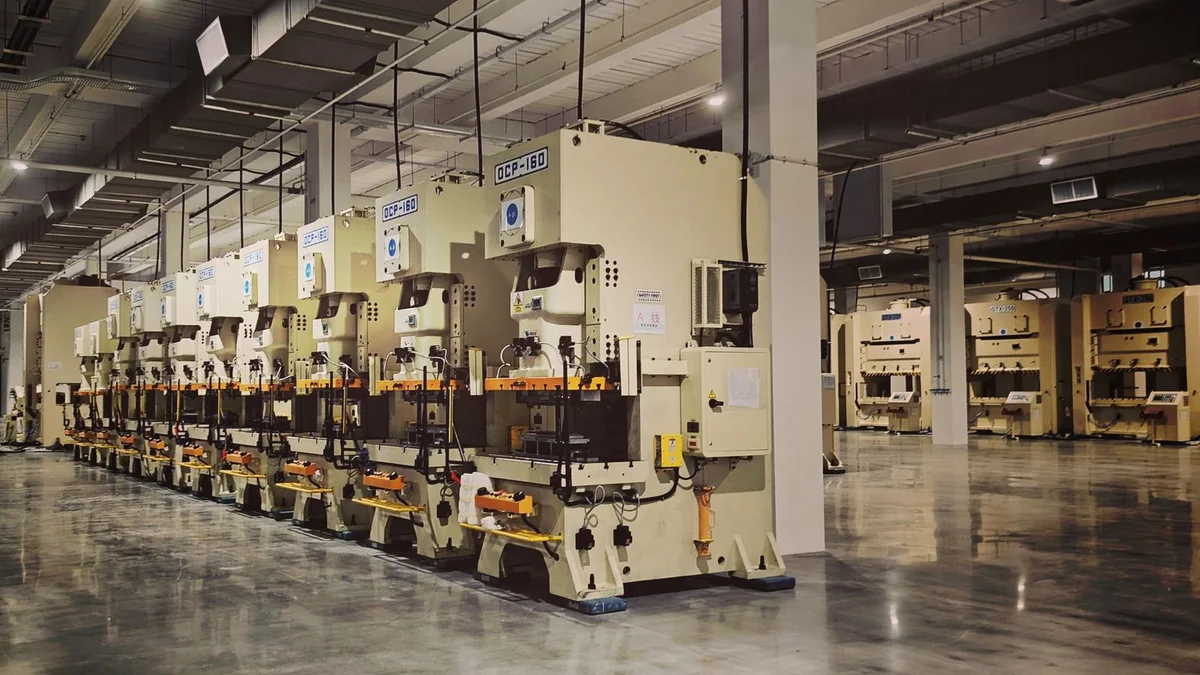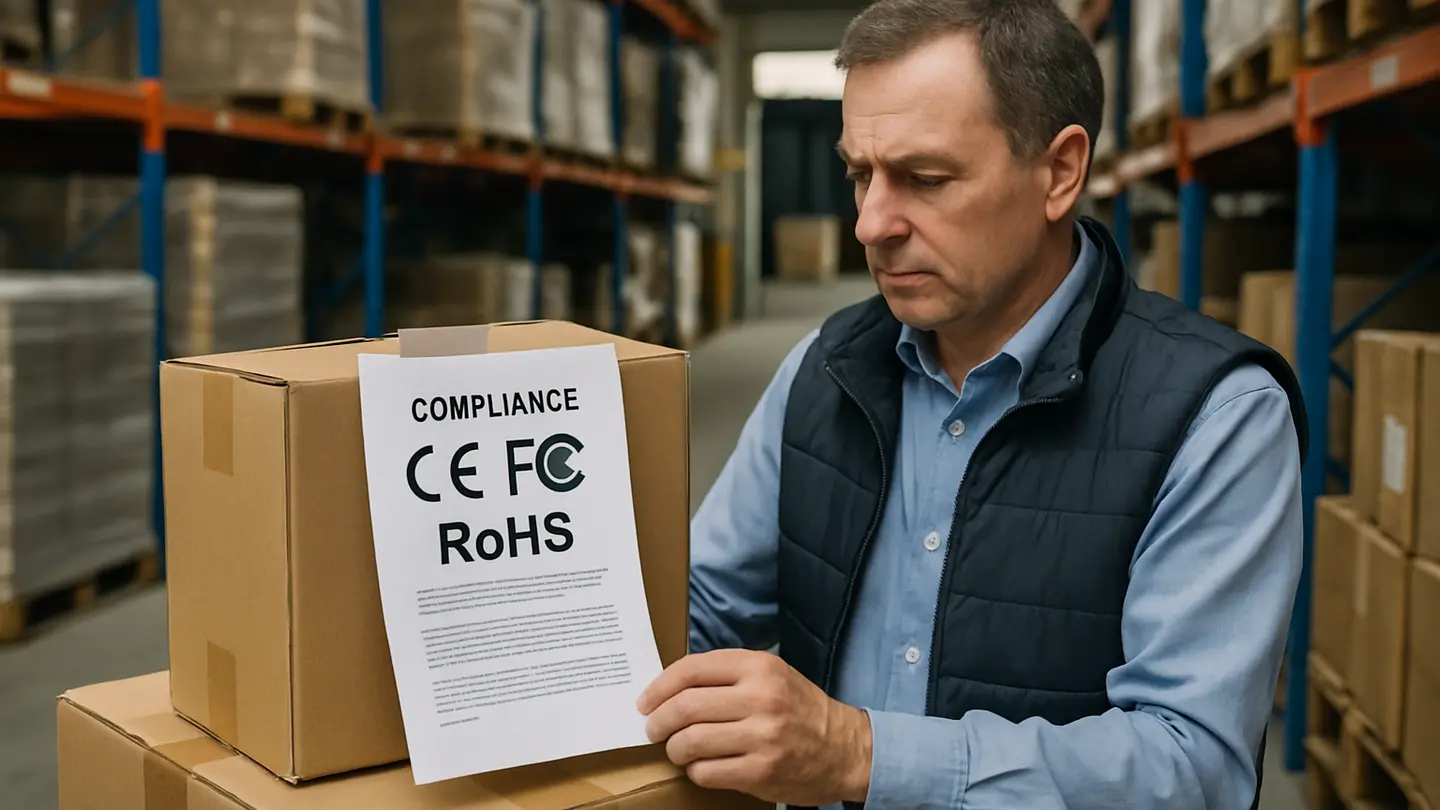
A container loading inspection is the check performed at the factory or warehouse loading doors before the container is closed and sealed. It is the last practical point where a buyer, supplier, or logistics team can still correct shortages, carton damage, poor stacking, incorrect shipping marks, mixed SKUs, or loading mistakes before the goods enter international transit.
For B2B buyers importing bulky or damage-sensitive products such as shower enclosures, trays, faucets, bathroom cabinets, glass panels, fittings, or spare parts, the loading stage can decide whether a shipment arrives saleable or disputed. A shipment may have passed a pre-shipment inspection, yet still be exposed to wet container floors, crushed cartons, unsafe stacking, missing cartons, or the wrong goods being loaded.
The value is also evidentiary. A good loading report records what was loaded, how it was loaded, the container condition before loading, visible carton condition, and the final seal number. If damage, shortages, or quantity disputes appear later, those records help establish where responsibility may sit.
Why Goods Can Pass Inspection and Still Arrive Damaged
A pre-shipment inspection and a container loading inspection answer different questions.
A pre-shipment inspection checks finished goods before they leave the supplier’s control. It may verify workmanship, dimensions, appearance, labeling, packaging, quantity available for sampling, and conformity to the purchase order. For shower-related products, this might include glass thickness, frame finish, tray surface quality, faucet plating, accessory kits, carton labels, or installation manuals.
But a passed product inspection does not prove that the container was suitable, the loading method was safe, or the correct cartons were loaded. It does not prove that the container floor was dry, the roof had no pinholes, sharp internal surfaces were absent, or heavy cartons were not stacked on weaker cartons.
Many shipment failures occur after final inspection:
- Cartons are dragged, dropped, or crushed during loading.
- Wet or dirty container floors contaminate packaging.
- Mixed SKUs are loaded in the wrong sequence.
- Cartons listed on the packing list are not physically loaded.
- Heavy products are placed above fragile or light goods.
- Pallets are poorly secured and shift during transit.
- Shipping marks are unclear, duplicated, or inconsistent with the packing list.
- Workers improvise because the container fit is tighter than expected.
Loading supervision is part of a broader quality-control and shipping plan, not a replacement for product inspection. Product inspection asks, “Are the goods acceptable before shipment?” Loading inspection asks, “Were the accepted goods placed into a suitable container in the right quantity and condition?”
Both questions matter.
Two Checks That Only Happen at the Container Door
Two critical checks cannot be performed properly days earlier in the inspection room: the live carton count and the empty-container condition check.
The carton count must be verified as goods enter the container. A packing list is useful, but it is still a document prepared by the supplier or warehouse. Without an independent count during loading, the packing list may become the only quantity record available.
An independent count can catch shortages before the shipment leaves the factory. If the purchase order calls for 680 cartons and the inspector counts 662 entering the container, the issue can be raised immediately. The supplier may locate the missing cartons, correct a packing-list error, or confirm that some goods are not ready. That is far easier than discovering the shortage after the vessel has sailed.
The second check is the empty-container inspection. It must happen before the first carton is loaded. Once the container is full, many defects are hidden.
An inspector should look for:
- Holes or daylight entering through the roof, walls, or doors.
- Dampness, standing water, or water stains.
- Strong odors from chemicals, mold, food residues, or previous cargo.
- Heavy rust that may stain packaging or weaken surfaces.
- Protruding nails, screws, sharp edges, or broken floorboards.
- Dirty floors that may contaminate cartons.
- Door gasket damage that may allow water ingress.
- Poor door closure or locking-bar problems.
- Evidence of pests or infestation.
- Any condition that could damage cargo during handling or transit.
For bathroom and shower products, moisture risk deserves attention. Cartons containing metal accessories, hardware kits, MDF or particleboard furniture, printed manuals, or retail packaging may suffer visible or hidden damage if exposed to damp conditions. Even if the product is water-resistant in use, its export packaging may not be.
A clean, dry, structurally sound container is a basic requirement. If the equipment is unsuitable, the time to reject it is before loading starts.
Why Timing Determines the Value of the Inspection
Timing determines whether the container loading inspection has real value.
The inspector should arrive before loading begins. That allows the inspector to check the empty container, confirm the loading plan, review the packing list, observe carton condition before handling, and count cartons from the first unit entering the container. If the inspector arrives late, the most important evidence may already be gone.
Several parts of the inspection are time-sensitive:
| Loading-stage task | Why timing matters |
|---|---|
| Empty-container inspection | Defects may be hidden once cartons are inside. |
| Carton count | Accurate counting requires visibility as cartons enter the container. |
| Carton condition check | Damage may occur before, during, or after loading; timing helps identify when. |
| SKU and shipping-mark verification | Mixed items must be checked before they disappear into the stack. |
| Stacking and securing review | Poor loading can still be corrected before the container is full. |
| Seal-number recording | The final seal confirms the container closed under the observed condition. |
A late-arriving inspector can still document what remains visible, but that is limited. If half the container is already loaded, the inspector cannot verify the empty floor, rear wall, or first cartons placed inside. If the supplier says all cartons were counted earlier, the inspector can record that statement, but cannot independently verify it.
Buyers should not book the loading inspection as an afterthought. The factory should receive the inspection schedule together with the shipping date, loading address, container number if available, packing list, purchase-order details, and buyer requirements for photos and documentation.
The schedule should also reflect real loading behavior. If two containers are expected, will they be loaded one after another or at the same time? If loading is planned for early morning, will the inspector have access before the doors are opened? If the container arrives late, who informs the inspector? These details decide whether the report is complete or partial.
What the Fee Buys: Leverage Before the Container Is Sealed
The fee for a container loading inspection should not be judged only by the final report. The commercial value comes from leverage before the seal goes on.
Before sealing, the supplier may still be able to:
- Restack unstable cartons.
- Replace visibly damaged cartons or products.
- Locate missing cartons.
- Separate mixed SKUs correctly.
- Improve load distribution.
- Add corner protection, straps, airbags, or blocking if specified.
- Correct shipping marks or carton labels.
- Reject an unsuitable container and request replacement equipment.
- Pause loading until the buyer confirms how to handle a serious issue.
After sealing, those options narrow quickly. Once the container leaves the factory or warehouse, correcting a loading error may require container return, customs complications, port delays, demurrage, storage charges, or a claim process with uncertain evidence.
Buyers can strengthen the inspection’s value by writing loading requirements into the purchase order. The contract should define:
- The buyer’s right to appoint an inspector for loading supervision.
- The supplier’s obligation to provide access before loading starts.
- Required container condition: clean, dry, odor-free, structurally sound.
- Required carton condition before loading.
- Rules for stacking, palletizing, load distribution, and securing.
- Requirements for mixed-SKU separation and carton mark visibility.
- Photo requirements, including container interior, loading process, final load, closed doors, and seal.
- Quantity verification method.
- Who has authority to pause loading when a fault is reported.
- Whether written buyer approval is required before loading restarts.
- Responsibility for costs caused by supplier-related faults.
- Payment release conditions linked to loading evidence.
If the buyer releases the final balance before receiving loading evidence, the inspection loses some leverage. A more disciplined arrangement may require time-stamped photos, carton-count confirmation, seal-number documentation, and closure of open loading issues before final payment or document release.
Time-stamped photos and seal records may also support later cargo claims. They do not guarantee a successful claim, because liability depends on facts, contracts, transport terms, insurance coverage, and applicable rules. But they provide contemporaneous evidence of container condition, carton arrangement, visible damage at loading, and the seal applied.
For recurring shipments, this evidence also builds supplier-performance history. A series of reports can reveal repeated late readiness, carton damage, poor container fit, inaccurate packing lists, or weak warehouse discipline.
When It May Be Reasonable to Skip the Loading Check
A container loading inspection is useful, but not automatically necessary for every shipment. B2B buyers should decide based on risk.
Skipping the check may be reasonable when the shipment is simple, low value, non-fragile, and repeatedly supplied by a stable partner with a clean shipment history. For example, if a buyer has imported the same single-SKU accessory carton from the same supplier many times without shortages, damage, or documentation errors, the incremental value may be limited.
The case for inspection becomes stronger when risk increases. Common triggers include:
| Shipment condition | Why loading inspection matters more |
|---|---|
| Mixed SKUs | Counting, sorting, and placement errors are more likely. |
| Fragile goods | Poor stacking can cause cracks, scratches, bends, or breakage. |
| High-value cargo | A small quantity error may have a large financial impact. |
| Tight container loading plan | Workers may force cartons into place or compromise stacking. |
| New supplier | Loading discipline and documentation reliability are unproven. |
| New packaging specification | Carton strength, pallet size, or load pattern may not be tested. |
| Retail or project deadlines | Late discovery of shortages may be commercially damaging. |
| Bulky bathroom products | Volume pressure can lead to crushed cartons or unstable loads. |
| Multiple purchase orders in one container | SKU separation and destination receiving become more complex. |
Shower and bathroom product buyers often face several of these conditions at once. A shipment may combine glass panels, aluminum profiles, handles, rollers, seals, installation kits, trays, drains, faucets, and spare parts. Some items are heavy, some are fragile, and some are small enough to be misplaced. A container that looks efficient on a loading plan may become difficult if carton dimensions vary or goods are not staged properly.
The decision should be based on shipment risk, supplier history, product sensitivity, container complexity, and the buyer’s tolerance for uncertainty. Treating loading inspection as always mandatory may waste budget on low-risk shipments. Treating it as always optional may leave the buyer exposed when evidence matters most.
FAQ
Q1: Can one inspector cover two containers in one day?
Yes, one inspector may cover two simple containers in one day if they are loaded sequentially and at the same site. The inspector can check the first empty container, observe its loading, record the count and seal, then move to the second container.
Simultaneous loading is different. If two containers are loaded at the same time, one inspector cannot maintain full independent visibility over both loading doors. Accurate counting and observation usually require more than one inspector, or the schedule should be changed so the containers are loaded one after another.
Q2: Should loading wait until every carton is ready?
Ideally, yes. Loading should begin only after all cartons for the shipment are ready, packed, marked, and staged for verification.
Late-arriving cartons create control problems. They may be harder to count, may not be photographed with the main shipment, and may be added after the inspector has verified earlier quantities. If production, packing, or labeling is still in progress during loading, the risk of missed cartons, wrong SKUs, or undocumented substitutions increases.
If late cartons are unavoidable, the buyer should require clear reporting: which cartons arrived late, how they were verified, whether their shipping marks matched the packing list, and when they entered the container.
Q3: What if the container arrives dirty or damaged on inspection day?
A dirty, wet, damaged, smelly, or unsafe container should be rejected before loading. Loading cargo into unsuitable equipment creates an avoidable dispute. If cartons later arrive stained, damp, crushed, or contaminated, the buyer may face arguments over whether the damage came from the container, loading process, carrier, or earlier warehouse handling.
Responsibility for arranging a replacement container may depend on who booked the shipment and the agreed trade terms. In some cases, the supplier coordinates with the forwarder. In others, the buyer’s nominated logistics provider must arrange new equipment.
Even when replacement causes delay, changing unsuitable equipment is often cheaper than arguing over damaged cargo after arrival.
Q4: Can the inspector stop the loading?
In most cases, inspectors report findings and make recommendations. They do not automatically have legal or operational authority to command the factory unless that authority is defined by the buyer’s agreement with the supplier.
The purchase order should state what happens when a serious fault is found. For example, loading must pause if the container is wet, if carton damage exceeds an agreed threshold, if the live count does not match the packing list, or if incorrect goods are being loaded.
For serious issues, written buyer clearance should be required before loading restarts. This prevents the supplier from continuing after a problem is reported and later claiming that the buyer accepted the condition by default.
Conclusion: Do Not Lose the Last Piece of Loading Evidence
Skipping a container loading inspection saves the inspection fee, but it also removes the buyer’s best contemporaneous evidence of what happened at the loading door. Once the container is sealed and moved away, many facts become difficult or impossible to verify independently.
The most effective approach is contractual and practical. Purchase orders should specify loading access, container condition standards, stacking and securing requirements, pause authority, restart approval, and required evidence. Payment release can also be linked to defined loading records and closure of reported issues.
Before the seal goes on, the buyer still has leverage. The essential checks are straightforward: confirm the carton count, review carton and stacking condition, verify shipping marks and SKU separation, inspect the empty container, document the loading process, and record the final seal number. For shipments where damage, delay, or shortage would be costly, that last check may be the difference between a manageable correction and an expensive dispute.
About the Author
The author is an independent B2B sourcing and quality-control writer covering supplier management, product inspection, international logistics, and import risk reduction for professional buyers.