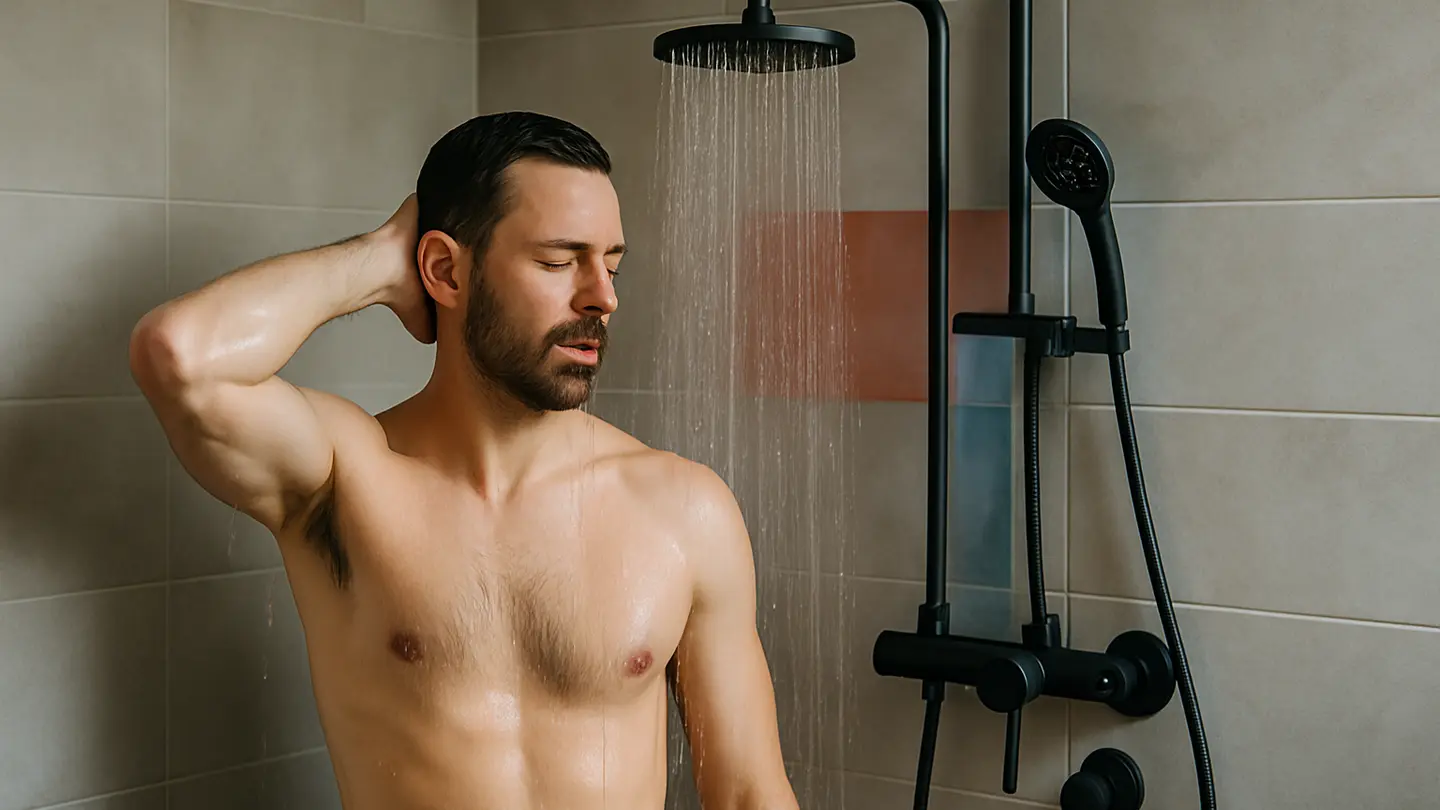
A contrast shower is a shower routine that alternates between warm or hot water and cold water. It is a form of temperature-based hydrotherapy used for post-exercise recovery, perceived circulation support, alertness, and general wellness.
For B2B buyers, wellness facility operators, hospitality specifiers, and shower-product purchasers, the topic also raises practical questions about temperature stability, anti-scald protection, thermostatic control, user safety, and whether shower fixtures can support controlled temperature changes without unsafe extremes.
This guide explains how contrast showers work, what benefits are commonly claimed, how to approach the practice safely, where the evidence is limited, and what fixture considerations matter in commercial or specification-led environments.
How Contrast Showers Work
A contrast shower exposes the body to repeated changes in water temperature. A typical routine begins with warm water, then alternates between cooler or cold water and warm or hot water for several cycles. The temperature change is the defining feature; a shower that is cold from start to finish is not a contrast shower.
The body responds through the skin, blood vessels, nervous system, and muscles. Warm water may feel relaxing and reduce perceived muscle tightness. Cold water can feel stimulating and may cause muscles and superficial blood vessels to contract. When alternated, some users report feeling more alert, less sore after activity, or refreshed.
Responses vary widely. A routine that feels manageable for one person may feel stressful for another. Safe contrast showering depends on moderate temperatures, gradual adaptation, and attention to comfort signals.
What Alternating Hot and Cold Water May Do to the Body
Warm water generally encourages relaxation and may reduce the sensation of muscle tension. It can also cause superficial blood vessels to widen, increasing blood flow near the skin.
Cold water may cause muscles to contract and blood vessels to narrow. This can feel bracing, and the body may respond with faster breathing or increased heart workload as it maintains temperature balance. These responses are one reason people with cardiovascular risk factors should be cautious.
Cold exposure may also influence nervous-system activity. Some users associate it with improved mood, mental sharpness, or short-term energy, often discussed in relation to endorphins and norepinephrine. Cold exposure may also affect immune-cell activity, although the strength and practical meaning of those effects are still being studied.
Contrast Showers Compared with Contrast Baths and Cold Showers
Contrast showers are often grouped with contrast baths and cold showers, but they are not the same practice.
| Practice | How it works | Typical use | Practical requirements |
|---|---|---|---|
| Contrast shower | Alternates warm or hot water and cold water in the shower | Whole-body wellness, alertness, post-workout recovery routines | Shower with reliable temperature control |
| Contrast bath | Immerses a body part in separate hot and cold containers | Localized recovery for hands, feet, ankles, or limbs | Two basins or tubs and controlled water temperatures |
| Cold shower or cold plunge | Uses cold exposure without warm-cold alternation | Alertness, cold adaptation, subjective energy | Cold-water source or plunge tub |
A contrast bath is usually localized. For example, an athlete might immerse a lower leg in warm water, then cold water, using two containers. A contrast shower can affect the whole body and is easier to perform at home, in gyms, spas, hotels, and wellness facilities because it does not require separate tubs.
Cold showers and cold plunges are cold-only exposures. They may share some effects with contrast showers, but they do not involve repeated warming and cooling. For many users, a contrast shower is more accessible because the warm phases make the cold periods easier to tolerate.
Potential Benefits of a Contrast Shower
Commonly claimed benefits include circulation support, post-exercise recovery, possible immune-system effects, improved mood, and increased perceived energy. These effects are generally linked to how hot and cold water influence blood vessels, nerves, breathing, and muscular response.
Benefits should not be overstated. Research on contrast hydrotherapy varies by method, temperature, duration, participant group, and measured outcome. A contrast shower may be useful as a wellness routine for some people, but it should not be presented as a medical treatment or a guaranteed way to prevent illness, cure pain, or improve performance.
Circulation and Blood-Flow Support
One common explanation for contrast shower benefits is the alternating effect on blood vessels. Heat can dilate blood vessels, while cold can constrict them. Moving between the two may create a pumping-like effect in superficial circulation.
Better blood flow is associated with transport of oxygen and nutrients to tissues and movement of metabolic waste products away from working muscles. Some wellness practitioners also discuss contrast hydrotherapy in relation to lymphatic movement. This should be understood as a general wellness concept, not a treatment claim for lymphatic or vascular disease.
For facilities and commercial environments, the key implication is control. Users attempting circulation-oriented routines need water temperatures that are adjustable, predictable, and not dangerously hot. Thermostatic mixing valves, clear controls, and anti-scald protection can be more important than extreme temperature range.
Possible Immune-System Effects
Cold exposure is sometimes discussed for possible effects on immune activity. White blood cells, including leukocytes, help defend the body against infection. Some research and wellness literature have explored whether repeated cold exposure may influence immune-cell counts or activity, including natural killer cells and T-cells.
The evidence is not strong enough to claim that contrast showers prevent illness or “boost immunity” in a guaranteed way. Immune response is complex and affected by sleep, nutrition, stress, age, medication, medical conditions, and other factors. Still, for healthy adults who tolerate cold exposure well, a contrast shower may be one part of a broader wellness routine.
For B2B buyers, wellness-oriented shower features can be positioned around comfort, controllability, and experience, but product claims should avoid promising medical or immune outcomes unless supported by appropriate regulatory and clinical evidence.
Muscle Recovery and Delayed-Onset Soreness
Many people use contrast showers after exercise to manage muscle soreness. Delayed-onset muscle soreness, often called DOMS, typically appears one or two days after unfamiliar or intense exercise.
Cold exposure may reduce sensations associated with swelling and inflammation for some users. Warm water may help relax tight muscles. Alternating between the two may support fluid movement after workouts, which is one reason contrast hydrotherapy is common in sports and recovery settings.
Recovery outcomes depend on exercise type, training status, sleep, hydration, nutrition, and overall workload. A contrast shower should be viewed as a possible recovery aid, not a replacement for rest, progressive training, or professional medical care when an injury is suspected.
Mood, Energy, and Alertness
A contrast shower can feel energizing, particularly when cold phases are included near the end. Cold water may stimulate neurochemical responses associated with mood and alertness. Endorphins are often linked with positive mood effects, while norepinephrine is associated with focus, attention, and physiological arousal.
For some users, this creates a post-shower lift: sharper alertness, a sense of freshness, or improved readiness for the day. For others, the cold phase may simply feel uncomfortable. The energizing sensation is common, but subjective and not guaranteed.
In hospitality, workplace wellness, and fitness settings, this effect helps explain why some users value showers that provide fast, stable, and intuitive temperature adjustment.
How to Take a Contrast Shower Safely
Safe contrast showering depends on timing, temperature selection, gradual adaptation, and personal tolerance. Water should never be painfully hot, burning, shocking, or unsafe. The goal is controlled contrast, not endurance through distress.
People with certain medical conditions should avoid contrast showers or seek medical advice before trying them. Rapid hot-cold shifts can affect heart rate, blood pressure, breathing, and vascular response.
Basic Contrast Shower Technique
A beginner-friendly contrast shower routine can be simple:
- Start with a normal warm shower for several minutes.
- Shift to cool or cold water for about 30 seconds.
- Return to warm water for about 45 to 60 seconds.
- Repeat the cycle two or three times.
- Stop if you feel dizzy, faint, in pain, or unusually distressed.
- Many routines finish with a brief cold phase, but this is optional.
Beginners should use mild contrast first. “Cold” does not need to mean icy, and “hot” should not mean scalding. Over time, users who tolerate the practice may increase the temperature difference or add another cycle, but there is no need to chase extreme exposure.
For shower specification, smooth and accurate temperature adjustment is important. A fixture that overshoots temperature, fluctuates with pressure changes, or lacks anti-scald protection can make contrast routines less safe.
Best Times and Frequency
Morning contrast showers may feel energizing, especially when the routine ends with cooler water. Post-workout use is also common among people who want a recovery-oriented shower after training.
Daily contrast showers may suit some healthy users, but they are not necessary for everyone. A few sessions per week can be a moderate starting point. Frequency should depend on comfort, schedule, skin response, training load, and health status.
In commercial settings, user diversity matters. A gym, hotel, spa, or multi-family property may serve people with very different tolerances and health profiles. Fixtures and instructions should support safe, voluntary use rather than aggressive temperature extremes.
Safety Precautions and Who Should Avoid Them
People with sensitive skin should begin with gentle temperature differences. Strong hot-cold shifts can dry, redden, or irritate the skin. Moisturizing after showering may help reduce dryness, especially in cold climates or facilities with hard water.
Contrast showers may not be appropriate for everyone. People with open wounds, cardiovascular concerns, high blood pressure, pregnancy-related concerns, fainting history, neuropathy, temperature-sensation issues, or other relevant health conditions should avoid the practice or consult a clinician first.
The practice should remain informational and wellness-oriented. It should not be used as a substitute for medical treatment, injury assessment, vascular care, or management of chronic disease.
Drawbacks and Practical Considerations
A contrast shower can be uncomfortable, particularly for beginners. The cold phase may cause rapid breathing, muscle tightening, or a strong urge to leave the water. The hot phase may become risky if users raise the temperature too high after cold exposure.
The main practical issue is control. A safe contrast shower requires a system that lets users change temperature predictably and avoid unsafe extremes. In B2B purchasing, this points to thermostatic mixing, pressure balance, anti-scald performance, accessible controls, and clear temperature markings where applicable.
Contraindications and Medical Warnings
Rapid temperature changes can stress the cardiovascular system. Cold water can trigger vessel constriction and increase physiological arousal; hot water can widen blood vessels and may affect blood pressure. Alternating between them can be too demanding for some users.
People with heart problems should avoid contrast showers or seek medical advice before trying them. High blood pressure is another potential risk factor. Pregnant people should consult a clinician before beginning contrast shower routines, especially if they have complications or concerns.
Commercial facilities should not imply that contrast showering is suitable for all users. Clear safety language, appropriate fixture limits, and staff awareness in wellness environments can reduce avoidable risks.
Possible Side Effects and Comfort Tips
Beginners may feel dizzy or lightheaded during temperature shifts. If this happens, the user should stop the contrast routine, return to a comfortable temperature, sit down if necessary, and avoid continuing the session.
Skin irritation is another possible issue. Extreme temperatures may redden the skin, worsen dryness, or create sensitivity during the cold phase. Users with eczema, very dry skin, or heightened sensitivity should be conservative.
Comfort improves when the routine is gradual. Short cold phases, moderate warm phases, and controlled breathing can make the experience more manageable. The purpose is not to tolerate pain; it is to create a controlled and safe temperature contrast.
How to Make the Experience More Comfortable
Start with warm water and introduce cooler water only after the body feels comfortable. Early sessions can use cool rather than icy water. The temperature gap can then be increased slowly over several weeks if tolerated.
Users can also begin by exposing only part of the body to cooler water before moving to full-body exposure. For example, they might start with legs and arms, then gradually include the torso.
From a fixture perspective, comfort depends on responsiveness and stability. Lever controls, digital controls, thermostatic valves, and pressure-balanced systems each create different user experiences. The priority should be safe temperature management, not merely the ability to produce very hot or very cold water.
When to Seek Expert Advice
Anyone with health conditions, pregnancy concerns, cardiovascular risk, high blood pressure, open wounds, impaired temperature sensation, or uncertainty about suitability should seek clinician input before trying contrast showers. The same applies to people who experience dizziness, chest discomfort, faintness, unusual shortness of breath, or pain during hot-cold exposure.
For B2B shower buyers, facility managers, and specifiers, expert advice may also mean consulting qualified shower professionals. Important topics include thermostatic mixing, anti-scald protection, pressure balancing, maximum temperature limits, accessible control design, cleaning requirements, and compliance with local plumbing or safety standards.
In wellness, hospitality, senior living, fitness, and healthcare-adjacent settings, user safety requirements should be evaluated before promoting contrast shower use. A fixture that works well for a private home may not be appropriate for a high-use commercial environment without additional safeguards.
FAQ
How do I perform a contrast shower properly?
Start with a warm shower for several minutes. Then alternate cold phases of roughly 30 to 60 seconds with warm or hot phases of about 45 to 60 seconds. Beginners should keep the total contrast period short, use mild temperature differences, and stop if they feel dizzy, distressed, or uncomfortable. Some routines recommend ending with cold water.
What are the primary health benefits?
Common claimed benefits include circulation support, reduced post-exercise soreness, possible effects on immune activity, and increased alertness. Some users also report mood benefits, often attributed to endorphin release during cold exposure. Evidence varies, so these benefits should be treated as possible wellness effects rather than guaranteed medical outcomes.
Are there any risks or safety precautions?
Yes. People who are pregnant or have high blood pressure, heart conditions, open wounds, fainting risk, impaired temperature sensation, or relevant health concerns should avoid contrast showers or seek medical advice first. Strong temperature swings may also irritate sensitive skin. Water should never be scalding, painfully cold, or difficult to control.
How long should each phase last?
Cold phases are often shorter than warm phases. A common beginner range is about 30 to 60 seconds of cold water followed by about 45 to 60 seconds of warm or hot water. Reliable temperature-control fixtures can help users avoid unsafe extremes and maintain a more predictable routine.
Related Buying Guides and Recent Articles
For a B2B shower specification or purchasing workflow, related reading may include guides on thermostatic shower valves, anti-scald protection, pressure-balanced mixers, wellness shower features, commercial bathroom safety, accessible shower controls, and maintenance planning for high-use shower environments. These topics connect user interest in contrast showers with practical fixture selection, safety management, and long-term facility performance.