Starting an import business requires more than finding a supplier and paying for products. Your available capital must cover inventory, compliance, samples, freight, launch activity, and a reserve for issues that arise between production and delivery.
For many importers, the largest cost is the first inventory order. However, this is not always the case. Products subject to testing, registration, or certification requirements may create compliance costs that rival or exceed the value of the initial goods. This can be especially relevant for shower products that involve water connections, electrical components, coatings, glass, or market-specific safety requirements.
A practical budget starts with the product and works outward. Before negotiating minor administrative expenses, calculate whether you can afford the supplier’s minimum order quantity, all import charges, and the time required to sell the goods.
Why First-Order Inventory Has the Biggest Impact
The cost to start an import business is usually driven by the first production order. Inventory investment depends on four connected factors:
- Unit price quoted by the supplier
- Minimum order quantity (MOQ)
- Product type and material requirements
- Level of customization requested
A simple starting calculation is:
Initial inventory cost = supplier unit price × accepted MOQ
For example, a stock shower accessory with a modest MOQ may require far less capital than a customized shower enclosure, faucet range, or branded hardware collection. The latter may involve higher-value materials, more components, protective packaging, and a larger supplier commitment.
Customization also changes the risk profile. Adding a logo, special finish, custom packaging, revised dimensions, or unique fittings can increase both the MOQ and the chance that goods will be difficult to resell if demand is lower than expected.
Before selecting a product, define a risk budget: the amount of capital your business can reasonably commit to inventory without creating cash-flow pressure. If a supplier’s MOQ exceeds that budget, the solution may be to change the product, use an existing design, reduce customization, negotiate quantity, or find a supplier with more suitable order requirements.
A low unit price does not automatically mean a low startup cost. A supplier offering a slightly higher price with a much lower MOQ may present a safer first-order option. For a new importer, the ability to validate demand without holding excessive stock can be more valuable than achieving the lowest possible factory price.
Business Setup, Legal Requirements, and Import Compliance
Business registration, licenses, accounting support, and import documentation are necessary costs, even though they are often smaller than inventory spending. Requirements vary by country, state, product category, and intended sales channel, so importers should confirm local obligations before ordering.
Typical setup costs may include:
- Business registration and local licensing
- Tax registration and resale documentation where applicable
- Basic bookkeeping or accounting support
- Product liability insurance, depending on the business model
- Customs broker or freight-forwarder services
- Import documentation and recordkeeping systems
In the United States, commercial imports valued above $2,500 may require a customs bond. Certain regulated goods may require a bond regardless of shipment value. A customs bond helps secure payment of duties, taxes, and other obligations associated with entry.
Importers may encounter two common bond types:
| Bond type | Typical use case |
|---|---|
| Single-entry bond | One specific import shipment |
| Continuous bond | Multiple import shipments over a defined period |
A single-entry bond may suit an occasional importer or a business testing one shipment. A continuous bond can be more practical for businesses expecting repeated entries. The appropriate choice depends on shipment frequency, value, and the advice of a customs professional.
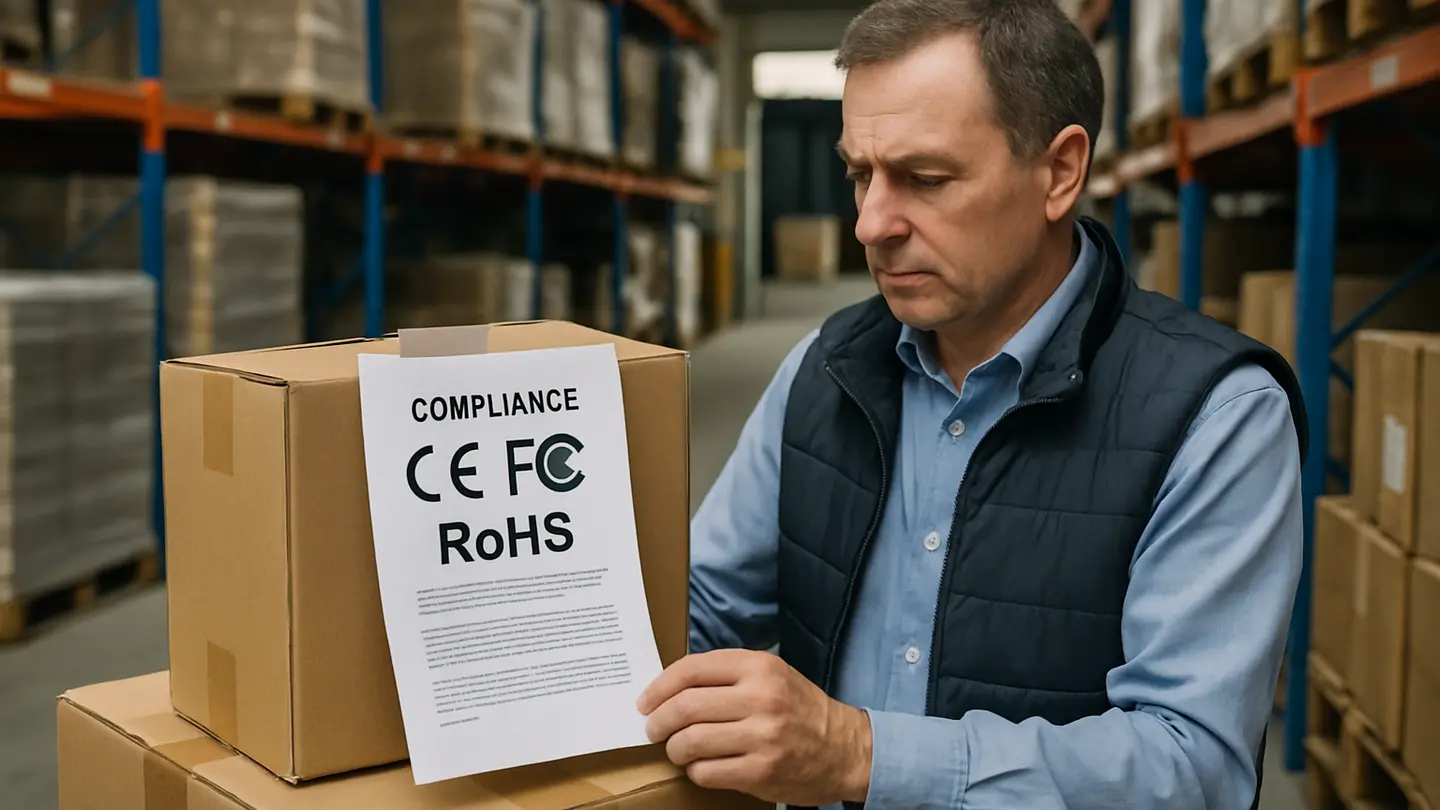
Compliance can become a major budget category for regulated goods. Depending on the product and destination market, costs may include laboratory testing, registrations, labeling review, product documentation, or certification. Shower-related products deserve early scrutiny because requirements may depend on whether the product includes plumbing components, electrical functions, tempered glass, pressure-bearing parts, or chemical coatings.
Do not assume that a supplier’s statement that a product is “certified” means it meets the rules in your destination market. Confirm which requirements apply to your exact product configuration, country of origin, labeling, and sales location. Compliance questions should be resolved before production, not after the goods are on the water.
Samples: A Low-Cost Step That Prevents Expensive Mistakes
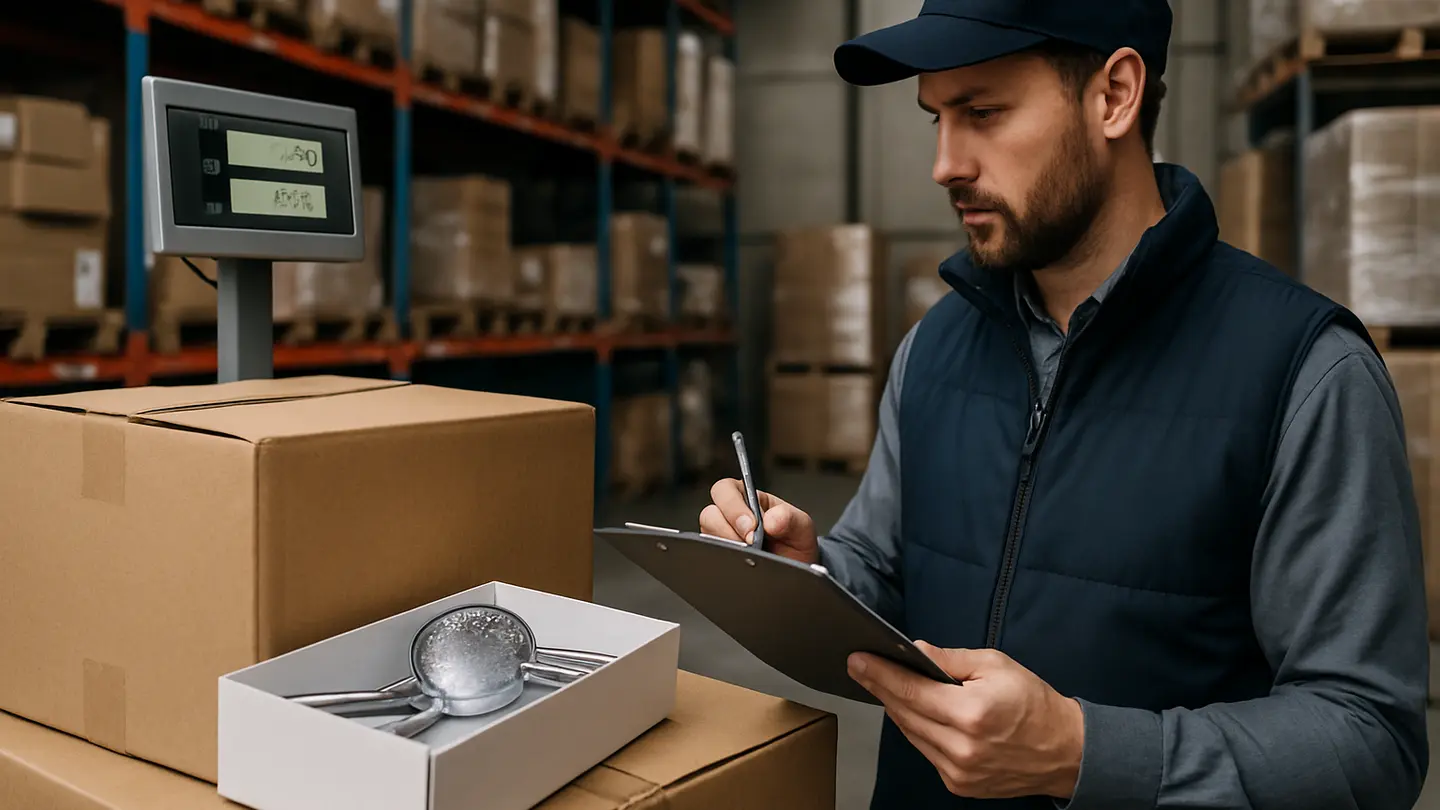
Samples are one of the most cost-effective parts of an import budget. They allow buyers to assess the product before making a production commitment and can reveal quality, assembly, packaging, finish, or specification problems that are not visible in photos.
A useful sample process includes requesting products from more than one supplier where practical. Compare them using the same criteria, such as:
- Dimensions and tolerances
- Material thickness or weight
- Finish consistency and surface quality
- Fit between components
- Packaging protection
- Installation instructions
- Hardware quality
- Performance against the agreed specification
Sample prices and express shipping often cost more per unit than bulk production goods. This is normal. The goal of a sample is not to achieve the lowest per-unit cost; it is to avoid an expensive mistake on a full production order.
For shower products, inspect details that affect installation and customer satisfaction. Check connections, seals, moving parts, glass edges, coating uniformity, drainage design, and whether included hardware matches the requested specification. If the product will be sold under your brand, evaluate logo placement, carton design, labels, and documentation as well.
Document your approval criteria in writing. Keep photographs, measurements, specification sheets, and a retained approved sample. This “golden sample” provides a reference point for future pre-shipment inspections and helps prevent disagreements about what was approved.
First-Order Costs: MOQ, Customization, and Tooling
MOQ and unit price determine the basic production-order budget, but they should not be evaluated separately. A supplier may offer a lower price at a quantity that creates too much inventory exposure. Another supplier may quote a higher unit price but permit an order size that is easier to finance and sell.
For a first order, reducing the MOQ can often matter more than negotiating a small price reduction. A lower MOQ reduces cash tied up in stock, lowers storage needs, and makes it easier to revise the product after customer feedback.
First-run MOQs may sometimes be negotiable when a buyer can present a credible repeat-order plan. Suppliers may be more open to flexibility if the buyer uses an existing product design, accepts standard materials or finishes, and does not require separate production runs.
The biggest distinction is between stock and custom products:
- Stock products: Existing factory designs with standard specifications, materials, finishes, and packaging. These usually require less development spending and may support lower-risk first orders.
- Customized products: Products modified through branding, altered dimensions, new finishes, revised components, or private packaging. These can require higher MOQs and additional approval cycles.
- Fully custom products: New designs that may require molds, tooling, engineering work, prototypes, and repeated sample revisions. These create the highest initial capital requirement.
Tooling and molds are often one-time expenses, but they should not be treated as minor details. They can affect supplier selection, product ownership discussions, lead times, and the amount of capital required before production begins. If the business is still testing demand, an existing design with controlled branding may be a more financially sensible starting point than a fully custom product.
What a Practical Import Business Startup Budget Includes
There is no universal startup figure because order value depends on product category, order size, destination, shipping mode, and compliance needs. A useful approach is to budget by sourcing model rather than rely on one fixed number.
| Sourcing model | Typical budget characteristics |
|---|---|
| Low-MOQ stock products | Lower inventory commitment, simpler development, but potentially higher unit costs |
| Standard bulk order | Greater inventory investment, more competitive unit economics, higher freight and storage exposure |
| Custom product program | Inventory plus tooling, development, samples, inspections, and possibly substantial compliance costs |
A complete startup budget should include the following categories:
- Business setup: Registration, accounting, licenses, insurance, and basic systems.
- Samples: Product samples, revisions, express shipping, and sample testing if needed.
- Inventory: Supplier payment for the agreed MOQ.
- Inspection: Pre-production checks, during-production checks, or pre-shipment inspection, depending on product risk.
- Freight and import charges: International transport, duties, brokerage, insurance, and local delivery.
- Compliance: Testing, registration, certification, labeling review, and documentation where applicable.
- Launch costs: Product photography, a basic storefront, listings, packaging design, and initial marketing.
- Contingency: Funds reserved for ordinary sourcing and logistics disruptions.
A contingency reserve of approximately 10% to 17% is a reasonable planning range for many first-time import projects. This reserve can help absorb port delays, packaging changes, unexpected local delivery charges, minor rework, sample revisions, or documentation issues. Highly regulated or customized products may require a larger buffer.
Calculate Landed Cost, Not Just the Supplier Price
Supplier pricing is only one component of your true product cost. Landed cost is the complete cost of getting goods from the supplier to the location where they are available for sale.
A basic landed-cost calculation may include:
Landed cost = product cost + international freight + duties and taxes + customs brokerage + cargo insurance + local delivery + relevant handling charges
For a per-unit view:
Landed cost per unit = total landed cost ÷ number of sellable units
This calculation is essential because a product that appears profitable at the factory may have weak margins after freight, duty, and delivery expenses are included.
Duty treatment can depend on tariff classification, country of origin, and destination market. Classification is not simply a product description. Details such as product materials, function, components, and intended use may affect treatment. Confirm tariff considerations with a qualified customs professional before placing an order.
Freight should be quoted using actual shipment information, not estimated carton counts. Ask suppliers for product weight, carton dimensions, cartons per shipment, and palletization details where relevant. Air freight may be appropriate for samples, urgent replenishment, or lightweight goods, while sea freight is often more suitable for larger orders. However, the right option depends on actual volume, weight, transit needs, and total charges at destination.
For bulky shower products, carton size and breakage risk may be as important as product weight. Strong packaging can increase factory and freight costs, but insufficient protection can lead to damage claims, returns, and unusable inventory.
Launch Costs, Contingency Funds, and Expenses You Should Not Cut
Launch costs vary widely depending on how and where you sell. A business testing demand through a limited online catalog will have different needs than one supplying distributors, contractors, showrooms, or retailers.
Common launch expenses include:
- A basic website or online storefront
- Product photography and specification sheets
- Marketplace or platform fees
- Initial advertising or sales outreach
- Packaging, labels, inserts, and barcodes
- Customer service and returns preparation
Keep launch spending aligned with the scale of the first order. There is little value in building an expensive brand presentation before confirming that the product meets requirements and has viable landed-cost margins. At the same time, do not underfund the basic product information that B2B buyers and end customers need to make purchasing decisions.
Some expenses should not be cut simply to make the startup budget look smaller:
- Samples from shortlisted suppliers
- Product and compliance checks before shipment
- Pre-shipment inspection for quality-sensitive orders
- Accurate duty and freight calculations
- Adequate cargo protection and packaging review
Contingency capital is also not optional in practical terms. Delays, rejected goods, permit questions, and supplier misunderstandings can occur even when the process appears well planned. A reserve protects the business from needing to make rushed, unprofitable decisions when problems arise.
FAQ
Q1: What costs keep running after the launch?
Ongoing costs can include company filings, bookkeeping, tax support, customs bond renewals, storage, insurance, platform subscriptions, software, marketing, and customer-service expenses. Importers should convert these into a monthly operating-cost estimate.
This matters because inventory may take time to sell. A business needs enough working capital to cover fixed costs during slower sales periods, while also funding replenishment orders before the first inventory cycle is fully complete.
Q2: Do I need to budget for warehousing from day one?
Not necessarily. Small first orders may be stored at home, in a small storage unit, or in another low-cost location if the product size, insurance requirements, and local rules allow it. However, you should still budget for moving goods from the port or arrival point to that storage location.
As order volume grows, dedicated warehousing or third-party logistics services may become more appropriate. This can improve fulfillment speed and inventory control, but it introduces receiving, storage, pick-and-pack, and outbound shipping charges.
Q3: Can I start with less by using a smaller order?
Yes, a smaller order can reduce upfront cash requirements and limit exposure to unsold inventory. However, suppliers may charge a higher unit price for lower quantities, and freight costs per unit may increase.
Evaluate the smaller order using total landed cost, expected selling price, and remaining gross margin. A lower initial investment is only helpful if the product can still support the costs of selling, storage, returns, and future replenishment.
Q4: What if testing requirements only turn up after you have ordered?
Discovering compliance obligations after production or shipment can create serious risk. Goods may face border delays, storage charges, additional testing expenses, refusal, or the need for rework.
Confirm applicable testing, registration, labeling, and documentation requirements before production begins and certainly before shipment. Testing a sample is generally less costly and less risky than testing goods that are already in transit or sitting at a port.
Build the Complete Budget Before Paying a Supplier Deposit
The cost to start an import business is not defined by business registration alone. For most importers, first-order inventory and landed cost have a much greater effect on required capital. For regulated or highly customized products, testing, certification, tooling, and development can be equally significant.
Build a budget that follows the goods from sample approval through final delivery. Include supplier payments, inspections, freight, duties, brokerage, local transportation, launch activity, and contingency funds. Then assess whether the expected selling price leaves enough margin after every cost has been counted.
Before paying a supplier deposit, validate the supplier, confirm the MOQ, approve samples, clarify specifications, check compliance obligations, and obtain shipment-specific freight information. A complete budget does not eliminate risk, but it gives your import business a stronger foundation for making controlled, commercially realistic decisions.
About the Author
The author writes about B2B sourcing, procurement, import planning, supplier evaluation, and supply-chain risk management. Their work focuses on helping buyers understand the commercial and operational factors behind product sourcing decisions.