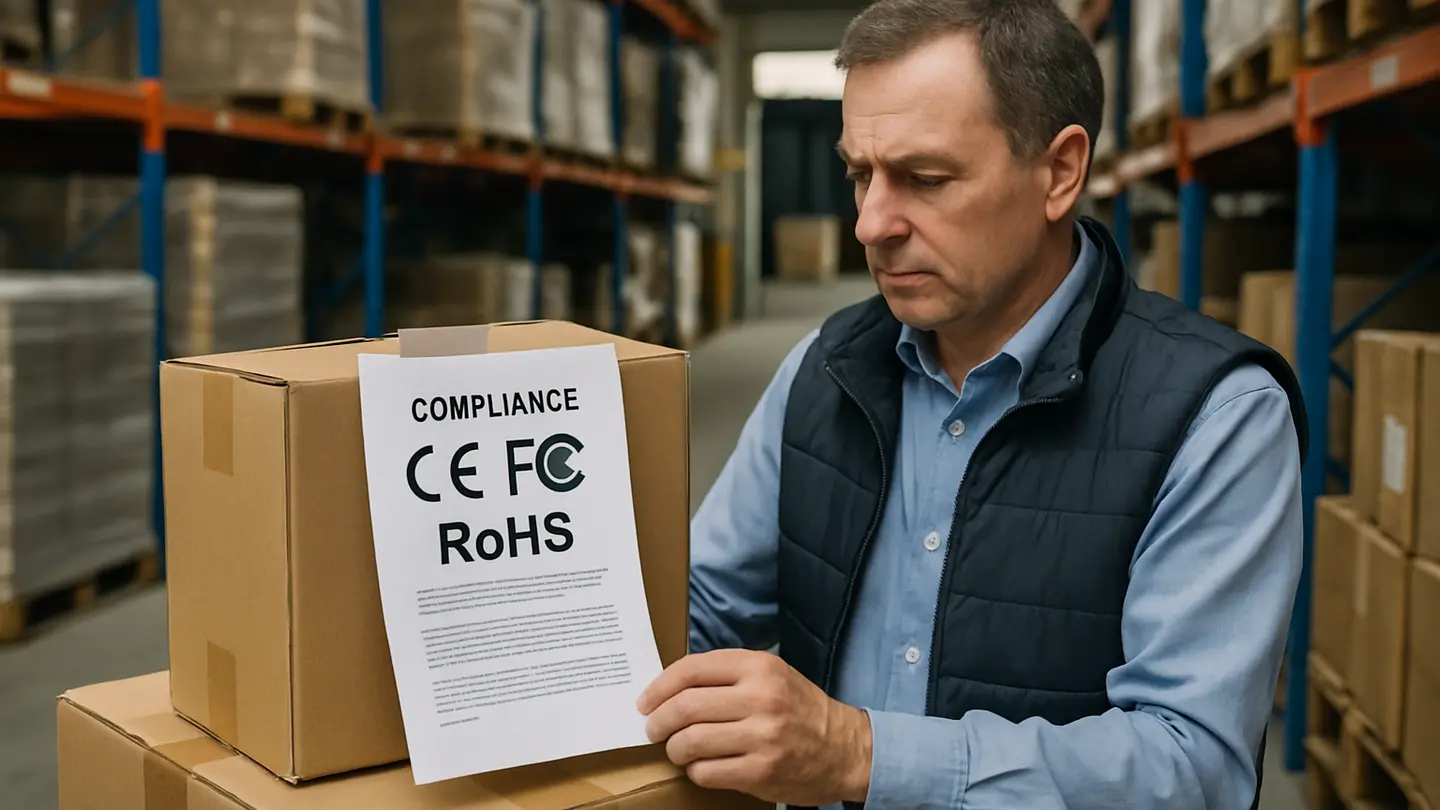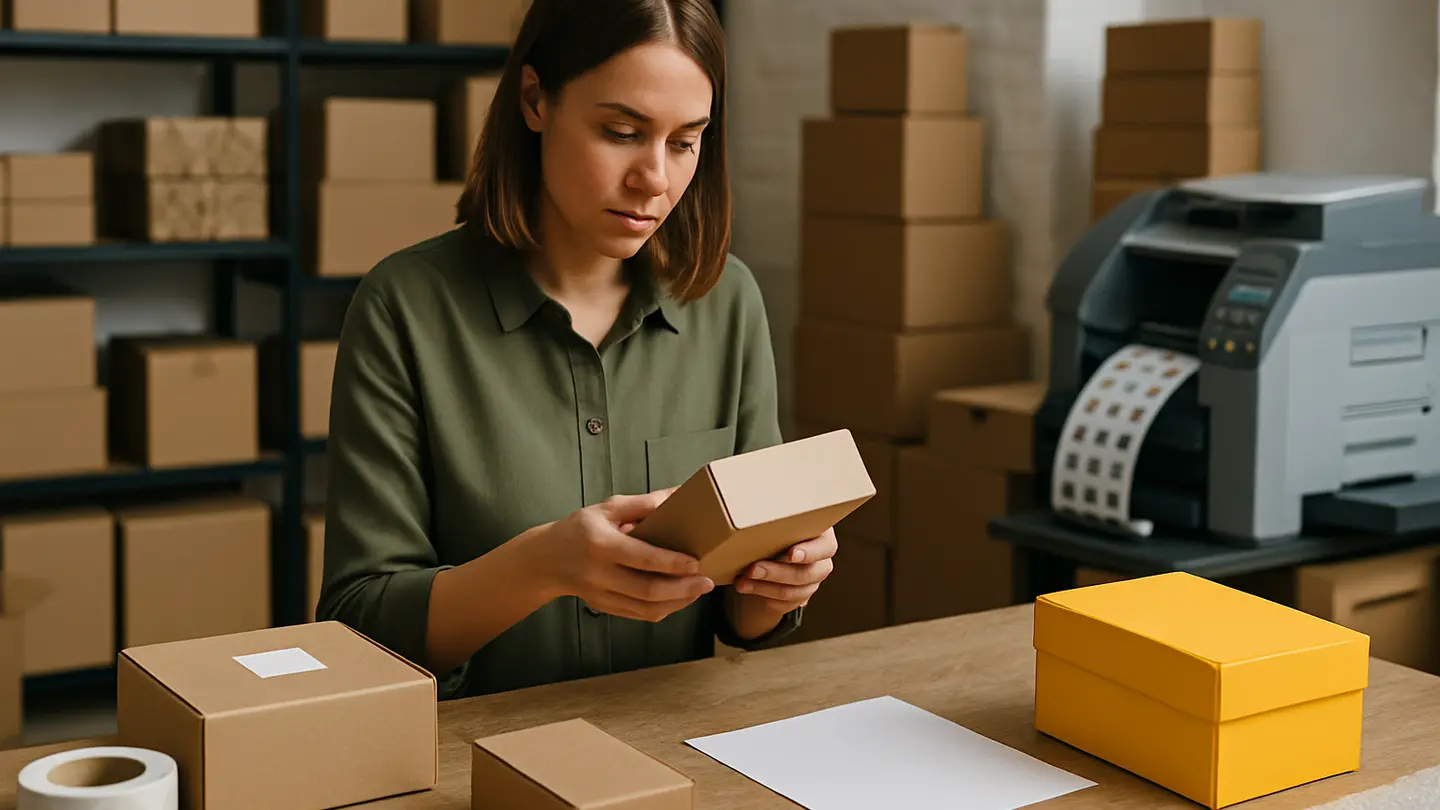
For many growing brands, packaging is the first sourcing problem that feels larger than the product itself. A business may need 300, 500, or 1,000 units for a launch, but the packaging supplier quotes 3,000, 5,000, or more. The buyer then must choose between tying up cash in unused boxes, using plain packaging, or delaying the launch.
A custom packaging MOQ for small business orders often reflects both real production costs and supplier preference. Tooling, print setup, material purchasing, and line preparation may be unavoidable. Other parts of the minimum may be negotiable because the supplier prefers larger, more efficient orders.
The practical task is to identify what drives the MOQ. If the issue is a die, plate, special material, or press setup, redesigning the packaging may work better than negotiating. If the supplier’s production model favors large accounts, a different supplier or bundled order may be the better route.
Below are four ways small businesses can reduce custom packaging minimums while still protecting the product, presenting the brand well, and controlling landed cost.
Why Custom Packaging MOQs Are Often High
Packaging minimums usually come from fixed costs that do not change much whether the order is 500 pieces or 5,000 pieces. The smaller the run, the more those costs must be spread across each unit.
Common cost drivers include:
- Printing setup: Offset, flexographic, and gravure printing may require plates or cylinders. Each color can add setup time and cost.
- Cutting dies: Custom box shapes, windows, inserts, and unusual folds may require a die to cut and crease the board.
- Material purchasing: Specialty paper, board grades, coatings, laminates, foils, and finishes may have supplier minimums.
- Line preparation: Ink matching, plate mounting, material feeding, die setup, folding, gluing, and checks take time before production reaches normal speed.
- Waste allowance: Short runs still require makeready sheets, color checks, and trial pieces before approved output begins.
A factory may be able to produce 300 custom boxes, but if setup consumes several hours, the quote can look unreasonable. In other cases, the MOQ is driven less by technical limits and more by the supplier’s preferred order profile. A factory built for large retail runs may not want to interrupt its schedule for a short batch.
Buyers should ask what specifically causes the minimum. “Our MOQ is 5,000” is not enough. Ask: “Is the minimum driven by printing plates, the cutting die, board purchase quantity, or production scheduling?” The answer points to the right solution.
Small buyers should also seek suppliers whose normal runs match their demand. A digital printer, local packaging converter, or short-run specialist may quote more competitively than a factory designed for major chain-store volumes.
Four Ways to Reduce the Minimum Order
The best way to reduce a packaging MOQ depends on which fixed cost creates the problem. Before changing the design, ask suppliers to separate one-time setup charges from per-unit pricing. Then consider these four routes.
1. Use stock packaging with custom labels, sleeves, or inserts.
A fully custom box is not the only way to create a branded presentation. For early-stage products, a standard box with a printed label, belly band, sleeve, hang tag, or branded insert can look professional at a much lower minimum.
This avoids several cost drivers. Standard boxes do not need a custom cutting die. Labels and sleeves can often be digitally printed in smaller batches. The buyer can also change artwork, barcodes, regulatory information, or messaging more easily.
Stock packaging works well when the product does not need a unique shape for protection or display. The trade-off is a less distinctive final result, but for many small businesses, the cash saved and flexibility gained are more valuable during testing.
2. Choose digital printing for shorter customized runs.
Digital printing can make short-run custom packaging more practical because it removes plate costs. Artwork is printed directly from digital files, reducing setup time and making smaller batches more viable.
It is useful for launch quantities, seasonal artwork, limited editions, market tests, and packaging that may change frequently. It can also support multiple designs within the same order more easily than conventional printing.
Digital printing is not automatically cheaper at every quantity. At higher volumes, offset or flexographic printing may deliver a lower unit cost. Some finishes, substrates, and color effects may also be easier or more consistent with traditional methods. Buyers should request quotes at several quantity levels and compare where digital printing stops being economical.
3. Use existing dies, standard dimensions, and common materials.
A custom structure often creates the highest barrier. If the supplier already has a die for a similar box size or insert, using that tooling can reduce or eliminate die charges and lower the MOQ.
Ask packaging suppliers:
- Do you already have a die close to this size?
- Which dimensions are standard for your factory?
- Which board grades do you keep in regular inventory?
- Which coatings, laminates, and finishes are commonly run?
- Can the design be adjusted slightly to fit existing tooling?
A few millimeters of flexibility in length, width, or depth can make the difference between a new die and an existing one. The same applies to board selection. A special textured paper or unusual thickness may force the supplier to buy material in bulk, while a common board grade may fit a short-run program.
This does not mean packaging should be under-designed. The box still needs to fit the product, protect it, and support the brand. But small businesses should avoid making every dimension, finish, and insert unique unless those choices clearly add value.
4. Bundle packaging with the main product order.
In some cases, the product manufacturer can source or coordinate packaging as part of the finished-goods order. This may reduce friction because the packaging, product, labeling, and final packing are handled in one production plan.
Bundling can help when the product supplier already works with nearby packaging factories. It may reduce local transport costs, simplify timing, and allow the buyer to inspect the finished product in its final packaging before shipment.
However, bundling shifts responsibility. Clarify who owns excess packaging, who pays for leftover boxes if the product order is reduced, and who is responsible if packaging arrives late or fails inspection. If the product supplier buys the packaging, the buyer still needs full specifications and sample approval. Otherwise, the supplier may choose a cheaper board, simplified finish, or different structure to meet the target price.
For complex packaging, a specialist packaging supplier may still be better. For simple cartons, inserts, and labels, bundling can reduce coordination cost and minimums.
Approve a Real Sample Before Full Production
Custom packaging should not be approved based only on a digital proof. A screen image can confirm layout, spelling, barcode placement, and artwork position, but it cannot fully show material feel, folding accuracy, color on the selected substrate, corner strength, or product fit.
Request a pre-production sample using the intended artwork and material whenever possible. This is especially important for tight tolerances, premium finishes, windows, inserts, magnetic closures, or fragile products. If the supplier cannot provide a true pre-production sample, ask exactly what the sample represents.
Some samples are handmade. Others are digitally printed even though mass production will use offset or flexographic printing. A handmade sample may show structure but not production consistency. A digitally printed sample may show design but not the final color match from a conventional press.
Sample fees are common. For custom structures, the fee may cover design time, mock-up production, material, or small-batch printing. Some suppliers may credit the fee after a production order is placed, but this should be confirmed in writing.
When reviewing the sample, check:
- Color appearance under normal lighting
- Board thickness and stiffness
- Folding accuracy and alignment
- Corner strength and glue quality
- Closure method and ease of opening
- Product fit, including accessories or manuals
- Barcode readability and label placement
- Inner protection and movement during handling
- Outer carton packing method if available
If the packaging will be used for e-commerce, wholesale, or export, test the packed unit rather than the empty box. A package that looks strong when empty may deform when stacked or shipped with real product weight inside.
Design Packaging for Shipping, Not Just the Shelf
Attractive retail packaging can still fail if it crushes, opens, scuffs badly, or allows product damage during transit. For B2B buyers, packaging is both a marketing asset and part of the logistics system.
The right design depends on the product, route, and handling environment. Board strength matters, but internal restraint is often just as important. If the product moves inside the box, impacts transfer directly to corners, finishes, glass, electronics, coatings, or other vulnerable parts.
Consider the full packing system:
- Primary packaging that holds the product
- Inserts, trays, molded pulp, foam, paperboard, or dividers
- Polybags, wraps, or surface protection where appropriate
- Inner cartons or master cartons
- Outer carton burst strength or edge crush strength
- Pallet stacking pattern
- Container loading and unloading conditions
Testing should be realistic. At a minimum, review packed-unit stacking and basic drop handling. Fragile, high-value, or export-sensitive products may justify more formal transport simulation. Products moving through parcel networks may need different protection than products shipped in full cartons on pallets.
Carton dimensions also affect cost beyond the packaging itself. A box that wastes space can increase pallet count, container volume, warehousing cost, and ocean freight charges. In international shipping, volume often matters as much as weight. Small dimensional changes can improve carton packing, pallet efficiency, and container utilization.
This is why packaging decisions should start early. If the product, insert, retail carton, and master carton are designed together, the buyer has more room to balance presentation, protection, and logistics cost.
When Small Packaging Runs No Longer Make Sense
A small-run premium can be smart when a product is still being tested. Paying more per box may be better than buying thousands that become obsolete after a label change, formulation update, regulatory revision, or weak launch.
The calculation changes when the same packaging is reordered repeatedly. If the artwork, structure, material, and forecast are stable, buyers should revisit larger runs.
The decision should compare annual savings against inventory risk. A larger run may reduce unit cost, but it also ties up cash and storage space. Packaging can be damaged by moisture, crushing, dust, pests, or poor handling. Printed packaging can become unusable if product claims, compliance marks, barcodes, addresses, or branding change.
A useful review includes:
- Annual packaging consumption
- Unit cost at several quantity breaks
- One-time setup charges and whether they repeat
- Storage cost and warehouse capacity
- Cash tied up in unused packaging
- Risk of artwork or regulatory changes
- Expected product life cycle
- Damage or obsolescence risk
Once demand is proven, repeated low-MOQ orders may quietly erode margins. Larger conventional runs can become better when packaging is stable and the supplier can produce more efficiently. The right time to scale is not the first launch order; it is when sales history supports the commitment.
FAQ
Q1: How much more does each box cost on a small run?
There is no universal premium. The difference depends on format, dimensions, material, structure, print process, number of colors, finishing, and setup requirements. A simple digitally printed folding carton may scale differently from a rigid gift box with specialty paper, foil stamping, and a custom insert.
Ask suppliers to quote the same specification at multiple quantity breaks, such as 500, 1,000, 3,000, and 5,000 pieces. This shows where the unit cost drops and whether the MOQ is driven by production economics or supplier preference. Separate one-time setup costs from the per-box price.
Q2: Can I buy packaging from a different supplier than my product?
Yes. Packaging can be sourced separately from the product manufacturer. This may help when the packaging is complex, print quality is critical, or the product supplier has limited packaging capability.
The main drawback is coordination. The packaging must arrive at the product supplier or packing line on time, in the correct quantity, and in usable condition. Buyers should define responsibility for local transport, inspection, storage, surplus packaging, and replacement if defects are found.
Q3: How do I compare two packaging quotes fairly?
Compare quotes only after standardizing the specification. Confirm dimensions, board grade, paper type, print method, number of colors, coating or lamination, finishing, insert design, quantity, packing method, and delivery terms.
A cheaper quote may reflect thinner board, different material, fewer finishing steps, simplified construction, or weaker outer cartons. Ask each supplier to separate tooling, plate, sample, and setup charges from the per-unit price.
Q4: Does packaging affect what I pay in import duty?
Often, yes. Retail packaging is commonly treated as part of the product for customs purposes. Packaging materials and packing labor may be included in the customs value, depending on the transaction structure and applicable customs rules.
The duty impact depends on the product classification, duty rate, and how the rate is calculated. If the duty is percentage-based, a higher customs value may increase duty. If the product is duty-free or subject to a per-unit duty, the effect may differ. Importers should confirm treatment with a qualified customs broker.
Conclusion: Let Packaging Investment Follow Proven Demand
Small businesses do not need to choose between generic packaging and oversized custom orders. The better approach is to match packaging investment to the stage of demand.
For early launches, use the lowest-cost option that still looks professional and protects the product. That may mean stock boxes with labels, digitally printed cartons, existing dies, standard board grades, or packaging bundled with the product order.
As sales stabilize, higher volume can justify upgraded materials, improved structures, conventional print runs, custom tooling, and larger purchases. Before making that shift, approve real samples, test the packed product, and work with suppliers whose production model fits the intended volume.
Packaging should support growth, not consume the cash needed to prove it.