For B2B buyers, a defective batch can become a shipment delay, chargeback, warranty cost, customer complaint, or lost retail listing. The later the defect is found, the fewer practical options remain.
A during production inspection catches problems while the order is still being made. Instead of waiting until all goods are finished and packed, an independent inspector reviews actual output partway through the run. If the same defect appears across units, the factory can still stop, correct the process, and prevent the issue from spreading.
That timing matters. Early correction may cost a few days. Late discovery may require sorting, rework, replacement production, air freight, rejected goods, or compensation. For importers, distributors, private-label brands, and sourcing teams, the question is when the risk is high enough to justify inspection before shipment.
What During Production Inspection Means
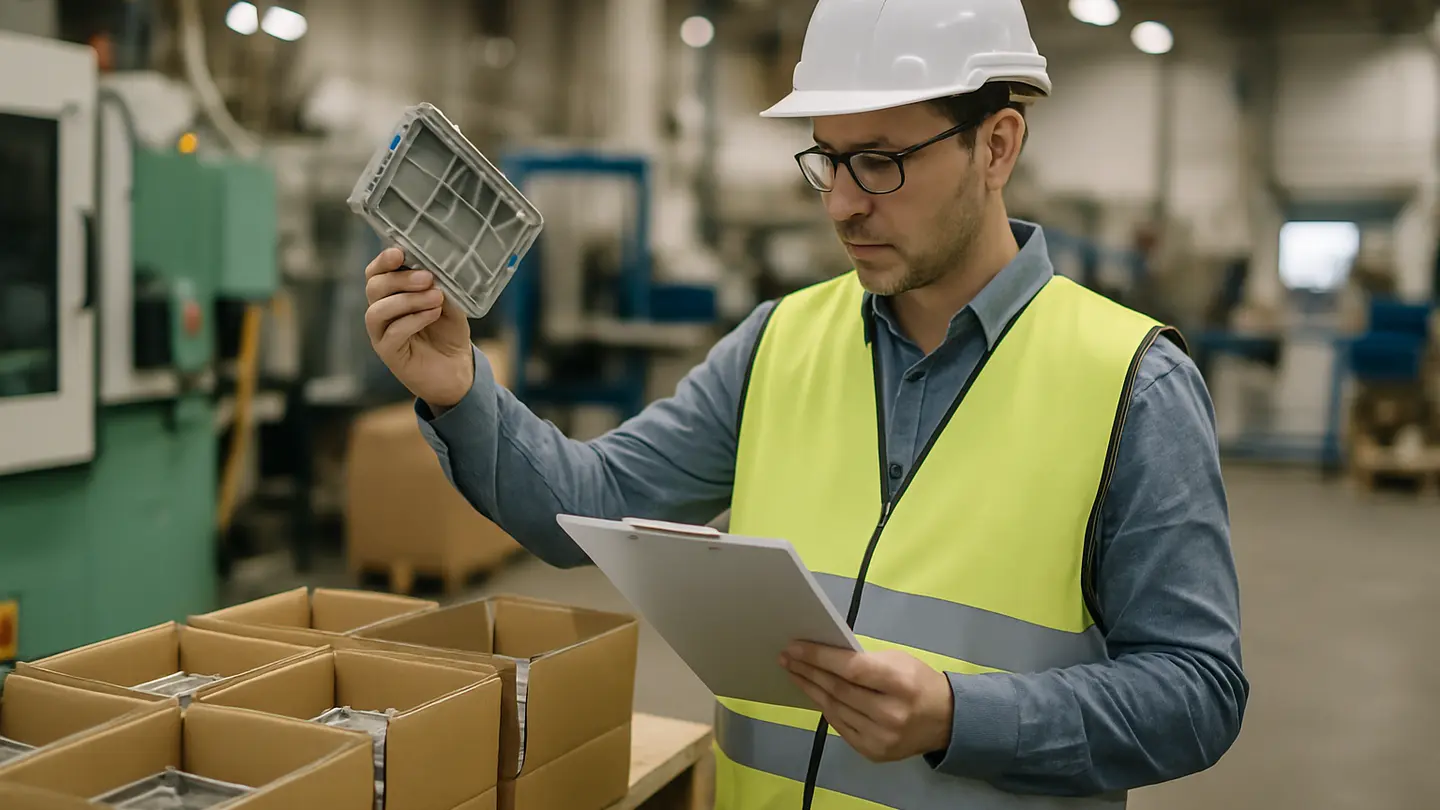
During production inspection, often shortened to DUPRO, is an independent factory inspection carried out while an order is still in progress. The inspector checks units that have come off the line and compares them with the buyer’s approved sample, purchase order, technical file, packaging requirements, and written specifications.
The purpose is to answer practical questions:
- Are the correct materials and components being used?
- Does workmanship match the approved standard?
- Are dimensions, weight, finish, function, and assembly within tolerance?
- Are defects isolated, or repeating?
- Are packaging, labeling, barcode, and carton-marking requirements being followed?
- Is there still enough production left to correct the issue?
DUPRO should not be scheduled by percentage alone. Some inspection firms describe it as taking place when production is around 20% to 80% complete, while others use narrower ranges. In practice, timing depends on the production schedule, defect risk, product complexity, and the buyer’s ability to decide quickly.
The inspection needs two conditions to be useful. First, enough finished or semi-finished units must be available to inspect. If only a few pieces exist, repeated problems may not appear. Second, enough of the order must remain unmade so the factory can correct the process. If 95% of the batch is complete, the inspection may provide evidence but may no longer prevent most of the damage.
For assembled products such as shower fittings or bathroom accessories, inspection may be best after the first meaningful run of finished goods, but before most assembly and packing are complete. For simpler molded items, it may focus earlier on material, color, surface finish, and dimensions.
One Repeating Defect, Two Very Different Outcomes
Consider a buyer ordering 20,000 reusable bottles for a promotional program. The approved sample has a tight-sealing cap. During mass production, the factory uses a slightly different gasket. The bottle looks acceptable, but a leak test shows that the cap fails when tilted.
If found only during final pre-shipment inspection, most goods may already be finished, packed, and labeled. The factory may need to open cartons, test units, replace gaskets, and repack the order. If the deadline is close, the buyer must choose between delay, discount, rejection, or urgent rework.
If found during production, the result can be different. Perhaps 3,000 bottles are complete and 17,000 remain unassembled. The inspector identifies repeated leakage and photographs the gasket difference against the approved sample. The buyer can instruct the factory to stop using the incorrect component, source the correct gasket, segregate affected units, and rework or replace defective stock.
The defect is the same, but the outcome is different. In the first case, it may affect the entire shipment. In the second, the buyer has a correction window before the rest of the batch is finished.
What Inspectors Check During Production
Inspection quality depends heavily on the information given to the inspector. A vague instruction such as “check quality” is not enough. The buyer should provide approved samples, drawings, specifications, photos, packaging artwork, barcode files, carton-marking instructions, and critical performance requirements.
A typical during-production checklist may cover the following areas.
| Inspection area | What the inspector may verify |
|---|---|
| Materials and components | Approved inputs, colors, finishes, fittings, fasteners, seals, hoses, cartridges, glass, plastics, metals, or packaging materials |
| Workmanship | Scratches, dents, burrs, stains, sharp edges, uneven finishing, poor assembly, loose parts, deformation, color variation, or visible defects |
| Function | Water flow, sealing, opening and closing, fitting compatibility, switch operation, locking, movement, load-bearing, or other product-specific functions |
| Dimensions and weight | Measurements against drawings, tolerances, weight targets, thickness, hole positions, connection sizes, or assembled dimensions |
| Appearance | Surface finish, polishing, plating, coating, printing, color matching, texture, gloss, and visible consistency |
| Packaging | Inner packing, protective materials, retail boxes, master cartons, inserts, manuals, accessories, and carton strength where relevant |
| Labels and barcodes | SKU labels, warning labels, country-of-origin marks, barcode readability, carton marks, and buyer-specific identification |
| Quantity and production status | Units completed, in process, packed, reworked, rejected, or awaiting materials |
For shower and bathroom-related products, the checklist may include hose length, thread size, plating appearance, spray mode operation, sealing performance, mounting hardware, accessory count, installation instructions, and retail packaging accuracy. For other categories, the checklist should match the product’s real failure modes.
Workmanship checks show whether a problem is isolated or systemic. One scratched item may indicate handling damage. Ten scratched items with the same mark in the same place may point to a fixture, tooling, packing method, or workstation problem. The second case is more serious because it is likely to continue unless the process changes.
Inspectors also look for consistency. A supplier may produce a strong approval sample, but mass production can drift when different operators, materials, machines, or subcontractors are involved.
How to Act on a During-Production Report
An inspection report has limited value unless the buyer turns it into corrective action. A report may contain photos, sample sizes, measurements, comments, and a pass/fail recommendation, but the factory still needs specific instructions.
First, determine the scope of the problem:
- How many units have been completed?
- How many are packed and difficult to access?
- How many are in process?
- How many remain unmade?
- Is the defect present across different production times, operators, machines, molds, or lines?
- Can defective units be reliably sorted or reworked?
Next, classify severity. A critical safety or compliance issue may justify stopping production and rejecting affected goods. A major functional defect may require full rework and follow-up inspection. A minor cosmetic defect might be accepted if it is within tolerance, or negotiated commercially if it does not affect salability.
Common buyer decisions include:
- Rework: The factory repairs or replaces defective components and presents the goods for reinspection.
- Segregation: Defective units are separated from acceptable units.
- Process correction: The factory changes tooling, materials, instructions, assembly methods, or quality gates.
- Conditional acceptance: The buyer accepts goods only after specific evidence is provided.
- Discount or allowance: The buyer accepts a lower-grade issue commercially, usually only for non-critical defects.
- Rejection: Goods are refused if defects are severe, widespread, or not economically correctable.
Corrective action should be documented in writing. The buyer’s message should identify the defect, evidence, affected quantity, required correction, deadline, and verification method.
A follow-up check is often essential. If the factory says it corrected the issue, the buyer needs evidence that the correction reached remaining production. That may require a targeted reinspection, additional photos and videos, production records, or a later pre-shipment inspection focused on the original defect.
When a Mid-Production Inspection Is Most Likely to Pay Off
During production inspection becomes more valuable as batch risk increases. Not every low-value repeat order needs the same inspection plan, but certain situations make a mid-production visit commercially sensible.
A new supplier is one of the clearest triggers. A factory may produce a good development sample but struggle to maintain the same standard in mass production. Samples are often made with extra attention, better operators, or specially selected materials. DUPRO helps confirm whether normal production matches the approved sample.
Complex products also justify closer control. The more components, processes, tolerances, finishes, or functions involved, the more opportunities there are for repeated defects. A shower set with plated components, hose connections, seals, brackets, packaging inserts, and installation hardware has more failure points than a single molded part.
Long production runs add risk. Quality can drift as tooling wears, operators change shifts, materials vary, or production pressure increases. A mid-production inspection can reveal trends before the final quantity is complete.
Buyers should also consider DUPRO when something changes after approval. Risk triggers include:
- a material substitution;
- a new component supplier;
- a subcontracted process;
- a new production line;
- a mold, tool, or fixture adjustment;
- a change in coating, plating, printing, or finishing;
- a compressed production schedule;
- previous defects in similar orders;
- unclear or recently revised specifications.
Large orders magnify small defect rates. A 3% defect rate may be manageable on a 500-unit order, but it becomes a substantial commercial problem on a 50,000-unit order. The inspection cost may be small compared with sorting, replacing, discounting, or recalling defective goods after delivery.
How DUPRO Fits Between Initial and Pre-Shipment Checks
During production inspection is one part of a broader quality-control plan. It should be understood alongside initial production checks and pre-shipment inspections.
An initial production check focuses on readiness. It may verify raw materials, components, tooling, line setup, first production pieces, packaging materials, and whether the factory understands the buyer’s requirements. This helps prevent mistakes before production gains speed.
DUPRO comes later, when actual output is available. It checks whether mass production is stable and whether finished or semi-finished units match approved requirements. Its main advantage is that much of the order may still be corrected.
A pre-shipment inspection is usually performed when production is complete, or nearly complete, and goods are packed for export. It helps the buyer decide whether the finished batch is acceptable before shipment release. It can identify defects before goods leave the factory, but it may be too late to prevent them from affecting much of the order.
For high-risk orders, buyers may use continuous production monitoring: repeated visits or ongoing factory presence during key stages. It is more costly, but may be justified for complex products, tight launch deadlines, strict compliance requirements, or suppliers with unstable production.
The right plan depends on risk tolerance and failure modes. Initial checks reduce the risk of starting wrong. DUPRO reduces the risk of continuing wrong. Pre-shipment inspection reduces the risk of releasing wrong.
What During Production Inspection Cannot Guarantee
A during production inspection is useful, but it is not a guarantee that every unit is perfect. Inspectors usually check a sample of available goods. They do not inspect every carton and item unless the buyer arranges a full inspection or sorting service.
A clean result is evidence, not certainty. It indicates that sampled goods met the criteria at that stage. Problems can still appear later if the factory changes materials, moves production to another line, uses different operators, rushes packing, or fails to apply corrective action consistently.
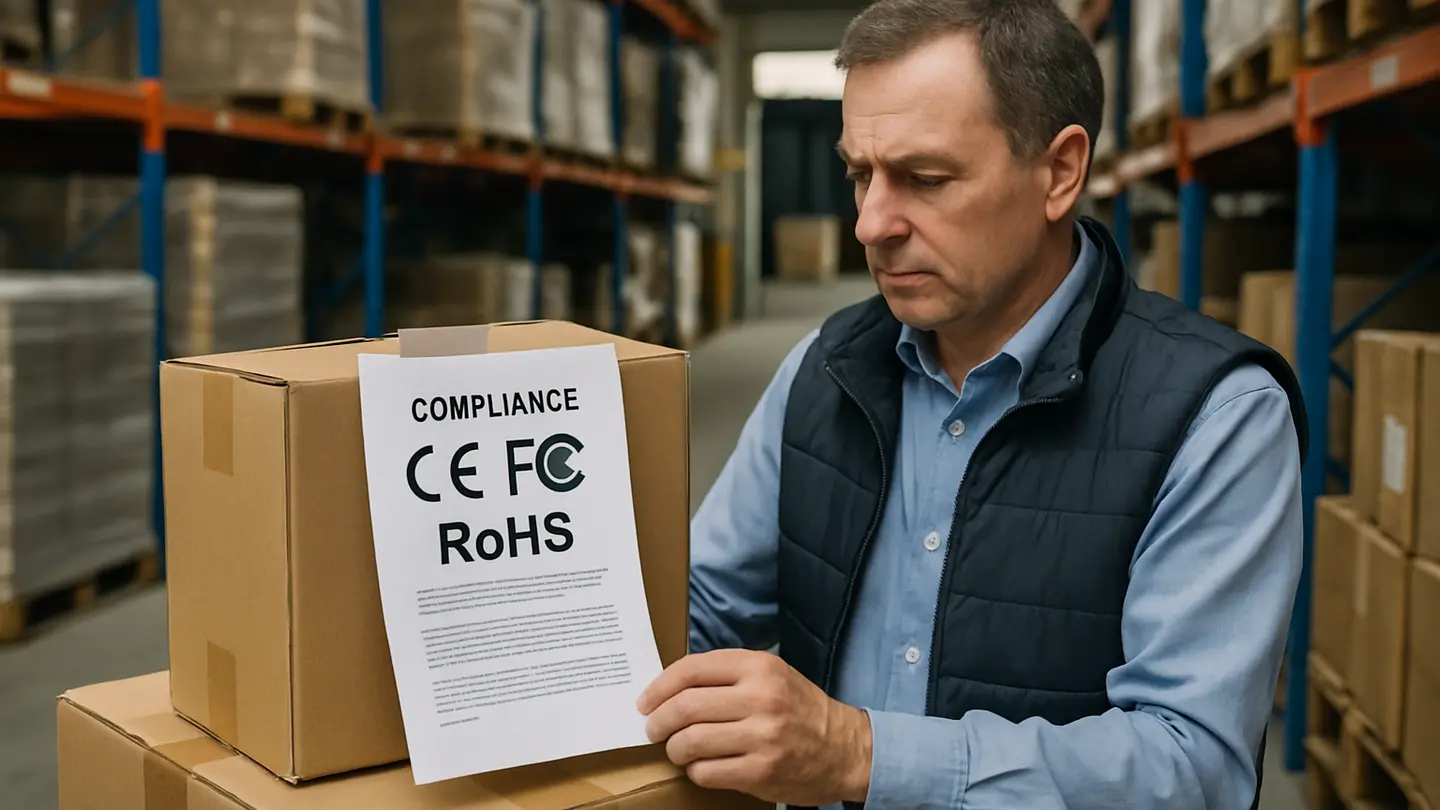
DUPRO also does not replace laboratory compliance testing. If a product must meet legal, safety, chemical, electrical, plumbing, or market-specific standards, formal testing may still be required. Factory inspection can check labels, construction, documents, and visible conformity, but it cannot substitute for accredited lab analysis where regulations require it.
Buyer instructions matter. If specifications are incomplete, the inspector may not know what to reject. If the buyer never defined plating thickness, barcode format, hose length tolerance, or carton drop-test requirement, the inspector may only be able to report visible issues and general observations.
Supplier cooperation is another limitation. The factory must provide access to goods, production areas, records, and relevant staff. If a supplier resists inspection, delays access, hides production status, or refuses to show subcontracted processes, the buyer should treat that as a warning sign.
FAQ
Q1: Can the factory not just check its own production?
The factory should check its own work. Internal quality control is part of responsible manufacturing. However, the factory’s quality staff ultimately report to the factory, not to the buyer.
Independent inspection gives the buyer separate evidence. This is useful when there is a dispute about whether goods match the approved sample or purchase order. A third-party report with photos, measurements, defect counts, and production-status notes gives the buyer a stronger basis for corrective instructions and shipment decisions.
Q2: Who arranges the visit, me or the factory?
The buyer typically books and pays for the inspection. The inspection company coordinates the visit with the factory, but the factory must provide access to the production area, available goods, packing area, and relevant documents.
Inspection access should be written into the purchase order or supplier agreement. The terms should state that the buyer or buyer-appointed inspector may inspect goods during production and before shipment. This avoids last-minute arguments about access.
Q3: Does the visit cover a workshop the factory subcontracts to?
Only if the subcontracted workshop is included in the inspection scope. An inspector sent to the main factory may not automatically visit an outside plating shop, sewing workshop, molding facility, packing site, or assembly subcontractor.
Buyers should ask which production steps take place away from the main facility. If a critical process is subcontracted, the inspection booking should specify whether that location must be visited and whether the subcontractor will provide access.
Q4: Can I arrange this without flying to China?
Yes. Many buyers arrange local factory inspections remotely. The buyer provides the purchase order, specifications, approved sample details, checklist, and instructions. The inspection company sends a local inspector and provides a report with photos, findings, measurements, defect descriptions, and production-status information.
This is practical for smaller importers and sourcing teams that cannot travel for every order. It allows the buyer to review evidence before deciding whether production should continue, be corrected, or be reinspected.
Conclusion: Inspect While There Is Still Time to Correct the Batch
The value of during production inspection depends on timing. The inspection should take place when enough goods exist to reveal real production quality, but enough of the order remains unmade to make correction worthwhile.
The key question is not only the percentage completed. It is how many units are already affected and how many can still be protected. If a repeated problem is found early, the buyer can contain the damage, instruct the factory clearly, and verify that the correction reaches remaining units.
For B2B buyers, DUPRO is not just a quality-control formality. Used at the right point, it can turn a potential bad batch into a manageable correction before shipment.