FOB China shipping is one of the most common trade terms used when international buyers source products from Chinese suppliers. In practical terms, it means the supplier’s responsibility usually runs up to the point where the goods are loaded on board the vessel at a named Chinese port. After that point, the buyer takes responsibility for the main international shipment and destination-side process.
For B2B buyers importing finished goods, components, bathroom fittings, packaging, or custom-manufactured products, FOB can provide a cleaner division of responsibility than many other terms. The supplier handles the China-side export process, while the buyer can select the freight forwarder, compare ocean freight options, decide whether to insure the cargo, and control how the shipment is handled at destination.
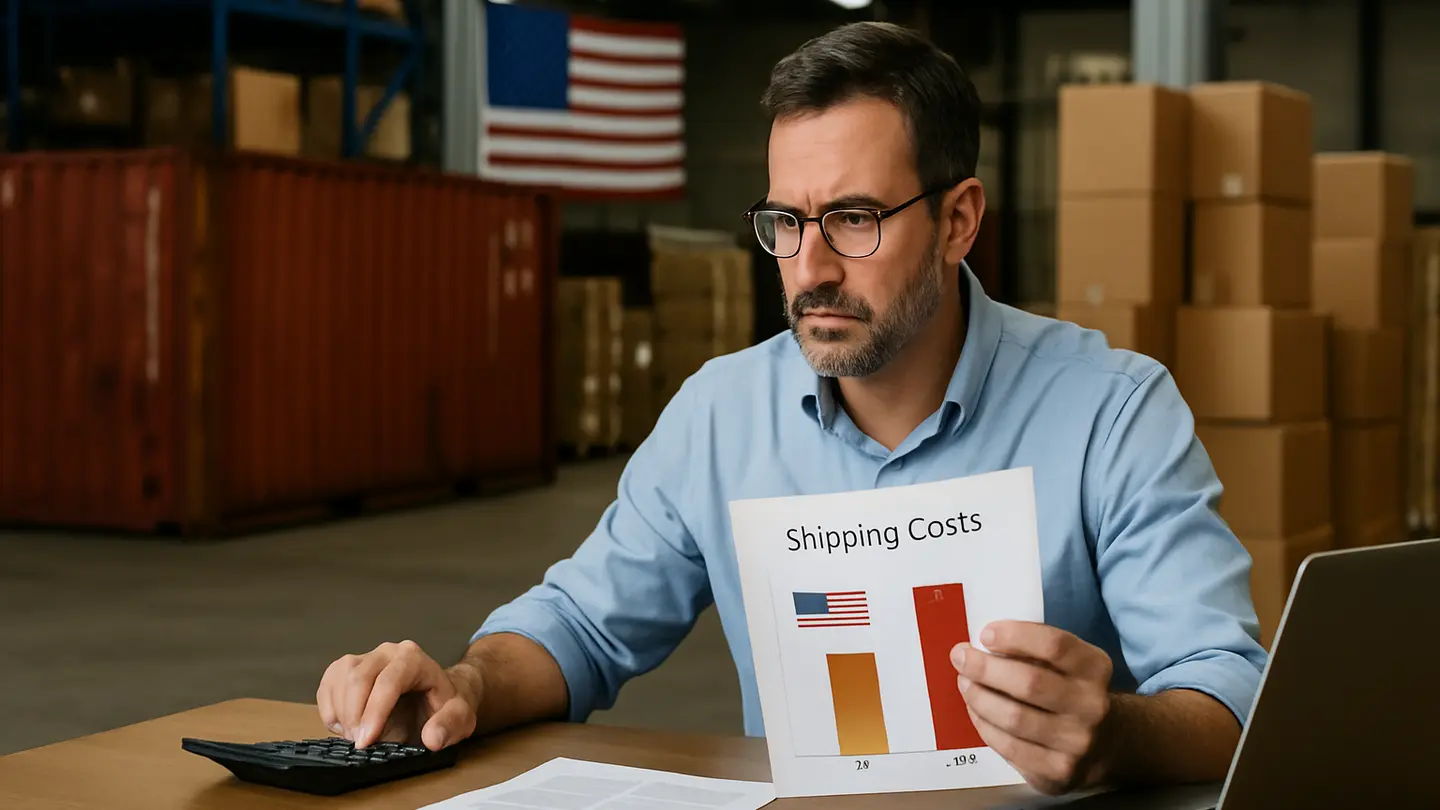
The key is to remember that FOB is not a complete delivered price. It does not include ocean freight, destination terminal charges, customs duties, import taxes, customs clearance, or final delivery to your warehouse. Those costs sit on the buyer’s side and must be included when calculating total landed cost.
A simplified cost-responsibility view looks like this:
| Shipping leg or cost item | Usually paid by supplier under FOB | Usually paid by buyer under FOB |
|---|---|---|
| Factory packing for export | Yes | No |
| Inland transport from factory to named Chinese port | Yes | No |
| China export customs clearance | Yes | No |
| Port handling before loading | Yes | No |
| Loading goods onto the vessel | Yes | No |
| Ocean freight | No | Yes |
| Cargo insurance, if purchased | No | Yes |
| Destination terminal charges | No | Yes |
| Import customs clearance | No | Yes |
| Duties and taxes | No | Yes |
| Final delivery to warehouse or project site | No | Yes |
FOB China shipping is therefore best understood as a cost and risk handover point, not as a full logistics solution.
What FOB Covers Before the Goods Leave China
FOB means “Free on Board.” Under this term, the quote should always include a named port of loading, such as FOB Shanghai, FOB Ningbo, FOB Shenzhen, FOB Qingdao, or FOB Xiamen. “FOB China” by itself is incomplete because China has many export ports, and domestic trucking and port handling costs can vary significantly.
The handover point is after the goods are loaded on board the vessel at the agreed Chinese port. Before that point, the supplier typically arranges and pays for the China-side process. This usually includes moving the cargo from the factory to the port, preparing export documents, completing export customs clearance, and paying normal origin charges required to get the goods loaded.
For the buyer, this creates a relatively clear starting point for international logistics. Once the cargo is on the vessel, the buyer’s freight forwarder manages the ocean freight, destination arrival, customs clearance coordination, and onward movement.
FOB is widely used for sea freight because it divides responsibilities in a way that suits many importers. The supplier is better positioned to manage local China export procedures, while the buyer may be better positioned to negotiate freight, choose routing, and work with a trusted forwarder in the destination market.
However, FOB does not automatically define every commercial issue between buyer and seller. It does not, by itself, determine when ownership legally transfers, when payment is due, what happens if goods fail inspection, or how disputes are handled. Those points should be covered separately in the purchase contract, pro forma invoice, sales agreement, or purchase order terms.
For example, a buyer may agree to pay a balance after pre-shipment inspection but before release of shipping documents. Another buyer may negotiate payment after copy documents are provided. These are payment terms, not FOB terms. Keeping Incoterms separate from payment, title transfer, quality acceptance, and warranty terms avoids confusion later.
Buyer Costs After the Vessel Is Loaded
Under FOB China shipping, the buyer usually controls and pays for the costs that arise after the goods are loaded onto the vessel. The largest cost is often ocean freight, but it is rarely the only one.
A complete freight quote should include both the main freight and the likely destination-side charges. Buyers should ask freight forwarders for a breakdown that covers:
- Ocean freight from the named Chinese port to the destination port
- Destination terminal handling charges
- Document release or bill of lading fees
- Delivery order fees
- Customs brokerage or customs clearance fees
- Import duties and taxes, if the forwarder can estimate them
- Port storage or demurrage risks, where applicable
- Container drayage or local truck delivery
- Warehouse delivery, unloading, or appointment charges if needed
Many buyers focus heavily on the ocean freight rate but underestimate destination charges. This is especially risky with small or mixed shipments, where fixed charges are spread across fewer units.
For example, if a buyer imports one container of shower enclosures, a destination document fee may add only a small amount per unit. If the same buyer imports a small LCL shipment of spare fittings or sample production, the same type of fee can materially raise the unit cost. Per-shipment fees do not always scale neatly with order value.
Shipment size also matters. A full container load may have a different cost structure from less-than-container-load cargo. LCL shipments can be economical for smaller orders, but they may involve consolidation, deconsolidation, warehouse handling, and more documentation charges. FCL shipments may appear more expensive upfront but can be more efficient per unit when volume is high enough.
Choosing a capable freight forwarder is therefore not just an administrative decision. The forwarder affects cost transparency, routing options, communication speed, customs coordination, and the buyer’s ability to anticipate problems before they become expensive. A low freight quote with poor destination support can cost more than a slightly higher quote from a forwarder that clearly explains the full landed-cost picture.
Why CIF Quotes Can Look Cheaper Than They Are
CIF stands for “Cost, Insurance and Freight.” Under CIF, the supplier arranges and pays for ocean freight to the destination port and provides basic cargo insurance. On paper, CIF can look attractive because the quoted supplier price appears to include more of the journey than FOB.
The limitation is that CIF does not mean delivered to the buyer’s warehouse. The buyer still handles import entry, customs clearance, duties, taxes, destination port charges, and final delivery. The destination-side process remains the buyer’s responsibility, even though the supplier arranged the ocean freight.
This structure can create cost surprises. When the supplier appoints the freight provider, the buyer may have less control over destination handling arrangements and cargo release fees. Some CIF quotes show low or apparently “free” freight, but the destination charges may be higher than expected. The buyer may not discover the full cost until the goods arrive and must be released.
CIF insurance also deserves close attention. The insurance included under CIF is generally basic coverage. It may not fully protect against all practical cargo risks, such as product damage, shortage, theft, water damage, container sweat, mishandling, or packaging failure. Buyers importing fragile, high-value, custom, or project-critical goods should review the insurance terms rather than assuming that “insured” means fully protected.
FOB often gives buyers more control because the buyer selects the forwarder from the outset. That makes it easier to ask for a full quotation, compare carriers, review sailing schedules, and understand destination fees before booking. CIF may still be suitable in certain situations, especially for buyers who prefer the supplier to coordinate the freight, but it should be compared on total landed cost rather than supplier quote alone.
How DDP and EXW Compare With FOB
DDP and EXW sit at opposite ends of the responsibility spectrum compared with FOB.
DDP means “Delivered Duty Paid.” In a DDP arrangement, the supplier takes on a much larger logistics role. This can include export clearance, international freight, import customs clearance, duties, taxes, and delivery to the named destination. For buyers who want a single delivered price, DDP may appear convenient.
However, DDP requires careful verification. Buyers should confirm who acts as the importer of record, whose tax identification or customs registration is used, and whether the arrangement complies with local import rules. In some markets, the buyer may need to be the importer of record for accounting, tax, compliance, or product liability reasons. A vague DDP quote can hide important legal and operational details.
EXW means “Ex Works.” Under EXW, the supplier makes the goods available at the factory or another named place, and the buyer is responsible from that point onward. This usually means the buyer must arrange pickup at the factory, inland trucking in China, export handling, export customs declaration, international freight, import clearance, and final delivery.
EXW can be challenging for foreign buyers because export clearance in China may require local documentation and coordination. If the buyer’s forwarder does not have a strong China-side network, EXW can create delays and extra charges. A factory may offer EXW because it reduces the supplier’s workload, but a low EXW product price does not necessarily mean the lowest delivered cost.
FOB often sits between these two terms. It gives the supplier responsibility for the China-side export process while allowing the buyer to control international freight and destination logistics. For regular importers, that balance is often more practical than EXW and more transparent than some CIF or DDP arrangements.
Compare Total Landed Cost, Not Just the Supplier Quote
The most common mistake in comparing supplier offers is treating different Incoterms as if they were directly comparable. They are not.
A product quoted at EXW, FOB, CIF, and DDP may appear to have four different prices, but each price includes a different set of cost responsibilities. A lower supplier quote may simply exclude costs that will appear later. A higher quote may include services that reduce the buyer’s downstream expenses.
Total landed cost is the more reliable basis for comparison. It includes the product price plus all costs needed to bring the goods to the buyer’s final destination. Depending on the shipment, this may include:
- Product cost
- Export packing or special labeling
- Inland trucking in China, if not included
- China export charges
- Ocean or air freight
- Cargo insurance
- Destination terminal charges
- Customs brokerage
- Import duties
- Import VAT, GST, or sales tax
- Final delivery
- Warehousing, unloading, or project-site handling
A side-by-side landed cost worksheet can make the comparison clear. Buyers can list each offer by supplier and Incoterm, then add missing cost legs until every option is converted into the same delivered basis.
For example, a supplier offering EXW may show the lowest product price, but once China inland trucking, export handling, and customs declaration are added, it may be more expensive than FOB. A CIF offer may look cheaper than FOB because freight is included, but destination release charges could reverse the comparison. A DDP offer may look expensive at first, but if it genuinely includes duties, customs clearance, and delivery, it may be competitive for a buyer without an established import process.
For repeat importers, landed cost worksheets also support better purchasing decisions over time. They reveal whether cost changes come from raw product pricing, exchange rates, freight markets, duties, order quantity, or inefficient shipping choices. That visibility is one of the main reasons buyers use FOB China shipping: it separates the supplier’s manufacturing quote from the buyer’s logistics decisions.
FAQ
Q1: What does the “free” in FOB actually mean?
The “free” in Free on Board does not mean the shipment is free. It means the buyer is free from the normal cost and risk of moving the goods to the named port and loading them on board the vessel.
Under FOB, the seller bears cost and risk up to the loading point. Once the goods are loaded on the vessel, the buyer takes responsibility for the main freight, insurance if purchased, destination charges, customs clearance, duties, taxes, and final delivery.
Q2: My supplier wrote “FOB China” with no port named. Is that a real quote?
It is incomplete. A usable FOB quote should name the specific port of loading, such as FOB Shanghai or FOB Ningbo.
The port matters because domestic trucking distances, port handling costs, sailing options, and local logistics arrangements can differ. A factory located near Ningbo may have a different cost base from one shipping through Shenzhen or Qingdao. Buyers should confirm the FOB port in writing before comparing supplier quotes.
Q3: Why does my FOB price move when I change the order quantity?
FOB prices may change because some export and handling costs are fixed per shipment, while others vary by volume, weight, truck type, or container utilization.
For small orders, fixed charges can have a larger effect on unit cost. For larger orders, the supplier may need different trucking arrangements, more handling, or a full-container shipment. Asking for FOB prices at several quantities can show how fixed and variable costs affect the final quote.
Q4: Does my supplier need export rights to sell on FOB terms?
FOB requires export clearance on the seller’s side. Some factories have their own export rights, while others use an export agent or trading company to complete the export declaration.
Buyers should know whose name appears on the export declaration and commercial documents. This can affect documentation consistency, customs records, tax handling, and communication if shipment issues arise.
Final Takeaway for Importers Using FOB China Shipping
Supplier-recommended shipping terms may reflect the supplier’s internal process, location, cash-flow preference, or freight relationships. They are not always the best option for the buyer. FOB China shipping often gives regular importers a practical balance: the supplier manages the China-side export process, while the buyer controls freight booking, routing, insurance decisions, and destination visibility.
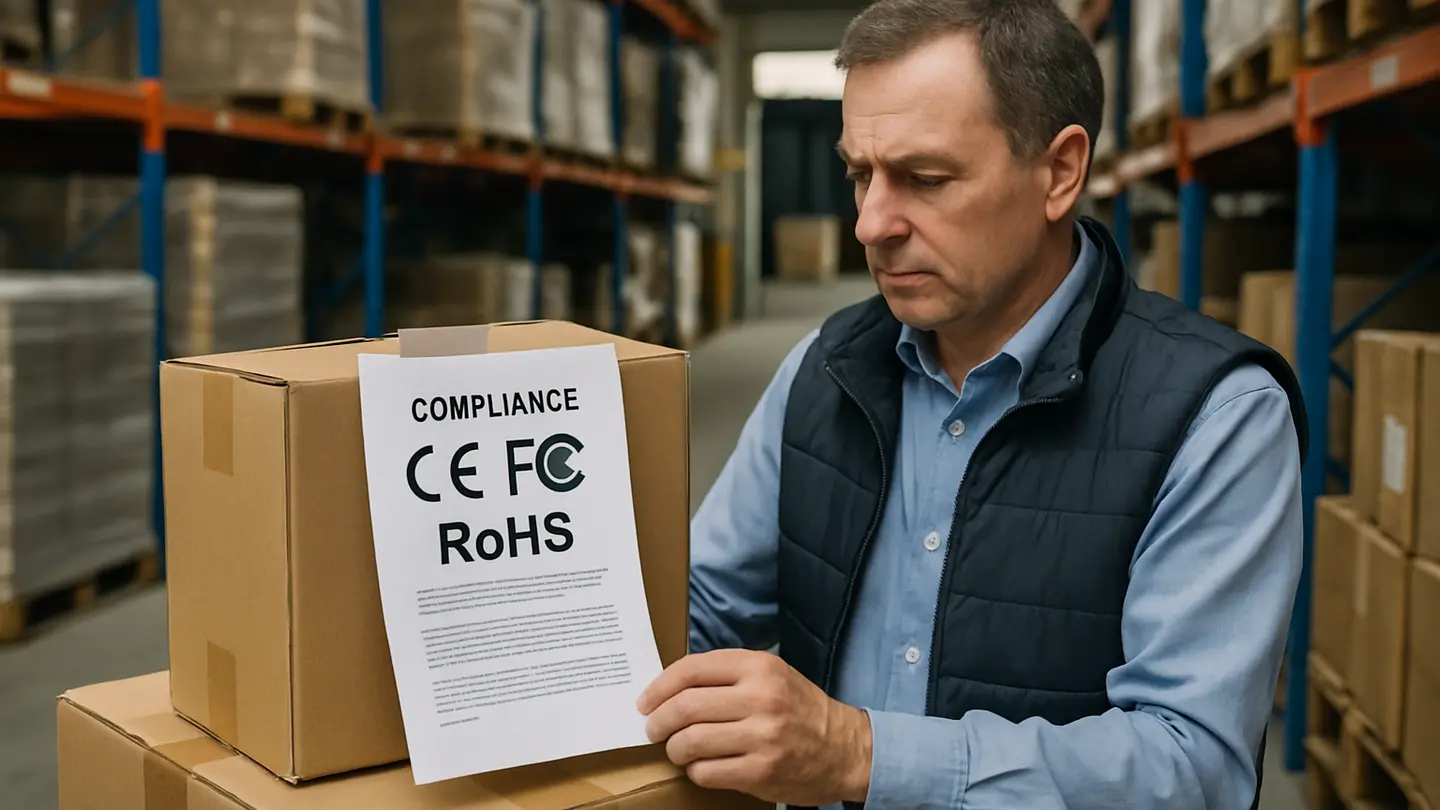
Before booking, the freight forwarder needs accurate shipment information. This includes the cargo-ready date, product description, carton count, gross weight, volume, pallet details if applicable, container loading requirements, and final destination address. If the goods are subject to compliance checks, labeling rules, or special handling requirements, those details should be shared early.
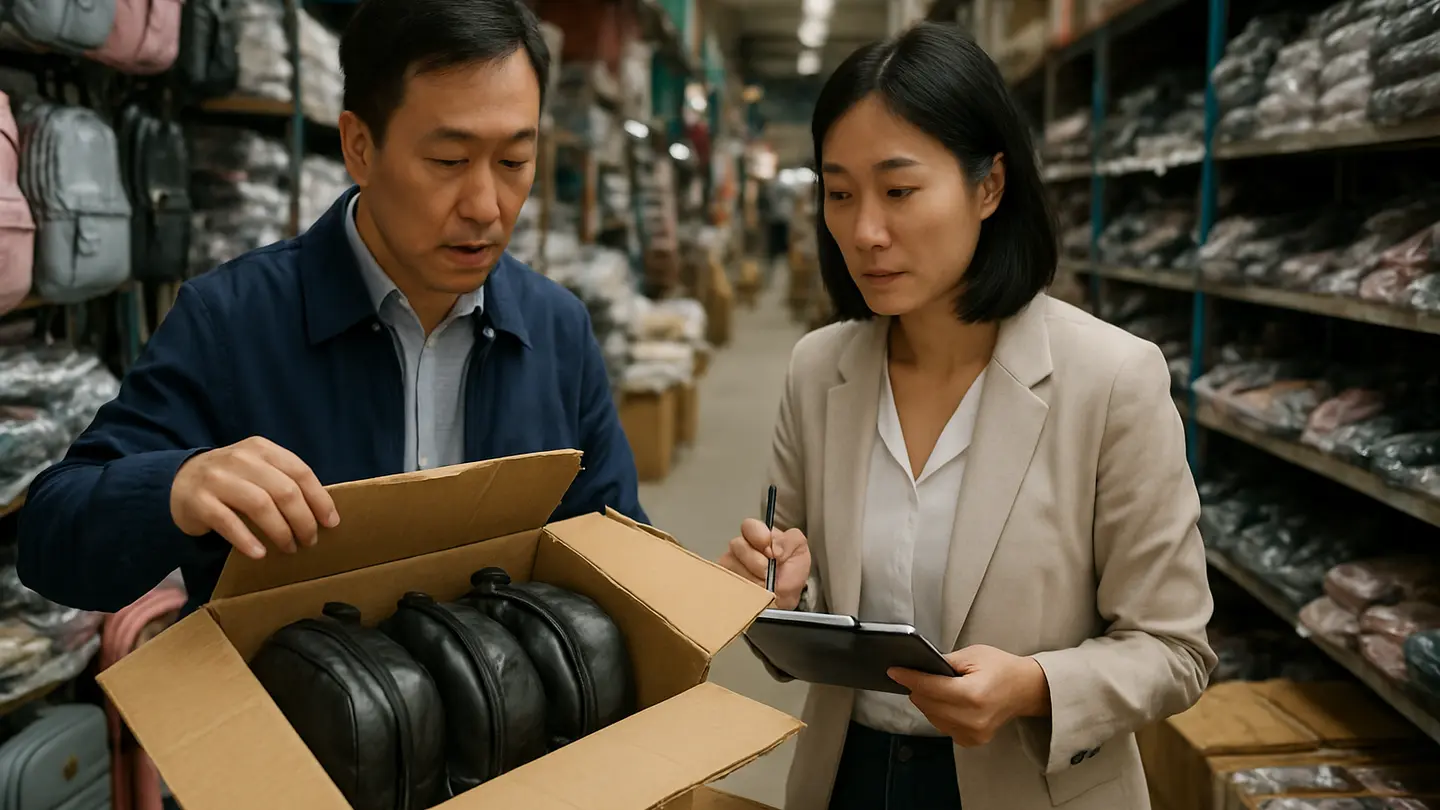
Buyers should also align production status, inspection timing, packing details, and shipping plans before goods leave the factory. A shipment should not be treated as ready simply because production is finished. Final inspection, carton markings, export packing, commercial invoice details, packing list accuracy, and booking instructions all affect whether the goods move smoothly.
Used properly, FOB is not just a shipping term. It is a framework for cost control, responsibility management, and clearer communication between supplier, buyer, and freight forwarder.