What “Free” Samples Usually Include
When buyers ask for free samples from China, they often mean a finished product delivered at no cost. In practice, that arrangement is uncommon, especially for B2B products such as shower enclosures, shower trays, faucets, drains, glass panels, and customized bathroom accessories.
The most common arrangement is:
- The supplier provides a standard stock sample without charging for the product itself.
- The buyer pays international courier freight.
- The buyer may also be responsible for import duty, taxes, or customs-related charges in the destination country.
This approach is reasonable for both parties. A factory may already have a standard sample available, but packing, export handling, and express delivery still create real costs. For heavy or fragile bathroom products, freight can be significant. A glass shower door, stone-resin tray, or stainless-steel shower channel may cost more to ship than a small plastic fitting, even if the product sample is free.
“Free” also does not usually include custom work. A standard chrome shower mixer may be available as a stock sample, while a version with a special finish, custom logo, revised handle design, or retail packaging may require a sample charge.
Buyers should also separate ordinary sample fees from development expenses. A supplier may charge one fee for a sample unit and another for tooling, mold modification, printing plates, new packaging dies, or engineering work. These charges should be quoted separately so the buyer can understand what is refundable, creditable, or non-refundable.
Before approving payment, ask whether any sample fee can be credited against the first production order. Some suppliers are willing to deduct a reasonable sample charge from a later order if the buyer meets an agreed order quantity or value. This should be confirmed in writing rather than assumed.
When a Sample Fee Is Justified—and When to Question It
A sample fee is not automatically a warning sign. It can be justified when the supplier must use materials, labor, setup time, or specialized processes to make a sample that matches the buyer’s requirements.
For shower-related products, a fee may be reasonable when the sample includes:
- Custom glass dimensions, thickness, edge treatment, or drilling positions
- A non-standard frame color or surface finish
- Custom hardware, such as hinges, handles, rollers, or brackets
- Private-label printing, laser marking, or branded packaging
- A revised shower tray size, drain location, or surface texture
- Custom carton artwork, foam inserts, instruction manuals, or labels
- New molds, fixtures, jigs, or product-development work
- Complex assembly involving multiple materials or components
For example, a supplier may provide a standard shower head sample at low cost, but producing one in a special PVD finish with custom retail packaging can require additional handling and setup. Similarly, a stock shower enclosure may be easy to sample, while a made-to-measure enclosure with different glass cutouts and black aluminum profiles may require new fabrication work.
Fees deserve closer review when the sample is a standard catalog product that the supplier claims to keep in stock. A high charge for an ordinary item may reflect a supplier’s policy, expensive courier packing, or an attempt to discourage low-intent inquiries. It may also indicate that the supplier does not actually maintain the product in stock.
The practical response is not simply to reject the fee. Ask for a clear breakdown:
- Is the charge for the product, freight, packaging, or development?
- Is the sample taken from stock or produced specifically for this request?
- Can the charge be credited against a production order?
- Does the fee include custom materials or tooling?
- What is the expected sample lead time?
Compare equivalent offers from more than one supplier. The comparison should be like-for-like: the same product configuration, finish, packaging, shipping method, and destination. A lower sample fee is not necessarily better if the supplier is sending a different specification or using insufficient packaging for fragile goods.
Why Leading With a Free-Sample Request Can Hurt Negotiations
Suppliers receive many sample inquiries that never develop into orders. For that reason, they often use the way a buyer discusses samples to assess whether the buyer is serious.
Opening an inquiry with “Send me free samples” may make a supplier less responsive, particularly when the requested product is large, heavy, customized, or fragile. This is especially relevant for shower manufacturers because products such as tempered-glass enclosures, shower trays, and assembled valve systems are not inexpensive to prepare and ship.
A stronger approach is to discuss the intended product first. Provide a clear request for quotation that includes the main specifications, estimated order volume, target market, and relevant packaging needs. For example, a buyer might state the required shower enclosure dimensions, glass type, frame finish, hardware color, packaging expectations, and planned order quantity.
Then ask targeted sample questions, such as:
- Is a stock sample available in the required configuration?
- What are the product and courier charges?
- Can you provide a specification-matched pre-production sample?
- Can the sample fee be credited against the first order?
- What quality records or production photos can be supplied with the sample?
Communicating expected purchasing intent is useful. Buyers do not need to make promises they cannot keep, but they should explain whether the request relates to supplier qualification, product development, a new project, or an upcoming purchasing program.
This gives the supplier a reason to invest attention in the request. It also helps the buyer receive more relevant answers than a generic free-sample inquiry would produce.
The Costs Behind a “Free” Product Sample
Even when the product itself is free, the sample process still has costs. Buyers should calculate these costs before comparing supplier offers.
The most visible cost is express freight. International courier services can be expensive for bulky, heavy, or fragile items. A small shower valve cartridge may be economical to ship, while a shower screen or tray requires protective packing and may be charged based on dimensional weight as well as actual weight.
Other possible costs include:
- Import duty, taxes, or customs processing charges
- Customs delays caused by incomplete or inaccurate documents
- Internal receiving, inspection, and testing time
- Product evaluation by engineering, quality, marketing, or procurement teams
- Storage or disposal of oversized samples
- Return shipping if the buyer requests rework or replacement
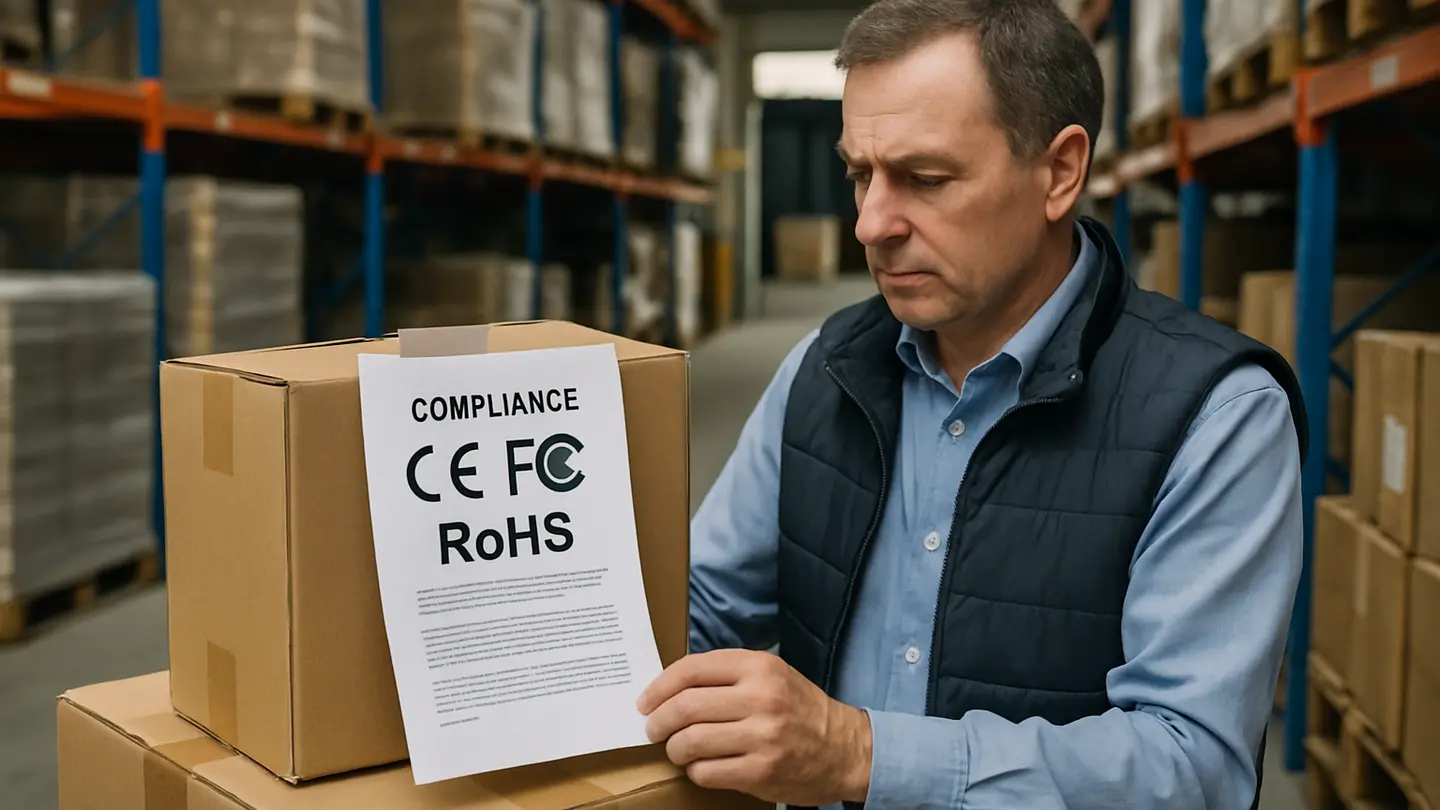
Import treatment differs by destination and by the shipment’s declared purpose, value, product type, and documentation. A shipment labeled as a “sample” is not automatically exempt from all charges. Suppliers and buyers should use accurate descriptions and truthful declared values. Misstating shipment details can create customs problems and does not provide a reliable sourcing advantage.
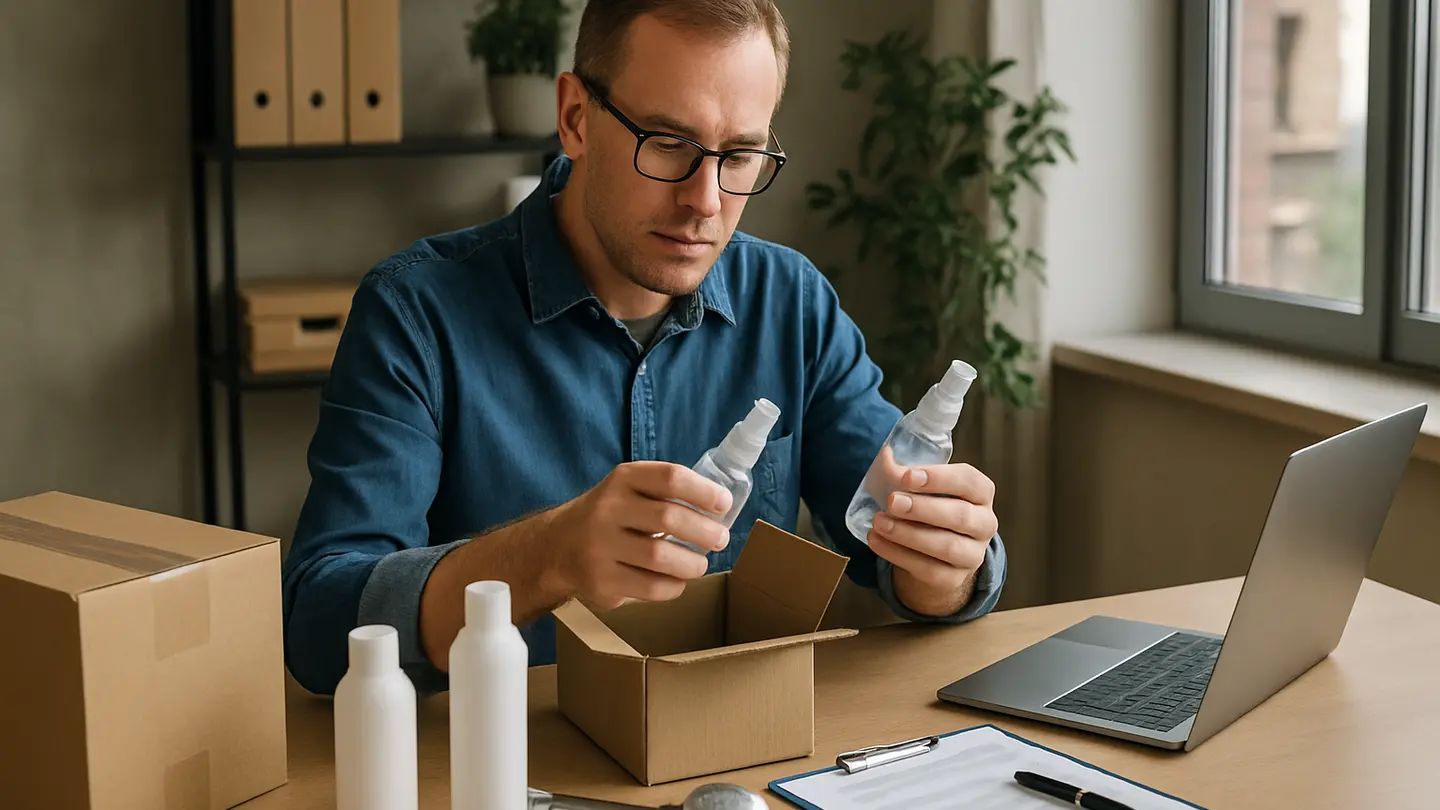
Buyers should also consider what the sample actually proves. A free catalog sample may show basic appearance, material, and assembly quality. However, it may not verify the performance of the final customized product.
For example, a standard shower enclosure sample may not confirm the quality of the buyer’s selected glass thickness, matte-black frame finish, customized handle, or private-label packaging. A standard shower mixer may not validate a special coating, revised internal component, or localized installation kit.
A sample that matches the intended production specification is usually more valuable than a free sample that differs from the final product. The key question is not whether the item is free, but whether it provides meaningful evidence for the order decision.
Why Paying for a Sample Can Be the Better Decision
Paying courier freight or a modest sample fee can be a sensible sourcing decision when the sample helps prevent a much larger production problem.
A paid sample often signals credible buying intent. It may also encourage the supplier to allocate more care to sample preparation, documentation, and communication. This does not guarantee good production performance, but it can support a more serious qualification process.
Before paying, define exactly what the sample must demonstrate. For a shower product, this may include:
- Product dimensions and allowable tolerances
- Glass, aluminum, brass, stainless steel, or plastic material requirements
- Surface finish and color reference
- Hardware configuration and assembly method
- Water-flow, drainage, or sealing requirements where relevant
- Required logos, labels, manuals, and barcode placement
- Carton strength, protective inserts, and handling marks
- Required photos, videos, or inspection evidence before shipment
The buyer should also confirm how nonconforming samples will be handled. If the supplier makes the wrong color, uses incorrect hardware, or misses an agreed dimension, clarify whether it will remake the sample, issue a credit, or revise the product before the next stage.
Once approved, a properly documented sample can become a quality-control reference. It can help production inspectors compare later goods against agreed appearance, components, packaging, and workmanship. However, the physical sample should not replace written requirements. Color, dimensions, tolerances, packaging details, and acceptance criteria should still be recorded clearly in specifications, purchase documents, and approved artwork.
For fragile shower products, packaging approval is particularly important. A product can be acceptable at the factory but arrive damaged if corner protection, foam, dividers, carton strength, or palletization are not appropriate for the shipping method.
How Samples Fit Into the Overall Sourcing Process
Sampling is one part of a broader sourcing process, not a complete supplier-approval method. A practical workflow usually includes product specification, supplier evaluation, quotation comparison, sample review, production approval, quality control, and shipment verification.
For a shower manufacturer or bathroom-product buyer, the process may involve these stages:
- Define the required product, market expectations, materials, dimensions, packaging, and order volume.
- Compare supplier quotations based on equivalent specifications.
- Verify whether the supplier is a factory, trading company, or mixed operation, and identify who will make the product.
- Request stock samples or customized samples that match the intended order as closely as possible.
- Review product quality, fit, finish, assembly, packaging, and relevant functional characteristics.
- Approve written specifications and a reference sample before mass production.
- Monitor production and inspect finished goods against the agreed requirements.
Sample costs should be considered against the risks they may prevent. A low-cost sample can reveal inconsistent finishes, weak packaging, poor assembly, incorrect dimensions, or a misunderstanding about materials before the buyer places a production order.
Discovering those problems after mass production is normally more expensive. The buyer may face rework, replacement claims, delayed delivery, damaged customer relationships, or unsellable inventory.
For complex or customized products, unrecoverable sample fees can still be worthwhile. The value lies in reducing uncertainty before the supplier uses full production quantities of materials and components. A sample is most useful when it tests the areas that are most difficult or costly to correct later.
FAQ
Q1: Are the “free sample” offers listed on Alibaba really free?
Not always. A “free sample” offer may mean that the supplier does not charge for the item itself, while the buyer still pays courier delivery. In some cases, the offer may apply only to a swatch, finish chip, small material piece, or component rather than a completed product.
Before submitting a request, confirm what is included: sample quantity, product version, packaging, courier cost, export documents, and any possible import charges. For shower products, also confirm whether the offer applies to a full assembled unit or only to a small component such as a handle, hinge, finish plate, or glass sample.
Q2: Can I have the sample shipped on my own courier account?
Often, yes. Buyers can frequently arrange sample collection using their own courier account. This may provide better shipment visibility and allow the buyer to manage delivery preferences directly.
The supplier may need the courier account details, pickup address, contact person, package dimensions, weight, pickup time, and collection booking information. Confirm who will prepare the shipping documents and whether the supplier can pack the item according to the courier’s requirements.
For bulky shower samples, check package dimensions carefully before booking collection. Incorrect dimensional information can lead to additional freight charges or collection delays.
Q3: Can I ask for a sample of the packaging alone?
Yes. Packaging-only samples can be useful when cartons, inserts, labels, manuals, or branding are customized. They may be less expensive to ship than a complete shower enclosure, tray, or fixture.
A packaging review should cover every customized component, including outer cartons, inner boxes, foam or corner protection, labels, barcode placement, manuals, warning labels, and sealing methods. For fragile bathroom products, packaging should be evaluated for protection as well as appearance.
Q4: Will the free sample come from the factory that would run my order?
Not necessarily. A stock sample may come from an earlier batch, a different workshop, or a supplier’s showroom inventory. Trading companies may also hold samples sourced from more than one manufacturer.
Ask who produced the sample, who will manufacture the production order, and whether the sample uses the same materials, components, process, and quality controls planned for mass production. If the product is customized, request confirmation that the approved sample is representative of the production version.
Conclusion: Focus on Evidence, Not Just Free Samples
Genuinely free samples from China are most common for low-cost standard items. For many B2B purchases, the normal arrangement is a free or low-cost product sample with buyer-paid courier freight. Custom, heavy, fragile, or complex products may reasonably require a sample charge.
Rather than focusing only on whether a sample is free, buyers should assess whether it provides reliable evidence of the product they intend to order. A stock sample may be enough for initial supplier screening, while a customized pre-production sample may be necessary before approving a larger shower-product order.
Clear specifications, sensible fee comparisons, verified production responsibility, written sample approvals, and packaging checks can reduce sourcing risk more effectively than pursuing the lowest possible sample cost.
About the Author
The author writes about B2B sourcing, supplier evaluation, product sampling, quality-control planning, and international procurement processes. The focus is on practical methods buyers can use to clarify specifications, assess manufacturing risk, and make more informed purchasing decisions.