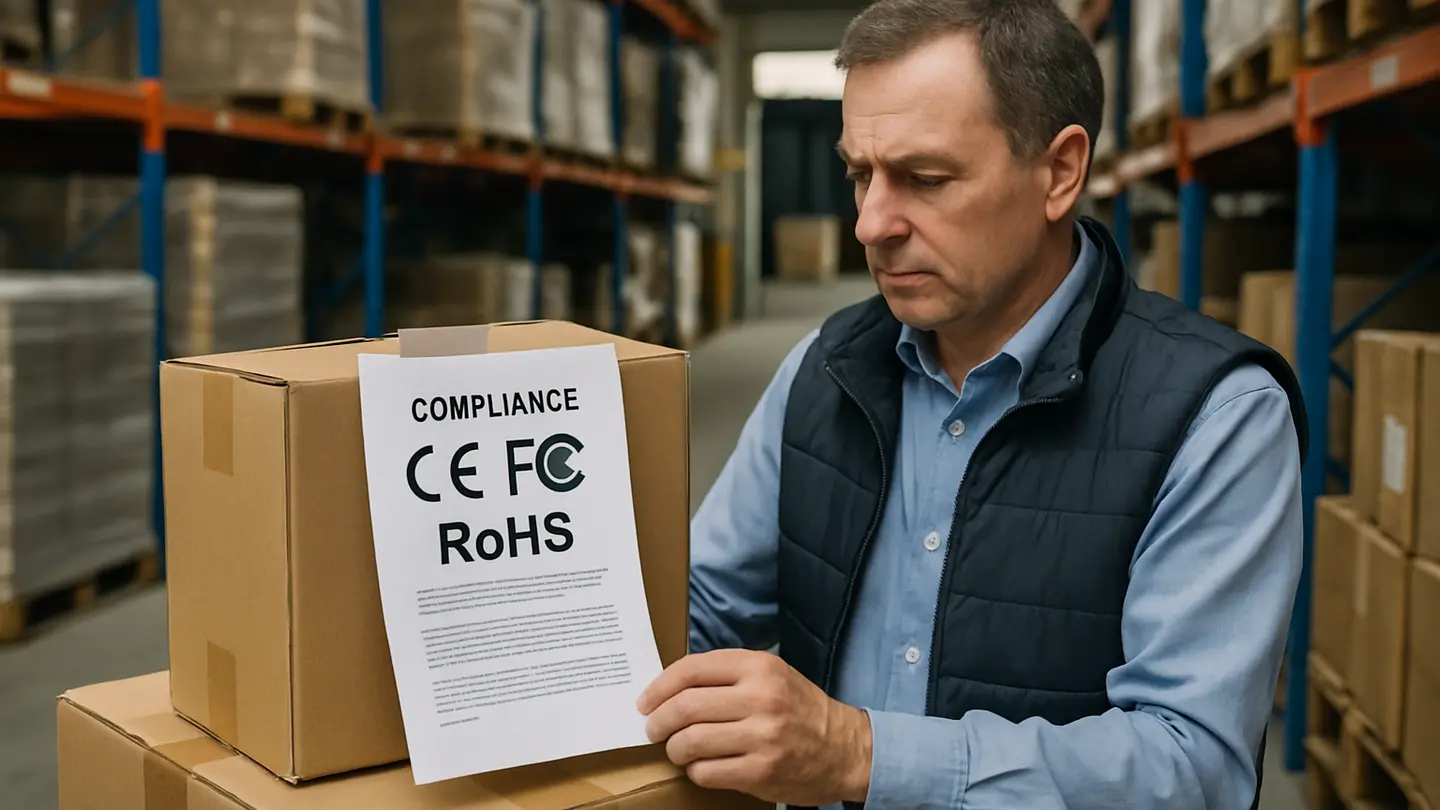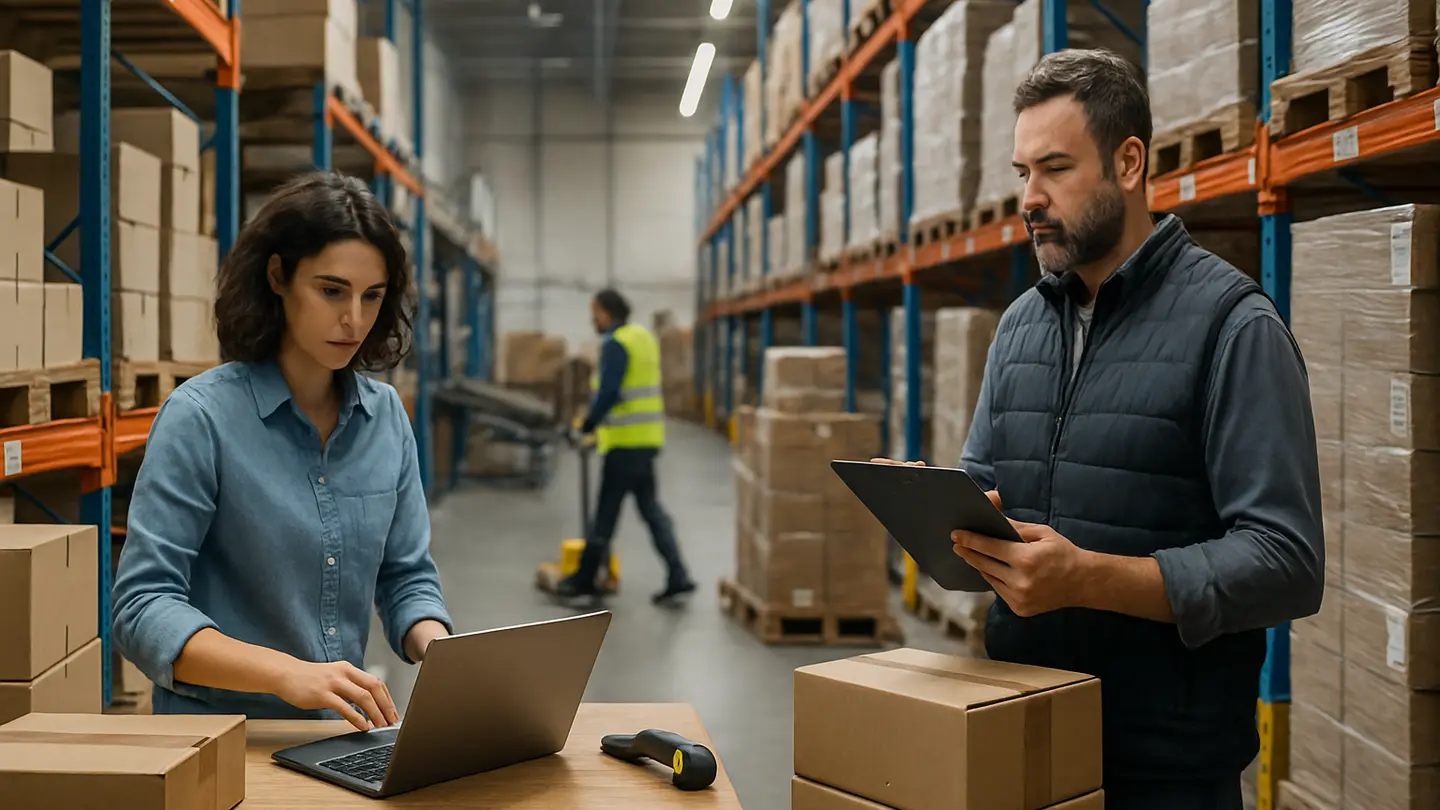
For B2B companies planning inventory, imports, and customer delivery, the phrase fulfillment center vs distribution center often creates confusion. Both facility types store products and support the movement of goods, but they are built around different logistics priorities.
A fulfillment center is usually designed to process customer orders quickly and accurately. A distribution center is typically designed to move inventory through supply chain channels, often in larger volumes and with broader allocation needs. The two can overlap, especially when a third-party logistics provider operates a multi-function site. Still, choosing the wrong model can lead to higher handling costs, slower delivery, excess stock, or poor channel service.
This distinction matters for companies sourcing products from China or other manufacturing hubs. A business importing showerheads, bathroom accessories, valves, enclosures, or hardware components may need bulk replenishment, direct shipment to retailers, e-commerce parcel fulfillment, or a combination of all three. The right model depends on order profile, shipment frequency, customer type, delivery expectations, and inventory strategy.
What a Fulfillment Center Does
A fulfillment center is a logistics facility that stores goods and turns incoming orders into outbound shipments. Its main function is order execution: receiving inventory, picking the correct items, packing them properly, arranging shipment, and confirming accuracy before dispatch.
Fulfillment centers are common in e-commerce and direct-to-customer operations, but they also serve B2B sellers that ship spare parts, samples, installation kits, replacement cartridges, shower accessories, or small mixed orders when customers expect fast, trackable shipment.
Typical fulfillment center activities include:
- Receiving goods from factories, import containers, domestic suppliers, or upstream warehouses.
- Inspecting inbound cartons or pallets against purchase orders and packing lists.
- Storing inventory in bins, racks, shelves, or pallet positions.
- Updating inventory systems so stock levels are visible to sales channels.
- Picking individual items or order lines.
- Packing goods in cartons, mailers, branded packaging, or protective export packaging.
- Printing labels, booking parcel or freight services, and handing shipments to carriers.
- Checking order accuracy through barcode scanning, weight checks, or manual quality control.
- Processing returns, exchanges, or restocking when required.
Large enterprises may operate their own fulfillment networks when they have high order volumes, proprietary systems, or strict service requirements. A multinational bathroom products brand, for example, may use owned or contracted fulfillment nodes near major markets to support fast delivery and after-sales service.
Small and midsize businesses often outsource fulfillment to third-party logistics providers, commonly called 3PLs. This can reduce the need to lease warehouse space, hire labor, buy packing equipment, integrate carrier systems, or manage daily shipping operations. It can also help companies test new markets before committing to a larger footprint.
The terms “fulfillment warehouse” and “order fulfillment center” are often used interchangeably with fulfillment center. The wording may vary, but the core idea is the same: the facility is organized around processing orders and shipping them to the intended recipient, often at the individual order level.
The advantages are strongest when a company has many small orders, frequent order changes, multiple SKUs, and customers who expect quick dispatch. Its limitations appear when goods need to move mainly by pallet, container, or truckload to downstream business locations. In that case, a distribution center may be more suitable.
What a Distribution Center Does
A distribution center is a facility used to store, sort, allocate, and move products through supply chain channels. While it may also ship orders, its role is broader than order-by-order fulfillment. It helps companies position inventory where it is needed, allocate stock to sales channels, and maintain product availability across regions, branches, stores, dealers, or wholesale customers.
In a manufacturing or sourcing context, a distribution center may sit between production and the final selling channel. Imported products may arrive by ocean container, be unloaded and checked, and then be divided into outbound shipments for retailers, wholesalers, regional warehouses, installation contractors, project distributors, or online platforms.
Distribution centers can also function as transit points between transportation modes. Goods may arrive by container at a port, move by truck or rail to a distribution center, and then be redistributed by less-than-truckload freight, full truckload, parcel, or regional carriers. This makes the facility an important control point for inventory and transportation planning.
Common distribution center functions include:
- Receiving bulk shipments from factories, ports, or suppliers.
- Breaking down containers or full truckloads into smaller outbound shipments.
- Consolidating goods from multiple suppliers into one shipment.
- Allocating inventory to different sales channels or regions.
- Holding safety stock for seasonal demand or replenishment cycles.
- Cross-docking goods that move quickly from inbound receiving to outbound shipping.
- Preparing pallets, cartons, or mixed loads for business customers.
- Supporting retailer compliance requirements, labeling, pallet configuration, or routing rules.
- Managing inventory visibility across multiple locations.
The main goals are inventory control, efficient product flow, and timely replenishment. A distribution center helps answer practical questions: Which region needs stock? Which customer orders should receive allocation first? Should goods be held, transferred, consolidated, or shipped immediately? How can transportation costs be reduced without delaying supply?
Companies may operate distribution centers internally or outsource them to 3PL providers. Internal operation gives more control over inventory policies, labor standards, systems, and customer service rules. Outsourcing may offer faster setup, established logistics infrastructure, and more flexibility when volumes fluctuate.
For B2B buyers sourcing from China, a distribution center can be especially useful after customs clearance. Instead of shipping many small orders directly from overseas suppliers, an importer may bring goods into a domestic or regional distribution center, then replenish customers or sales channels according to demand.
How Distribution Centers Differ from Warehouses
The words “distribution center” and “warehouse” are often used loosely, and terminology varies by industry, company, and region. Some companies call every storage facility a warehouse. Others reserve “distribution center” for sites with faster throughput, more outbound activity, and stronger transportation integration. Because of this variation, it is better to compare functions rather than rely only on the label.
A traditional warehouse mainly supports storage, preservation, and longer-cycle inventory holding. It is designed to keep goods safe, organized, and available until needed. Warehouses may store raw materials, finished goods, spare parts, packaging, or seasonal inventory. The pace of movement may be slow or moderate.
A distribution center usually supports faster product movement and broader channel distribution. Goods may not sit for long periods. Instead, the facility is designed to receive, sort, allocate, and ship products efficiently. Turnover cycles are often shorter, and the site may be closely connected to transportation schedules, delivery windows, and replenishment plans.
For example, a warehouse might hold several months of shower enclosure hardware, replacement seals, or slow-moving product lines. A distribution center might receive inbound containers of fast-moving shower systems and redistribute them weekly to regional dealers, home improvement retailers, or project sites.
Distribution centers may also be larger or more complex than standard warehouses, especially when they serve several regions, product categories, or customer channels. They may include advanced warehouse management systems, dock scheduling, conveyor equipment, pallet flow racking, cross-dock lanes, carrier staging areas, and value-added service stations.
That said, the distinction is not universal. A facility called a warehouse may perform distribution functions, while a facility called a distribution center may include long-term storage. When evaluating a logistics partner, B2B companies should ask what the facility actually does: how fast inventory turns, what shipment types it handles, what systems it uses, and whether it is optimized for storage, distribution, fulfillment, or a mix.
Key Differences Between Fulfillment Centers and Distribution Centers
The best logistics model is not determined by the facility name. It depends on how goods move through your business. A company that ships individual replacement parts to installers has different requirements from a company that replenishes pallets of shower trays to retailers. A brand selling online directly to consumers has different needs from an importer supplying regional wholesalers.
The table below summarizes the main differences.
| Comparison point | Fulfillment center | Distribution center |
|---|---|---|
| Main purpose | Process and ship customer orders | Store, allocate, and move inventory through channels |
| Typical order profile | Individual orders, small cartons, parcels, mixed SKUs | Pallets, cartons, bulk replenishment, store or branch shipments |
| Primary customers served | End customers, e-commerce buyers, small B2B accounts, installers | Retailers, wholesalers, distributors, branches, platforms, regional markets |
| Operating priority | Speed, accuracy, order visibility, delivery execution | Inventory control, channel allocation, transportation efficiency |
| Inventory movement | Frequent picking at item or order level | Higher-volume movement by pallet, carton, or route |
| Shipping pattern | Parcel, courier, small freight, direct delivery | Truckload, less-than-truckload, container drayage, regional distribution |
| Best fit | E-commerce, DTC, spare parts, sample programs, small order shipping | Manufacturing, importing, wholesale, retail replenishment, regional stock positioning |
| Common limitation | Less efficient for pure bulk freight movement | Less efficient for high-volume individual order picking |
In reality, many logistics networks use both. A company may import goods into a distribution center, then transfer part of the stock to a fulfillment center for e-commerce orders. Another company may use one 3PL site that combines both functions, with pallet storage on one side and order fulfillment on the other.
The decision should be based on several questions:
- Are you shipping mostly individual orders or bulk replenishment?
- Do customers expect same-day or next-day dispatch?
- How many SKUs must be picked per order?
- Are orders shipped to homes, job sites, retailers, wholesalers, or regional branches?
- Do you need returns handling, kitting, labeling, or channel-specific packaging?
- How much inventory must be held, and how quickly does it turn?
- Are transportation costs driven more by parcel rates or freight consolidation?
- Do you need one central location or multiple regional nodes?
These questions are especially important when sourcing from overseas suppliers. Lower product cost can be weakened by inefficient downstream logistics. Importing shower products in bulk may be cost-effective, but if inventory then needs to be split into thousands of online orders, the business must plan for fulfillment capability. Conversely, if the business mainly replenishes B2B accounts by pallet, an operation designed around parcel fulfillment may add unnecessary cost.
Different Operational Focus
Fulfillment centers and distribution centers can overlap, and some facilities combine both functions. A 3PL may receive imported products, hold palletized inventory, ship wholesale replenishment orders, and pick individual e-commerce orders from the same building. The distinction lies in the primary operating focus.
A fulfillment center is order-execution focused. It is designed to process orders quickly after they are placed. The operation depends on accurate stock records, efficient picking paths, packing stations, carrier integrations, and shipment tracking. Labor planning is often tied to daily order volume, cut-off times, promotional peaks, and returns activity.
For example, a bathroom accessories brand selling replacement shower hoses, handheld showerheads, brackets, and cartridges online may need fast parcel dispatch. The fulfillment center must pick the correct SKU, protect it against transit damage, include required documentation, update tracking, and handle returns or exchanges. The value comes from accuracy, speed, and customer-facing delivery performance.
A distribution center has a broader supply chain focus. It is designed to manage inventory availability and move products efficiently through channels. The operation may emphasize inbound planning, pallet storage, stock allocation, dock scheduling, load building, cross-docking, and outbound freight coordination. Labor planning may be tied to container arrivals, retailer routing dates, replenishment cycles, or seasonal demand.
A distribution center may serve wholesalers, retailers, online platforms, regional branches, contractors, project distributors, and sometimes end customers. Its job is not only to ship products but also to ensure that the right stock is positioned for the right channel at the right time.
For a manufacturer or importer, this role can be critical. If a company sources multiple shower product lines from different factories, the distribution center may consolidate them into channel-ready shipments. One outbound load might contain shower valves, trim kits, drains, and accessories destined for the same retailer or regional distributor. This coordination is more aligned with distribution than classic fulfillment.
The operational difference also affects technology. Fulfillment centers often require strong integration with shopping carts, marketplaces, order management systems, parcel carriers, and returns portals. Distribution centers often require robust warehouse management, inventory allocation, transportation management, EDI connections with retailers, and reporting by region, channel, or customer account.
Neither model is inherently superior. A fulfillment center may outperform a distribution center for parcel-level customer orders. A distribution center may outperform a fulfillment center for bulk replenishment, freight consolidation, and channel allocation. The right choice depends on the flow of goods.
Different Business Types and Use Cases
Fulfillment centers are generally a practical fit for businesses that ship many individual orders. This includes e-commerce sellers, direct-to-consumer brands, marketplace vendors, spare parts suppliers, and B2B companies with small-order programs. These businesses need packing, shipping, tracking, inventory updates, and often returns handling.
A fulfillment center can support use cases such as:
- Shipping individual shower accessories to online customers.
- Sending replacement parts to installers or service teams.
- Managing sample kits for distributors, architects, or hospitality buyers.
- Handling mixed-SKU orders from small trade accounts.
- Supporting seasonal online promotions.
- Processing returns and restocking resaleable items.
The key advantage is order-level execution. When each order may contain different SKUs, shipping addresses, service levels, and packaging requirements, a fulfillment center is built to manage that complexity.
Distribution centers are usually a better fit for manufacturers, wholesalers, retailers, importers, and companies moving goods by pallet, carton, or scheduled replenishment. These businesses need bulk storage, inventory allocation, channel distribution, and transportation efficiency.
A distribution center can support use cases such as:
- Receiving full containers of shower products from overseas factories.
- Replenishing regional wholesalers with palletized inventory.
- Supplying retail chains according to routing guides and delivery windows.
- Consolidating multiple product categories into fewer outbound loads.
- Holding safety stock for project-based construction demand.
- Allocating inventory between online platforms, dealers, and branch warehouses.
- Cross-docking fast-moving products to reduce storage time.
The key advantage is channel movement. When goods must be allocated across customers, regions, stores, or sales channels, a distribution center provides the structure to manage bulk flow and availability.
Some businesses need a hybrid setup. A shower products importer may bring containers into a distribution center, allocate pallet quantities to wholesale customers, and transfer smaller quantities to a fulfillment area for online replacement-part orders. A growing brand may start with outsourced fulfillment, then add distribution capacity as retail and wholesale channels expand. A manufacturer may operate a central distribution center and outsource parcel fulfillment near major end markets.
A simple decision rule can help:
Choose a fulfillment center if your main challenge is processing individual orders quickly and accurately.
Choose a distribution center if your main challenge is moving bulk inventory through sales channels efficiently.
Choose a hybrid model if you need both order-level execution and bulk channel distribution.
Before committing to a facility or 3PL partner, B2B buyers should map their actual order flows. List shipment types, order volumes, SKU counts, packaging needs, customer destinations, return rates, and expected service levels. Then compare those requirements against the facility’s capabilities, not just its name. The right logistics model should support the way your business sells, sources, and delivers—not force your business into a process designed for a different supply chain.