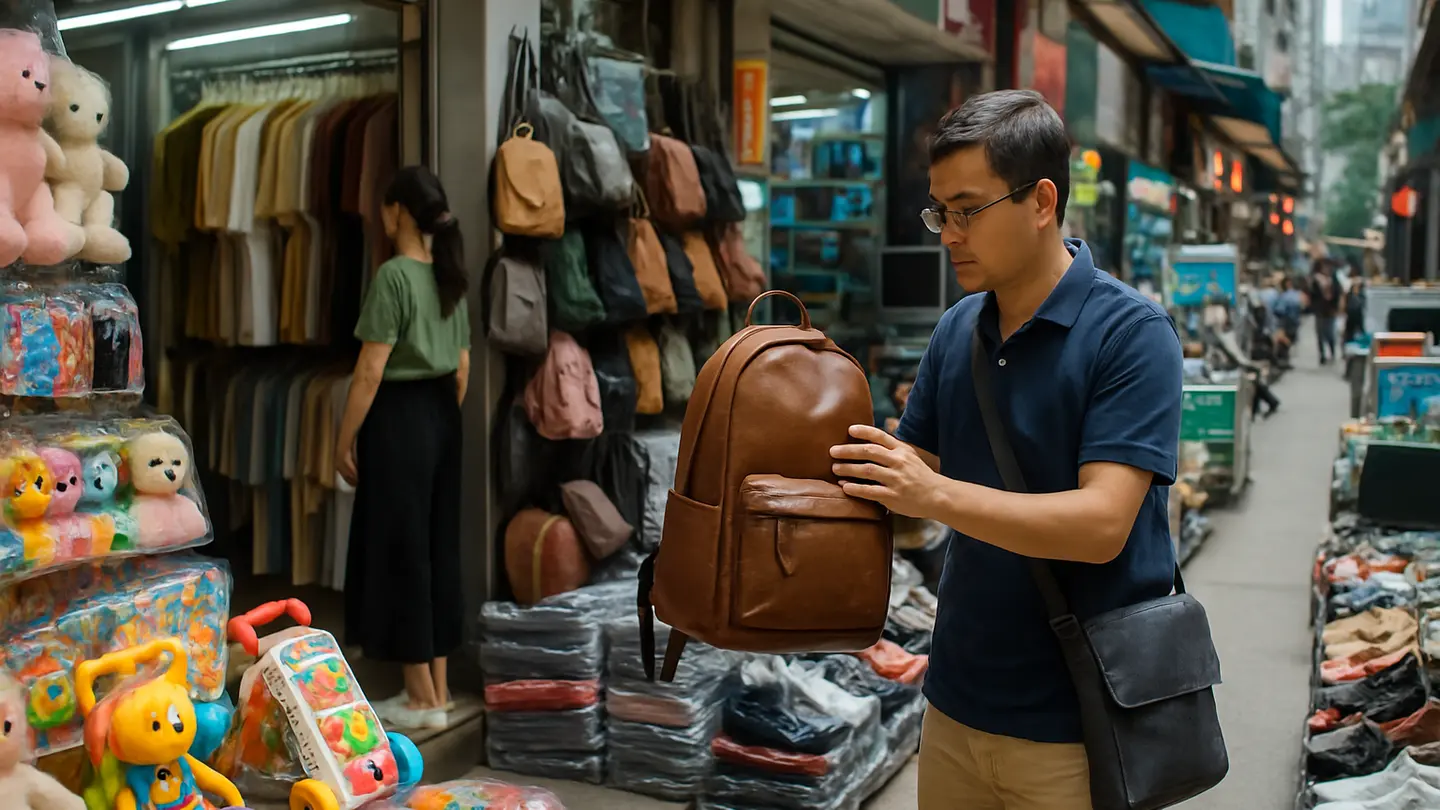
Guangzhou is one of China’s most useful cities for B2B buyers who want to compare products in person before ordering. Instead of one “Guangzhou wholesale market,” the city has many specialized markets across districts, categories, price levels, and buyer types.
This guide maps the major Guangzhou wholesale markets by district and category, with notes on what each area is best for, what to verify, and when a nearby city may be a better sourcing stop.
How Guangzhou’s Wholesale Markets Are Distributed by District
Guangzhou’s market geography is category-driven. Planning by district can save hours per day because some clusters are far apart.
| District or Area | Common Sourcing Categories | Buyer Notes |
|---|---|---|
| Yuexiu | Clothing, leather goods, watches, electronics | Includes the Railway Station and Zhanxi Road clusters; useful for apparel and accessories buyers |
| Liwan | Jewelry, toys, tea, flowers, traditional medicine, shoes | Strong for Yide Road toys, Fangcun tea, Hualin jewelry, and Zhanxi footwear |
| Haizhu | Fabrics and textiles | Zhongda is the main textile cluster for apparel materials and accessories |
| Baiyun | Beauty products, leather goods, apparel stock lots, fashion shoes | Important for cosmetics factories and some lower-cost or trend-driven product categories |
| Huadu | Leather goods, auto parts | Relevant for bag sourcing and the newer Xinchentian auto parts area |
| Nearby cities | Furniture, lighting, selected manufacturing bases | Foshan and Zhongshan are often added to Guangzhou sourcing itineraries |
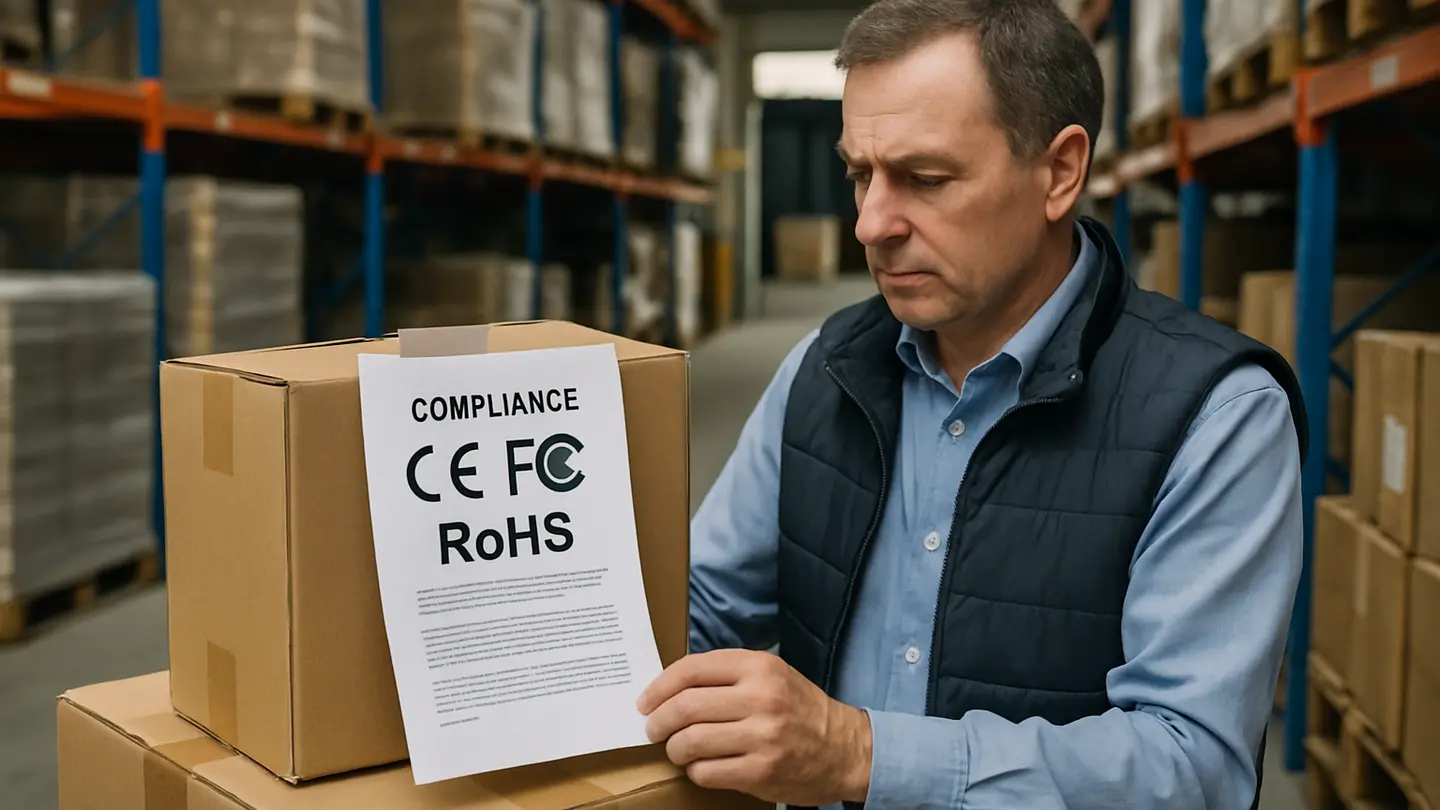
Do not try to visit “all the markets” in two or three days. Define your target category, product grade, order quantity, and compliance requirements first, then build a route around the most relevant clusters.
Clothing Markets in Guangzhou
Guangzhou is a major apparel sourcing hub, especially for fast fashion, women’s wear, export garments, and stock-based wholesale.
Thirteen Hong Market is closely associated with fast-fashion womenswear. Buyers use it for quick-moving styles, trend-led collections, and smaller wholesale selections. It is also useful for checking current silhouettes, fabrics, colors, and retail-ready designs.
Shahe Market is known as a lower-price apparel wholesale area. It suits price-sensitive buyers looking for basic or mass-market products. The trade-off is that quality consistency, labeling, fabric composition, and packaging need closer inspection.
The Railway Station area is another major clothing cluster. Baima is one of the best-known garment markets there and is often associated with higher-grade wholesale apparel than the most price-driven markets. Nearby markets and showrooms may suit buyers who need broader style comparison, supplier introductions, and OEM or ODM conversations.
For apparel sourcing, bring size charts, fabric requirements, labeling rules, and target prices. Many market samples are for visual selection, not necessarily compliant export production.
Fabric and Textile Markets
For fabric buyers, the Zhongda Fabric Market area in Haizhu District is the core Guangzhou destination. The cluster includes Guangzhou International Textile City and a surrounding network of fabric, trim, and accessory vendors.
Zhongda lets buyers compare woven fabrics, knits, lace, denim, lining, elastic, buttons, zippers, labels, ribbons, interlining, and other components in one area. This makes it useful for apparel brands, trading companies, sample rooms, and factories developing new styles.
Guangzhou International Textile City is one of the most recognized venues within Zhongda. It is a concentrated starting point before exploring surrounding streets and buildings. The wider area can take a full day or more if you are comparing similar materials across vendors.
There are also fabric or clearance textile options in Yuexiu and Shijing. These may suit buyers seeking stock fabrics, lower-cost materials, or special lots. However, for systematic fabric development and stable supply, Zhongda is usually the first stop.
Always ask whether a fabric is current stock, repeatable stock, or a one-time clearance lot. This is critical for production planning.
Bags and Leather Goods Markets
Guangzhou is important for sourcing leather handbags, fashion bags, wallets, belts, and related leather goods. Buyers often focus on Huadu and Sanyuanli.
Sanyuanli is convenient because it is closer to central Guangzhou and has a long history in leather goods trading. It is useful for comparing handbag styles, materials, hardware, and market price levels.
Huadu also matters for bag sourcing and has stronger links to production resources. If your goal is customized production rather than buying available styles, Huadu may be worth adding.
Guangzhou is not always best for simple promotional bags, canvas totes, non-woven bags, drawstring bags, or cosmetic pouches. Other manufacturing hubs may be better depending on material, order quantity, and printing requirements.
For leather goods, verify material claims. Confirm whether a product is genuine leather, split leather, microfiber, PU, PVC, or mixed material. Export labeling rules can be strict.
Shoe Wholesale Markets
Guangzhou’s export-oriented shoe markets are mainly clustered in Liwan and Baiyun. They cover fashion shoes, sandals, casual shoes, children’s footwear, and other categories.
Zhanxi Road in Liwan is a well-known footwear wholesale area. Guangzhou International Footwear Plaza is one representative market in this cluster. Buyers can compare suppliers and assess styles, soles, materials, packaging, and finishing in a compact area.
Baiyun also has shoe sourcing options, including Guoda Shoes Mall, which is associated with fashion and trend-driven footwear.
Be careful with some Baiyun shoe vendors. Some may carry products connected to Putian supply chains, including items that raise intellectual property or brand-compliance concerns. If you sell through formal retail, online marketplaces, or regulated import channels, verify origin, brand status, labeling, and documentation. Avoid products that imitate protected designs or trademarks.
For footwear, check sole bonding, odor, size consistency, flex performance, packaging, and carton durability before larger orders.
Watch Wholesale Markets
Zhanxi Road near Guangzhou Railway Station is also known for watch wholesale. The area contains several dedicated watch market buildings, making it convenient for buyers sourcing fashion watches, watch parts, packaging, and related accessories.
Nanfang International Watch Center is one major example. Buyers may also come across Wangjiao International Watch City and Zhanxi Watch City in the same cluster. The advantage is concentration: many vendors can be compared quickly.
Define your position before negotiating. Are you sourcing low-cost fashion watches, private-label watches, gift sets, spare parts, or higher-spec timepieces? Movement type, water resistance claims, battery quality, plating durability, strap material, and warranty handling should be discussed early.
Brand compliance is important. Avoid counterfeit or confusingly similar branded products. For export markets, intellectual property risk can outweigh any short-term price advantage.
Jewelry Wholesale Markets
Guangzhou has several jewelry sourcing areas, and the right market depends on material and product level.
Xijiao and Taikang are commonly used for affordable to mid-range fashion jewelry. Buyers can find earrings, necklaces, bracelets, rings, hair accessories, and other trend-driven items. These areas suit boutiques, online sellers, gift importers, and distributors needing broad style selection.
Liwan Plaza is associated with crystals, pearls, and silver jewelry. It may be more relevant for buyers seeking semi-precious materials, components, or higher perceived value than basic fashion jewelry.
Hualin International Jewelry Market is known for jade and natural gemstones. Buyers should understand grading, treatment, origin claims, and certification practices before purchasing. If you are inexperienced in jade or gemstone buying, consider a specialist inspector or trusted local adviser.
Panyu is more of a jewelry manufacturing and processing base than a retail-like wholesale market. Buyers with custom jewelry requirements may find Panyu more relevant than a display-market visit.
Cosmetics and Beauty Product Markets
Guangzhou is an important Chinese hub for cosmetics manufacturing and beauty products. Buyers source skincare, makeup, personal care, beauty devices, salon equipment, cosmetic packaging, and related items here.
Guangzhou Beauty Exchange Center is a practical place to inspect samples across multiple beauty categories. Buyers can compare product concepts, packaging styles, textures, devices, and salon-use items before visiting factories.
Baiyun District is especially important because many cosmetics, skincare, and personal care factories are located there. Buyers interested in private label or OEM production may use market visits to identify product directions, then arrange factory meetings to discuss formulas, compliance, packaging, MOQ, testing, and export documentation.
Beauty sourcing requires careful regulatory planning. Ingredient restrictions, labeling rules, claims, safety assessments, and registration obligations vary by destination market. A product sold domestically in China may not automatically meet requirements in the EU, United States, ASEAN, Gulf markets, or other regions.
Toy Wholesale Markets
Guangzhou is useful for selected toy categories, especially electronic toys, plastic toys, gift toys, and small novelty items. Yide Road is the major toy wholesale area most buyers hear about first.
Onelink International Plaza is one of the well-known markets in the Yide Road area. It covers toys, gifts, stationery-style items, seasonal goods, and small consumer products. For buyers building mixed containers or testing new retail lines, this area can be efficient.
However, Guangzhou is not best for every toy category. Some toy segments are more strongly associated with other manufacturing bases, especially when buyers need factory-direct production, strict safety testing, or high-volume specialization.
Toy buyers should pay close attention to age grading, small-parts risks, battery safety, EN71, ASTM, CPSIA, or other destination-market requirements. Market samples help with selection, but compliance documents and production controls must be verified before shipment.
Electronics and Digital Product Markets
Guangzhou has electronics markets, but buyers should manage expectations. The city’s electronics market scale is smaller than Shenzhen Huaqiangbei, the better-known destination for electronic components, mobile accessories, and broad electronics sourcing.
In Guangzhou, electronics markets are concentrated around Xidi 2nd Road. This area suits buyers of small electronics, digital products, accessories, and related consumer items. It can be useful if you are already in Guangzhou and want to compare electronics add-ons or accessory lines.
Shengxian Dashatou Market is associated with second-hand digital products. Buyers considering used, refurbished, or secondary-market goods should apply stricter inspection and documentation controls. Product condition, battery health, warranty status, repair history, software locks, and export restrictions can all affect viability.
For serious electronics sourcing, especially technical products, combine Guangzhou with Shenzhen. Guangzhou can support market comparison, while Shenzhen may offer deeper supply chain access.
Auto Parts and Car Accessories Markets
Guangzhou has many markets for auto parts and car accessories, serving domestic distribution and export buyers. Categories may include replacement parts, exterior accessories, interior accessories, lighting, electronics, maintenance items, and tuning-related products.
Yongfu Auto Parts Street is a major auto parts distribution hub and a common starting point. It is useful for comparing product ranges, supplier specialization, and price levels.
Chentian Market has long been associated with used auto parts. However, Chentian-related operations have moved to Huadu Xinchentian Auto Parts City. Buyers interested in used, dismantled, or recycled parts should confirm the current supplier location before traveling.
Auto parts sourcing requires precise specifications. Bring part numbers, vehicle models, production years, engine versions, photos, and technical drawings where possible. For regulated markets, confirm certification, labeling, packaging, and product liability requirements.
Other Guangzhou-Area Markets Buyers Should Know
Not every useful sourcing destination is inside Guangzhou’s core districts. For some categories, nearby cities or specialized clusters are more efficient. Furniture, lighting, and tea are common additions to a Guangzhou-area itinerary.
Furniture Markets Near Guangzhou
Foshan is an important nearby destination for furniture buyers. Lecong Furniture City is one of the best-known furniture market areas in Foshan and is widely visited for home furniture, office furniture, hotel furniture, and commercial interiors.
Because Foshan is relatively close to Guangzhou, many buyers spend several days in Guangzhou for apparel, beauty, accessories, or other categories, then allocate one or two days to Foshan for furniture.
For furniture, consider container loading efficiency, material standards, fire safety requirements, packaging protection, and destination-market testing. Large furniture orders often require factory visits in addition to showroom selection.
Lighting Markets
Guangzhou has lighting suppliers in dedicated lighting markets and building-materials markets. NanTian International Lighting Center is one Guangzhou destination buyers may consider. Anhua Home Building Materials Market also includes lighting vendors alongside other construction and interior products.
These markets can be useful for project buyers, distributors, or retailers comparing decorative lighting, commercial lighting, and related fixtures while staying within Guangzhou.
For larger lighting orders, Guzhen in Zhongshan may be more suitable. Guzhen is widely associated with lighting supply chains, so buyers with high-volume, customized, or technically specific lighting requirements often include it in a broader Guangdong sourcing itinerary.
Lighting buyers should verify voltage, plug type, driver quality, certifications, lumen output, color temperature, warranty terms, and packaging. Test samples before bulk shipment.
Tea Markets
Fangcun in Liwan District is an important Guangzhou tea market area. It contains numerous tea wholesale markets and attracts domestic and international tea buyers. Overseas visitors reportedly include buyers from Southeast Asia, Europe, and North America.
Fangcun is relevant for loose tea, packaged tea, pu’er, oolong, green tea, black tea, tea gifts, teaware, and related packaging. The market is valuable for tasting, comparing grades, and understanding price differences.
Tea sourcing is relationship- and quality-driven. Compare samples carefully, confirm origin and harvest information, and understand how storage affects quality. Packaging, labeling, food safety documentation, and import rules should be reviewed before export.
Getting Around Guangzhou Wholesale Markets
Taxi and metro are the most practical ways to move between Guangzhou wholesale markets. The metro is reliable for reaching major districts and avoiding traffic, while taxis help when carrying samples or traveling to markets not directly beside a station.
Prepare map tools before arrival. Apple Maps can be useful for iPhone users in mainland China. Android users should install and test a China-compatible map app because some international map services may not work smoothly.
For payments, international cards and mobile wallet options may simplify transport and small purchases where supported. Still, carry some cash as backup.
Useful habits for each market day:
- Save market names in Chinese and English.
- Group visits by district.
- Take photos of storefronts, business cards, and sample tags.
- Record prices, MOQ, material specs, and lead times immediately.
- Confirm whether the vendor is a factory, trading company, distributor, or stock seller.
- Ask whether prices are for available goods, repeat orders, or customized production.
Treat Guangzhou market visits as the start of supplier screening, not the end of due diligence.
Another Way to Build and Check a China Supplier Shortlist
Physical market visits are useful for touching samples and reading price levels, but they are not the only way to begin supplier discovery. Made-in-China.com can complement a Guangzhou trip by helping buyers build an initial supplier shortlist online before or after visiting markets.
Its Supplier Discovery function provides ways to find suppliers, including Audited Suppliers and regional supplier channels. For early-stage screening, Audited Suppliers can be useful because they are subject to third-party verification and on-site audit, with Audit Reports available for buyer review. These reports can include company details, export trade, manufacturing capacity, quality control, and R&D capability.
Buyers who want quotations before one-by-one outreach can also use Easy Sourcing. This allows a buyer to submit one sourcing request, receive multiple quotations from matched suppliers, compare quotes, and request samples.
Used alongside market visits, these tools can help buyers compare physical samples, online supplier profiles, and quotation data more efficiently.