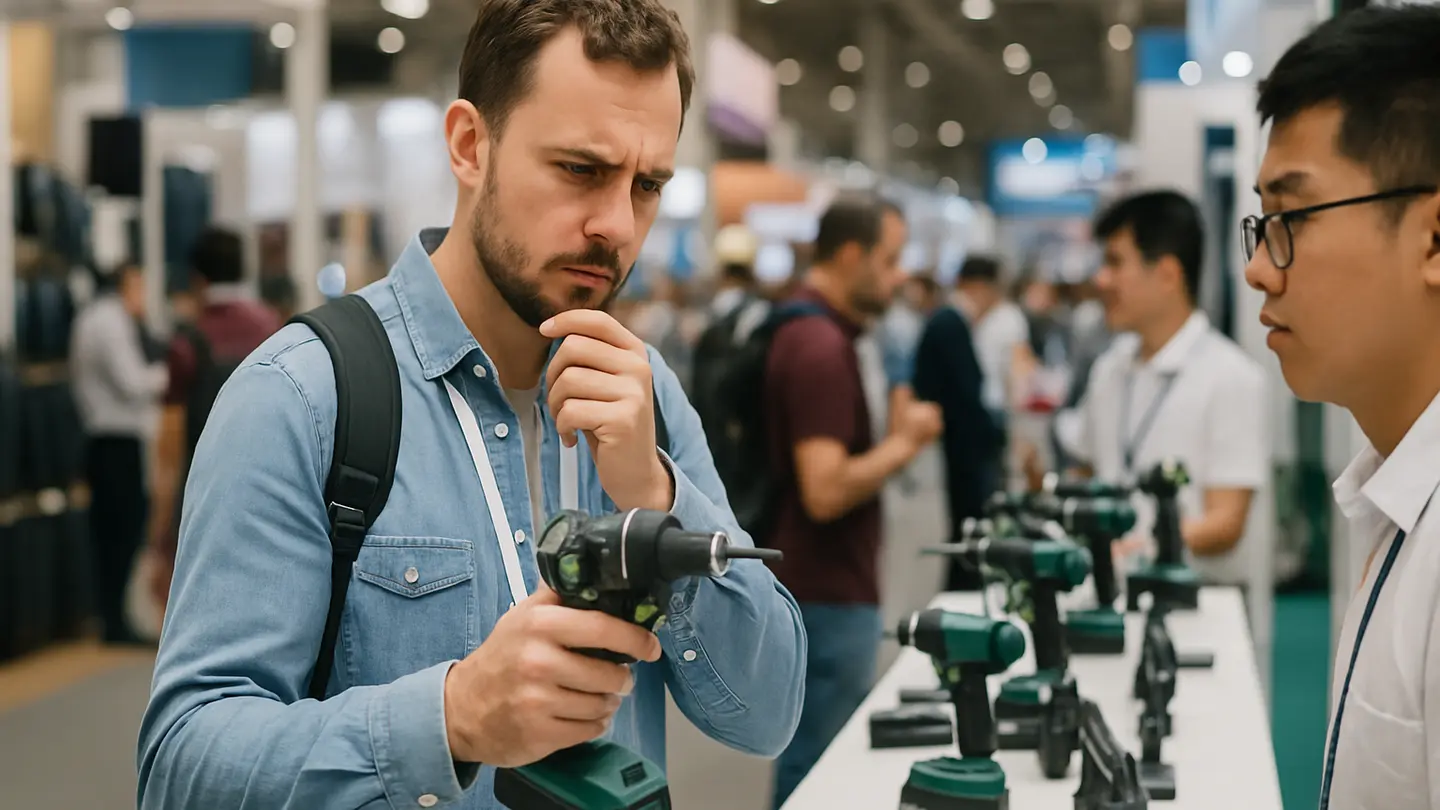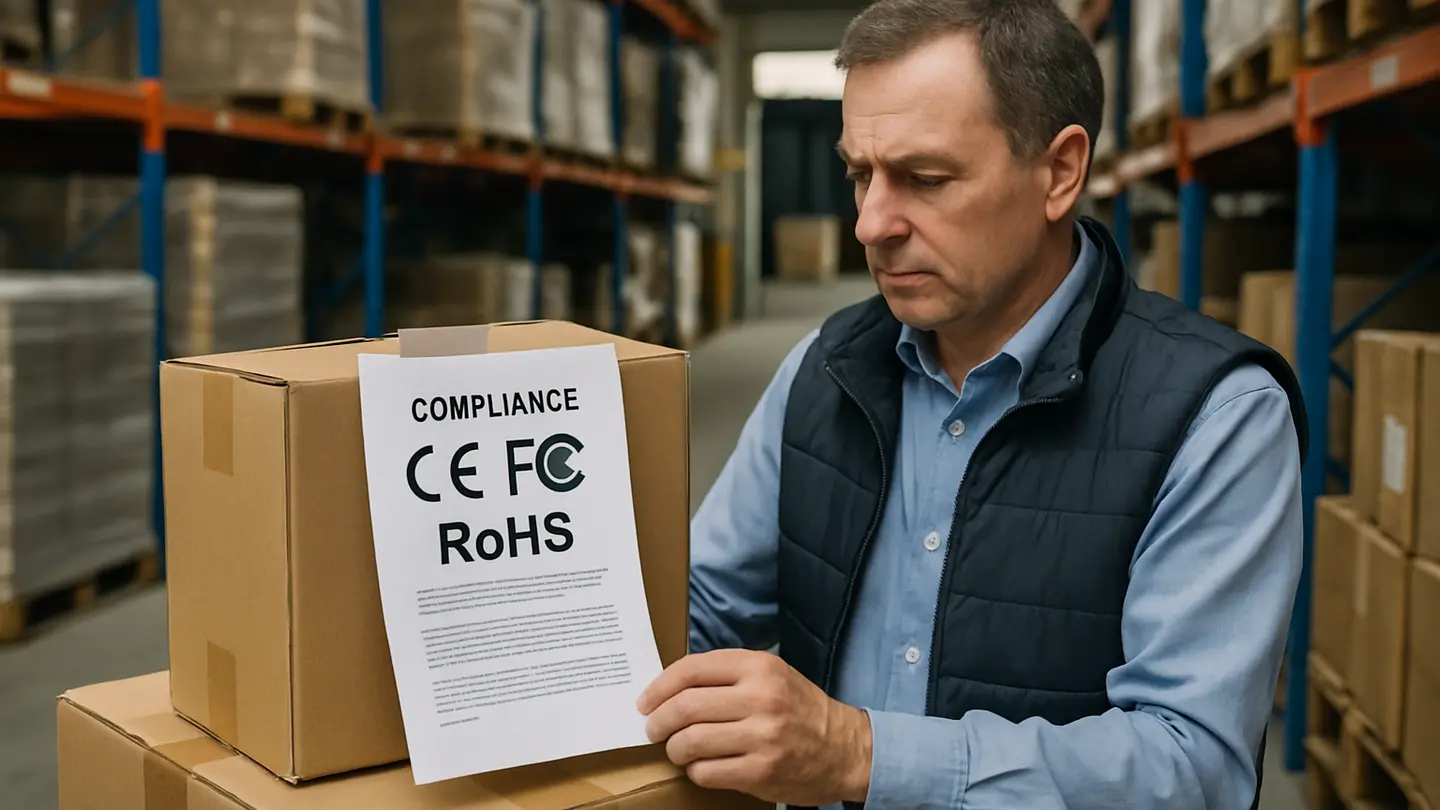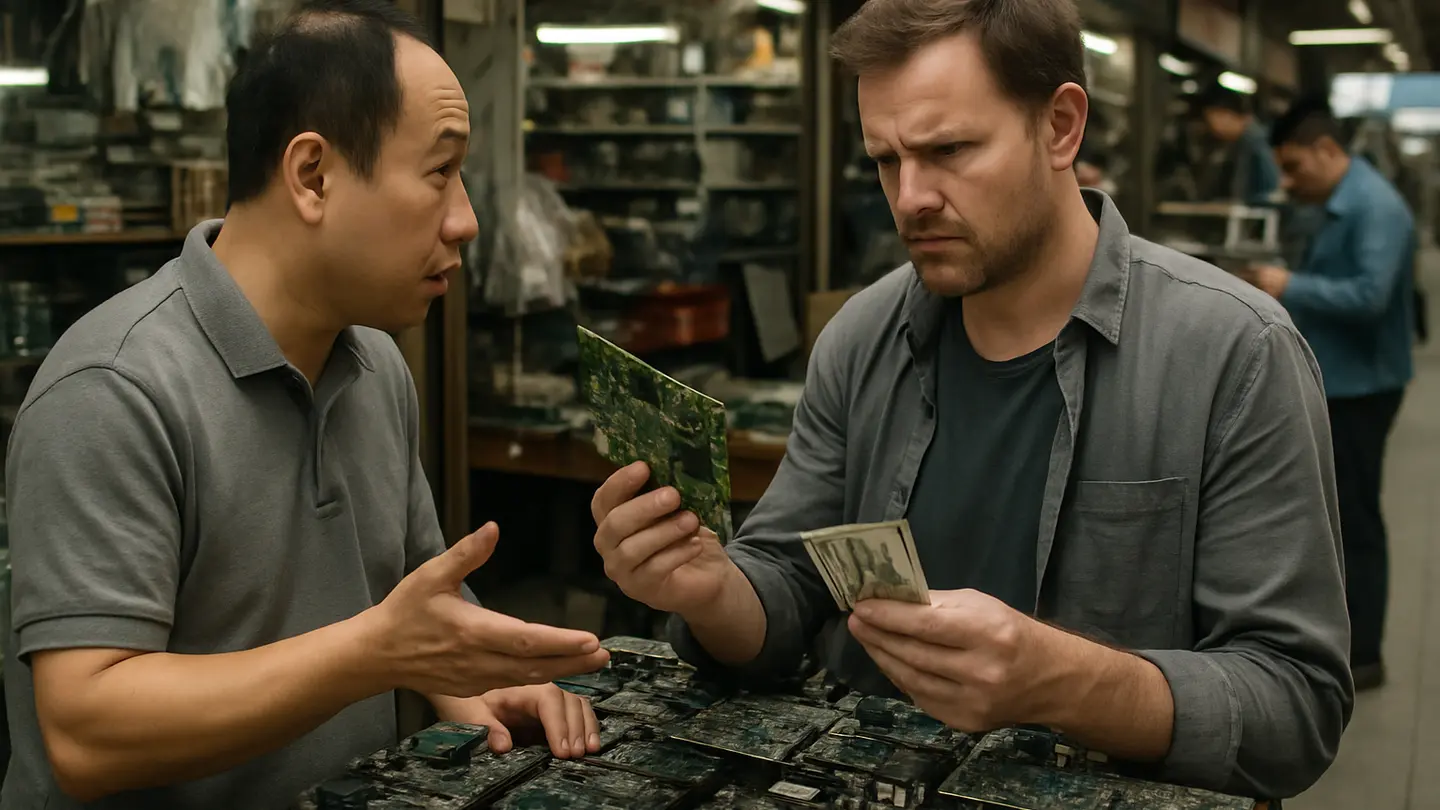
Low prices in Shenzhen’s Huaqiangbei can be real, especially for readily available components, accessories, repair parts, and small trial purchases. But the lowest quote is not always the lowest landed or lifetime cost. For B2B buyers, the key question is whether a product will remain consistent across batches, meet destination-market requirements, and perform after reaching customers.
The principal Huaqiangbei market risks arise when the supply chain behind an item is unclear. Material grades may not be disclosed, the factory may be unknown, a trader may change sources between orders, or components may be counterfeit, refurbished, or relabeled.
The market’s speed and density are valuable, but they require buying controls. Written specifications, approved samples, staged payment terms, batch inspections, and accurate shipping documents help prevent a low initial price from turning into returns, rework, delayed launches, customs issues, or damaged customer relationships.
Why Price Matching Can Reduce Product Quality
Huaqiangbei’s concentrated seller base makes price comparison easy. A buyer can visit multiple stalls and receive offers for products that look nearly identical. However, identical appearance does not mean an identical bill of materials, manufacturing process, component origin, or quality-control standard.
When a supplier matches a lower competitor price, the savings must come from somewhere. Sometimes this reflects better purchasing power or lower overhead. In other cases, the lower quote relies on changes not visible in a display sample:
- a lower-grade integrated circuit or connector;
- thinner housing material or reduced shielding;
- a different battery cell;
- less assembly or functional testing;
- downgraded packaging;
- substitution of a specified component.
A sample can be acceptable while the production order is made differently. Buyers should distinguish between a sales sample and an approved production standard.
For meaningful orders, document the approved sample with photographs, part numbers, dimensions, labels, relevant firmware versions, and test requirements. The supplier should confirm in writing that production units will match that reference. Before final payment, inspect units from the actual production batch—not just another seller-provided sample.
Price matching is not inherently a warning sign. Risk rises when the supplier cannot explain the price, refuses to document the specification, or discourages production-goods inspection.
How Hidden Cost Reductions Appear in Real Orders
Quality reductions are often subtle because obvious defects are easy to reject. A product may turn on, charge, connect, or fit correctly during a quick market check, yet fail after weeks or months of use.
For electronics, hidden reductions can include thinner copper traces, lower-capacity cells, unverified chargers, reduced heat dissipation, recycled connectors, or components from an unknown lot. In housings and accessories, the change may involve weaker plastics, inconsistent plating, or a less durable coating.
| Hidden change | What a buyer may see initially | What may happen later |
|---|---|---|
| Lower-grade battery cell | Device powers on and charges | Reduced cycle life, swelling, overheating, or inconsistent runtime |
| Refurbished chip or memory | Basic function appears normal | Intermittent failures, shorter operating life, unstable performance |
| Thinner plastic housing | Appearance matches the sample | Cracking, warping, poor screw retention, or heat-related deformation |
| Reduced testing time | Unit passes a quick check | Higher field-failure rate and uneven batch performance |
| Lower-grade pigment or coating | Color appears acceptable | Fading, peeling, staining, or surface deterioration |
Once goods are shipped, repacked, distributed, and sold, it can be difficult to prove that complaints resulted from a sourcing change made months earlier. The buyer may be left managing replacements without a practical recovery route.
Establish a change-control rule: no material, component, factory, packaging, or process substitution without written approval. This is especially important for repeat orders, which should not be assumed identical to the first order.
Why Supplier Accountability May End at the Market Stall
Buying through a trader or market stall is not automatically unsafe. Traders can be efficient partners when they consolidate products from several factories, handle small quantities, offer local inventory, or identify alternatives quickly.
The problem begins when the trader’s role is unclear. If the buyer does not know who manufactures the goods, controls production, and handles defects, accountability may end at the market counter.
Before placing a significant order, establish:
- The legal seller — the company named on the quotation, invoice, and payment instructions.
- The production source — the factory or factories making the order.
- The inspection point — where goods can be checked before shipment.
- The responsible party — who handles rejected units, shortages, specification failures, or late delivery.
- The remedy — replacement, rework, credit, refund, or another agreed response.
A supplier may protect its factory relationship, but the buyer still needs enough transparency to control risk. The seller should confirm whether production is owned, contracted, or purchased from stock; whether the same factory will be used for repeat orders; and whether inspection at the production site is possible.
For larger or repeat-volume programs, audit the site where goods are produced—not only the market office or showroom. Verify that the site exists, has relevant capability, uses basic quality controls, and can support the proposed volume.
Verifying Counterfeit, Refurbished, and Relabeled Components
Counterfeit, refurbished, and relabeled parts are major Huaqiangbei market risks for electronics buyers. A component may pass a basic functional test while remaining unsuitable for a commercial product. This matters particularly for chips, memory, displays, sensors, batteries, charging products, and other safety- or performance-critical parts.
A quick test can confirm limited function. It cannot reliably confirm provenance, remaining service life, authorized distribution status, or compliance with the claimed specification.
Practical checks include:
- comparing manufacturer markings with official datasheets;
- reviewing lot, batch, and date codes for consistency;
- checking label formats, fonts, pin finishes, and packaging against genuine references;
- confirming part numbers match the stated specification;
- requesting original packaging details and traceability records where available;
- comparing incoming stock against an approved reference unit;
- screening suspect batches through independent testing or laboratory analysis.
Very low prices do not prove a product is counterfeit, but they should trigger more questions. A legitimate surplus lot may be discounted; equally, a low quote may reflect reclaimed, remarked, or cloned parts.
Testing has limits. Laboratory screening may identify physical or electrical anomalies but may not prove a component’s complete supply history. Combine technical checks with approved vendors, batch records, incoming inspection, and a quarantine process for suspect goods.
For regulated or safety-sensitive products, do not rely on verbal assurances that a part is “original,” “export quality,” or “the same as branded.” Verify evidence for the specific part and batch.
Why Small-Order Suppliers May Not Scale Reliably
A successful small order is useful evidence, but it does not prove that a supplier can manage volume production. A seller may fulfill a trial order from ready stock, a preferred factory, or a carefully selected batch. Once order quantity rises, the supply arrangement may change.
Common scaling risks include:
- subcontracting to an unapproved factory;
- splitting production across multiple workshops;
- using alternate materials because the original source lacks capacity;
- switching component suppliers to meet delivery dates;
- reducing inspection intensity as shipment volume grows;
- relying on stock that cannot be replenished consistently.
The buyer may believe they are ordering from the same supplier while the actual manufacturing source has changed. This can invalidate the original sample approval and quality assessment.
Before moving from a test purchase to a larger program, ask about capacity, lead time, production location, minimum order requirements, and contingency arrangements. Require confirmation that the factory and bill of materials will remain unchanged unless the buyer approves a variation.
For volume orders:
- conduct a factory audit or production-site visit;
- require a pre-production sample;
- approve a production schedule;
- arrange during-production inspection where justified;
- perform a final random inspection before balance payment;
- retain batch records and reference samples.
The goal is not to eliminate every supplier change, but to make changes visible, documented, and subject to approval.
Documents and Terms That Protect International Buyers
International purchasing involves responsibilities that are often confused. A seller may arrange export through a trading company or agent without being the manufacturer. That can work, but buyers should understand who is responsible for each part of the transaction.
Distinguish between:
- export responsibility: who is named as exporter and manages export clearance;
- commercial documentation: who issues the commercial invoice and packing list;
- shipping responsibility: who books freight and bears risk under the agreed Incoterm;
- product compliance: who provides product-specific reports, declarations, labeling information, or other destination-market documentation;
- quality responsibility: who pays for or remedies failed goods.
Commercial invoices and packing lists should accurately describe goods, quantities, values, carton counts, weights, and applicable classifications. Inaccurate documentation can create customs delays, valuation disputes, or compliance exposure.
Do not assume a certification document is valid simply because it has been shared. Requirements depend on the product and destination market. A document may apply to another model, factory, voltage range, component configuration, or market.
A purchase order or sales contract should define:
- product model and revision;
- detailed specification and approved sample reference;
- quantity and permitted tolerance;
- unit price, currency, and Incoterm;
- packaging and marking requirements;
- production and delivery timeline;
- inspection method and acceptance criteria;
- payment stages;
- restrictions on substitutions and subcontracting;
- remedies for defects, shortages, or late delivery.
Clear terms do not guarantee performance, but they support inspection decisions and commercial follow-up.
When Huaqiangbei Still Makes Sense for Sourcing
Huaqiangbei remains useful for rapid product discovery, market intelligence, component comparison, repair parts, samples, and small test purchases. Its concentration of sellers helps buyers compare feature sets, identify alternate sources, and locate items unavailable through standard catalog channels.
It can be especially effective for:
- evaluating product categories before a development program;
- purchasing limited quantities for engineering tests;
- finding replacement or repair components;
- comparing physical samples from multiple suppliers;
- validating market availability and indicative pricing;
- identifying factories or trading partners for deeper due diligence.
For stable, high-volume, or safety-critical purchasing, the market should usually begin the sourcing process rather than serve as the entire sourcing system. Once a product is selected, buyers benefit from stable supplier relationships, documented production controls, traceable components, and repeatable inspection procedures.
Use staged payments rather than paying in full upfront where feasible. Consolidate shipments only after all items pass inspection, retain approved samples and batch records, and treat unusually attractive pricing as a reason to investigate further.
FAQ
Q1: Which products carry the most risk here?
Products whose defects emerge after installation or extended use carry the highest risk. Chips, batteries, sensors, chargers, displays, memory products, and safety-critical electronics need close verification because basic counter testing may not reveal reliability or authenticity problems.
Regulated goods require additional scrutiny because failures can create customs issues, recalls, or liability exposure. Simple cables, enclosures, and accessories can also become problematic at high volume when material consistency or workmanship is weak.
Q2: Is a stall cheaper than buying direct from the factory?
For small quantities, a stall can be cheaper in practical terms because it may offer ready stock, low minimum order quantities, and combined products from multiple sources. This can reduce the time and cost of opening a direct factory relationship.
For larger repeat orders, buying directly from a factory may improve unit cost and production consistency by removing an intermediary margin and enabling closer specification control. The best route depends on order size, product complexity, supplier transparency, and the buyer’s quality-control capability.
Q3: Does buying from a larger, long-established stall reduce the risk?
An established stall may be easier to locate after a post-sale issue and may have more experience serving international buyers. Those are useful advantages.
However, longevity does not prove product origin, material grade, or production consistency. Buyers should still verify specifications, ask how batches are sourced, retain approved references, and inspect incoming or pre-shipment goods. Reputation is helpful, not a substitute for documented controls.
Q4: What if the seller will not name the factory?
Some sellers protect factory identities to prevent buyers from bypassing them. That is a commercial reality, and disclosure alone does not determine supplier reliability.
However, buyers should not accept complete opacity on a significant order. If the factory name is withheld, secure detailed specifications, sample retention, inspection access at the production or packing location, confirmation of subcontracting rules, and a written remedy for failed batches. The key issue is whether the seller remains accountable for finished goods.
Conclusion: Control the Risks Behind the Lowest Quote
Huaqiangbei can be an efficient buying environment, but it often rewards speed and price comparison more than long-term supply consistency. The cheapest quote can become expensive when it includes undocumented substitutions, inconsistent batches, unclear factory responsibility, or components that fail after customer use.
Professional buyers should use a control system rather than bargaining alone. Verify the seller and production source, document the approved specification, compare production units with approved samples, inspect before final payment, and maintain accurate commercial and compliance records.
The objective is not to avoid market sourcing. It is to use it appropriately. Low prices are valuable only when the product, documentation, accountability, and production controls behind them are equally clear.
About the Author
The author is a B2B sourcing and supply-chain writer covering supplier evaluation, product verification, international purchasing documentation, and quality-control practices. Their work focuses on practical decision-making for buyers managing cross-border sourcing and production risk.