Importing directly from China is not limited to large corporations. A small online seller, a regional wholesaler, a hotel fit-out contractor, or an established retailer can all build a viable China sourcing program. The right import from China budget, however, varies widely by product, order size, shipping method, customization level, and sales model.
A seller testing a lightweight consumer item may need only a small marketing and store setup budget. A retailer importing mixed SKUs may need several thousand dollars for inventory, samples, inspections, and freight. A company developing a new molded product may need a far larger budget before the first production run begins.
The common mistake is asking, “How much money do I need to import from China?” before defining the sourcing model. The better question is: “What model fits my risk tolerance, cash flow, product category, and customer promise?”
Key Cost Variables to Estimate Before Choosing an Import Model
Before comparing dropshipping, bulk ecommerce, wholesale, product development, or internal-use importing, build a basic landed-cost framework. The purchase price from a supplier is only one part of the budget.
Key variables include:
| Cost variable | Why it matters |
|---|---|
| Product complexity | Simple stock goods are easier to quote and inspect. Products with electronics, plumbing parts, finishes, moving parts, or safety requirements need more specification work and testing. |
| Order volume | Larger orders usually reduce unit cost but increase cash tied up in inventory and freight. Small orders may face higher unit prices or limited supplier interest. |
| Supplier type | Factories, trading companies, and sourcing agents offer different balances of price, communication, control, and convenience. |
| Samples | Samples help confirm materials, finish, dimensions, packaging, and workmanship before committing to production. |
| Quality control | Pre-shipment inspection, during-production checks, and lab testing can prevent costly failures, especially for regulated or branded goods. |
| Logistics | Air, courier, sea freight, and rail have very different cost and timing profiles. Bulky, low-value goods often need sea freight to make the numbers work. |
| Customs and duties | Import duties, tariffs, brokerage, VAT/GST, port charges, and documentation fees affect landed cost. |
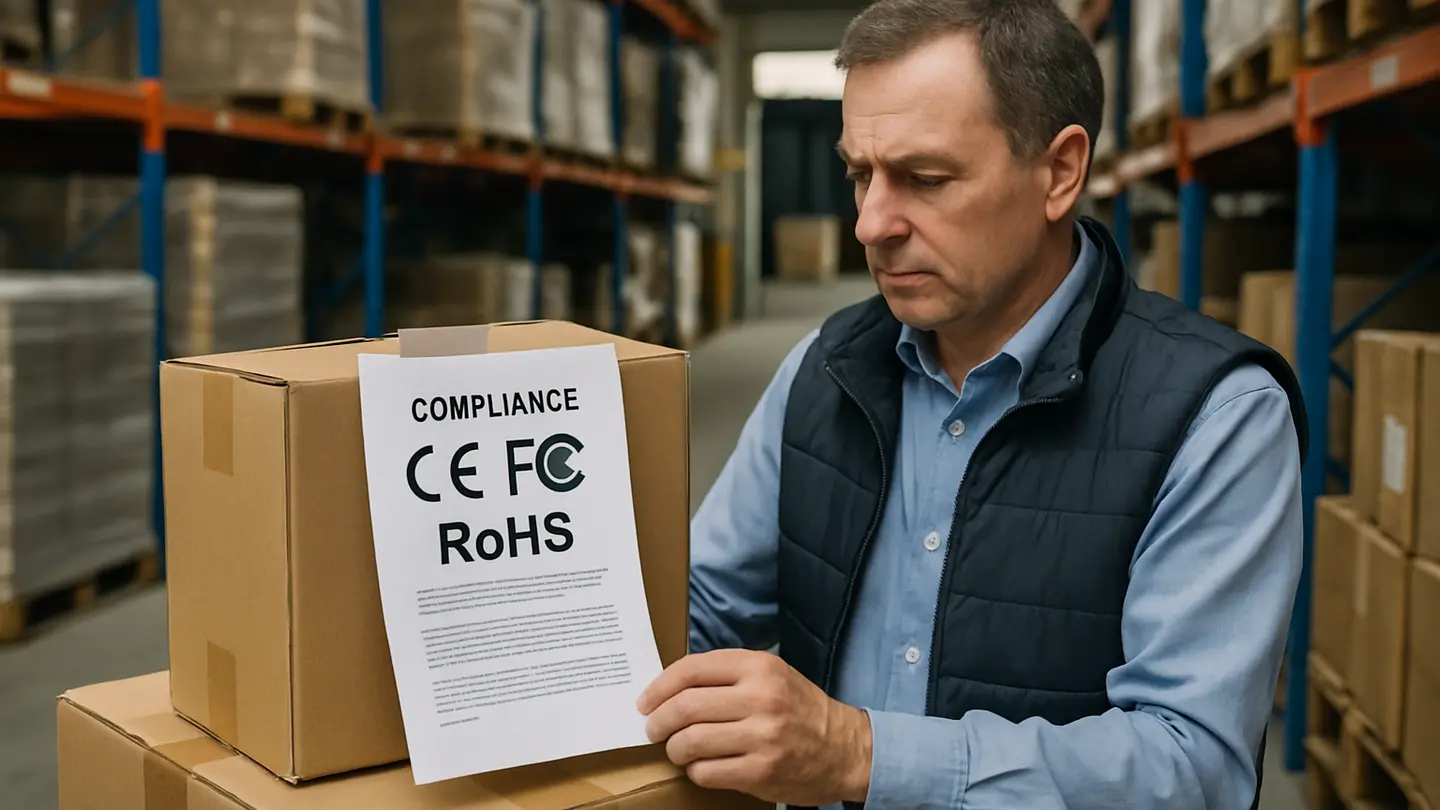
| Compliance | Products may require labeling, safety standards, chemical restrictions, plumbing certifications, electrical approvals, or packaging rules depending on the destination market. |
Supplier choice also affects the budget. A factory may offer better pricing and more control over customization, but communication can be harder if the factory is production-focused rather than export-service-focused. A trading company may charge a higher margin but can simplify communication, combine categories, and support smaller mixed orders. A sourcing agent can help with supplier search, quotation comparison, negotiation, sample follow-up, inspection, and logistics coordination, which is useful when the buyer lacks in-house China procurement capability.
Budgeting mistakes often come from focusing only on the lowest unit price. A quote that looks attractive can become expensive if the product fails inspection, packaging is weak, delivery is delayed, or freight costs were underestimated. Skipping samples, failing to document specifications, and leaving quality control until after shipment are especially risky for first-time importers.
Starting with About $100: Dropshipping from China
Dropshipping is usually the lowest-entry-budget model because the seller does not buy inventory before receiving customer orders. Instead, the seller lists products online, markets them, collects payment from the customer, and sends the order details to a supplier or fulfillment partner in China. The supplier then ships directly to the end customer.
A basic starting budget may include:
- Ecommerce store subscription or marketplace selling fees
- Domain name
- Product research tools or test orders
- Sample purchases for content creation or quality checks
- Initial advertising spend
- Basic branding assets, such as product images or store design
The “about $100” entry point is realistic only for a very lean test. It may cover a domain, a low-cost store plan, and limited product testing, but it is not enough for serious paid advertising, professional content, or extensive customer support systems. Sellers should view it as a validation budget, not a full operating budget.
The advantage is low inventory risk. If a product does not sell, the seller has not filled a warehouse with unsold goods. This makes dropshipping attractive for early-stage entrepreneurs testing niches, advertising angles, and customer demand.
The limitations are equally important. Per-unit costs are usually higher than bulk factory purchasing. Shipping times may be longer than local fulfillment. Product consistency can vary if the seller changes suppliers or does not control packaging. Customer service pressure can also rise quickly if delivery is slow, tracking is unclear, or returns are difficult.
Dropshipping is best suited to sellers with strong digital marketing ability, clear product positioning, and a plan for customer communication. Once demand is proven, many serious sellers move toward bulk buying or private-label sourcing to gain better cost control and improve the customer experience.
Budgeting $2,000 or More for Bulk Ecommerce Imports
Bulk importing is the next step for many ecommerce sellers after they validate demand through dropshipping, marketplace sales, or small test orders. Instead of shipping one unit at a time from a supplier to each customer, the buyer purchases inventory in bulk and ships it to a domestic warehouse, third-party logistics provider, marketplace fulfillment center, or their own facility.
A starting budget of $2,000 or more can work for simple, small, low-cost products. For higher-value categories, private-label packaging, larger volumes, or heavier goods, the required budget can rise quickly.
A bulk ecommerce budget should usually include:
- Product samples from multiple suppliers
- First production order
- Packaging or label design
- Carton markings and barcode labels
- Pre-shipment inspection
- International freight
- Import duties and customs brokerage
- Domestic delivery to warehouse or fulfillment center
- Buffer for delays, rework, or additional storage
The main benefit is lower unit cost. Buying in bulk gives the supplier a more efficient production run and allows the buyer to negotiate better pricing. It also enables private-label packaging, custom colors, small design changes, bundles, or instruction inserts.
However, private-label sourcing requires more discipline than basic resale. The buyer needs clear specifications: dimensions, materials, tolerances, finish, packaging method, labeling, carton strength, and acceptable defect standards. If those details remain vague, the supplier may produce according to its own normal standard, which may not match the buyer’s brand promise or destination-market expectations.
Freight also has a major effect on the import from China budget. Small, urgent, high-value items may justify courier or air freight. Low-value, bulky goods often become uneconomical by air and need sea freight. For example, a lightweight fashion accessory and a bulky bathroom accessory set may have similar factory prices but very different landed costs once shipping is included.
Supplier-search channels include search engines, trade shows, referrals, sourcing partners, and B2B marketplaces such as Made-in-China.com. Whatever channel is used, buyers should compare more than price. Relevant export experience, responsiveness, sample accuracy, production capacity, documentation quality, and willingness to support inspections are all part of supplier evaluation.
Bulk importing works best when the seller has evidence of demand, enough cash flow to hold inventory, and a clear plan for fulfillment. It is usually not the right model for untested products with uncertain demand unless the first order is deliberately small.
Budgeting for New Product Development and Custom Manufacturing
New product development in China can range from a modest modification of an existing item to a full engineering project requiring tooling, prototypes, testing, and multiple production trials. Because of this, there is no single reliable budget number.
The lowest-cost path is usually to start with an existing product and make limited changes. Examples include custom branding, packaging, color, accessory bundles, surface finish, or minor dimensional adjustments. This approach uses the supplier’s existing tooling and production process, so the development cost is lower and lead time is shorter.
A fully new product is different. It may require industrial design, engineering drawings, material selection, prototype production, mold making, performance testing, compliance review, packaging design, and production validation. The budget depends heavily on product category.
Fabric-based products, such as bags, covers, soft furnishings, or textile accessories, often have lower development barriers. Patterns can be adjusted, samples can be sewn, and revisions may be relatively inexpensive. That does not mean the process is simple; fabric weight, stitching, colorfastness, shrinkage, labeling, and packaging still need control. But the upfront tooling cost is usually lower.
Molded plastic products, metal components, sanitary fittings, appliance housings, and products with moving parts can require custom tooling before mass production. Mold costs can be significant, and mistakes in design can be expensive to correct. Buyers should budget for prototype rounds, mold trials, engineering revisions, and possibly third-party testing before approving a production run.
Crowdfunded product creators often look to China for scaled production after raising funds. This can work well, but the campaign budget should not assume the first factory quote is the final cost. Sampling, tooling, inspection, certification, packaging redesign, production delays, and freight changes can all affect cash requirements. A campaign that prices only around the factory unit cost may struggle when real manufacturing variables appear.
For custom manufacturing, the most important budget practice is staged commitment. Pay for concept work, samples, prototypes, molds, and production in controlled steps. Confirm ownership and use of tooling in writing. Keep a revision history. Define acceptance criteria before mass production. The goal is not simply to find a factory that says “yes,” but to build a production path that can repeatedly deliver the required standard.
Budget Considerations for Traditional Wholesale and Retail Buyers
Traditional wholesalers and retailers often approach China sourcing differently from ecommerce sellers. They may need multiple designs, seasonal assortments, store-ready packaging, replenishment flexibility, and predictable delivery windows. Their challenge is not only price; it is assortment management.
Many retailers rely on local wholesalers because the process is simpler. Local vendors may offer smaller replenishment quantities, faster delivery, easier returns, and sometimes credit terms. A retailer can buy mixed styles in modest quantities without dealing with international freight, customs clearance, language barriers, or production follow-up.
The trade-off is cost and assortment depth. Local wholesalers usually add their own margin, and product choices may be limited to what they already import. A stable retailer with predictable sales may reduce product cost and expand its range by sourcing directly from China.
Minimum order quantities are often the biggest obstacle. A Chinese supplier may offer good pricing but require a minimum order per design, color, size, or finish. For a retailer that needs many SKUs in small volumes, this can create too much inventory risk. The buyer may have enough total purchasing power but not enough quantity for each individual item.
This is where planning becomes important. Retailers can group products by material, function, supplier, or collection. They can reduce variation in slow-moving options and place deeper orders for proven designs. They can also negotiate mixed-container orders or work with trading companies and sourcing partners that consolidate from multiple factories.
A realistic wholesale or retail import budget should account for:
- Assortment sampling across many SKUs
- Higher total sample cost due to multiple designs
- Deposits across several suppliers
- Consolidation warehouse costs if goods come from different factories
- Inspections for each supplier or shipment group
- Export cartons, labeling, and retail packaging
- Sea freight, customs, and local delivery
- Inventory holding costs after arrival
Sourcing partners can add value when the buyer needs to coordinate several suppliers. Their role may include supplier screening, quotation comparison, order follow-up, consolidation, inspection arrangement, and shipment coordination. The service cost should be measured against the cost of errors: missed delivery windows, inconsistent packaging, incorrect quantities, or quality issues discovered only after goods arrive.
Traditional buyers should also consider payment terms and cash flow. Local wholesalers may offer credit, while Chinese suppliers often require a deposit before production and balance before shipment. Even if the unit cost is lower, the buyer may need more upfront cash than when purchasing domestically.
Importing from China for Personal or Internal Company Use
Importing from China is not only for resale. It can also make sense for personal use or internal company projects when the landed cost is meaningfully lower than buying locally. Common examples include furniture, tiles, building materials, lighting, fixtures, office fit-out products, hotel furnishings, restaurant equipment, and large decorative items.
The economics are different from commercial resale. The buyer is not trying to earn a margin on each unit. Instead, the decision depends on whether the savings justify the time, complexity, freight, customs clearance, and risk.
Large goods often show the biggest price gap between local retail and overseas sourcing. Furniture, tiles, cabinetry, stone, sanitaryware, and building materials may be expensive in local showrooms because of distributor margins, warehousing, display costs, and domestic delivery. Sourcing directly from China can reduce purchase cost, especially for a major renovation, hotel project, apartment development, office fit-out, or restaurant opening.
Bulky goods are not automatically a poor fit for importing. They can be suitable for sea freight because shipping cost is spread across a larger shipment. If the buyer does not need a full container, less-than-container-load shipping may be an option. However, LCL shipments require careful packing, clear documentation, and realistic expectations about handling risk and transit time.
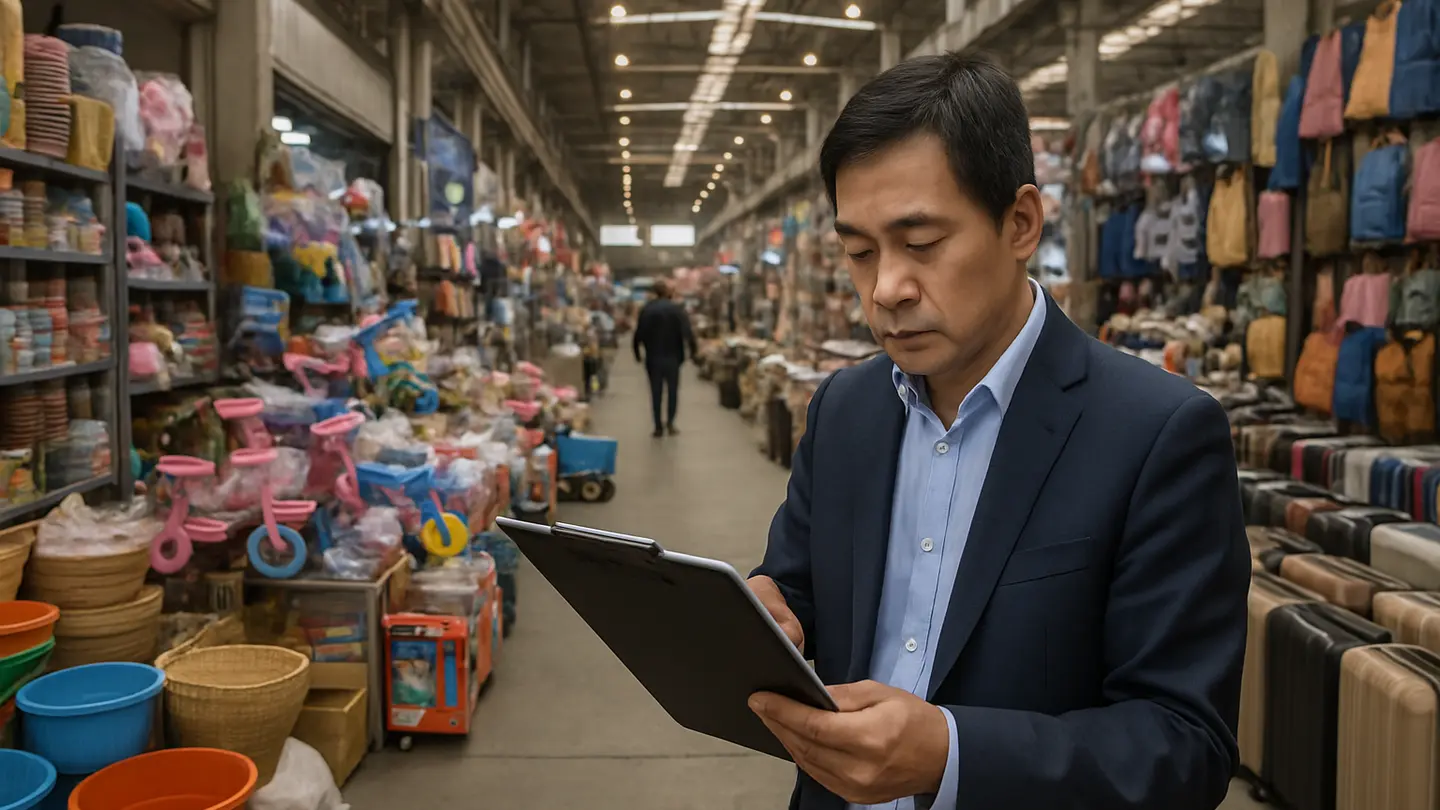
For major projects, in-person sourcing can be worthwhile. Visiting showrooms, material markets, or supplier clusters allows the buyer to compare finishes, sit on furniture, inspect tile surfaces, check hardware, and discuss customization directly. Guangzhou and Foshan are notable sourcing locations for furniture and building materials, and they are often considered by buyers planning large furnishing or renovation purchases.
The budget for internal-use importing should include more than product prices. Buyers should estimate:
- Travel costs if visiting suppliers or showrooms
- Translation or sourcing support
- Samples or material swatches
- Product purchase cost
- Export packing, especially for fragile goods
- Sea freight or container shipping
- Insurance
- Import duties, taxes, and customs brokerage
- Local delivery from port to site
- Installation-related compatibility issues
- Replacement allowance for breakage or defects
For products such as tiles, fixtures, or building materials, ordering extra quantity is often necessary. If a few cartons break or a later repair is needed, matching the same batch locally may be impossible. The savings from importing should be large enough to cover these practical risks.
Internal-use importing is most suitable when the order is large enough to justify the process, the buyer can wait for international lead times, and specifications are clear. For small urgent purchases, local sourcing may still be the better business decision.
Ultimately, the right import from China budget depends on the model. Dropshipping can start with a very small test budget but gives limited control. Bulk ecommerce importing needs more capital but can improve margins and branding. Product development requires the most planning because tooling, testing, and revisions can dominate the budget. Traditional retailers must balance MOQs against assortment needs. Internal-use buyers should focus on landed savings, not just supplier quotes.
The best budget is not the lowest number that starts an order. It is the amount that covers product, verification, quality control, logistics, compliance, and a sensible reserve for the unexpected.