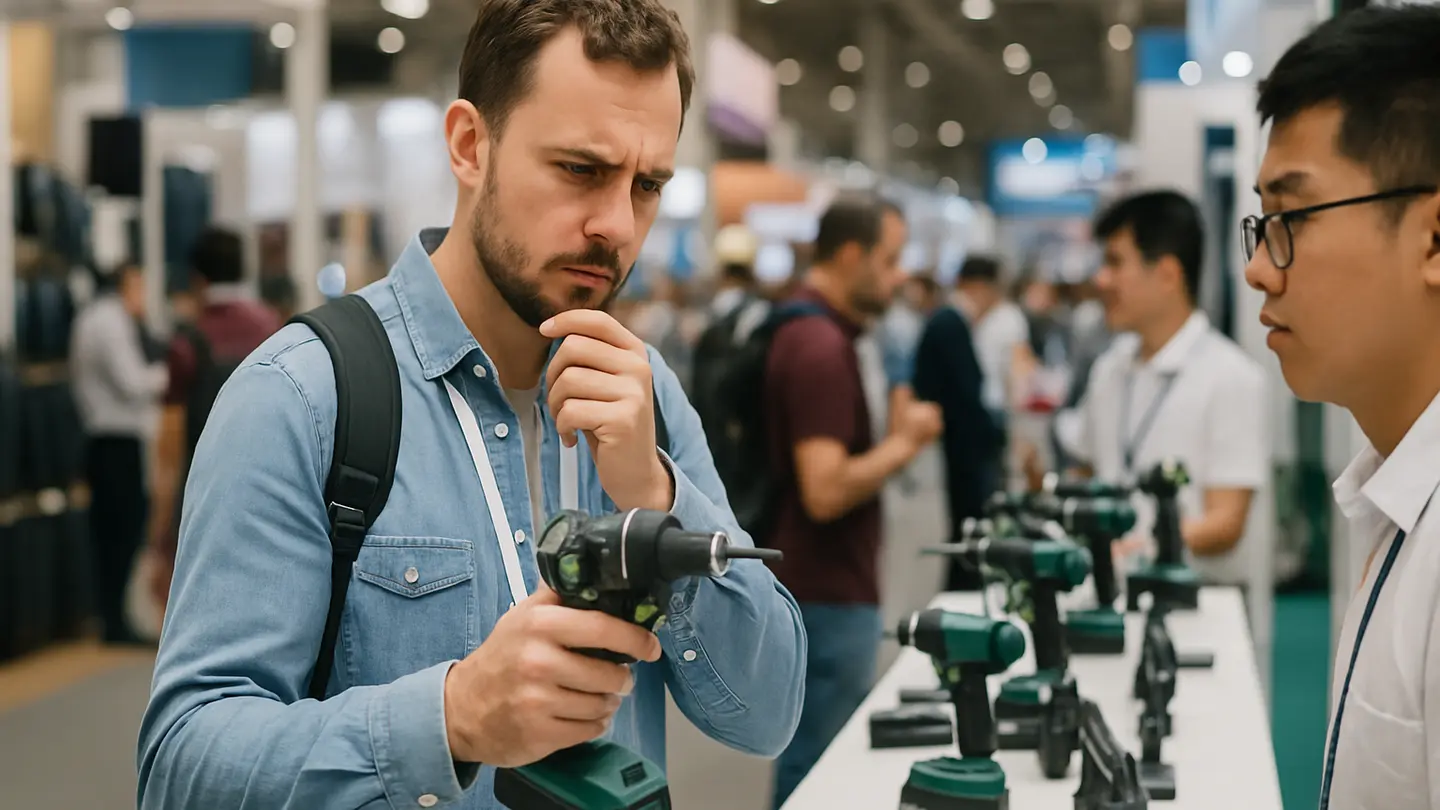
Importing from China can be attractive for Canadian companies, but border delays can erase margin, disrupt launches, and create storage or demurrage costs. The safest way to Import from China to Canada is to treat customs readiness as part of sourcing, not something that starts after cargo is in transit.
Canadian buyers may import directly, use a customs broker, or accept a DDP-style offer where the supplier or forwarder bundles delivery and customs-related services. Each model can work, but the importer must know who is responsible for classification, value, origin, duty, taxes, payment, and records. With CARM central to Canadian commercial import accounting, accounts, portal access, broker delegation, and payment responsibilities should be ready before goods leave China.
What Canadian Importers Need Before Buying from China
Before issuing a purchase order, confirm that the business can act as an importer. This usually means having a Canada Revenue Agency Business Number and an import/export RM account. Commercial importers should also be able to access the CARM Client Portal and manage the importer profile, user access, delegations, and payment responsibilities.
Create a basic import file before production begins. It should include:
- Product specifications, drawings, model numbers, materials, and intended use
- Supplier quotation, pro forma invoice, purchase order, or signed agreement
- Commercial invoice format
- Packing details, including carton count, weights, and dimensions
- Shipping details, including Incoterms, origin, destination, and delivery scope
- Relevant test reports, permits, certifications, or labeling approvals
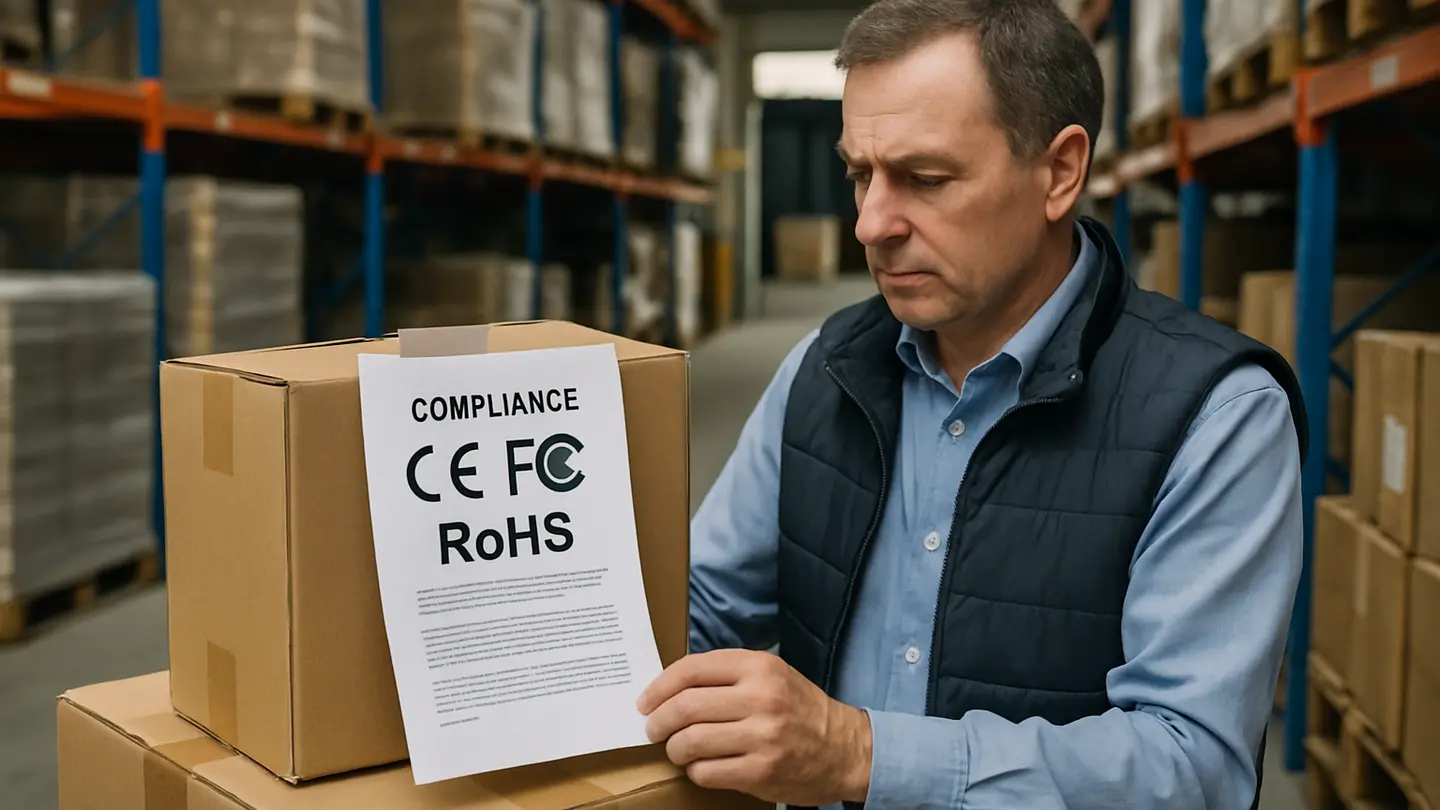
Regulated goods require extra care. Depending on the product, other government departments may review admissibility, safety compliance, labeling, or documentation. Consumer products, children’s products, textiles, electronics, food-contact goods, medical-related items, chemicals, and controlled goods can require permits, lab reports, bilingual labels, or specific declarations.
Using a customs broker or freight forwarder does not remove importer responsibility. The importer of record remains legally accountable for the declaration, including classification, value for duty, origin, and supporting records.
A Step-by-Step Import Workflow from China to Canada
A disciplined workflow reduces preventable delays. Start with product admissibility and compliance checks, then move through account setup, landed-cost modeling, supplier controls, freight selection, customs release, and post-arrival reconciliation.
Common mistakes include approving production before checking regulatory requirements, accepting freight quotes without destination charges, or waiting until transit to organize customs clearance.
Step 1: Confirm Product Admissibility and Compliance Risk
Start by defining the product in commercial and regulatory terms. A vague description such as “plastic item,” “accessory,” or “machine part” is not enough. Your file should identify materials, dimensions, function, intended use, origin, model numbers, packaging, and likely end customer.
Next, check whether the product can be imported into Canada and whether other government requirements apply. This may involve reviewing CBSA tariff classification considerations, prohibited and restricted goods lists, and obligations from other departments.
Compliance review should cover:
- Canadian bilingual labeling requirements where applicable
- Packaging and marking obligations
- Product safety standards
- Required test reports or certifications
- Textile fiber content and care labeling rules where relevant
- Children’s product safety and small-parts concerns
- Anti-dumping or countervailing duty exposure
Anti-dumping and countervailing duties can be significant. If a product category is subject to trade remedies, include those costs in the landed-cost model before approving the order.
The output should be a product compliance file with detailed descriptions, likely Canadian HS code candidates, regulator status, required permits, testing needs, label requirements, and questions for a broker or compliance adviser.
Step 2: Prepare CARM Access, Import Accounts, and Broker Authority
Before freight is booked, identify the importer of record. This party is responsible for the customs declaration and payment obligations. In many B2B transactions, the Canadian buyer is the importer of record. In DDP-style arrangements, verify who is declaring the goods and under whose business number.
Commercial importers should confirm that their Business Number and import/export RM account are active, then register in the CARM Client Portal and ensure that the importer profile is complete.
If using a customs broker, delegate authority in CARM before the shipment departs China. Do not assume that a broker can clear goods simply because documents were emailed.
An internal readiness check should confirm:
- The importer of record has been identified
- The Business Number and RM account are active
- CARM Client Portal access is working
- User roles are assigned internally
- Broker delegation has been completed
- Payment responsibilities are understood
- Release Prior to Payment arrangements are addressed where applicable
- No portal tasks remain unresolved before booking freight
Incomplete CARM setup can create release problems even when the cargo and documents are otherwise correct.
Step 3: Build a Landed-Cost Model Before Approving the Order
A supplier’s purchase price is not the total import cost. Canadian buyers should build a landed-cost model before confirming the order.
Start with the correct Canadian HS classification. Duty rates vary by 10-digit classification, and classification also affects admissibility, trade remedy exposure, and documentation requirements. If uncertain, ask a qualified customs broker or trade compliance professional before finalizing margins.
A landed-cost model should include:
- Factory price
- China inland freight, if applicable
- Export documentation or origin charges
- International freight
- Cargo insurance
- Brokerage or customs service fees
- Duty
- GST/HST, depending on applicable rules
- Port, terminal, or airline handling charges
- Customs examination charges, if incurred
- Demurrage, detention, or storage risk
- Canadian drayage or local delivery
- Warehouse receiving and unloading costs
- Contingency for exchange rate and logistics changes
Freight quotes should be itemized. Ask forwarders to separate congestion fees, documentation fees, terminal handling, customs-related services, exam charges, demurrage, detention, drayage, and warehouse receiving. A low headline rate can become expensive if destination charges are unclear.
DDP quotes require scrutiny. Bundled pricing can conceal inflated local charges, incorrect classification, or unclear customs responsibility. Reverse-audit any DDP offer by asking what HS code is being used, who is the importer of record, what duties and taxes are included, and whether Canadian delivery includes unloading, appointment fees, or location restrictions.
Step 4: Set Supplier Controls and Secure Pre-Shipment Documents
Supplier control is both a quality and customs issue. If the supplier changes materials, under-declares value, uses inconsistent descriptions, or ships without required documents, the importer may face clearance delays.
Use a signed pro forma invoice, purchase agreement, or purchase order to lock product specifications, pricing, Incoterms, payment schedule, production lead time, packaging, labeling obligations, and delivery expectations.
Key controls should include:
- Minimum order quantity
- Approved sample standard
- Production lead time and late-shipment remedies
- Payment milestones tied to inspection or document approval
- Carton markings and packing rules
- Inspection criteria and acceptable quality limits
- Defect remedies, replacement terms, or credit arrangements
- Required documents before final payment
Choose Incoterms carefully. EXW may offer price transparency but puts more origin responsibility on the buyer. FOB gives the importer more freight control once goods are loaded at the Chinese port. CIF and CFR include international freight elements but may reduce cost visibility. DDP may simplify buying but can blur customs responsibility and landed-cost details.
Approve samples before mass production and arrange a pre-shipment inspection before paying the final balance. Inspections should verify quantity, packaging, labeling, workmanship, and conformity to specifications.
Before cargo leaves the supplier, collect and review:
- Commercial invoice
- Packing list
- Bill of lading or airway bill
- Certificate of origin, where relevant
- Permits or approvals, if required
- Test reports or certifications
- Label and packaging confirmations
Document review before departure is far cheaper than correcting errors after goods reach Canada.
Step 5: Choose the Shipping Mode and Compare Freight Quotes
Shipping mode should match urgency, volume, margin, and risk tolerance. Express courier suits small urgent samples or low-value parcels, but costs rise quickly for heavier shipments. Air freight is faster than ocean freight and useful for time-sensitive cargo. Ocean freight is usually more economical for heavier, bulkier, or less urgent shipments.
For ocean freight, choose between LCL and FCL. LCL can make sense when volume is too low for a full container, but consolidation and deconsolidation add handling time and delay risk. FCL can reduce unit freight cost at scale and avoid some deconsolidation delays, although the importer needs enough volume and receiving capacity.
Every freight quote should clearly state:
- Origin and destination
- Transport mode
- Route and transshipment points, if known
- Estimated transit time
- Incoterm or service scope
- Port-to-port, port-to-door, or door-to-door coverage
- Customs clearance responsibilities
- Insurance availability
- Destination charges
- Final-mile delivery terms
Port-to-port quotes usually cover movement between ports only, leaving the importer to arrange customs clearance, drayage, and local delivery. Port-to-door quotes extend service to the Canadian destination but may not include brokerage. Door-to-door quotes are broader, but importers still need to verify whether duties, taxes, broker fees, appointments, liftgate service, or warehouse receiving are included.
Compare quotes on a like-for-like basis. A higher quote may be better if it includes destination handling, customs coordination, and reliable delivery windows.
Step 6: Complete Customs Release and Final Delivery
Once the shipment is moving, customs release depends on accurate entry data and complete documents. A broker may submit the declaration, but the importer remains accountable for the information used.
Before entry submission, check:
- Value for duty
- Canadian HS classification
- Country of origin
- Supplier and buyer details
- Invoice currency and payment terms
- Product descriptions
- Quantity and unit values
- Carton count, weights, and dimensions
- Permits, certificates, or test documentation
Duties and taxes must be paid according to the applicable process. Some importers may use approved Release Prior to Payment arrangements where available, but this should be organized before arrival. If payment setup is unclear, release can be delayed.
Do not arrange final delivery until the shipment has released status. For ocean freight, coordinate drayage, delivery appointments, warehouse receiving hours, unloading equipment, and special instructions. For air freight, confirm terminal recovery, customs release, and local delivery timing.
When goods arrive, inspect cartons immediately for damage, shortages, incorrect labels, or packaging failures. Record exceptions on delivery documents where appropriate. Then reconcile actual landed cost against the original model to improve future pricing and freight decisions.
How to Resolve Common Import Delays
Import delays usually fall into four categories: customs setup, documentation errors, cost disputes, or logistics disruption. Identify where the shipment is stalled, confirm who controls the next action, and compare the issue against your import file.
A troubleshooting process should ask:
- Has the importer’s CARM profile and broker delegation been completed?
- Has the broker received all required documents?
- Are invoice, packing, origin, and transport details consistent?
- Is a permit, certification, label, or test report missing?
- Are duties, taxes, or security arrangements blocking release?
- Is the delay caused by customs, carrier, terminal, warehouse, or trucking capacity?
- Are destination charges disputed or unpaid?
The faster you isolate the cause, the easier it is to avoid storage, demurrage, missed delivery appointments, and customer-facing delays.
Problem: The Shipment Is Delayed at the Canadian Border
A border delay can occur even when goods are physically available. Incomplete CARM setup, missing broker delegation, unresolved payment security, or inactive importer account details can prevent release.
Confirm that the broker has proper authority in CARM. Then check that the importer profile is active and that payment or Release Prior to Payment arrangements are not blocking the transaction. If the broker is waiting for importer action, resolve the portal task immediately.
The best remedy is preventive: complete CARM setup and importer-account checks before freight leaves China.
Problem: Final Landed Cost Is Higher Than Forecast
Higher-than-expected landed cost often comes from incomplete quoting or incorrect assumptions. Bundled DDP-style quotes may hide destination surcharges, classification mistakes, local handling markups, or unclear duty and tax treatment.
Reconcile every invoice against the landed-cost sheet. Separate supplier charges, international freight, customs brokerage, duty, GST/HST, terminal charges, drayage, delivery, and warehouse receiving. If a cost was not in the original model, determine whether it was unavoidable, quote-related, or caused by delay.
For future shipments, require forwarders to itemize origin charges, international freight, customs-related services, Canadian destination charges, and final delivery. Do not compare providers using only the headline rate.
Problem: Ocean Freight Misses the Planned Launch Date
Ocean freight schedules are estimates, not guarantees. LCL deconsolidation, port congestion, vessel schedule changes, rail delays, and inland trucking shortages can all push back delivery.
If a launch date is critical, consider moving urgent inventory by air while the balance moves by sea. This can protect the launch without converting the entire order to higher-cost air freight. Base the decision on margin, customer commitments, and stockout risk.
For future planning, add realistic buffers to sea-freight timelines. If volume justifies it, FCL can reduce some LCL-related delays and give the importer more control over container movement.
Problem: Goods Are Held Because Documents Do Not Match
Customs questions often arise from inconsistent or vague documents. Generic descriptions, mismatched invoice values, unclear material declarations, inconsistent quantities, or missing model numbers can trigger review. For regulated goods, missing bilingual labels, permits, certifications, or test reports can also delay release.
Rebuild the product file with precise details: material composition, function, model, dimensions, packaging, end use, and supplier declarations. Compare the commercial invoice, packing list, transport document, purchase order, and compliance documents line by line.
For future shipments, require document review and written sign-off before cargo leaves the Chinese factory, ideally before final payment.
FAQ
1. How much does it cost to import from China to Canada?
The total cost includes product price, international freight, insurance, duty, GST/HST, customs brokerage, port or terminal charges, and final delivery. Landed costs can add significantly above the factory price, especially for low-volume LCL or urgent air shipments.
Duty depends on the 10-digit Canadian HS classification. Exact rates should be checked in the CBSA Customs Tariff or confirmed with a qualified customs broker. Tax impact also depends on destination and applicable GST/HST rules.
2. Do I need an import license to bring goods into Canada?
Canada does not generally require one universal import license for all commercial goods. However, importers normally need a Business Number and an import/export RM account.
Some regulated products require permits, approvals, certifications, or review by other government departments. Confirm requirements before paying deposits or starting production, because non-compliant goods may be delayed, refused, or require costly correction.
3. How long does shipping take from China to Canada?
Air freight is usually much faster than ocean freight, but it typically costs more. Ocean freight timing depends on the Chinese origin port, Canadian arrival port, sailing schedule, congestion, customs release, and inland delivery destination.
LCL shipments often need extra time for consolidation and deconsolidation. Inventory plans should use realistic transit ranges rather than best-case sailing schedules, especially for promotions, seasonal demand, or launch dates.
Final Checks Before Your Next China-to-Canada Shipment
Before each shipment, confirm product admissibility, CARM readiness, broker authority, landed-cost assumptions, supplier documents, freight scope, and delivery arrangements.
After each shipment, compare actual landed cost with the original estimate. Track supplier accuracy, inspection results, freight-lane reliability, transit time, customs issues, destination charges, and warehouse receiving problems. Over time, this data helps determine when to shift from courier to air, from LCL to FCL, or from bundled logistics to more transparent broker-assisted importing.
For Canadian buyers importing from China regularly, standardized compliance and document checklists are the best defense against costly customs delays.