Importing from China can be profitable, but it should be managed as a controlled B2B process. Unit price is only one input. Specifications, supplier verification, Incoterms, freight, customs documents, duties, inspections, and receiving controls all affect final margin.
This roadmap explains how to import from China in a practical sequence, from planning through post-shipment review, to reduce delays, quality disputes, hidden charges, and documentation errors.
Pre-Import Planning: What to Confirm Before Supplier Outreach
Before contacting suppliers, define the commercial and operational framework. Suppliers can quote accurately only when the buyer provides clear requirements.
Confirm the importing entity, legal company name, tax details, billing and delivery addresses, and, for U.S. importers, the Employer Identification Number. Decide who will act as the Importer of Record, responsible for compliance, duties, taxes, and import records.
Define the product in writing: dimensions, materials, tolerances, colors, finishes, packaging, labeling, performance requirements, and applicable standards. If the product needs tooling, artwork, molds, private labeling, or retail packaging, specify those details before quotation.
Set assumptions for MOQ, target selling price, target landed cost, and expected order frequency. A low unit price is not useful if freight, duty, storage, inspection, or excess inventory erases the margin.
Your budget should include samples, sample freight, tooling, testing, inspection, inland trucking in China, international freight, insurance, duties, customs brokerage, local delivery, warehousing, prep work, and contingency.
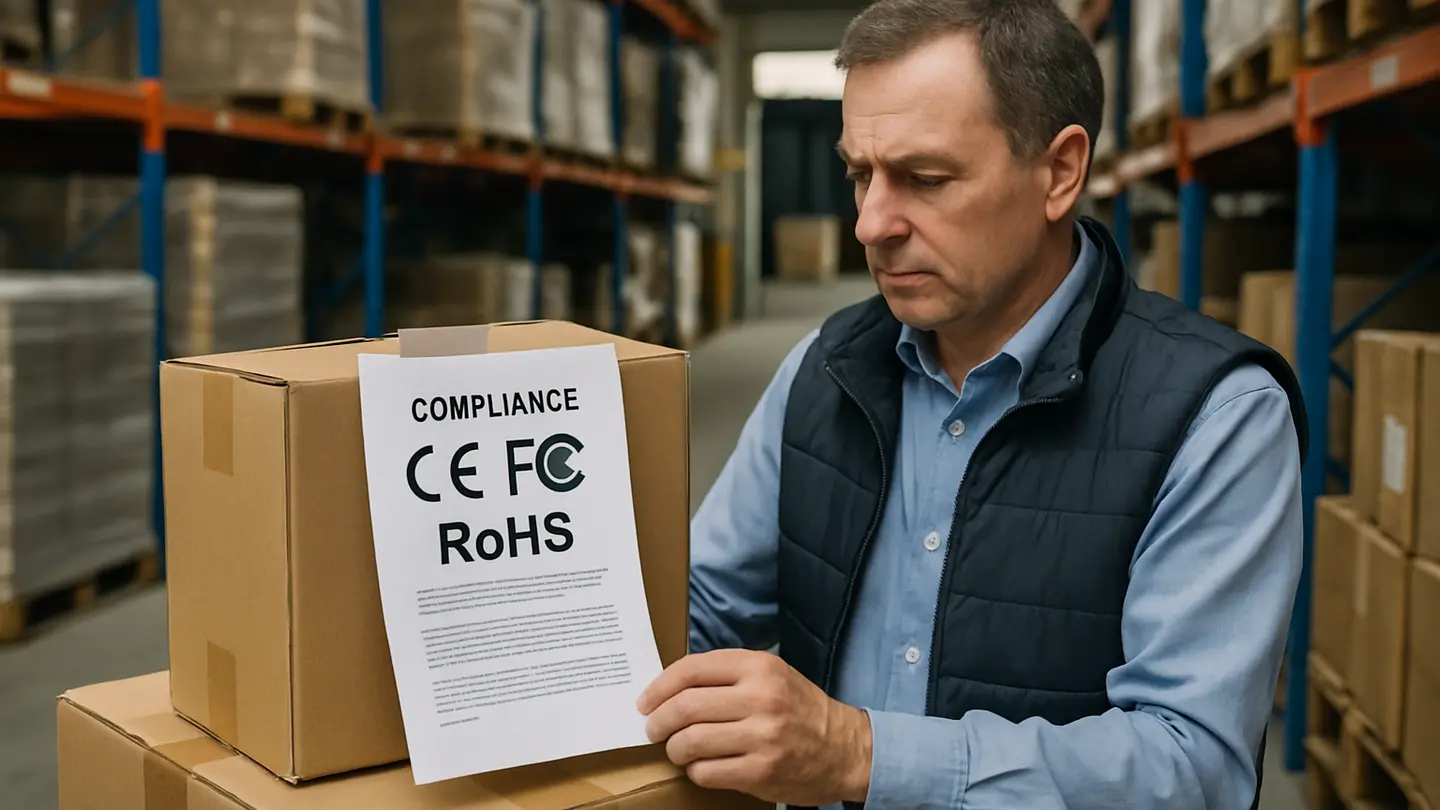
If the product is regulated, review compliance before paying a deposit. Electronics, batteries, children’s products, food-contact goods, cosmetics, medical-related items, and certain chemicals may require testing, labeling, documentation, or approvals.
The Practical Sequence for Importing Goods From China
A successful import is a chain of connected decisions. Poor specifications create inconsistent quotes. The wrong Incoterm distorts landed cost. Inconsistent documents can delay customs clearance.
Following the steps in order helps control supplier risk, quality risk, logistics risk, and customs risk. Specifications support RFQs, samples support purchase orders, inspections support payment decisions, and shipping documents support clearance.
Step 1: Screen Products for Commercial and Compliance Fit
Product selection should start with demand and margin, but also consider defect risk, storage requirements, compliance, and freight profile.
Evaluate each product using a simple go/no-go framework:
| Factor | What to check |
|---|---|
| Target selling price | Is there enough room for landed cost, marketplace fees, overhead, and profit? |
| Estimated landed cost | Does the product still make sense after freight, duties, brokerage, and storage? |
| MOQ | Can the business absorb the cash and inventory risk? |
| Compliance exposure | Are testing, labeling, permits, or agency reviews required? |
| Defect tolerance | Would small quality variations create returns, safety issues, or complaints? |
| Storage profile | Is the product bulky, fragile, seasonal, temperature-sensitive, or slow-moving? |
Newer importers should be cautious with highly regulated products unless they understand the compliance path. Non-compliance can cost more than the first order is worth.
Step 2: Choose the Right Supplier Search Channel
The supplier search channel should match product complexity and buyer experience. Online platforms such as Alibaba, Made-in-China, and Global Sources can help build an initial shortlist for standard products, private-label items, and supplier discovery. Platform badges, transaction history, and uploaded certificates may be useful signals, but they are not final proof of capability.
Assess replies carefully. A strong supplier addresses your specification, explains options, provides relevant evidence, states realistic lead times, and asks clarifying questions. Generic replies, vague material descriptions, inconsistent pricing, or reluctance to provide documents are warning signs.
Do not compare suppliers on price alone. Consider category experience, packaging capability, export documentation, production capacity, and communication quality.
When a Sourcing Agent Can Reduce Execution Risk
A sourcing agent can help when the buyer is new, the product is customized, the order includes multiple SKUs, or several factories must be coordinated. Agents may support supplier discovery, quotations, communication, samples, production follow-up, consolidation, and inspection coordination.
Use an agent when execution risk is high, but define the role, fee structure, reporting process, and conflict-of-interest safeguards. The buyer should still own the specifications, commercial targets, and final supplier decisions.
Using Trade Fairs and Wholesale Markets to Build a Supplier Shortlist
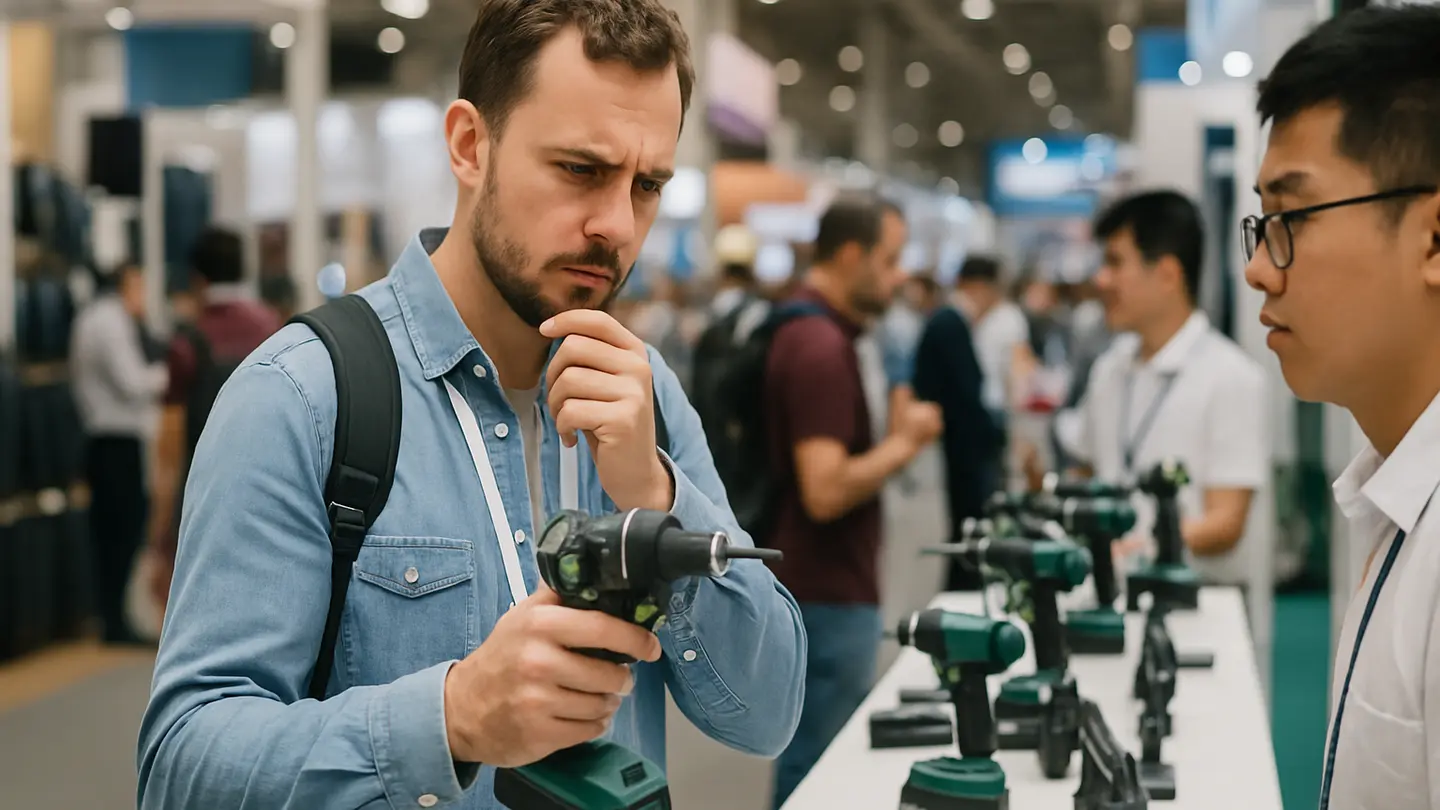
Trade fairs and wholesale markets let buyers compare suppliers directly, inspect product variations, and ask technical questions in real time. Use in-person sourcing to build a shortlist, not to rush into a deposit.
Verify business licenses, export capability, production evidence, relevant certificates, factory address, and payment details. The bank beneficiary should match the supplier’s legal entity. If payment is requested to a personal account or unrelated company, pause and verify.
Factory checks may show that a supplier is trading rather than manufacturing, or that production is outsourced. Outsourcing is not automatically unacceptable, but the buyer should know who controls quality and delivery.
Step 3: Standardize RFQs and Compare Incoterms
A structured RFQ makes supplier quotes comparable. Without one, suppliers may quote different materials, exclude packaging, or use Incoterms that shift major costs to the buyer.
A practical RFQ should include:
- Product specifications and drawings or reference photos
- Quantity and expected reorder volume
- Materials, finishes, tolerances, and performance standards
- Packaging, carton marks, labels, and barcode requirements
- Compliance or testing requirements
- Destination country and delivery expectations
- Requested Incoterm
- Target lead time
- Sample requirements
- Payment expectations
Compare quotes across unit price, MOQ, tooling cost, sample cost, lead time, payment terms, carton dimensions, gross weight, export handling, and quote validity.
Incoterms define cost responsibility, risk transfer, and logistics control. EXW may appear cheaper but leaves the buyer responsible for factory pickup and China-side export arrangements. FOB often provides a workable balance: the supplier handles export clearance and delivery to the Chinese port, while the buyer controls international freight and destination-side handling.
Step 4: Approve a Golden Sample Before Bulk Production
Samples confirm whether the supplier understands the product before mass production begins.
For new or customized products, sampling may involve a baseline sample, revised sample, and final approved golden sample. Inspect the sample against the written specification, not just appearance. Check dimensions, materials, color, finish, workmanship, function, assembly, packaging, labels, warnings, barcodes, and marketplace-specific requirements.
If goods will be sold through a fulfillment program, confirm carton labels, scannable codes, polybag warnings, suffocation labels, and routing requirements before production.
The approved golden sample and written specification should become the production baseline. Where practical, keep one identified sample with the supplier and one with the buyer or inspection company.
Step 5: Build the Landed-Cost Model and Check Compliance Duties
Calculate landed cost before paying the deposit. Include product cost, tooling, inspection, China inland trucking, export charges where applicable, international freight, insurance, duties, customs brokerage, port or terminal charges, local delivery, warehousing, prep work, and contingency.
Do not rely only on the supplier’s suggested HS or HTS code. Suppliers may provide a starting point, but classification is ultimately the importer’s responsibility. Ask a licensed customs broker or trade compliance specialist to review unclear categories.
Compliance duties vary by product. Electronics may require electrical safety, electromagnetic compatibility, battery transport, or labeling review. Children’s products may require testing and tracking labels. Food-contact goods may require material compliance documentation.
Convert total costs into a per-unit landed cost and compare it with the target selling price. If the margin works only under optimistic assumptions, revise the product, quantity, shipping method, or selling strategy before committing.
Step 6: Turn the Deal Into a Detailed Purchase Order
Chat messages and informal emails are not enough for a B2B import order. A detailed purchase order reduces ambiguity and gives both sides a written reference.
The PO should specify product details, approved sample reference, quantities, unit price, total price, Incoterm, packaging, carton marks, labeling, artwork version, lead time, delivery milestones, inspection rights, payment milestones, and remedies for defects or delays.
For custom goods, include ownership of molds, tooling, logo files, artwork, and other intellectual property. If packaging artwork must be approved before printing, require written approval.
Payment should be tied to progress where possible. A common structure is a deposit before production and balance after pre-shipment inspection, though terms vary. Quality checkpoints may include pre-production review, inline inspection, and final inspection before shipment.
Step 7: Plan Freight, Consolidation, and Delivery Control
Freight planning should begin before production finishes. The right method depends on cost, urgency, volume, cash flow, and operational complexity.
Sea freight usually suits larger bulk shipments because it offers lower per-unit cost, though transit time is longer and destination charges must be managed. Air freight is faster but more expensive, making it suitable for urgent replenishment or higher-value goods. Express courier works well for samples and small test shipments but is rarely economical for larger commercial loads.
Split shipments can balance speed and cost, such as shipping a small launch quantity by air and the bulk by sea.
Understand provider roles. A sourcing agent may coordinate suppliers and China-side follow-up. A freight forwarder arranges international transportation. A customs broker handles entry and clearance. A consolidation provider combines goods from multiple factories. Marketplace sellers may also need China-side labeling, bundling, carton compliance, or palletization.
Step 8: Prepare Customs Clearance and Audit Shipping Documents
Customs clearance should be prepared before cargo reaches the destination port. Waiting until arrival can create storage costs, demurrage, or delivery delays.
Core documents usually include the commercial invoice, packing list, bill of lading for ocean freight, or air waybill for air shipments. Depending on the product, additional documents may include permits, test reports, certificates, customs bonds, or agency-specific filings.
Audit documents line by line. Product descriptions, declared values, quantities, weights, HS or HTS codes, consignee details, country of origin, and carton counts should align across the invoice, packing list, booking information, and customs entry.
Inconsistent descriptions or values can trigger questions even when the shipment is legitimate. Clean documentation is one of the simplest ways to reduce customs friction.
Step 9: Use Receiving as the Final Control Point
Cargo arrival is the final control point in the import process. Reconcile physical cartons and pallets against the invoice and packing list. Check carton count, pallet count, labels, SKU markings, and visible condition. Record shortages immediately.
Inspect for crushed cartons, moisture, broken seals, missing labels, incorrect packaging, mixed SKUs, and obvious product variance. Separate transit damage from manufacturing defects because claims may involve different parties: the factory, forwarder, carrier, warehouse, or insurer.
Use timestamped photos, videos, receiving notes, and signed delivery exceptions where possible. Evidence is stronger when collected promptly and linked to carton numbers, pallet IDs, or shipment references.
Step 10: Review the Shipment and Build a Repeatable Import System
The first shipment should become the foundation of a repeatable system. After delivery, review sourcing, sampling, production, inspection, freight, customs, and receiving.
Use a supplier scorecard to track quality, responsiveness, delivery performance, defect rate, documentation accuracy, and landed-cost accuracy. Record whether the supplier met timelines, handled corrections professionally, and maintained sample consistency.
Scaling tactics may include negotiating better payment terms, using more sea freight instead of urgent air shipments, consolidating SKUs, building backup factory options, improving packaging, and maintaining buffer inventory.
Common Importing Problems and How to Respond
Even well-planned imports can face problems. Respond with controls rather than assumptions. Payment security, quality consistency, freight cost changes, and customs holds are common issues when importing from China.
The Supplier Sends New Bank Details After Order Approval
If a supplier suddenly sends new bank details, stop payment until the change is independently verified. Bank-detail fraud and email interception can redirect legitimate payments.
Confirm the change through live contact, preferably by video or a known phone number, not only by replying to the email that announced the change. Compare the beneficiary name with the supplier’s legal business license and previous invoice records. Ask for stamped written confirmation and keep it in the supplier file.
Do not pay personal accounts or unrelated companies unless there is a verified, documented commercial reason and proper risk review.
The Bulk Order Does Not Match the Approved Sample
Quality can decline between sample approval and mass production if controls are weak. Causes may include changed materials, rushed production, subcontracting, or loose interpretation of specifications.
Use signed golden samples, written specifications, and inspection checkpoints to prevent drift. Inline inspections can detect defects before the full order is completed.
If final inspection finds agreed defects, refer to the PO terms. Where terms allow, final payment should be tied to correction, rework, replacement, or another agreed remedy.
The DDP or Air Freight Quote Suddenly Increases
Freight quotes can change when billing is based on dimensional weight rather than actual weight. Bulky but lightweight products may cost more than expected because carriers charge for the space they occupy.
Request exact master carton dimensions and weights before asking for freight estimates. Confirm whether the quote is based on actual weight, volumetric weight, chargeable weight, container load, or another pricing method.
For DDP or air quotes, clarify what is included. Customs clearance, duties, insurance, residential or commercial delivery, remote-area charges, and local handling may not be included unless stated clearly.
Customs Places the Shipment on Hold
A customs hold may result from document inconsistencies, classification questions, valuation concerns, missing permits, or random inspection. First, compare the commercial invoice and packing list line by line.
Check descriptions, quantities, declared value, consignee details, country of origin, and HS or HTS code. If the issue is unclear, contact a licensed customs broker promptly. Delays can increase storage, demurrage, or missed delivery windows.
Do not guess when responding to customs. Provide accurate documentation and, where needed, product literature, payment records, purchase orders, or classification support.
FAQ
1. Do I need a license to import from China?
In the United States, there is generally no universal import license for commercial goods. However, regulated products may require permits, approvals, testing, labeling, or agency-specific documentation.
Before ordering regulated categories, check guidance from CBP and the relevant agency for your product type. Food-contact goods, children’s products, electronics, medical-related items, chemicals, and other controlled categories may have additional requirements.
2. How much money do I need to start importing?
The starting budget depends on the product, MOQ, shipping method, testing needs, and destination. The supplier invoice is only part of the cost.
A realistic budget should include samples, sample freight, tooling if needed, inspection, international freight, customs duties, brokerage, insurance, local delivery, storage, prep work, and contingency. Very small orders can have poor freight economics because fixed handling charges are spread across too few units.
3. What is the cheapest shipping method from China?
Sea freight usually offers the lowest per-unit cost for larger bulk shipments. It is slower and requires more planning, but it can reduce freight cost per unit when volume is sufficient.
For very small shipments, fixed port and handling charges can make sea freight inefficient. Express courier is often practical for samples or small test quantities when speed and simplicity matter more than the lowest unit freight cost.
4. How do I pay Chinese suppliers safely?
Pay only to verified corporate bank accounts that match the supplier’s legal records and invoice details. Avoid personal accounts and consumer transfer services for commercial supplier payments.
Use stamped invoices, beneficiary-name checks, known contact channels, and live confirmation before sending funds. If bank details change unexpectedly, pause the payment and verify the change independently.
Final Takeaways for Building a Controlled China Import Process
Successful importing depends on repeatable process discipline, not simply finding one promising supplier. Strong buyers define specifications before outreach, compare suppliers on equivalent terms, verify business details, approve golden samples, model landed costs, and prepare customs documents early.
A controlled process should include supplier vetting, Incoterm comparison, quality checkpoints, freight planning, documentation audits, and structured receiving. For the next shipment, build a supplier shortlist, issue comparable RFQs, verify licenses and bank details, and involve a freight forwarder or customs broker where the risk justifies it.