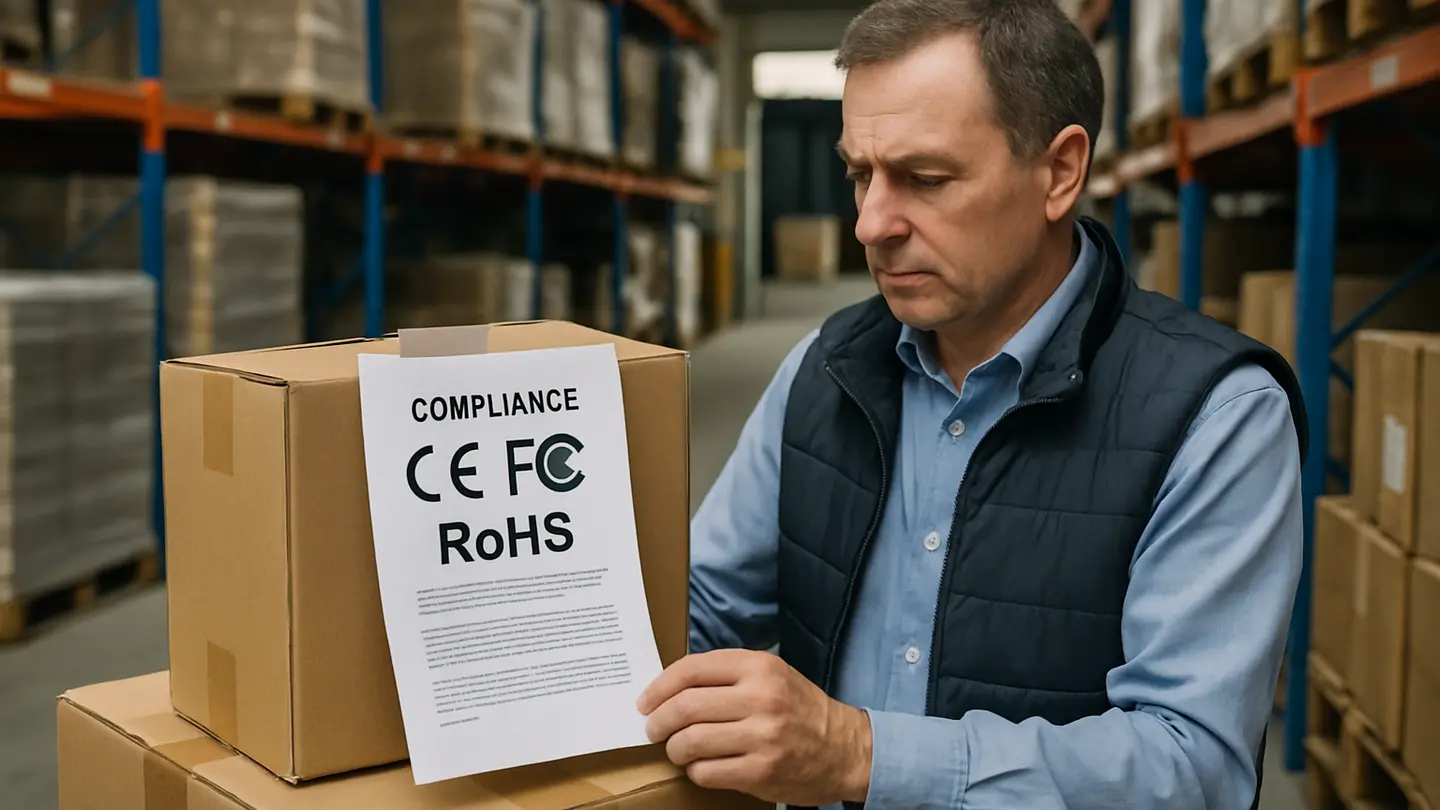
Importing shower enclosures, faucets, panels, trays, drains, valves, and bathroom hardware is not just a product-price negotiation. The Incoterm in your purchase order affects pickup, export clearance, freight, insurance, duties, port charges, risk, and final delivery.
For professional buyers, Incoterms for shower sourcing are a margin-control tool. Contracts should reference Incoterms 2020. There is no official “Incoterms 2026” rulebook as of the current research date.
Understand the 11 Incoterms Rules Before Choosing a Shower Manufacturer Quote
Incoterms are standardized trade rules published by the International Chamber of Commerce. They do not set product quality standards, payment terms, ownership transfer, or tax treatment. They define delivery responsibilities: who arranges transport, pays logistics costs, handles export or import clearance, and where physical risk transfers.
The 11 Incoterms 2020 rules are divided into two groups.
Rules for any mode of transport:
- EXW — Ex Works
- FCA — Free Carrier
- CPT — Carriage Paid To
- CIP — Carriage and Insurance Paid To
- DAP — Delivered at Place
- DPU — Delivered at Place Unloaded
- DDP — Delivered Duty Paid
Rules only for sea and inland waterway transport:
- FAS — Free Alongside Ship
- FOB — Free on Board
- CFR — Cost and Freight
- CIF — Cost, Insurance and Freight
This distinction matters. If you ship cartridges by courier, air freight samples, or combine truck, rail, and ocean transport, sea-only terms such as FOB or CIF may not match the actual handoff point.
EXW places the lightest burden on the shower manufacturer and the heaviest logistics burden on the buyer. DDP places the broadest delivery obligation on the seller. FCA, FOB, CIF, DAP, and CIP allocate cost and risk differently between those extremes.
What Each Incoterm Means for Cost, Risk, and Delivery Responsibility
| Incoterm | Practical meaning for the buyer |
|---|---|
| EXW | The manufacturer makes goods available at its premises. The buyer handles pickup, loading coordination, export clearance, freight, import clearance, duties, and delivery. Risk transfers very early. |
| FCA | The seller delivers goods to a named carrier or place and handles export clearance. Often cleaner than EXW for international buyers. |
| CPT | The seller pays carriage to a named destination, but risk transfers once goods are handed to the first carrier. |
| CIP | Similar to CPT, but the seller must also provide cargo insurance. Useful when insurance requirements need to be formalized. |
| DAP | The seller delivers goods to a named place, not unloaded, while the buyer handles import clearance and duties. |
| DPU | The seller delivers and unloads at the named place. It is the only Incoterm requiring the seller to unload. |
| DDP | The seller handles delivery to the named destination, including import clearance and duty payment. Convenient, but requires careful compliance review. |
| FAS | The seller delivers goods alongside the vessel at the named port. Buyer handles loading and main carriage. |
| FOB | The seller handles origin export work and risk transfers after goods are loaded onto the vessel. Common for ocean freight. |
| CFR | The seller pays ocean freight to the destination port, but risk transfers when goods are loaded at origin. |
| CIF | The seller pays ocean freight and basic insurance, but risk still transfers when goods are loaded at the origin port. |
A frequent mistake is assuming that the party paying freight also bears transit risk. Under CIF, the seller pays for ocean freight and insurance, but risk transfers once the shower goods are loaded onto the vessel.
Compare the Common Shower Import Terms: EXW, FOB, CIF, DAP, and DDP
In shower manufacturer negotiations, most buyers discuss EXW, FOB, CIF, DAP, or DDP.
EXW often gives the lowest-looking quote because the manufacturer has minimal logistics responsibility. The buyer must manage pickup, export clearance, freight, import clearance, and delivery.
FOB is often preferred for full-container ocean shipments from one shower manufacturer. The seller handles origin export clearance and loading on board the vessel. The buyer controls main freight, forwarder selection, import clearance, and final delivery.
CIF appears convenient because the seller pays ocean freight and insurance to the destination port. Buyers still need to check destination charges, insurance scope, import clearance, duties, and inland delivery.
DAP works when the buyer wants delivery to a warehouse, showroom, 3PL, or project site, while still handling import clearance and taxes. It simplifies coordination but can reduce freight-cost visibility.
DDP provides the most convenience because the seller handles delivery, import clearance, and duty payment to the named place. However, DDP can include supplier premiums, unclear importer arrangements, and limited customs visibility. Use it carefully for regulated products or marketplace-bound inventory.
Prepare the Sourcing and Logistics Details Before Signing the Purchase Order
Before accepting a shower manufacturer’s quote, prepare a sourcing and logistics file so the Incoterm becomes a working delivery plan.
At minimum, collect:
- Product description, HS code assumptions, and commercial value
- Order volume, weight, carton count, pallet plan, and packaging dimensions
- Cargo type: shower doors, glass panels, faucets, valves, trays, accessories, or mixed SKUs
- Shipment mode: courier, air, LCL, FCL, rail, truck, or multimodal
- Origin address, origin port, destination port, warehouse, 3PL, or final delivery address
- Candidate Incoterms and named places
- Payment terms and payment release milestones
- Draft commercial invoice, packing list, and sales contract
- Freight quotes under buyer-controlled and supplier-controlled options
- Duty, tax, broker fee, and port charge assumptions
- Insurance, certification, labeling, and compliance requirements
Also confirm who can instruct the customs broker, who will be importer of record where applicable, and which documents must be issued before shipment. Incoterms do not replace legal ownership clauses, tax advice, product compliance obligations, or payment terms.
Step 1: Use Incoterms 2020 as the Contract Baseline
Your purchase order should not simply say “FOB China” or “DDP USA.” Reference the rule version and exact named place.
Better formats include:
- FOB Ningbo Port, China, Incoterms 2020
- FCA [manufacturer’s full factory address], Incoterms 2020
- DAP [buyer’s warehouse address], Incoterms 2020
- DDP [specific delivery facility], Incoterms 2020
Precision matters because the named place determines where cost and risk obligations change hands. Vague wording can trigger disputes over trucking, terminal handling, unloading, customs responsibility, or storage.
Use any-mode rules for courier, air, truck, rail, or multimodal routes. Reserve FOB, FAS, CFR, and CIF for sea or inland waterway transport. If shower accessories are shipped by air, FOB is not the correct technical choice, even if some suppliers use it informally.
The contract should state where physical risk transfers from the shower manufacturer to the buyer. If that point is unclear, insurance claims and damage disputes become harder to manage.
Step 2: Define the Cargo Profile for Shower Products
The best Incoterm depends on the cargo.
A courier shipment of faucet cartridges does not need the same structure as a full container of tempered glass shower enclosures. Shower products can be heavy, fragile, bulky, or mixed by SKU. Glass panels and shower doors require stronger packaging, careful loading, and attention to insurance. Faucets, hoses, valves, drains, and bathroom hardware may be easier to consolidate but still need accurate carton and weight data.
Common scenarios include:
- LCL shower accessory shipments: FCA can work well when several suppliers deliver to a forwarder’s warehouse for consolidation.
- FCL shower enclosure orders: FOB is often practical when one manufacturer loads a container and delivers it through an origin port.
- Multi-supplier consolidation: FCA is often cleaner than EXW because each supplier handles export formalities before goods enter the consolidation flow.
- Sample or small courier orders: Supplier-arranged shipping can be acceptable if costs and documents are clear.
Destination requirements also matter. A distribution center, 3PL, or marketplace facility may need appointment scheduling, carton labels, receiving documents, pallet standards, or routing instructions.
Experienced ocean freight teams often prefer buyer-controlled shipping because it gives them routing control, forwarder quote comparisons, and better visibility into destination charges.
Step 3: Compare Quotes by True Landed Cost, Not Unit Price
The cheapest shower manufacturer quote is not always the cheapest landed cost.
Costs do not disappear when you change Incoterms; they move between buyer and seller. A low EXW price may become expensive after pickup, export handling, freight, import clearance, duties, port charges, and delivery. A DDP quote may include a supplier premium for freight volatility, customs uncertainty, and administrative risk.
Build a landed cost comparison that includes:
- Product unit price
- Export packing and palletization
- Inland pickup or origin trucking
- Origin terminal and documentation charges
- Ocean, air, rail, truck, or courier freight
- Cargo insurance
- Destination port or terminal charges
- Customs broker fees
- Import duties, taxes, and other government charges
- Storage, demurrage, detention, or waiting time risks
- Final-mile delivery
- 3PL, warehouse, or marketplace receiving costs
Compare DDP against FOB or FCA plus your own freight quote. If the DDP premium is modest and documentation is reliable, it may be worth the convenience. If the premium is high or the importer arrangement is unclear, buyer-controlled freight may protect your margin better.
Step 4: Identify Where Risk Transfers and Who Bears Liability
Risk transfer, title transfer, and payment release are separate concepts. Incoterms define when risk of loss or damage shifts from seller to buyer, but they do not automatically decide when ownership transfers or when payment must be released.
This matters for shower products because damage may occur during loading, ocean transit, unloading, or inland delivery. A container of shower doors can be seller-paid freight under CIF, but the buyer may still bear the risk after loading onto the vessel at origin.
Only CIF and CIP require the seller to provide cargo insurance under Incoterms rules. Even then, buyers should check the coverage level, exclusions, insured value, claim process, and suitability for fragile bathroom products.
Document these responsibilities in writing:
- Who books transport?
- Who pays freight?
- Who buys insurance?
- Who loads the goods?
- Who clears export customs?
- Who clears import customs?
- Who pays duties and taxes?
- Who bears risk during each transport stage?
- What documents prove delivery or shipment?
Put the handoff point and liability structure in the purchase order and commercial documents instead of relying on verbal explanations.
Step 5: Connect the Incoterm to Payment Milestones and Shipping Documents
Incoterms do not create payment terms, but they affect the documents needed to support payment.
Under FOB, a buyer may release a balance payment after receiving a clean bill of lading showing the goods were loaded on board. Under FCA, payment may be linked to forwarder receipt or carrier handover. Under DAP or DDP, payment may be tied to delivery confirmation at the named destination.
Common documents include:
- Commercial invoice
- Packing list
- Sales contract or purchase order
- Bill of lading, sea waybill, or air waybill
- Forwarder cargo receipt where applicable
- Insurance certificate for CIF, CIP, or buyer-required coverage
- Export customs documents
- Import customs documents
- Certificates of origin where required
- Product test reports, certification files, labeling records, or compliance declarations depending on market requirements
For shower products, compliance documents may relate to plumbing standards, material declarations, water-contact components, safety glass, packaging labels, or other market-specific requirements. The exact requirement depends on the destination country and product type.
For marketplace-bound shipments, including fulfillment-center delivery, buyers need a valid importer arrangement and accurate customs documentation before shipment. A convenient freight term does not fix incorrect invoices or missing compliance files.
Step 6: Build an Incoterms Decision Matrix for Shower Imports
A simple decision matrix helps procurement, logistics, finance, compliance, and customs brokers make consistent decisions.
| Sourcing situation | Often suitable Incoterm | Why it may fit | Main caution |
|---|---|---|---|
| Multi-factory LCL consolidation | FCA | Seller handles export clearance and delivers to a named carrier or consolidation point | Named place must be exact |
| Single-supplier FCL ocean shipment | FOB | Clear vessel-loading handoff and buyer controls main freight | Sea transport only |
| High-value or fragile shower cargo | CIP | Seller-paid carriage plus required insurance | Check insurance scope carefully |
| Buyer wants warehouse delivery but handles import | DAP | Seller manages transport to named destination | Buyer still handles import clearance and duties |
| Convenience-first shipment | DDP | Seller manages delivery, import clearance, and duties | Verify importer responsibility and hidden premiums |
| Small samples or courier parcels | FCA, CPT, DAP, or supplier-arranged terms | Practical and simple for low-volume orders | Avoid vague “FOB” wording for non-sea transport |
The goal is not to choose one term forever. Match the term to shipment mode, order size, internal capability, and risk exposure.
Common Incoterms Mistakes That Increase Shower Import Costs
Most hidden costs come from predictable mistakes: accepting the lowest-looking quote, ignoring destination charges, using vague named places, assuming insurance is adequate, or treating DDP as a complete compliance solution.
Mistake: Accepting EXW and Discovering the Real Pickup and Export Costs Later
EXW can make a factory quote look attractive because the shower manufacturer’s responsibility is minimal. The buyer may then need to arrange local pickup, loading coordination, export documentation, origin customs clearance, and delivery to the port or forwarder.
International buyers without local export capability can face trucking delays, port storage, documentation errors, and customs problems. If the manufacturer is better positioned to handle export paperwork, FCA is often cleaner. Do not accept EXW only because it has the lowest unit price.
Mistake: Choosing CIF Without Checking Destination Charges
CIF includes seller-paid freight and basic insurance to the destination port, but it does not mean “delivered to your warehouse.” Buyers may still face destination terminal charges, handling fees, customs brokerage, duties, taxes, storage, and inland delivery.
Before confirming a CIF order, request a full destination-charge breakdown and compare it with FOB plus your own freight forwarder quote. If CIF reduces visibility into total landed cost, the apparent saving may disappear after arrival.
Mistake: Assuming DDP Solves Marketplace or FBA Customs Requirements
DDP does not remove the need for correct importer documentation. For Amazon FBA shipments, Amazon should not be named as the Importer of Record. Buyers need a valid importer arrangement and, where applicable, a customs broker and Power of Attorney before shipment.
Incorrect invoices, wrong declared values, missing product descriptions, or unclear importer details can cause customs holds, delivery delays, or shipment rejection. DDP can simplify transport coordination, but it does not remove all practical compliance responsibility.
Mistake: Writing Vague Named Places in the Contract
“FOB China,” “DAP warehouse,” or “DDP USA” is not precise enough. Vague locations create disputes over who pays trucking, terminal handling, unloading, waiting time, customs costs, and storage.
Name the exact port, terminal, factory, warehouse, fulfillment center, or delivery address. Audit the proforma invoice, purchase order, and commercial invoice before shipment to make sure the Incoterm and named place match. If risk is material, involve your forwarder, customs broker, finance team, logistics manager, or legal counsel before goods leave the factory.
FAQ
Which Incoterm is best for international buyers?
For experienced buyers using ocean freight, FOB is often a strong option. It keeps the shower manufacturer responsible for origin export handling and loading onto the vessel, while the buyer controls main freight, forwarder selection, import clearance, and destination delivery.
Risk transfers after the goods are loaded onto the vessel at the origin port. However, FOB is only for sea or inland waterway transport. It is not suitable for air, courier, rail, or multimodal shipments.
What is the exact difference between FOB and DDP?
Under FOB, the seller delivers the goods loaded onto the vessel at the origin port. After that, the buyer manages main freight, import clearance, duties, taxes, destination charges, and final delivery.
Under DDP, the seller arranges delivery to the named destination and handles import clearance and duty payment. This can simplify purchasing, but it may include hidden freight premiums, reduced customs visibility, or unclear importer arrangements.
Does the buyer or seller pay customs under EXW?
Under EXW, the buyer generally bears responsibility for both export and import clearance. That can be difficult for international buyers without local export capability in the supplier’s country.
If you want the shower manufacturer to handle export formalities, FCA is often more practical. Always confirm the exact responsibility with your customs broker and check the official Incoterms 2020 rules before signing.
Conclusion: Make Incoterms Part of Every Shower Manufacturer Negotiation
Do not accept the supplier’s preferred Incoterm without analysis. The term affects landed cost, customs exposure, shipping visibility, insurance position, and liability if goods are damaged in transit.
Build a repeatable Incoterms decision matrix for every shower sourcing project. Match the rule to shipment mode, cargo profile, internal logistics capability, and risk tolerance. Negotiate Incoterms alongside unit price, lead time, payment terms, packaging, inspection requirements, and compliance documents.
Clear Incoterms choices help protect margins, reduce border-delay risk, and make each party’s responsibility easier to enforce.