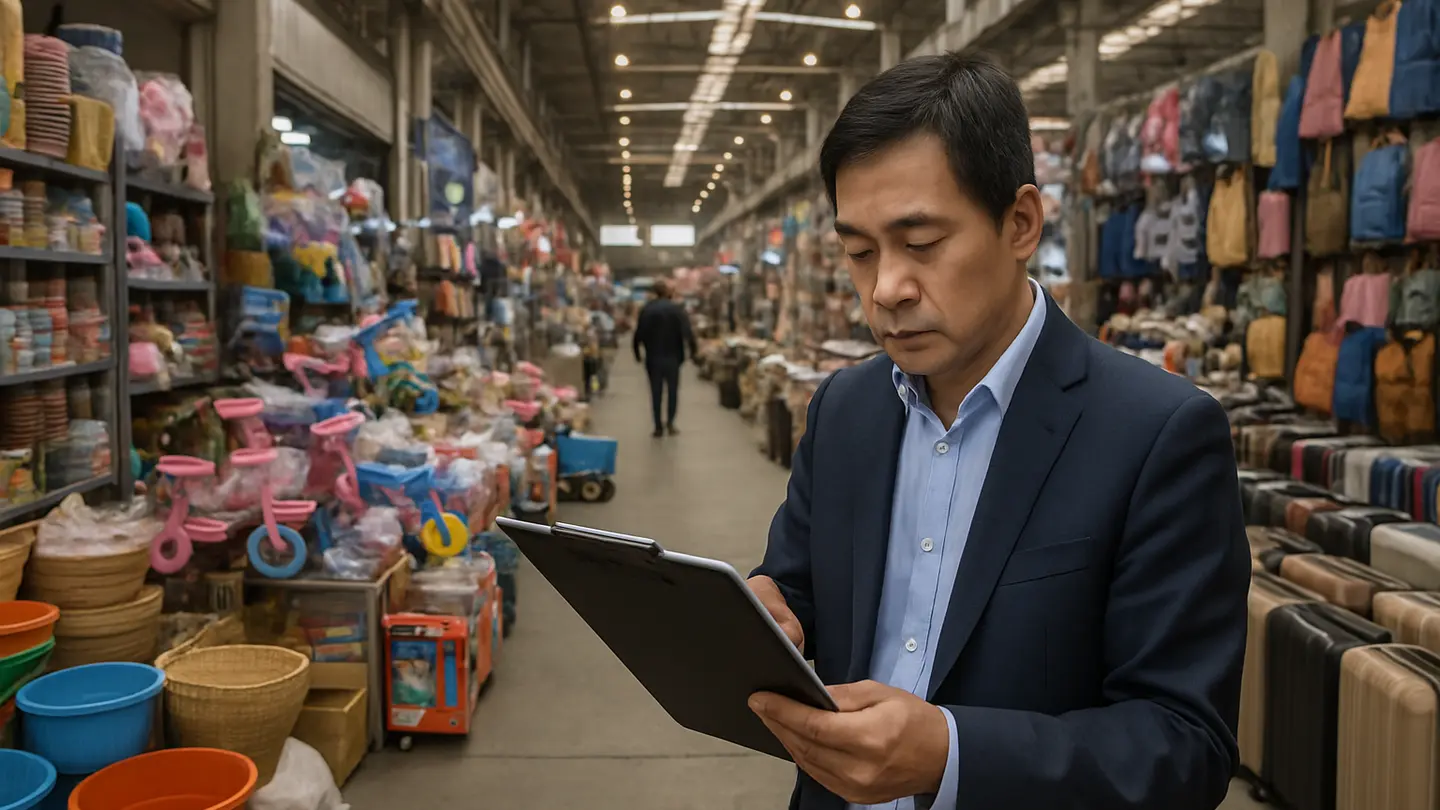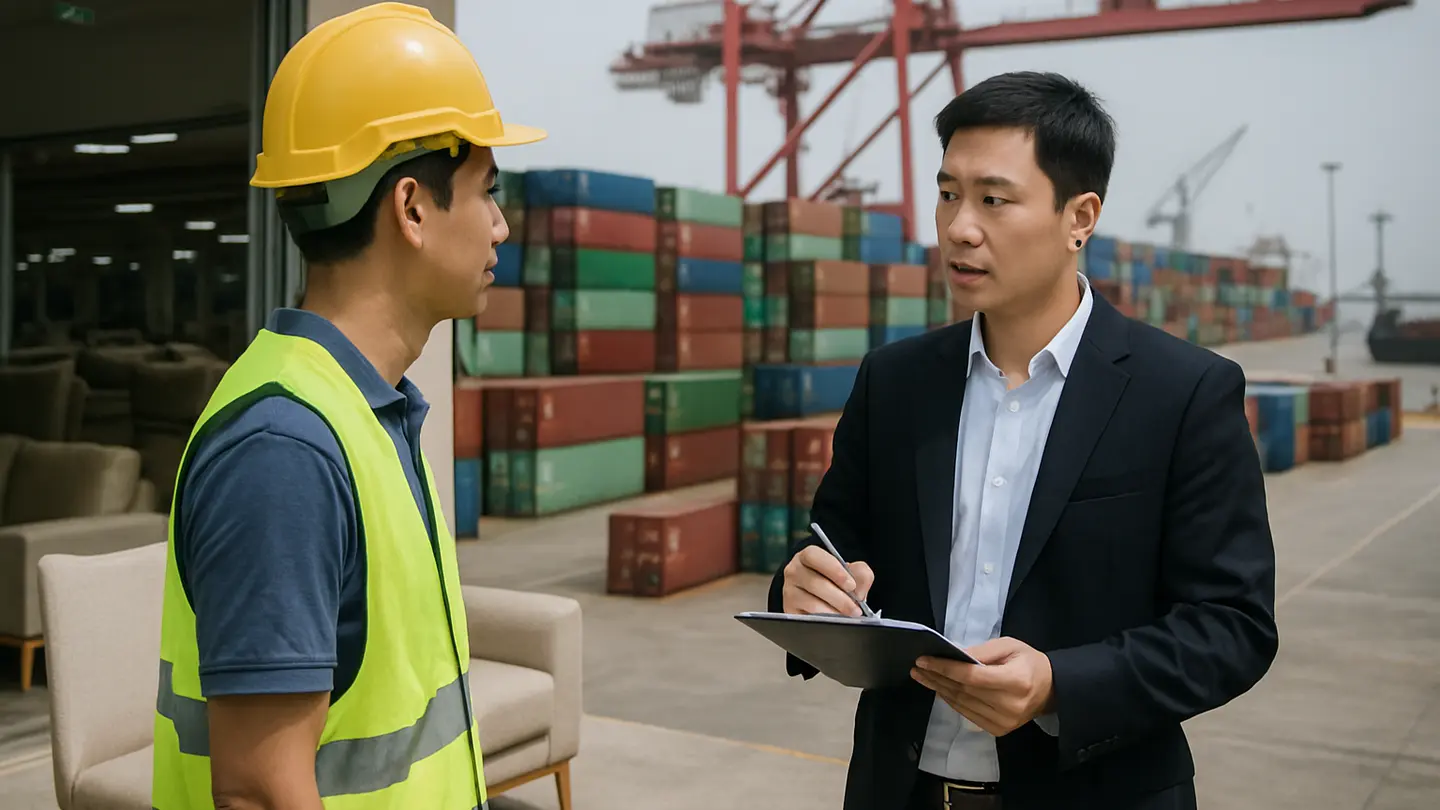
Guangdong is one of China’s most important export manufacturing provinces. Its cities, districts, and towns specialize in electronics, garments, furniture, lighting, toys, ceramics, stainless-steel goods, leather products, and many other categories.
For importers, cluster knowledge helps identify where to search, how to compare quotations, and when a supplier’s location deserves extra verification. Suppliers inside a known cluster often have better access to nearby materials, tooling workshops, subcontractors, packaging vendors, and skilled workers, which can improve speed, customization, and cost control. It does not replace supplier screening.
This guide covers practical sourcing areas in Guangdong, including Guangzhou, Foshan, Shenzhen, Dongguan, Zhongshan, Shantou, and Jieyang, with notes on export logistics through Guangzhou, Shenzhen, and Hong Kong ports.
A Brief Profile of Guangdong Province
Guangdong is a coastal province in southern mainland China. It sits at the center of the Pearl River Delta manufacturing region and is closely connected with Hong Kong and Macao. It also has strong regional links with Fujian, Jiangxi, Hunan, Guangxi, and Hainan for labor, materials, domestic distribution, and export logistics.
The province has a broad industrial base. Major categories include apparel, leather goods, consumer electronics, toys, household appliances, machinery, building materials, packaging materials, stainless-steel products, furniture, lighting, ceramics, and hardware. This makes Guangdong attractive for importers who need multi-category sourcing or shipment consolidation.
Guangdong also has high-tech sectors such as information technology, biotechnology, optoelectronics, and new materials. Shenzhen is especially known for electronics and technology supply chains, while other cities focus on furniture, lighting, garments, toys, and household goods.
For sourcing teams, Guangdong’s main advantage is the combination of industrial density and logistics infrastructure. The challenge is a crowded supplier landscape, so buyers need structured screening, factory verification, sampling, and quality control.
Main Guangdong Export Ports for International Shipping
Guangdong exporters commonly use Guangzhou Port, Shenzhen Port, and Hong Kong Port. The best option depends on supplier location, cargo type, container availability, route, carrier schedule, and freight-forwarder advice.
Factories in Foshan or western Guangzhou may quote from Guangzhou or Nansha. Shenzhen or Dongguan electronics suppliers may prefer Yantian, Shekou, or Chiwan. Some shipments may still move through Hong Kong when transshipment needs, carrier options, or special cargo handling make it practical.
Do not assume the nearest port is best. Ask suppliers and freight forwarders to compare sailing schedules, trucking cost, documentation requirements, cut-off times, and total transit time.
Guangzhou Port and Nansha’s Role in Export Logistics
Guangzhou Port is a major foreign-trade port in South China and is widely used by exporters in Guangzhou, Foshan, Zhongshan, and nearby areas. Nansha Port is part of Guangzhou Port and has expanded Guangzhou’s containerized export capacity.
Nansha’s route coverage includes Europe, Southeast Asia, North America, the Mediterranean, Africa, Japan, and Korea. For buyers consolidating goods from Guangzhou, Foshan, or western Pearl River Delta suppliers, Guangzhou Port can be convenient because of trucking efficiency and supplier familiarity with local export procedures.
When comparing Guangzhou with Shenzhen, decide based on the actual route and shipping date. Some routes are competitive; others may have fewer sailings or longer transit times.
Shenzhen Port for Full-Container Export Routes
Shenzhen Port is strongly positioned for international export routes and is commonly used for full-container shipments. It is especially relevant for suppliers in Shenzhen, Dongguan, Huizhou, and parts of the eastern Pearl River Delta.
Some sourcing references describe Shenzhen shipments as potentially 5–10 days faster than Guangzhou shipments. This may be true on certain routes, but buyers should verify timing by destination, carrier, service type, and seasonal congestion.
Within Shenzhen, Yantian is often associated with Europe and U.S. lanes, while Shekou and Chiwan are often associated with Mediterranean and Asia lanes. Freight forwarders may recommend different terminals depending on vessel schedules and booking space.
Hong Kong Port as a Transshipment Option
Hong Kong Port remains an international transshipment hub with a hinterland overlapping the Pearl River Delta. Although Guangzhou and Shenzhen ports have surpassed Hong Kong in some trade flows, Hong Kong can still be relevant for specific logistics needs.
Certain hazardous cargo may be routed through Hong Kong when mainland ports are unsuitable, but this must be confirmed case by case. Regulations, carrier acceptance, documentation rules, and cargo classification can change. Work with qualified freight forwarders for dangerous goods, batteries, chemicals, or regulated materials.
Hong Kong may also be considered when carrier connections, destination options, or transshipment requirements justify extra handling and trucking cost.
Guangzhou: Provincial Capital and Multi-Category Sourcing Base
Guangzhou is the capital of Guangdong Province and one of South China’s most important commercial and industrial cities. For importers, its value lies in both manufacturing and wholesale-market access.
Buyers use Guangzhou for apparel, accessories, cosmetics, leather goods, watches, household goods, automotive accessories, jewelry, advertising equipment, and exhibition products. It is also convenient for visiting suppliers in nearby Foshan, Dongguan, Zhongshan, and Shenzhen during one sourcing trip.
Because Guangzhou has many wholesalers, trading companies, and factory showrooms, buyers should distinguish between market vendors, exporters, and actual manufacturers. Use factory audits, business-license checks, production photos, sample reviews, and site visits when direct manufacturing control matters.
Baiyun District: Apparel, Bags, Cosmetics, Watches, and Display Equipment
Baiyun District is associated with apparel, accessories, jewelry, bags, suitcases, and cosmetics. It is a key Guangzhou sourcing area for fashion-related and consumer lifestyle products.
Watch and clock wholesale markets are located near Guangzhou Railway Station, with Nanfang Clock and Watch Market often cited as a major example. Buyers should be careful with branding, intellectual property, and export compliance, especially where designs resemble protected brands.
Baiyun is also known for advertising and exhibition equipment, including LED signage and display-related products. Confirm electrical standards, plug types, safety certifications, brightness specifications, waterproof ratings where relevant, and export packaging.
Yuexiu District: Household Goods and Automotive Accessories
Yuexiu District is a sourcing area for daily-use household goods such as cushions, wall clocks, small decorative items, and other practical household articles.
Automotive lighting and car accessories are also available. For these products, check compatibility, local-market regulations, warranty terms, installation instructions, labeling, and product-testing requirements.
Yuexiu is useful for comparing styles quickly, but wholesale-market sourcing should be followed by supplier verification before larger orders.
Panyu District: Amusement Equipment, Jewelry, and Hair Accessories
Panyu District is associated with playground and amusement facilities, including karts and video-game equipment. Buyers should review safety standards, load ratings, electrical systems, spare-parts availability, installation support, and after-sales responsibility.
Panyu is also linked with jewelry and hair accessories. Confirm material composition, plating quality, nickel or lead restrictions where applicable, colorfastness, and packaging requirements. For jewelry orders, approved samples and written quality standards are essential.
Huadu District: Leather Goods, Luggage Inputs, and Synthetic Fabrics
Huadu District is known for leather products, and Shiling town is a major leather-market area. Buyers can find leather materials, accessories, finished goods, bags, and suitcase inputs.
Because “leather” can describe many grades and finishes, define materials precisely: genuine leather, split leather, PU, PVC, microfiber, or mixed-material construction. Testing may include color rub resistance, tensile strength, abrasion resistance, and chemical restrictions.
Huadu also produces chemical fabrics such as polyester and nylon fabrics for bags, cases, apparel, and outdoor products. Confirm fabric weight, coating, waterproofing, color consistency, and shrinkage performance before mass production.
Zengcheng District: Denim and Jeanswear Suppliers
Zengcheng District is a well-known cluster for jeanswear suppliers, including denim apparel for men, women, and children. It is suitable for sourcing jeans, jackets, skirts, shorts, and casualwear programs.
For denim sourcing, specify fabric weight, stretch content, wash effect, shrinkage, colorfastness, stitching quality, rivet strength, zipper quality, and size grading. Confirm whether the supplier controls washing in-house or uses outside laundries, since wash consistency is a major quality risk.
Shenzhen: Guangdong’s Electronics and Technology Sourcing Hub
Shenzhen is a major Guangdong city near Hong Kong and is best known for electronics. Its supply chain ranges from advanced technology products and components to consumer electronics and accessories.
The city’s advantage is its dense ecosystem of component suppliers, engineering talent, prototype services, assembly factories, packaging providers, and freight-forwarding support. It is attractive for mobile accessories, communications products, LED items, power supplies, digital devices, electronic components, and related services.
Shenzhen also has non-electronics categories, including packaging materials, women’s clothing, and jewelry. Buyers will encounter factories, traders, distributors, and service providers. Technical products require careful verification of engineering capability, compliance documents, firmware or software ownership, and quality-control systems.
Luohu District: Jewelry, Clothing, and Freight-Forwarding Services
Luohu District is associated with jewelry and clothing suppliers, including silver jewelry and women’s clothing. Jewelry buyers should confirm silver purity, plating thickness, stone quality, anti-tarnish treatment, and destination-market labeling requirements.
Luohu also has many freight forwarders, which can help with samples, small shipments, consolidated cargo, and export documentation. Compare quotations carefully, since low freight quotes may exclude origin charges, documentation fees, customs-related costs, or destination charges.
Futian District: Mobile Components, Communications Products, and Coatings
Futian District is a sourcing area for mobile-phone spare parts, communications products, and digital accessories. Products include USB hubs, memory cards, card readers, power adapters, integrated circuits, and interphones.
For electronics and components, check whether the supplier is a manufacturer, distributor, repair-market vendor, or trading company. This affects warranty handling, traceability, authenticity, and supply stability. For power adapters and communications devices, confirm certifications, labeling, safety standards, and radio-frequency regulations.
Futian is also linked with coatings and paints for industrial and household use. These require attention to chemical composition, safety data sheets, packaging rules, shelf life, and import regulations.
Baoan District: Electronics, LED Products, Power Supplies, and Production Equipment
Baoan District is associated with phone parts, digital products, LED products, and power sources. Examples include USB drives, MP3/MP4 players, digital cameras, voltage stabilizers, and variable-frequency power sources.
Baoan also has suppliers of electronics manufacturing equipment, such as welders, dispensers, and chip mounters. Buyers should evaluate technical support, spare-parts supply, training, installation requirements, and warranty terms.
For LED and power-related products, confirm electrical safety, thermal management, lumen performance, driver quality, aging tests, and packaging strength. Small component differences can strongly affect product life and complaint rates.
Nanshan District: Apparel, Daily-Use Products, and Business Support Services
Nanshan District is less electronics-focused than some other Shenzhen districts, though it benefits from Shenzhen’s broader commercial environment. Product categories include women’s clothing and daily-use articles.
Nanshan is also associated with service agencies supporting company registration, documentation, certification, customs inspection, and clearance. Foreign buyers should verify the qualifications and scope of any service provider before relying on them for regulatory or customs-related matters.
Dongguan: Electronics, Plastics, Apparel, and Mold Manufacturing
Dongguan is an important Pearl River Delta industrial city known for export manufacturing. It has strong clusters in electronics and communications equipment, supported by nearby Shenzhen’s technology ecosystem and Guangdong’s broader supplier base.
Dongguan is also important for plastic materials. Zhangmutou, Changping, and Huangjiang are associated with plastic-material clusters, making the city relevant for plastic components, injection-molded products, packaging parts, and related materials.
Humen is known for women’s apparel, while Chang’an is associated with mold manufacturing. This makes Dongguan practical for plastic products, electronic housings, consumer goods, and private-label items requiring tooling. For molds, clarify ownership, maintenance responsibility, steel grade, cavity number, expected mold life, and whether the mold can be transferred if the supplier relationship ends.
Zhongshan: Specialized Manufacturing Towns for Lighting, Furniture, Appliances, and Hardware
Zhongshan’s industrial economy is organized around specialized manufacturing towns, each with clear product identities.
Guzhen is strongly associated with LED and indoor lighting. Buyers can find decorative lighting, commercial lighting, residential fixtures, LED components, and accessories. Confirm certification requirements, driver quality, material thickness, surface finish, heat dissipation, lumen output, color temperature, and packaging for fragile components.
Dachong and Shaxi are associated with mahogany furniture. Buyers should verify wood species, moisture content, construction method, finish quality, fumigation requirements, and export documentation. Sample approval is important because photos often fail to show joinery, weight, finish consistency, and structural stability.
Dongfeng is known for household appliances, while Xiaolan produces locks, hardware, and acoustic products. For appliances, compliance and safety testing are critical. For locks and hardware, specify material grade, plating, cycle testing, corrosion resistance, and packaging.
Foshan: Furniture, Ceramics, Appliances, Garments, and Materials
Foshan is a major Pearl River Delta manufacturing base, with industries including children’s garments, household appliances, furniture, ceramics, stainless steel, electronics, and communications products.
Chancheng is associated with children’s clothing. Importers should apply strict controls for fabric safety, small parts, drawstrings, flammability, labeling, and size consistency, since children’s products often face tighter destination-market regulations.
Shunde is known for furniture and small appliances. Furniture buyers can compare many styles, materials, and price levels, while appliance buyers should focus on safety certifications, motor or heating-element quality, warranty rates, and component sourcing. For private-label appliances, confirm tooling costs, minimum order quantities, packaging artwork responsibilities, and testing timelines.
Shiwan is a major ceramics manufacturing area for tiles, sanitary ceramics, decorative ceramics, and related building materials. Review water absorption, glaze quality, color variation, dimensional tolerance, breakage rates, and export packing. Ceramics are freight-sensitive, so packaging and container loading plans matter.
Shantou and Chenghai: Toys, Knitwear, Loungewear, Plastics, and Printing Equipment
Shantou manufactures sweaters, knitted underwear, toys, loungewear, plastics, and printing equipment. It is especially known internationally through Chenghai, a major toy cluster with both trading companies and factories.
Chenghai toy categories include remote-controlled toys, stuffed toys, educational toys, plastic toys, and novelty items. The area is useful for variety and fast comparison, but toy sourcing requires strong compliance discipline. Confirm age grading, choking-hazard controls, battery safety, chemical restrictions, labeling, test reports, and packaging claims before bulk orders.
Because Chenghai includes many traders as well as factories, verify supplier type. Traders may help consolidate many toy SKUs, while factories may be better for customization, stable production, and direct quality control.
Chaonan and Chaoyang districts are clusters for knitted underwear and loungewear. Buyers should check fabric composition, stretch recovery, stitching, colorfastness, shrinkage, and size charts. For underwear and sleepwear, comfort and consistency are as important as unit price.
Jieyang: Stainless-Steel Goods, Hardware, Cookware, and Locks
Jieyang is a sourcing area for stainless-steel and hardware products, with factory concentrations in Rongcheng, Dongshan, and Jiedong. Major products include kitchen fittings, cookware, tableware, and locks.
For stainless-steel goods, material grade is central to quality and pricing. Specify whether grades such as 201, 304, or other stainless-steel types are required, depending on product use and market expectations. Thickness, polishing quality, welding, handle strength, edge finishing, rust resistance, and packaging should be checked through samples and inspections.
Jieyang is sometimes compared with lower-cost alternatives in Chao’an. Lower prices may be attractive, but buyers should assess materials, finishing, factory capability, and consistency directly. A cheaper quote may reflect thinner material, lower-grade stainless steel, lighter packaging, weaker polishing, or reduced inspection controls.
For Guangdong sourcing, match the product to the right cluster, then verify the individual supplier carefully. A strong cluster can improve access to materials, labor, tooling, and logistics, but due diligence remains essential. Use factory audits, approved samples, written specifications, compliance checks, and pre-shipment inspections to build a reliable supply chain.