DHgate Is Legit, but Individual Sellers Create the Risk
DHgate is an established online marketplace where third-party sellers list products for international buyers. It is not generally the manufacturer of the products shown in listings. That distinction matters when evaluating the question, is DHgate legit and safe.
The platform itself can facilitate product discovery, ordering, payment, shipping communication, and dispute processes. However, product quality and transaction outcomes can vary significantly because each seller may have different sourcing methods, inventory control, fulfillment practices, and product knowledge.
A marketplace can be legitimate while some individual listings remain inaccurate, incomplete, or misleading. Common sourcing problems can include:
- Materials that differ from the listing description
- Lower-grade finishes, plastics, metals, or fabrics than expected
- Incorrect dimensions or sizing
- Missing accessories, installation hardware, or replacement parts
- Product photos that show a better version than the item shipped
- Slow or inconsistent shipping updates
- Sellers that cannot support repeat orders at the same quality level
For shower-related products, these risks can be especially important. A shower head may look similar in photos but arrive with different thread sizes, poor plating, thin stainless steel, lower-quality ABS components, weak water-flow performance, or missing mounting accessories. A shower enclosure accessory may also have dimensions that do not match the buyer’s installation requirements.
Assess every store and listing individually. High marketplace ratings can be useful, but they do not necessarily identify the actual factory, confirm material sourcing, or prove that a seller can handle custom production. Buyers planning larger orders, private-label lines, or recurring procurement should conduct deeper supplier verification. Depending on the project, they may also compare suppliers on B2B sourcing platforms such as Made-in-China.com, where factory-oriented supplier research may be more relevant for larger manufacturing programs.
Where Counterfeit Risks Can Appear on DHgate
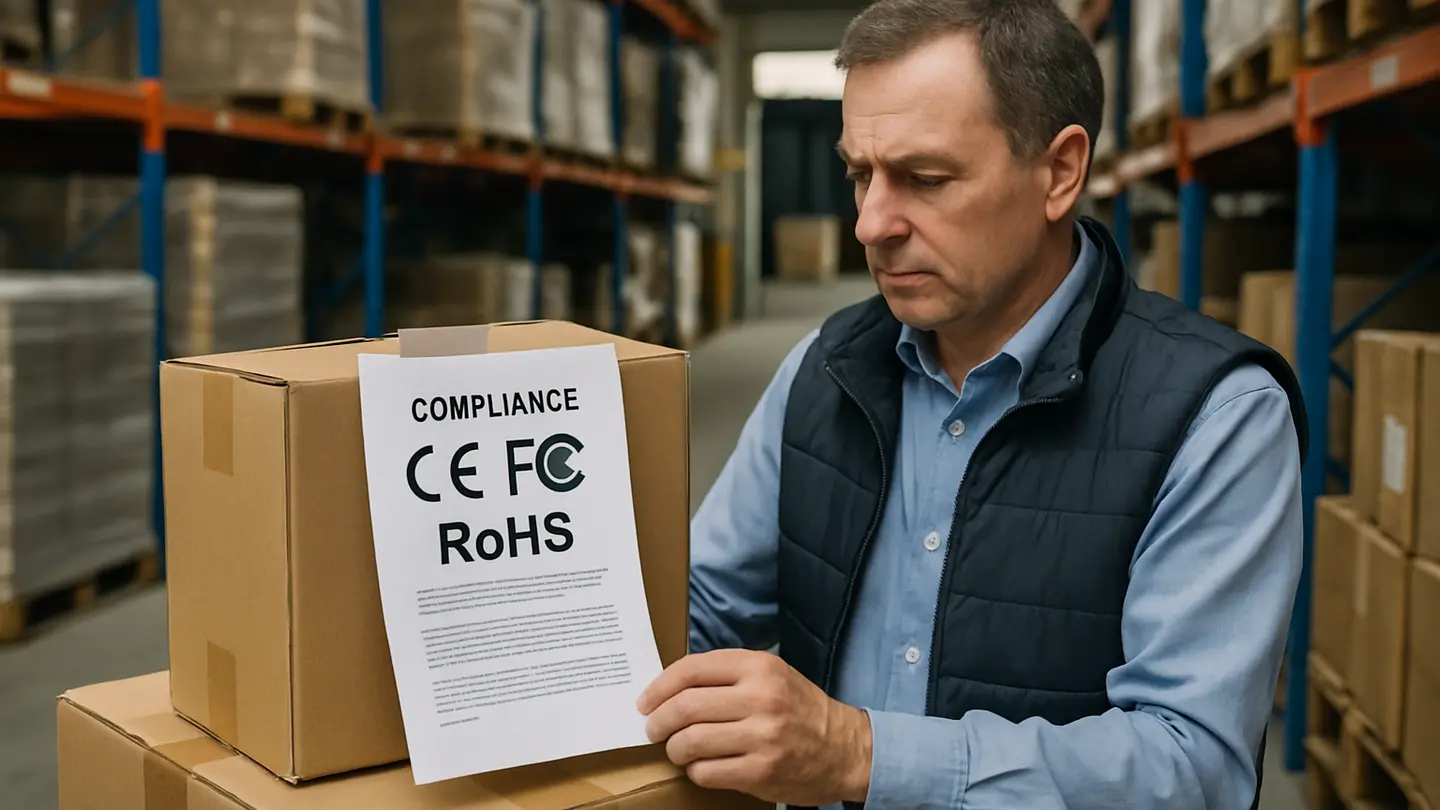
Counterfeit risk is one of the most important concerns when sourcing from any large marketplace. A major warning sign is an unusually cheap offer for a well-known branded product.
If a listing claims to sell a famous shower, bathroom, appliance, fashion, electronics, or accessories brand at a price that appears far below normal market value, buyers should assume there is a meaningful risk that the product is not authentic. The seller may use copied logos, brand-like product images, or vague descriptions that imply a connection to a legitimate brand without proving authorization.
Counterfeit goods create several risks for B2B buyers:
- Quality risk: The delivered product may have poor materials, weak construction, unreliable finishes, or unsafe components.
- Legal risk: Selling infringing goods can expose a reseller to complaints, takedowns, customer claims, or intellectual-property disputes.
- Customs risk: Customs authorities may detain, seize, or destroy goods suspected of infringing trademarks or other intellectual-property rights.
- Reputation risk: Resellers can lose customer trust if products are misrepresented as branded or authentic.
- No reliable warranty support: Counterfeit suppliers are unlikely to provide dependable after-sales support or replacement parts.
For most commercial buyers, unbranded products, legitimately private-label goods, or products with verifiable licensing are safer options than deeply discounted branded offers. If a supplier claims that an item is genuine, ask for clear evidence of authorization rather than relying on product photos or store descriptions alone.
How DHgate Buyer Protection and Disputes Work
Using DHgate’s on-platform payment process can reduce the risk of sending money directly to a seller who does not fulfill an order. The platform’s transaction system creates an order record and provides a channel for buyers to raise problems if the order does not match what was purchased.
Buyer protection is generally most relevant when an order involves issues such as:
- The seller does not ship the order
- The package does not arrive
- Delivery is significantly delayed
- The item arrives damaged
- The buyer receives the wrong item
- The delivered product materially differs from the listing
- Important components are missing
Protection processes are not a substitute for careful purchasing. A dispute is stronger when the buyer can show exactly what was promised and how the delivered item differs.
Before paying, save records of the listing, including product photos, stated materials, dimensions, color choices, included components, delivery promises, and specifications. If a shower set is advertised as including a valve, hose, mounting bracket, hand shower, and installation accessories, retain screenshots showing that complete list. If the product arrives without a component, those records may be important evidence.
Keep the following documentation:
- Screenshots of the original listing
- Order confirmation and payment records
- Messages exchanged through DHgate
- Tracking information and delivery confirmation
- Photos of the package before opening, when practical
- Dated photos or videos of the delivered goods
- Images showing defects, incorrect sizing, damage, or missing parts
- Measurements comparing the delivered item with stated specifications
Keep all communication and payments within DHgate’s systems. A seller who requests payment through a private bank transfer, external payment app, personal email, or messaging platform may be trying to move the transaction outside the platform’s protections.
Buyers should also monitor the protection period displayed in the relevant order. If there is a problem, submit a claim within the applicable period rather than waiting until after the order is automatically completed.
How to Buy More Safely on DHgate
A structured vetting process can reduce risk, particularly when purchasing products for resale, project supply, or customer fulfillment.
Start by reviewing the seller’s store history, transaction volume, and recent buyer feedback. Older feedback can be useful, but recent reviews may better reflect the seller’s current product quality and shipping performance. Look for patterns rather than focusing only on an overall score.
For example, repeated complaints about color inconsistencies, poor packaging, slow dispatch, incorrect fittings, or missing accessories are more meaningful than one isolated negative review. Buyer-uploaded photos can also be valuable because they show what customers actually received rather than the seller’s edited product images.
Before placing an order, verify the details that affect usability and resale value:
| Checkpoint | What to Verify |
|---|---|
| Materials | Confirm whether parts are stainless steel, brass, zinc alloy, ABS, glass, or another material. |
| Dimensions | Check product length, width, height, pipe size, thread type, and mounting measurements. |
| Included components | Confirm whether hoses, valves, brackets, screws, seals, adapters, and manuals are included. |
| Finish and color | Verify the stated finish, such as chrome, matte black, brushed nickel, or another coating. |
| Compatibility | Check whether the product fits the intended plumbing system, wall mount, or installation method. |
| Packaging | Ask how fragile or finished goods will be packed for international transit. |
| Shipping terms | Review shipping method, estimated dispatch time, tracking availability, and delivery expectations. |
For shower products and bathroom hardware, dimensions and connection compatibility should never be assumed from photos. A buyer should confirm the relevant thread, inlet, outlet, hose, or mounting details before ordering. If the seller cannot answer basic product questions clearly, that may indicate that the seller is a reseller with limited technical knowledge rather than a supplier able to support a larger program.
A small trial order is usually safer than beginning with a major inventory purchase. Test the products on arrival before reselling them or committing to larger volumes. Depending on the item, inspection may include:
- Checking surface finish consistency
- Measuring key dimensions
- Confirming all listed accessories are included
- Testing assembly and installation fit
- Inspecting packaging for transit protection
- Checking for leakage, poor joints, sharp edges, loose components, or visible defects where applicable
A successful first order does not guarantee consistent future supply, but it provides more useful evidence than a listing page alone.
DHgate vs. Alibaba: Which Is Safer for Buyers?
Neither DHgate nor Alibaba is universally safer for every buyer. They support different purchasing models, and risk depends on the supplier, product category, order size, payment method, and buyer’s verification process.
DHgate is generally more suitable for smaller, in-stock, retail-style purchases. It can be useful for early test orders, product samples, single-unit purchases, and smaller resale experiments. Listings often resemble retail product pages, and many sellers may be prepared to ship limited quantities.
Alibaba is commonly used for bulk orders, custom products, private-label projects, and longer-term supplier relationships. Buyers sourcing shower systems, bathroom accessories, or other manufactured products at scale may use Alibaba when they need factory discussions, custom finishes, branded packaging, mold changes, or negotiated production terms.
However, bulk sourcing requires more than marketplace reviews. For larger orders, buyers should use written specifications covering materials, dimensions, finishes, tolerances, packaging, labels, and required components. They should also request samples and consider independent quality inspection before shipment.
The same core risks can exist on either platform:
- Suppliers requesting off-platform payment
- Listings that overstate product quality
- Unclear material claims
- Suppliers unable to maintain consistency at higher volumes
- Incorrect goods or incomplete shipments
- Weak documentation when a dispute occurs
The safer platform is therefore the one that matches the purchasing model and allows the buyer to apply suitable controls. For a low-volume test, DHgate may be practical. For a custom shower range or repeat procurement program, a buyer may need a more direct supplier-development process with samples, specifications, and quality checks.
FAQ
Q1: Can I buy just one item on DHgate, or is there a minimum?
Many DHgate listings allow buyers to purchase one unit or a small quantity. Minimum order quantities vary by seller and product listing, so buyers should check the quantity requirements before ordering.
Some sellers offer lower unit prices at higher volumes. A single-item order may therefore cost more per unit than a larger purchase. For B2B buyers, a small initial order can still be worthwhile because it helps verify product quality, packaging, delivery performance, and seller communication before increasing order volume.
Q2: Can I use DHgate to source products for reselling or dropshipping?
DHgate can be used to test products for resale or dropshipping, especially when a buyer wants to assess demand without placing a large inventory order. However, sellers should test both the product and the fulfillment process before relying on a supplier for customer orders.
A reseller’s customer may judge the reseller—not the marketplace seller—if the item arrives late, damaged, incomplete, or different from the listing. Before launching a product, check delivered quality, shipping speed, tracking reliability, packaging, and seller responsiveness. Avoid relying on a supplier solely because a listing appears attractive or inexpensive.
Q3: Can I ask a DHgate seller for my own logo or packaging?
Some DHgate sellers may offer basic logo printing, labels, or customized packaging, usually at higher order quantities. The availability, minimum quantity, artwork requirements, lead times, and added costs can vary.
Customization is less aligned with in-stock, small-order marketplace purchasing. Private-label products generally require detailed specifications and direct coordination with the supplier. Buyers should confirm ownership of artwork, logo placement, packaging materials, product labeling, and approved samples before placing a customized order.
Q4: Is my card and personal information safe on DHgate?
Using official DHgate checkout means the seller does not directly receive the buyer’s card details. Buyers should access the platform through verified official channels and avoid entering payment information through links sent by sellers in external messages.
It is also sensible to enable transaction alerts through the card issuer or payment provider. These alerts can help buyers identify unauthorized activity quickly. If card fraud is suspected, contact the card issuer immediately and follow its procedures for securing the account and disputing unauthorized charges.
Conclusion: Use DHgate Carefully and Verify Every Seller
DHgate can be legitimate for informed buyers, but it is not a guarantee that every seller, listing, or product will meet commercial expectations. The platform provides transaction tools, yet the buyer remains responsible for evaluating the seller, reading listing details, checking specifications, and preserving evidence.
Keep payment and communication on-platform, avoid offers for branded goods that appear implausibly cheap, and use a small test order before making a larger commitment. For products such as showers, fittings, and bathroom hardware, verify materials, measurements, compatibility, finishes, and included components before paying.
Larger, recurring, or customized orders require stronger supplier verification, written specifications, sample approval, and quality-control measures. The more important the order is to your business, the less you should rely on marketplace ratings alone.
About the Author
The author is a B2B sourcing and procurement writer covering supplier evaluation, international purchasing risks, product verification, and practical quality-control considerations for importers, distributors, and online sellers.