For procurement teams asking “is foaming soap better?”, the useful answer is: better for what? Foaming soap and liquid hand soap can both support effective hand hygiene, but they serve different operational priorities.
Liquid hand soap often has the edge when the goal is maximum soil removal and bacterial reduction, especially when users lather thoroughly and scrub for the recommended time. Foaming soap can reduce product consumption, rinse quickly, create less mess, and feel pleasant enough to encourage frequent handwashing.
For B2B buyers, the right choice depends on hygiene requirements, dispenser compatibility, refill economics, water use, maintenance workload, and user experience.
How Foaming Soap Works
Foaming soap is dispensed as a light mass of bubbles rather than as a thick liquid. The foam is not created by the user rubbing soap and water together; it is created inside the dispenser.
A foaming soap dispenser combines a diluted soap formula with air as the pump is pressed or activated. The result is a pre-lathered dose that spreads quickly across the hands and feels more voluminous than the amount of liquid product actually dispensed.
In commercial washrooms, this delivery method can influence consumption, user behavior, and refill schedules. It also means soap format and dispenser format must be planned together.
Key Differences Between Foam and Liquid Hand Soap
Foaming soap is usually more diluted than standard liquid hand soap and is dispensed already aerated. Users receive a ready-made lather that can be spread immediately.
Liquid hand soap is more concentrated and typically thicker. Users add water and create lather through rubbing, which helps lift soil, oils, and microorganisms from the skin.
| Factor | Foaming Soap | Liquid Hand Soap |
|---|---|---|
| Dispensed form | Pre-lathered foam | Thick liquid or gel |
| Typical concentration | More diluted | More concentrated |
| User action | Spreads quickly with less lather-building | Requires water and rubbing to build lather |
| Perceived feel | Light, airy, easy to rinse | Richer, more substantial |
| Common buying appeal | Lower consumption, faster rinsing, user comfort | Stronger cleaning feel, broad formula variety |
Both formats can clean effectively when users wash properly. The difference is not simply “foam versus liquid,” but how formula, dispenser output, user technique, and facility needs work together.
Why Dispenser Design Matters
Dispenser compatibility is one of the first issues B2B buyers should verify. Standard liquid soap pumps are designed to move viscous soap through a pump chamber. Foam soap pumps are designed to aerate a diluted formula before release.
Using the wrong soap in the wrong dispenser can cause poor output, clogging, dripping, or complaints. Regular liquid soap generally needs dilution before it can work in a foaming dispenser, and even then, not every formula foams well. Surfactants, viscosity, fragrance load, and preservatives can all affect foam quality.
For facilities with existing wall-mounted dispensers, a format change may require new dispenser bodies, cartridges, or refill programs. Buyers should confirm whether the current system accepts bulk refill, sealed cartridges, proprietary refills, or universal formats before comparing pricing.
Foam Pump Technology and Product Output
Foam pumps use a specialized mechanism, often with a mesh screen or aerating chamber, to create bubbles. As the pump draws in diluted soap solution, it also pulls in air. The two pass through the internal mechanism and emerge as foam.
Because much of the dispensed volume is air, foam dispensers typically release less liquid soap per pump than standard liquid dispensers. Users see a full-looking portion of foam, even though the actual soap volume is lower.
For high-traffic restrooms, this can reduce refill frequency, janitorial labor, and the risk of empty dispensers during peak periods. However, output depends on dispenser quality, refill compatibility, and whether users take one pump or multiple pumps per wash.
Hand Hygiene Performance
Hand hygiene performance is the most important consideration in any soap specification. In general, liquid soap may perform better in reducing bacteria on hands, particularly when users apply enough product, add water, and scrub thoroughly. Foaming soap can still clean effectively, but outcomes depend heavily on technique and contact time.
Soap format alone does not guarantee hygiene performance. A premium formula can underperform if users wash too quickly, skip fingertips, or fail to rinse properly. A lower-consumption foam program can work well in many settings if users are trained or prompted to wash correctly.
Cleaning Power: Foam Soap Versus Liquid Soap
Liquid soap may reduce bacteria more effectively because it requires users to create lather manually. That process usually involves more rubbing, friction, and attention to coverage. Mechanical friction is central to handwashing: soap helps loosen oils and soil, while rubbing and rinsing carry contaminants away.
Foaming soap arrives pre-lathered, which users may perceive as already “activated.” In some environments, that can lead to shorter scrub times, especially in busy public restrooms.
This does not mean foam soap is unsuitable. Buyers should match format to risk level. For routine office, retail, school, and guest washroom use, foaming soap may provide a good balance of cleanliness, user acceptance, and cost control. For kitchens, industrial areas, maintenance spaces, or locations with visible soil, a richer liquid or specialized cleanser may be more appropriate.
Coverage, Contact Time, and Washing Technique
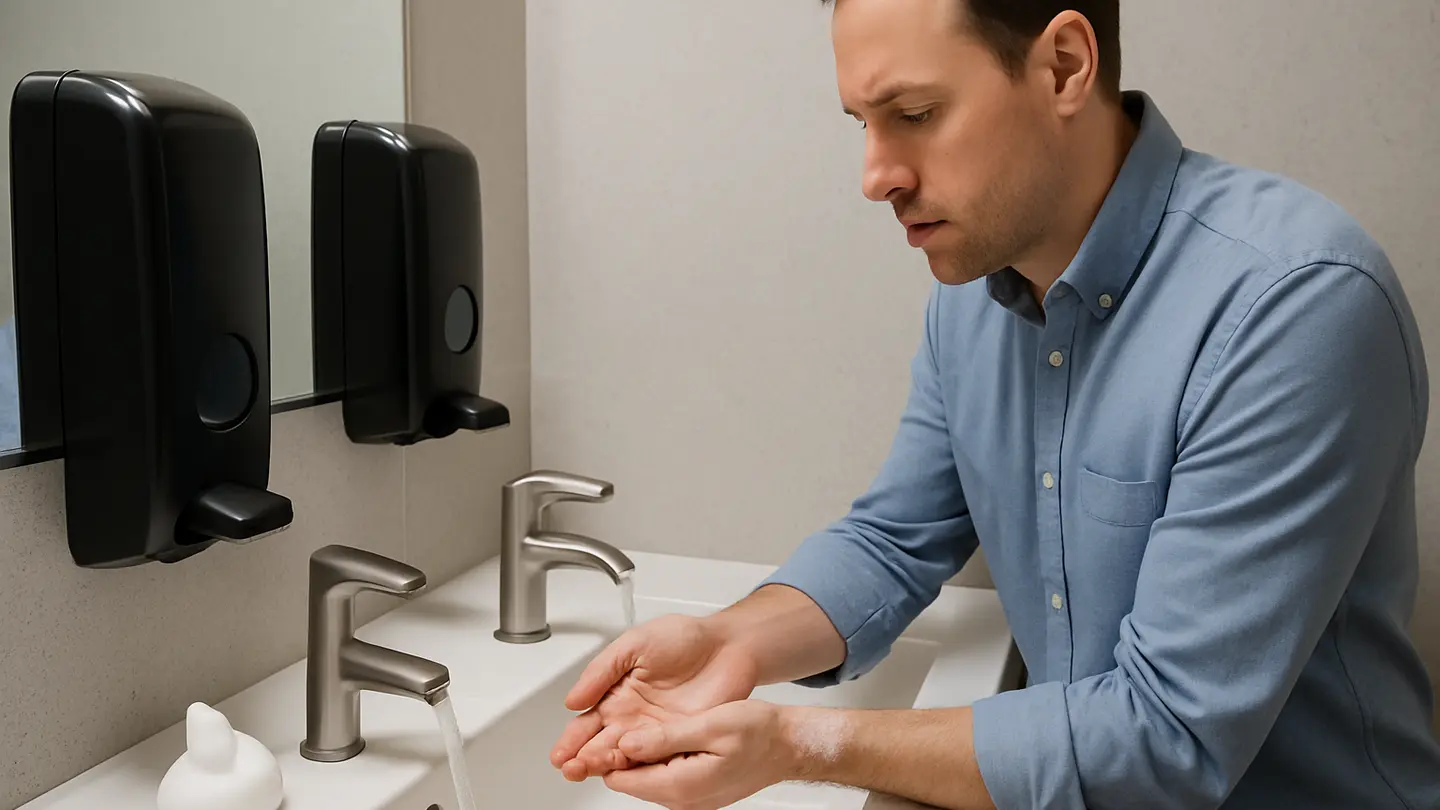
Technique can matter more than soap format. A well-managed handwashing program should encourage users to wash for at least 20 seconds, covering:
- Palms
- Backs of hands
- Between fingers
- Fingertips and under nails
- Thumbs
- Wrists when relevant
Liquid soap may encourage more thorough coverage because users must add water and build lather. Foam soap spreads quickly, which can improve coverage if users take enough time, but it can also make the process feel complete too soon.
Facility managers can support better outcomes with clear signage, reliable dispensers, adequate sink access, comfortable water where available, and refills that do not run out during high-use periods. Empty dispensers, clogged pumps, or harsh formulas can reduce compliance regardless of soap type.
How Both Formats Help Limit Germ Spread
Both foaming and liquid hand soaps can help reduce germ spread when used correctly. That matters across offices, schools, commercial restrooms, hospitality venues, residential buildings, healthcare-adjacent spaces, and shared workplace environments.
Soap helps remove microorganisms by loosening soil and oils so they can be rinsed away. The process is especially important after restroom use, before food handling, after coughing or sneezing, and after contact with shared surfaces.
For B2B buyers, the best outcome usually comes from combining the right soap format with dependable dispensing, consistent maintenance, and user-friendly washroom design.
Cost, Sustainability, and User Experience Factors
Soap selection is also an operational decision. Buyers must evaluate product used per wash, refill frequency, dispenser reliability, and how users feel after frequent washing.
Foaming soap may offer advantages in product consumption and water use. Liquid soap may provide a stronger clean feel and more formula options. The better choice depends on which factors matter most in the facility.
Soap Consumption and Refill Economics
Foam dispensers can reduce soap used per wash because air creates volume before the product reaches the user’s hands. A single pump of foam often appears generous even though it contains less liquid soap than a pump of standard liquid soap.
For high-volume facilities, this can reduce refill frequency, janitorial workload, storage pressure, and stockout risk. Over time, lower consumption can offset higher upfront costs for foam dispensers or sealed foam cartridges.
Buyers should calculate total cost rather than unit price alone. Important cost factors include:
- Dispenser purchase or lease cost
- Refill price per cartridge, bottle, or case
- Estimated handwashes per refill
- Pump output per activation
- Average number of pumps users take
- Labor required to refill and maintain dispensers
- Waste from leaking, clogging, or partially unused cartridges
A foam refill that costs more per liter may still be economical if it delivers more handwashes per refill. A low-cost liquid soap may be better value in smaller facilities where refill labor and water use are less significant.
Water Use and Environmental Considerations
Foaming soap may need less water to rinse away because it is already aerated and lighter in texture. Users often find that foam disperses and rinses faster than thicker liquid soap. In large facilities, faster rinsing can support lower water use, although actual savings depend on faucet type, user behavior, and traffic.
Foam’s lower product output can also reduce the volume of soap entering wastewater per wash.
Packaging should be considered. Sealed cartridges can improve hygiene and reduce contamination risk, but they may generate more packaging waste than some bulk systems. Bulk refills may reduce packaging but can introduce handling, spillage, or contamination concerns if not managed carefully. Buyers should compare the full system, not just the soap format.
Skin Feel and Comfort for Frequent Washing
User comfort affects compliance. If soap leaves hands dry, sticky, heavily fragranced, or irritated, users may wash less often or use less product.
Foam soap may leave hands feeling softer for some users because of its lighter texture and easier rinsing. Some sensitive-skin users may prefer foam, especially when the formula is mild, fragrance-free, or designed for frequent washing.
Still, comfort depends on formula details, not format alone. Fragrance, dyes, preservatives, surfactants, pH, moisturizers, and individual sensitivities all matter. A harsh foam can irritate skin, while a well-formulated liquid soap can be comfortable for frequent use.
For workplaces, schools, healthcare-adjacent areas, and foodservice settings, buyers should consider trialing formulas with actual users before committing to a large refill program.
How to Choose the Right Soap Format for Your Facility
The best soap format depends on the setting, user group, wash frequency, hygiene priority, and maintenance model. A facility with thousands of daily restroom visits may prioritize consumption control and refill efficiency. A kitchen or workshop may prioritize cleaning strength and soil removal.
A practical procurement process should compare:
- Hygiene expectations and risk level
- Type of soil users commonly encounter
- Current dispenser infrastructure
- Refill availability and lead times
- Cost per handwash, not just cost per liter
- Maintenance workload
- Water use and sustainability goals
- User satisfaction and skin comfort
There is no universal winner. Many organizations use both formats in different areas.
Where Foaming Soap Is Often a Good Fit
Foaming soap is often a strong fit for high-traffic locations with frequent, routine handwashing. It spreads quickly, rinses fast, and may reduce mess around sinks and counters.
Common applications include:
- Office restrooms
- Commercial washrooms
- Guest bathrooms
- Schools and children’s bathrooms
- Retail and hospitality facilities
- Public-facing restrooms with high daily use
In children’s bathrooms, foam can be easier to manage because it is less likely to drip in long strings from hands or dispensers. In offices and guest areas, the light feel and quick rinse can improve the washroom experience.
Foaming soap is especially worth considering when refill labor, restroom cleanliness, and product consumption are major concerns.
When Liquid Soap May Be the Better Choice
Liquid soap may be better where users expect a thicker lather or need a deeper-clean feel. It is common in main bathrooms, kitchens, maintenance areas, and locations where hands may be exposed to grease, food residue, dust, or visible dirt.
Concentrated liquid formulas can be more suitable for heavier soil because they deliver more product per pump and encourage users to rub thoroughly. Liquid soaps also tend to be available in a wide range of scents, textures, moisturizing formulas, antibacterial options where appropriate, and specialty cleansers.
Choose liquid soap when the facility needs:
- Stronger perceived cleaning performance
- Better handling of grease or visible dirt
- A richer lather experience
- Broad formula selection
- Compatibility with existing standard dispensers
For many buyers, the most effective strategy is mixed deployment: foam soap in high-traffic public washrooms and liquid soap in kitchens, staff areas, or locations with heavier cleaning needs.
A Practical Platform for Supplier Discovery and Shortlisting
When comparing soap formats, dispensers, refill packaging, and private-label options, buyers often need to evaluate several suppliers before requesting samples or negotiating terms. Made-in-China.com is a B2B sourcing platform that can support this early-stage comparison process.
Supplier Discovery can help buyers build and narrow a shortlist by exploring supplier channels, including Audited Suppliers. For background checks, Audited Suppliers are subject to third-party verification and on-site audit, with Audit Reports available for buyer review. These reports can include structured information such as general company details, export trade, manufacturing capacity, quality control, and R&D capability.
For buyers who want quotations before deeper engagement, Easy Sourcing allows one sourcing request to be submitted to matched suppliers. Buyers can receive multiple quotations, compare offers, and request samples. Used alongside internal specifications and supplier due diligence, these tools can make shortlisting more organized.
FAQ
What are the benefits of using foaming soap over regular soap?
Foaming soap spreads easily, rinses quickly, and may reduce water use during handwashing. Because the dispenser mixes air into the soap before dispensing, users can often achieve broad coverage with less liquid product. Many users also find the lighter texture comfortable for frequent washing.
Can foaming soap help save on soap usage and be more cost-effective?
Yes, in many high-use facilities. Foaming soap is mixed with air before dispensing, so each pump can look and feel substantial while using less liquid soap. This can reduce product consumption and lower refill frequency. Buyers should still compare total system cost, including dispenser pricing, refill cost, pump output, and maintenance labor.
Is there a difference in the level of cleanliness provided by foaming soap compared to liquid soap?
Liquid soap may perform better when reducing high bacterial counts, partly because users must add water and scrub to build lather. That rubbing action supports cleaning. However, both foaming and liquid soaps can be effective when users wash properly for at least 20 seconds and cover all hand surfaces.
Are foaming soaps better for people with sensitive skin or allergies?
Foaming soaps may suit some sensitive-skin users because they can contain a lower concentration of active surfactants per wash and may rinse away more easily. However, skin comfort depends on the full formula, including fragrance, preservatives, dyes, moisturizers, and individual sensitivities. Buyers serving sensitive users should consider mild or fragrance-free options and test before large-scale adoption.
Related Buying Guide Articles
- Commercial soap dispenser buying considerations for high-traffic restrooms
- How to compare bulk refill and sealed cartridge soap systems
- Hand hygiene product selection for offices, schools, and hospitality facilities
- Cost-per-use analysis for restroom consumables and maintenance planning