A Practical Guide to Manufacturing in China
Manufacturing in China can be a practical option for buyers sourcing multi-component products, products requiring custom tooling, or ranges that may evolve through several design revisions. This can include shower systems, shower enclosures, faucets, bathroom accessories, electronic controls, packaged consumer products, and light industrial goods.
The decision should not be based on a factory quotation alone. A lower ex-works price may be offset by tooling, freight, import duties, product testing, inventory requirements, quality costs, or slow replenishment. Conversely, a product with a higher unit price may still offer better overall economics if it is easier to consolidate, has fewer defects, or can be supplied reliably at the required volume.
For shower manufacturers and bathroom-product buyers, China can be especially relevant where a product combines glass, aluminum, stainless steel, brass, plastic injection-molded parts, seals, hardware, packaging, and assembly. Established supplier networks can reduce coordination effort, but only when the buyer has clearly defined technical requirements and active quality controls.
A sound sourcing decision should consider the complete landed cost, product complexity, duty exposure, relevant manufacturing cluster, logistics route, supplier capability, and risk-control process before deposits are paid.
Calculating the True Cost of Manufacturing in China
The true cost of manufacturing in China is the landed cost of a sellable product, not the unit price shown on a quotation. Buyers should build a cost model that covers the entire route from design development to delivery at the warehouse or customer destination.
Typical cost elements include:
- Factory product price
- Product development and sampling
- Tooling, molds, jigs, and fixtures
- Product-specific packaging and labeling
- Quality testing and third-party inspections
- Inland transport to the port
- Export documentation and freight
- Cargo insurance where appropriate
- Import duties, taxes, and customs-related charges
- Destination warehousing and handling
- Rework, replacement stock, warranty exposure, and returns
For example, a shower enclosure may have an attractive factory price but remain expensive to import because glass panels, aluminum profiles, and protective packaging occupy substantial container space. Freight is influenced by volume as well as weight. A bulky but low-value product can therefore lose its apparent price advantage quickly.
Tooling must also be amortized over realistic sales volume. A custom shower handle, rail bracket, drainage component, or plastic trim part may require new tooling. If expected demand is limited, the tooling cost per unit can be too high. The same issue applies to customized packaging, low-volume finishes, and special glass treatments.
Tariffs and duty treatment also matter. Buyers should confirm the likely customs classification and destination-market requirements before committing to a sourcing route. Country-of-origin rules, labeling requirements, and documentation obligations can affect both import cost and compliance risk.
Inventory speed is another important calculation. Overseas production often requires longer planning horizons than local supply. A buyer may need to order larger batches, hold more stock, and fund inventory earlier. This can be acceptable for stable, repeatable products, but less suitable for short-lived trends, highly seasonal assortments, or made-to-order projects.
The most useful comparison is not “China price versus local price.” It is “fully landed, quality-adjusted, inventory-adjusted cost per sellable unit versus the alternatives.”
Why China Can Remain Competitive Beyond Labor Costs
China’s manufacturing advantage is not based only on labor costs. In many product categories, competitiveness comes from the density of the supplier ecosystem.
Within established manufacturing regions, factories may have close access to component suppliers, toolmakers, packaging producers, surface-treatment providers, glass processors, metal fabricators, assembly operations, and logistics services. This can shorten development cycles and reduce the need to move components long distances before final assembly.
For bathroom and shower products, this concentration can be valuable. A manufacturer may need coordinated access to tempered glass, aluminum extrusions, zinc or brass hardware, stainless steel fasteners, plastic seals, decorative finishes, protective corner pieces, cartons, and installation hardware. When many of these inputs are available in the same region, sampling and production coordination may be simpler than in a location where components must be imported individually.
Lower-wage countries can be competitive for certain products, especially simple, labor-intensive items. However, lower direct labor cost does not automatically create a lower total cost. A supplier may need to import molds, fittings, electronics, specialty materials, packaging, or production equipment. These dependencies can increase lead times, create minimum-order requirements, and reduce flexibility when specifications change.
China’s supplier density can also support faster problem-solving during product development. If a factory needs to revise a die-cast component, source a different gasket material, change a carton insert, or adjust a metal finish, nearby suppliers may help shorten the iteration cycle.
This does not remove sourcing risk. Concentrated supply chains can create dependency on a particular region, supplier group, or logistics route. Buyers still need backup planning, supplier communication, and visibility over critical components. The advantage of an established cluster is not that it manages itself; it is that it gives buyers more options to manage effectively.
Products That May Not Be Suitable for China Sourcing
Manufacturing in China is not automatically suitable for every product. The best candidates usually have enough value, repeat volume, or technical complexity to absorb development and logistics costs.
Products may be less suitable when they are:
- Bulky and low in value relative to their shipping volume
- Subject to high import duties or restrictive market requirements
- Required in very small or irregular quantities
- Highly customized for each order
- Time-sensitive and difficult to forecast
- Dependent on rapid local delivery or installation support
- Unlikely to recover tooling costs over expected volume
Bulky products deserve particular attention. Large shower trays, complete shower cabins, oversized enclosures, and low-value bathroom furniture may consume container space quickly. A factory price advantage can be reduced by ocean freight, inland delivery, storage, and damage risk during transport.
Made-to-order products can also be challenging. If every project requires a different glass size, frame finish, drilling pattern, or accessory combination, long production and transit lead times may not suit the customer’s schedule. In these cases, local or regional assembly may offer better responsiveness, even if the component cost is higher.
Tooling-intensive projects require realistic volume assumptions. A custom product may appear differentiated, but the financial case weakens if demand is insufficient to amortize molds, fixtures, engineering samples, and approval work. Buyers should also consider whether the expected product life is long enough to recover the investment.
Overseas sourcing may still work for standard, repeatable components used in local final assembly. For example, importing standardized hardware, profiles, or accessories while holding destination-market inventory can provide a balance between cost and delivery speed. The right model depends on how stable demand is and how much product configuration occurs after import.
When to Compare Other Manufacturing Countries
Comparing China with other manufacturing countries can be useful, but only when the comparison is equivalent. Different countries should be evaluated against the same product specification, material requirements, quality expectations, quantities, packaging requirements, delivery terms, and inspection process.
A lower quotation from another country may not represent a lower total cost if it excludes items included elsewhere. Buyers should check whether the quotation covers the same grade of material, finish, testing, accessories, packaging, and defect-handling expectations.
Country comparisons should account for:
- Component availability and local supplier networks
- Tooling location and ownership
- Sample-development time
- Minimum order quantities
- Freight routes and transit time
- Duties and trade measures in the destination market
- Inspection availability and cost
- Communication and engineering coordination
- Need for duplicate tooling or duplicate qualification work
Developing a second country source may require additional sampling, tooling, documentation, product testing, inspections, and inventory. These costs can be justified when supply continuity is critical, but they should not be ignored.
In some cases, a second supplier within the same Chinese manufacturing cluster may be a more practical risk-diversification option than opening production in another country. A second local supplier may use similar component networks and logistics routes while reducing dependence on one factory. This does not eliminate regional concentration risk, but it can reduce factory-specific risk at a lower setup cost.
The correct question is not which country is “best.” It is which sourcing route provides the strongest combination of landed cost, capacity, quality control, supply resilience, and delivery performance for the specific product.
Choose the Right Manufacturing Model Before You Source
Before searching for suppliers, buyers should decide which manufacturing model they actually need. The choice affects budget, timeline, intellectual-property exposure, and supplier selection.
Private-label sourcing uses an existing factory product with the buyer’s branding, packaging, or limited visual customization. This model generally offers the fastest route to market and the lowest development cost. It can suit standard shower accessories, basic hardware, or established product designs. However, differentiation is limited because similar products may be available to other buyers.
Modified existing products sit between private label and full custom development. Changes may include a revised handle, finish, packaging format, product dimensions, accessory combination, or installation kit. This approach can create more differentiation without requiring a complete redesign, but changes may still trigger new samples, engineering work, or tooling.
Fully custom manufacturing is appropriate when the buyer needs a unique design, technical feature, material configuration, or installation system. It provides the greatest differentiation potential but usually requires a longer development cycle, higher setup cost, more detailed drawings, and stronger project management.
For any model involving custom work, put key terms in writing:
- Ownership and access rights for tooling
- Control of technical drawings and production files
- Confidentiality expectations
- Whether the supplier may produce the design for other customers
- Product exclusivity, if agreed
- Maintenance, storage, and replacement responsibility for tooling
- Approval process for design changes
Paying for tooling does not automatically prevent similar products from being produced for others. Legal rights and commercial expectations should be defined clearly, and buyers should ensure that the contract wording fits the laws and commercial practice relevant to the transaction.
Finding the Right Manufacturing Hub in China
China’s manufacturing capacity is organized around regional clusters. Identifying the relevant cluster before building a supplier shortlist can improve supplier access, component pricing, sampling speed, and production coordination.
Representative examples include:
| Manufacturing hub | Common product associations |
|---|---|
| Shenzhen | Electronics and technology products |
| Guangzhou | Apparel and fashion-related goods |
| Foshan and Dongguan | Furniture and related manufacturing |
| Yiwu | Small consumer goods and general merchandise |
| Fujian | Footwear |
| Qingdao | White goods and household appliances |
These examples are not exclusive. Manufacturing categories overlap, and an individual factory’s real capability matters more than its city alone. However, sourcing inside a relevant cluster can give buyers access to more specialized suppliers and service providers.
For shower and bathroom products, buyers should identify where their required materials and processes are concentrated. A project involving glass processing, metal fabrication, aluminum extrusion, decorative finishing, seals, and assembly may require a different supplier environment from a simple plastic bathroom accessory.
Cluster selection can affect more than component cost. It may influence the availability of technical staff, prototype workshops, packaging suppliers, export infrastructure, and third-party inspection providers. A supplier located outside the main product cluster may still be capable, but buyers should understand whether it performs key processes in-house or depends on subcontractors.
Common China Sourcing Risks and How to Control Them
The most common sourcing problems are usually not caused by one dramatic failure. They often begin with unclear specifications, assumptions about materials, weak approval processes, or insufficient visibility over production.
Common risks include inconsistent quality, unexpected costs, late delivery, substituted materials, unclear packaging requirements, copied designs, and incomplete customs compliance.
Useful control points include:
- A detailed specification sheet covering materials, dimensions, tolerances, finishes, colors, packaging, labeling, and accessories
- Approved reference samples retained by both buyer and supplier
- Clear acceptance criteria for cosmetic and functional defects
- A complete cost estimate showing what is included and excluded
- Factory capability checks before major payments
- Pre-production confirmation before mass production begins
- In-process or pre-shipment inspections where appropriate
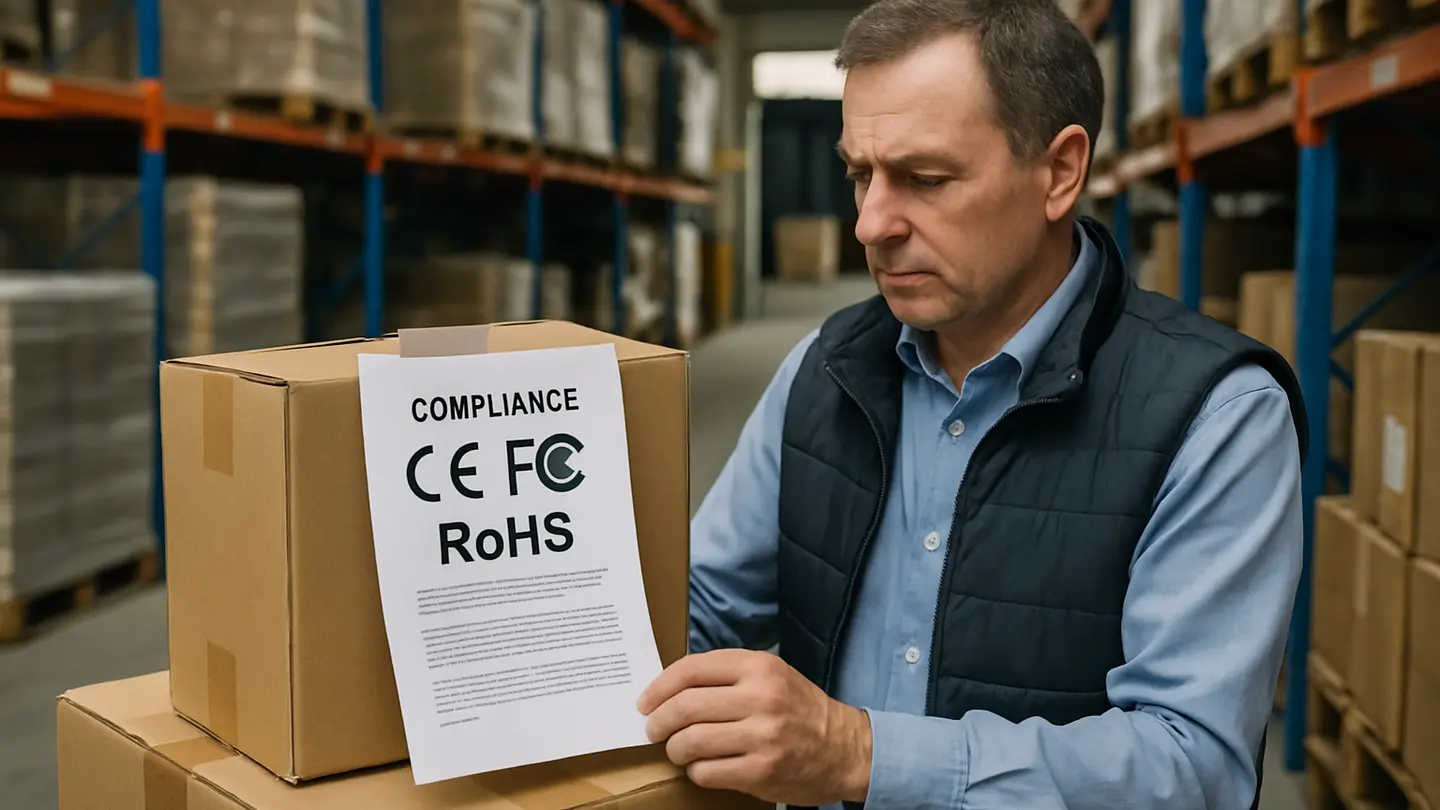
- Document review for export, labeling, and destination-market compliance
An acceptable sample does not prove that a supplier can manufacture consistently at scale. Likewise, a business registration document does not prove that the company owns the equipment, workforce, process control, or capacity needed for the order. Buyers should verify actual production capability through documentation, live video reviews, third-party audits, factory visits, or other proportionate checks.
For shower products, inspections may need to focus on glass quality, edge finishing, dimensions, hardware fit, surface finish consistency, seal performance, packaging protection, and completeness of installation components. The inspection approach should match the product’s failure points rather than relying only on a general visual review.
Country-of-origin marking and customs compliance also require attention. The legal country of origin may depend on where substantial transformation occurs, not simply where final packing takes place. Buyers should confirm destination-market requirements with qualified customs or trade advisers where necessary.
A Step-by-Step Process for Evaluating China Suppliers
Begin with a manageable product opportunity. The first project should have realistic demand, an understandable cost structure, and financial exposure the business can tolerate. A complex, highly customized launch with uncertain volume is rarely the easiest starting point.
Next, define the product before requesting quotations. The request should include drawings or reference images, bill of materials where available, dimensions, finish requirements, packaging instructions, product testing needs, annual volume assumptions, target order quantity, and required delivery terms.
Then follow a structured evaluation process:
- Create a complete specification brief. Do not ask factories to quote from a vague product photo alone.
- Request comparable quotations. Use the same quantities, quality requirements, and delivery terms for each supplier.
- Review cost assumptions. Ask what is included, what is excluded, and whether tooling, packaging, testing, and freight are separate.
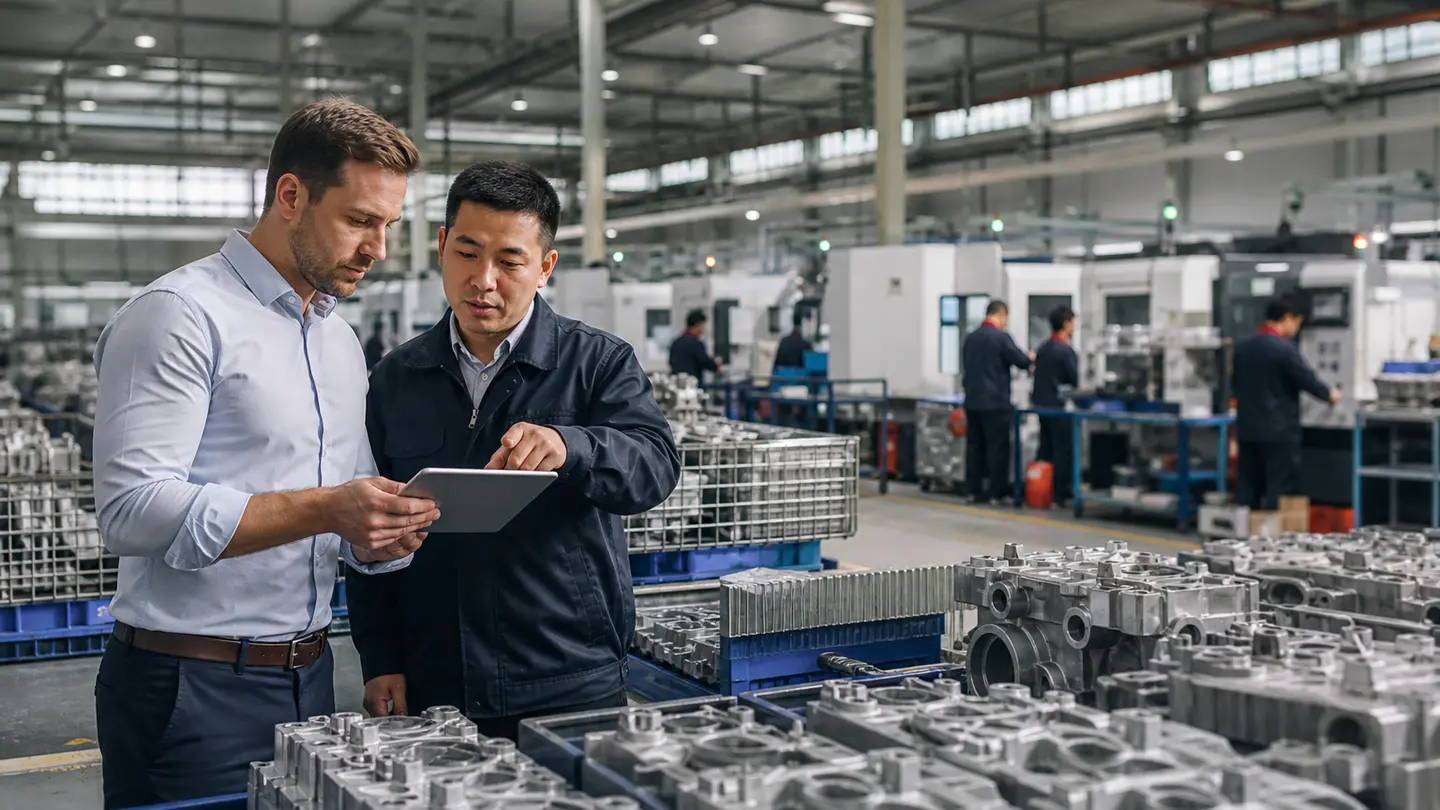
- Assess capability. Review relevant product experience, production processes, available equipment, quality documentation, and subcontracting arrangements.
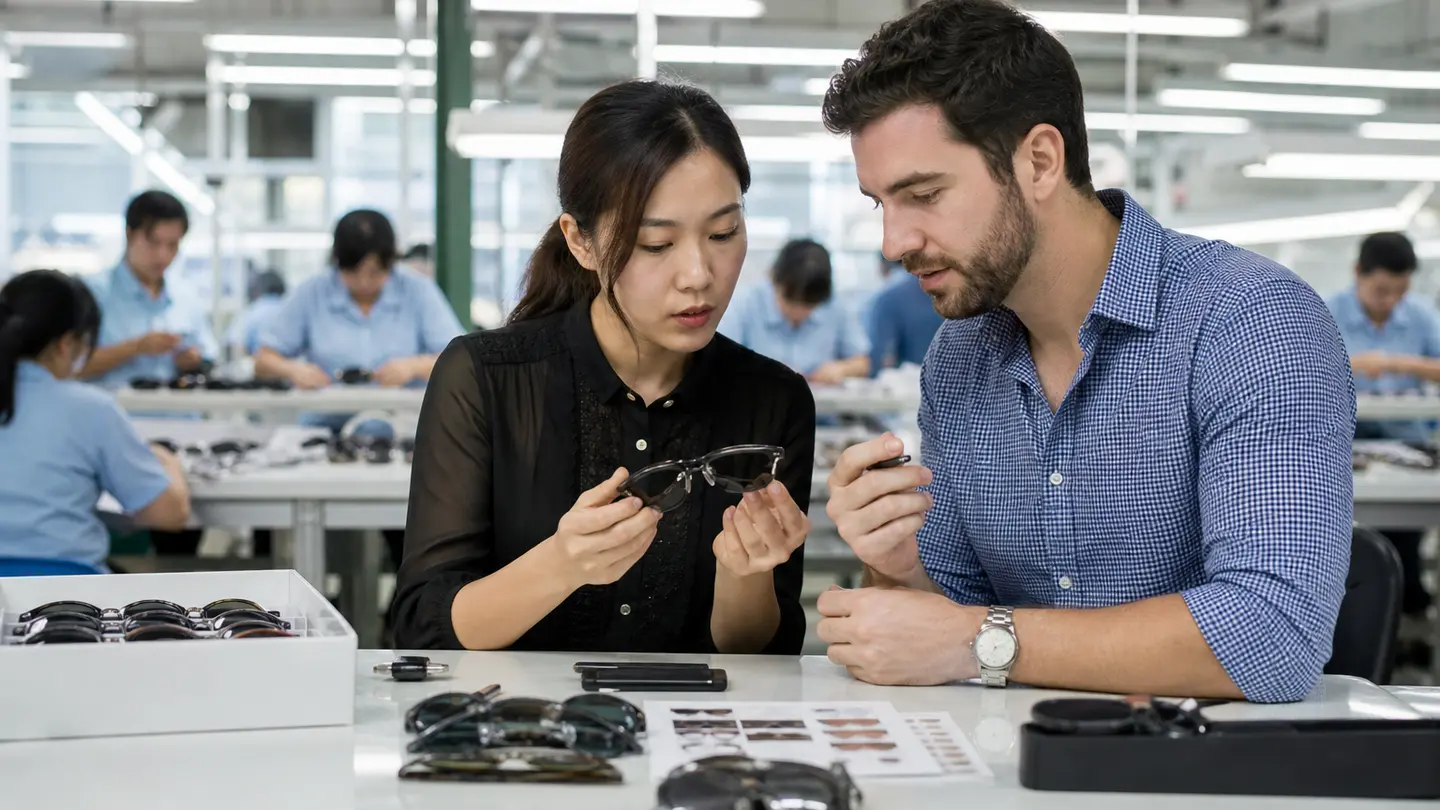
- Order and evaluate samples. Test fit, function, finish, packaging, and consistency against the written specification.
- Budget for non-product costs. Include samples, tooling, testing, inspections, freight, duties, and potential rework.
- Confirm production controls. Agree on the approved sample, inspection points, defect criteria, and delivery schedule before production starts.
- Monitor first production closely. Initial production is the point at which design assumptions, factory processes, and packaging requirements are most likely to be tested.
A supplier selection should not rely only on the lowest quotation. The better choice may be the factory that provides clearer technical communication, more transparent costing, better evidence of production control, and stronger alignment with the required product category.
FAQ
Q1: Is manufacturing really leaving China?
Some simple, labor-intensive, or tariff-sensitive production has moved to other countries. However, China remains relevant for many complex, tooling-intensive, and multi-component products because of established component networks, manufacturing clusters, and supporting services.
The sourcing decision should therefore be product-specific. A basic, labor-heavy item may have a strong case for production elsewhere, while a shower system requiring coordinated glass, metal, plastic, packaging, and assembly suppliers may still benefit from China’s established ecosystem.
Q2: What size of buyer does China actually suit?
Buyer size alone is not the deciding factor. China can suit smaller buyers when product economics, order quantities, tooling requirements, and inventory funding are realistic.
The more important questions are whether the buyer can meet minimum order quantities, pay for sampling and tooling where required, manage longer lead times, and hold sufficient inventory. A smaller buyer with a stable, repeatable product may be a better fit than a larger buyer with unpredictable low-volume customization.
Q3: Do I need a company in China or an import licence to buy from a factory?
A buyer does not necessarily need a company in China to purchase from a Chinese factory. The factory or exporter commonly handles export documentation for the shipment.
However, import obligations depend on the destination country. The buyer may need import authorization, tax registration, customs registration, product compliance documentation, or an appointed importer of record. Importers should confirm their responsibilities before placing an order, particularly for regulated goods or products requiring specific labeling.
Q4: Do I need to visit China to source from it?
A factory visit is not always necessary to begin sourcing. For standard products, remote communication, sample evaluation, third-party audits, and pre-shipment inspections may provide an appropriate level of control.
In-person visits can add significant value for high-value, custom, tooling-intensive, or technically complex projects. A visit can help buyers assess factory organization, engineering capability, key processes, subcontracting arrangements, and the practical relationship between the supplier’s sales claims and its production reality.
Conclusion: Make the China Sourcing Decision in Sequence
Manufacturing in China should be evaluated as a sequence of decisions rather than a search for the lowest factory price. Start with total landed cost, then assess product suitability, manufacturing clusters, supplier capability, alternative countries, and risk controls.
For many multi-component or tooling-intensive products, China’s supplier ecosystem can offer strong commercial advantages. For bulky, low-value, highly customized, or time-sensitive products, those advantages may be reduced by freight, duty, inventory, and lead-time costs.
The most important execution steps are to select the right product cluster, define complete specifications, validate the factory before major commitments, and oversee first production carefully. Early analysis is usually far less expensive than correcting quality, logistics, or tooling decisions after deposits have been paid.
Author Profile
The author is a B2B editorial contributor focused on manufacturing, procurement, product development, and international sourcing. Their work examines practical sourcing decisions, supplier evaluation, landed-cost planning, quality control, and supply-chain risk management for commercial buyers.