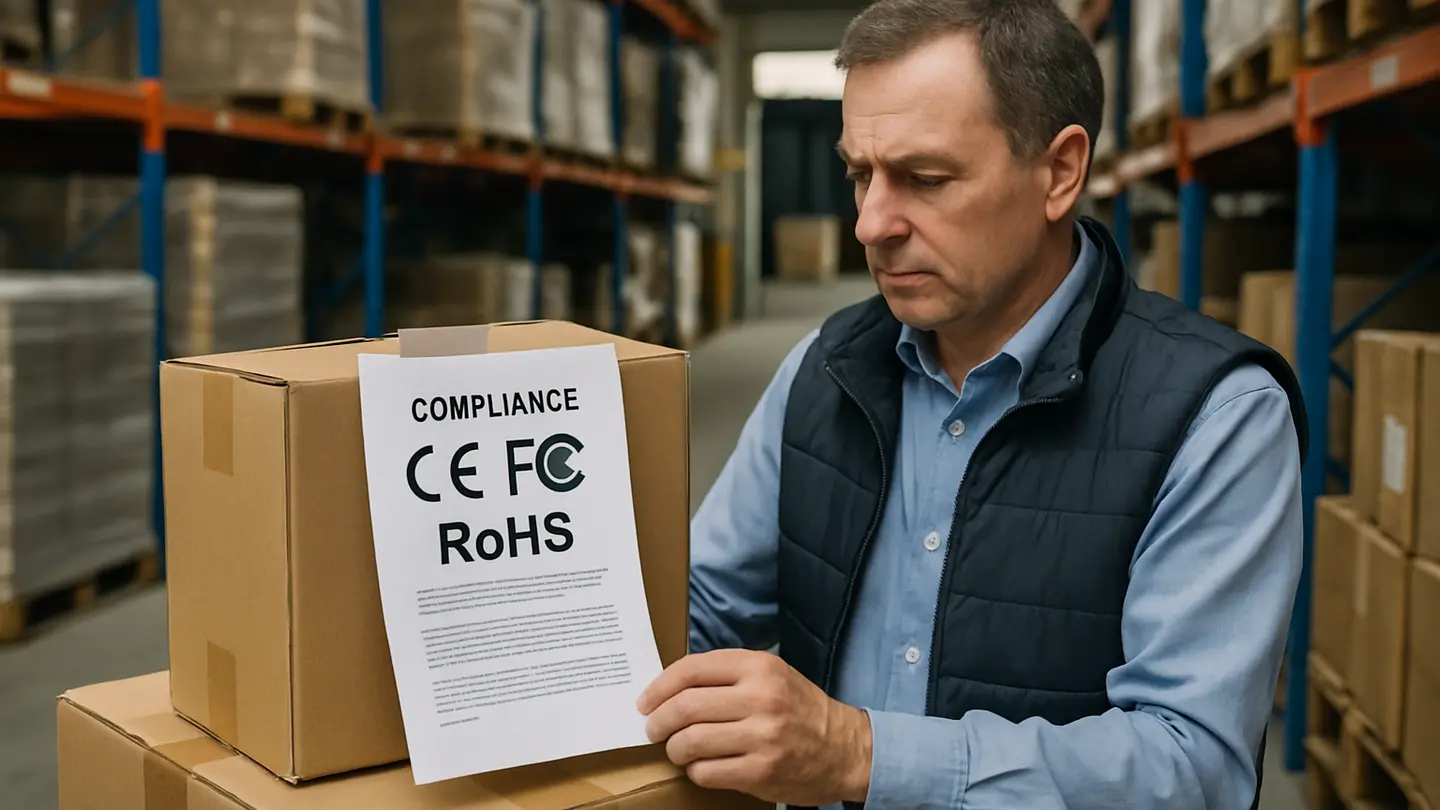
Supplier photographs are useful for confirming artwork, carton layout, and packing methods, but they cannot show how a carton flexes under load or whether hidden moisture has weakened the board. A reliable approval process combines written packaging quality standards, ISO 2859-1 AQL sampling, physical carton inspection, and transit testing. Clean seams, supported edges, square corners, and minimal board flex are practical signs of a carton built for handling. Additionally, it ensures product safety through each step of the supply chain.
Prerequisites for a Reliable Packaging Approval
Before inspection, establish conditions for reliable findings. Calibrate scales, rulers, and other equipment. Keep tape samples intact. Master-carton walls should remain flat. Humidity matters as moisture can soften corrugated board. If panels feel soft or unusually flexible, investigate the storage environment before approving. Ensuring a controlled environment for initial testing is critical, as variances in humidity or temperature can lead to false assessments. Regular monitoring, even in storage, can prevent unexpected failures.
Documents, Equipment, and Inspection Authority
Prepare:
- A signed golden sample showing the approved carton, inserts, labels, tape, and internal arrangement. This serves as the benchmark against which all subsequent checks are measured.
- A written packaging specification covering materials, dimensions, and packing methods. Comprehensive documentation prevents ambiguity, ensuring every party understands expectations thoroughly.
- An ISO 2859-1 sampling plan with agreed AQL limits.
- Calibrated scales, measuring tools, and barcode-scanning devices ensure accurate measurements and reduce the likelihood of errors during inspection.
- Evidence forms identifying each sample, carton, defect, photograph, and corrective-action owner. This clear documentation process helps trace back any issues that arise.
Confirm in advance that the inspector may open sealed master cartons. Opening without clear authority can lead to incomplete checks and potential disputes with suppliers over packaging integrity.
For ISTA testing, record temperature and humidity. Verify regulatory and shipping labels, including country-of-origin and handling marks. Ensuring labels are consistent and correct helps avoid customs issues and shipping delays, promoting smoother transitions through transport stages.
A Six-Step Workflow for Aligning Packaging Requirements
Align activities:
- Write the packaging standard before mass packing.
- Conduct an independent audit.
- Inspect the physical master carton.
- Classify defects and decide on lot release.
- Perform the ISTA 1A drop-test sequence.
- Verify corrugated strength and assign final disposition.
Written requirements prevent ambiguity, AQL sampling provides consistent evidence, transit testing exposes weaknesses, and labeling rules address presentation needs. Base decisions on combined evidence.
This structured workflow ensures all aspects of packaging are thoroughly reviewed and consistent with company standards, enhancing the safety and reliability of shipped goods and reducing the likelihood of unexpected disruptions in the supply chain.
Step 1: Create the Written Packaging Approval Standard
Document requirements before packing starts. Informal instructions like “use strong cardboard” are not measurable. Clarifying detailed requirements right from the start ensures consistency and enables measurable checks across every stage of the process.
The standard should define dimensions, gross weight, board construction, sealing, printing, barcode placement, palletization, and defect limits. Include checks for soft panels, loose tape, and exposed fluting. By specifying these elements, miscommunications can be minimized, leading to fewer packaging errors down the line. This specification becomes a cornerstone, helping to safeguard the integrity of the packaging under varying conditions.
Define Carton Construction and Internal Protection
Specify:
- Ply count and wall construction.
- Flute type and declared board grade.
- Dimensions and tolerances.
- Maximum gross weight.
- Closure method, tape width, and coverage.
Describe internal protection terms like dividers, inserts, airbags, or foam. Define moisture protection needs. Each component plays a crucial role in maintaining the integrity of the packaging, especially during transit when conditions can vary dramatically. Failure to clearly specify these can lead to compromised product protection.
Set Rules for Printing, Labels, and Carton Markings
List required carton markings and location. This should include SKU, purchase-order reference, carton sequence, handling symbols, and destination info. Proper labeling ensures the shipment reaches the correct destination without unnecessary delays.
Country-of-origin text must be readable. Barcodes should be placed with contrast and quiet space. Incorrectly placed or printed barcodes can lead to scanning issues and supply chain delays, which can disrupt business efficiency.
Incorporate destination-specific labels and define rules for obsolete or improper labels. This is important for compliance with international shipping and regulatory requirements, reducing the chances of customs hold-ups that could affect delivery timelines.
Build a Packaging Defect Classification Matrix
Use classifications:
- Critical: Defects creating safety or regulatory risks.
- Major: Defects impairing protection or traceability.
- Minor: Cosmetic deviations not affecting function.
Define AQL limits and treat structural failures seriously. A well-constructed matrix helps categorize issues effectively, aiding in quicker response and resolution. By establishing these classifications, teams can prioritize defects that significantly affect safety and regulatory compliance.
Step 2: Run the On-Site Packaging Audit
Schedule audits when goods are packed and ready for export. Use an ISO 2859-1 General Inspection Level II plan to determine sample size. This ensures the integrity of the entire batch without economically unfeasible inspections.
Use an Independent Random Sampling Method
Select samples representing the whole lot. Independent sampling reduces the risk of excluding unfavorable evidence, advocating for a transparent and unbiased packaging review. By randomizing the selection, you ensure that all facets of the batch are accounted for in evaluations.
Execute and Document the Packaging Audit
Prepare evidence template before opening cartons. Record lot number, sample code, carton ID, and defects. This careful documentation helps maintain a clear chain of custody for test materials.
Check:
- Dimensions and gross weight.
- Squareness, flatness, seams, and tape.
- Board exposure, softness, punctures.
- Product orientation and movement control.
Each defect should have classification and corrective-action owner. Do not close the audit with verbal promises. This ensures there is tangible, actionable follow-up to any issues discovered during the audit process, safeguarding both quality and shipping integrity.
Step 3: Inspect the Physical Master Carton
Verify carton against specification and golden sample. Inspect for clean seams, supported edges, square corners, and board consistency. Confirm marks and labels are in approved locations. This step ensures the physical appearance and construction of the carton meets established requirements, reducing the chance of customer returns due to inadequate packaging.
Inspect inner bags and protection for correct sealing and print consistency. Often overlooked, these elements are essential to protecting products from contamination or damage. Confirming consistent quality at this stage helps preemptively address potential failures that could escalate downstream.
Step 4: Classify Defects and Determine Lot Release
Translate findings into classifications using agreed matrix. Apply sampling plan and AQL limits. Consider 100% screening for critical compliance items to ensure safety and regulatory adherence.
Include a release report with timestamps, sample numbers, photographs, and corrective-action status. A comprehensive release report helps with accountability and traceability, offering a reference point for any future discrepancies or claims. It supports transparent communication across functions and geographies, fostering greater trust between partners.
Step 5: Carry Out the ISTA 1A Drop-Test Sequence
Weigh the fully packed carton before selecting the applicable drop height. Conduct the sequence on a solid surface. This test simulates real-world conditions and ensures the carton can withstand regular shipping processes, creating confidence that products remain protected en route to customers.
Follow the Ten-Drop Impact Pattern
Use ISTA 1A sequence: corner, edges, and face drops. Photograph the carton after significant impacts. Documentation of each drop and resulting damage helps establish a consistent record for comparison between batches or products, assisting with continuous improvement initiatives.
Apply Clear Drop-Test Pass and Fail Criteria
Reject the carton if it collapses or exposes products. Confirm dividers and protection still work. This ensures that structural integrity is maintained under expected shipping stresses.
Follow destination program requirements for additional testing. Different regions may have additional standards or requirements that must be adhered to, ensuring compliance and minimizing risk of port rejection. Cater to these local nuances to ensure smooth passage across borders.
Step 6: Verify Corrugated Strength and Set Final Disposition
Confirm board matches approved specification. Stop approval if the carton loses shape. Strength verification is a key step to prevent compromised shipments, which can result in product damage or return logistics challenges. Unchecked weaknesses here could lead to customer dissatisfaction.
Match Board-Strength Benchmarks to Carton Loads
Set load-based strength tiers. Define ECT and burst requirements. Heavy cartons may need more stacking performance. Knowing the easy handling limits can prevent damage during palletization or storage.
Verify Corrugated Materials on Site
Confirm declared ply and flute construction. Use burst testing if justified. Assign shipment status immediately. On-site verification limits the chances of unauthorized materials substitution, maintaining product integrity. By ensuring material consistency, businesses can protect their reputation and customer trust.
Detect Material Substitution and Underbuilt Cartons
Watch for recycled-pulp substitutions or low-grade board. Halt loading if a board is noncompliant. Catching these potential issues early can help avoid costly product recalls or replacements, supporting both sustainability initiatives and operational integrity.
Use Evidence-Based Pass, Hold, and Fail Decisions
- Pass: All requirements satisfied.
- Hold: Rework or retesting needed.
- Fail: Lot structurally noncompliant.
Final decision should match carton strength to product weight. Gathering evidence-based decisions leads to higher quality assurance and customer satisfaction. Clear communication of these decisions enforces responsibility, driving continuous improvement.
Common Packaging Quality Problems and Corrective Actions
Packaging failures often start with incomplete buyer requirements. A thorough approach to these issues prevents recurrent challenges and promotes increased supplier accountability. When requirements are clearly articulated and understood, potential pitfalls are dramatically reduced.
Problem 1: Cartons Collapse During Drop Testing
Collapse can result from weak board or poor edge support. Identify the cause and make changes like increasing board grade or using inserts. Retest conditioned samples. Proper edge support can often be the difference between product safety and damage. Reinforcing known weak points can strategically enhance packaging resilience.
Problem 2: Fulfillment Centers Reject the Shipment
Check barcode contrast, placement, and applicable limits. Test under realistic conditions. Consistent label application ensures easier handling and fewer rejections. Moreover, early detection of labeling issues facilitates adjustments that can avoid broader systemic disruptions.
Problem 3: Suppliers Replace Approved Board with Weaker Material
Visually similar board may be weaker. Compare with the reference, check certificates, and use testing as needed. Supplier audits and ongoing compliance checks mitigate this risk. This vigilance helps secure compliance with long-term quality plans and market positioning goals.
FAQ
1.Can I approve packaging based on supplier photos?
No. Photos cannot reliably reveal carton flex or moisture damage. Require physical inspection and testing. Direct checks prevent assumptions that could lead to product damage during shipment. Embedding inspections into your supply chain management is a best practice for reducing unforeseen quality issues.
2.What is the standard AQL limit for export packaging?
No universal limit exists. Use a practical standard like AQL 1.5 for major defects and 4.0 for minor. Safety items require rigorous checking. Consistent application of standards polices supplier quality continuously and fosters a culture of excellence, reducing long-term operational risks.
3.How do I stop suppliers from secretly downgrading carton quality?
Include specific ECT scores and material requirements in purchase orders. Use testing to verify compliance. Explicit purchase orders clarify expectations and create a framework for accountability. Clear communication combined with thorough testing stands as an effective deterrent to downgrades.
Enforce Packaging Standards Through Every Export
Create a supplier SOP covering construction, protection, and testing. Use a checklist and perform audits, especially when changes occur. A proactive stance on supplier management helps maintain alignment with corporate requirements, increasing reliability across shipments.
Require approved standards before shipment release. This approach ensures packaging approval is a controlled process executed with precision to reduce errors and improve product safety. By maintaining standards, companies minimize risk, improve product integrity, and enhance customer satisfaction. Engaging all stakeholders in this endeavor further strengthens compliance, contributing to a sustainable operational model.