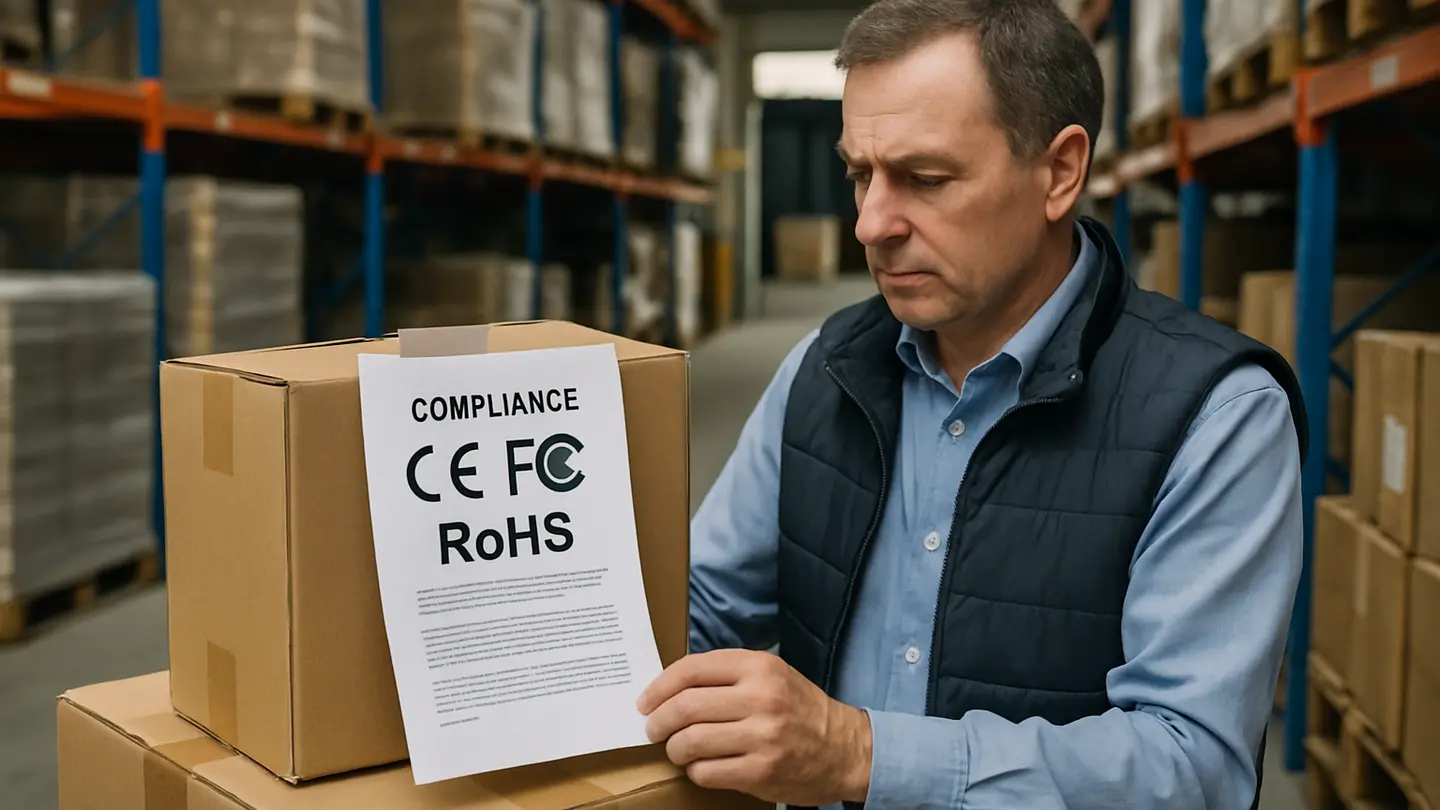
Shower products face numerous challenges during transportation, such as handling, vibration, stacking, humidity, and impacts. Issues like cracked showerheads or unreadable barcodes can lead to significant costs, including chargebacks and returns, eroding profit margins and damaging a company’s reputation.
Effective packaging testing is vital to evaluating both the product and its packaging system to ensure they can withstand challenges encountered throughout the shipping route. This guide outlines the steps in selecting an appropriate test path, executing the test, analyzing failures, validating packaging, and making cargo-release decisions.
What Drop and Packaging Tests Measure
Drop testing evaluates whether packaging can absorb impact energy to protect the product. Beyond simple drop tests, additional testing can include:
Vibration Testing: Simulates movement experienced during transportation to identify packaging weaknesses. For example, when shower products are shipped over long distances or rough terrains, vibration testing can help predict issues like loose caps or cracked plastic elements.
Compression Testing: Assesses the stacking strength of the packaging to ensure it can withstand stacking pressure without collapsing. This is particularly important for bulk shipments, where multiple layers of boxes are often stacked in warehouses or during transit.
Humidity and Climate Testing: Evaluates resistance to moisture and temperature fluctuations to ensure longevity. Shower products, especially those with fragrances or sensitive components, must be tested in various environmental conditions to maintain quality.
Shock and Impact Testing: Measures the packaging’s ability to absorb shocks during handling. This proves crucial when products are handled multiple times throughout the supply chain.
Seal, Closure, and Barcode Checks: Ensures packaging integrity and label readability. These checks are vital for logistical efficiency and customer satisfaction, ensuring products reach their destination in prime condition.
During validation, key questions to consider are:
- Can the product withstand expected forces throughout transit?
- Do packaging materials retain their protective properties under stress?
- Does the packaged product maintain integrity throughout distribution?
Understanding terms like “master carton,” “inner pack,” “ISTA,” and “ASTM” is crucial. Informal factory drop tests, while useful for initial assessments, do not provide the same assurance as formal validation processes.
The Packaging Validation Workflow for Shower Products
A reliable five-stage workflow should be established: selecting the test path, defining failure criteria, consistently executing tests, investigating damage mechanisms, and applying corrective actions. Testing production samples is crucial as non-production samples can lead to false confidence.
Step 1: Select a Test Path That Matches the Shipping Route
Selecting the appropriate test path requires considering product type, packaging design, shipping mode, and handling conditions. Document all product dimensions, weights, and packaging regulations. Retailers like Amazon have specific packaging requirements that must be understood and adhered to. Custom testing might be needed to address unique risks, such as those associated with long sea routes.
Consideration of the shipping route is crucial. For instance, products transported via ocean freight need different specifications than those shipped via air due to varying environmental factors and handling processes. Products might be subject to prolonged exposure to salt spray or temperature variations during ocean transport, necessitating additional protective measures like moisture barriers and corrosion-resistant materials.
Step 2: Execute the Test Using a Controlled Procedure
Before testing, finalize and freeze packaging specifications. Clearly mark and weigh the package, ensuring consistency with real-world conditions. Follow formal test sequences meticulously, including thorough inspections for potential damage. Establish acceptance criteria upfront, considering both retail and after-sale requirements.
Executing the test using a controlled procedure is essential to establishing a baseline for packaging performance. Following established standards like those from ISTA helps mitigate variables that could otherwise affect the test’s outcome. For shower products, real-world simulation is critical to mimic handling, storage, and transportation conditions accurately.
Step 3: Convert Test Results into Packaging Improvements
After testing, identify failure mechanisms indicating vulnerabilities. Simply opting for thicker cartons isn’t always the best solution. Materials should be considered for better protection against movement, or moisture-resistant materials for humidity-prone routes. Adjustments to packaging must align with protective needs identified through testing.
Evaluating test results requires an understanding of the specific failures encountered. For instance, recurring damage to product corners might suggest a need to redesign corner protectors or use more resilient packaging materials. Collaboration with packaging engineers can provide insights into selecting durable, cost-effective materials without compromising protection.
Failure Analysis: Diagnosing Corner-Pad Damage
Address corner damage by closely examining energy transfer paths:
- Observe initial carton corner impact.
- Note any compression or fracture of the padding material.
- Assess any product movement within the carton.
- Determine if impact energy affected the product itself.
To mitigate such damage, consider using alternate materials or redesigning the inserts. Re-testing revised packaging configurations is critical to ensure adequate protection.
Diagnosis of corner-pad damage offers insights into broader packaging weaknesses. By analyzing these failures, companies can address specific design flaws, enhancing overall packaging integrity. This iterative approach often reveals unexpected benefits, such as weight reduction or easier handling, that enhance both logistics and customer satisfaction.
From Laboratory Approval to Factory Pre-Shipment Validation
Begin with an approved golden sample, with all packaging details meticulously documented. Specify packaging requirements clearly within purchase orders. Factory inspections should utilize random samples to verify compliance and ensure accuracy with specified materials.
While packaging screenings can catch obvious failures, they are not substitutes for formal laboratory validations. A systematic approach ensures comprehensive protection during transit.
From laboratory approval to factory validation, collaboration between quality assurance teams and suppliers is vital. This partnership fosters continuous improvement and alignment on expectations, reducing mismatches and enhancing product protection. Supplier scorecards can track performance over time, providing valuable insights for both parties.
How Packaging Validation Protects Shower-Product Margins
Thoughtful execution of packaging validation minimizes financial risks by aligning packaging performance with claims, returns, labor, and costs. Adequate protection ensures customers receive products as intended, fostering trust and strengthening brand reputation.
Reduce Transit Damage and Customer Returns
Through effective cushioning and strategic use of partitions, damage—particularly to delicate components—can be prevented. Engineered supports offer predictable product positioning, enhancing the unboxing experience for customers. Ensuring a balance between practicality in assembly and sufficient protection is pivotal.
An effective packaging validation strategy reduces transit damage and customer returns, directly impacting profitability. Enhanced cushioning methods and innovative materials contribute to a positive customer experience, potentially leading to repeat business and brand endorsements. These benefits extend beyond immediate cost savings, supporting long-term customer relationships.
Support Amazon and Retail Routing Compliance
Comprehensive tests reveal risks in handling, labeling, and overall compliance. Ensuring that packaging and labeling meet specific channel requirements avoids unnecessary delays and costly deductions.
Supporting Amazon and retail routing compliance requires understanding nuanced guidelines and proactively addressing potential issues. This may involve consultation with logistics experts to streamline packaging processes and implement technologies that enhance tracking and compliance, such as RFID tags or scannable barcodes.
Build Packaging Checks into Pre-Shipment Quality Control
Incorporate comprehensive packaging checks into overall inspection plans. Verify the integrity of materials and the packaging itself to thwart inappropriate substitutions that could compromise the shipment’s protection quality.
Building packaging checks into pre-shipment quality control offers an opportunity to refine the entire supply chain’s efficiency. By identifying discrepancies early, costly corrective actions can be minimized, while real-time data provides insights for continuous improvement. Collaborative audits with suppliers further enhance trust and cohesion.
Improve Supplier Scorecards and CAPA Follow-Up
Tracking testing outcomes enables improvements in supplier performance records. Failed tests should initiate Corrective and Preventive Action (CAPA) records, detailing necessary actions and verifications for each failure.
Supplier scorecards and CAPA follow-up are invaluable tools in maintaining superior packaging standards. Regular reviews highlight areas for improvement, while detailed CAPA documentation ensures accountability and fosters a culture of quality. Open communication and shared objectives align suppliers with business goals, benefiting the entire supply chain.
Where Drop and Packaging Testing Can Fall Short
Testing alone cannot encompass the whole complexity of distribution hazards. Identifying broader risks, such as vibration or climate conditions, is crucial. A comprehensive validation program integrating various tests is essential.
Limitation 1: A Single Drop Cannot Recreate the Ocean Route
No single drop can simulate the entirety of a distribution journey. For maritime routes, incorporate climate-conditioned testing and account for extensive distribution maneuvers.
Simulating the complexity of ocean routes requires a multi-faceted approach. Factors like container stacking, salt air corrosion, and rapid temperature changes necessitate sophisticated methodologies. Incorporating technology, such as sensors and data logging, helps provide insights into the actual conditions products face.
Limitation 2: Testing Creates Production and Logistics Friction
Define and align requirements early to avoid conflicts during late-stage production. Understand that thicker cartons are not always the best solution and explore alternative packaging strategies.
Balancing rigorous testing with efficient production involves early intervention and cross-functional collaboration. Advanced planning and clear communication between teams ensure that production schedules and packaging requirements align seamlessly, minimizing friction and costs.
Common Buyer Errors in Packaging Validation
Common errors include assuming pilot samples reflect final production quality. Thoroughly check all details, including barcodes and the overall retail presentation. Consistently verify production packaging to ensure it provides protection throughout shipment.
Avoiding common buyer errors in packaging validation calls for a disciplined approach. Recognizing the difference between pilot samples and production quality ensures that no detail is overlooked. Regular audits, coupled with technology integration such as 3D modeling and simulation, provide assurance that products reach consumers with minimal risk.
Final Takeaway: Make Packaging Validation Part of Cargo Release
Integrating packaging validation into shipping decisions is essential. Ensure that the tested package mirrors the actual production version. By following a structured procedure, products are safeguarded throughout transit, enhancing reliability and protecting margins conclusively.
Packaging validation should be an integral part of the cargo release strategy. Commitment to continuous validation ensures packaging solutions meet evolving market expectations, bolstering competitive advantage. This strategic alignment between packaging and business goals fosters resilience and long-term success in a dynamic and challenging market landscape.