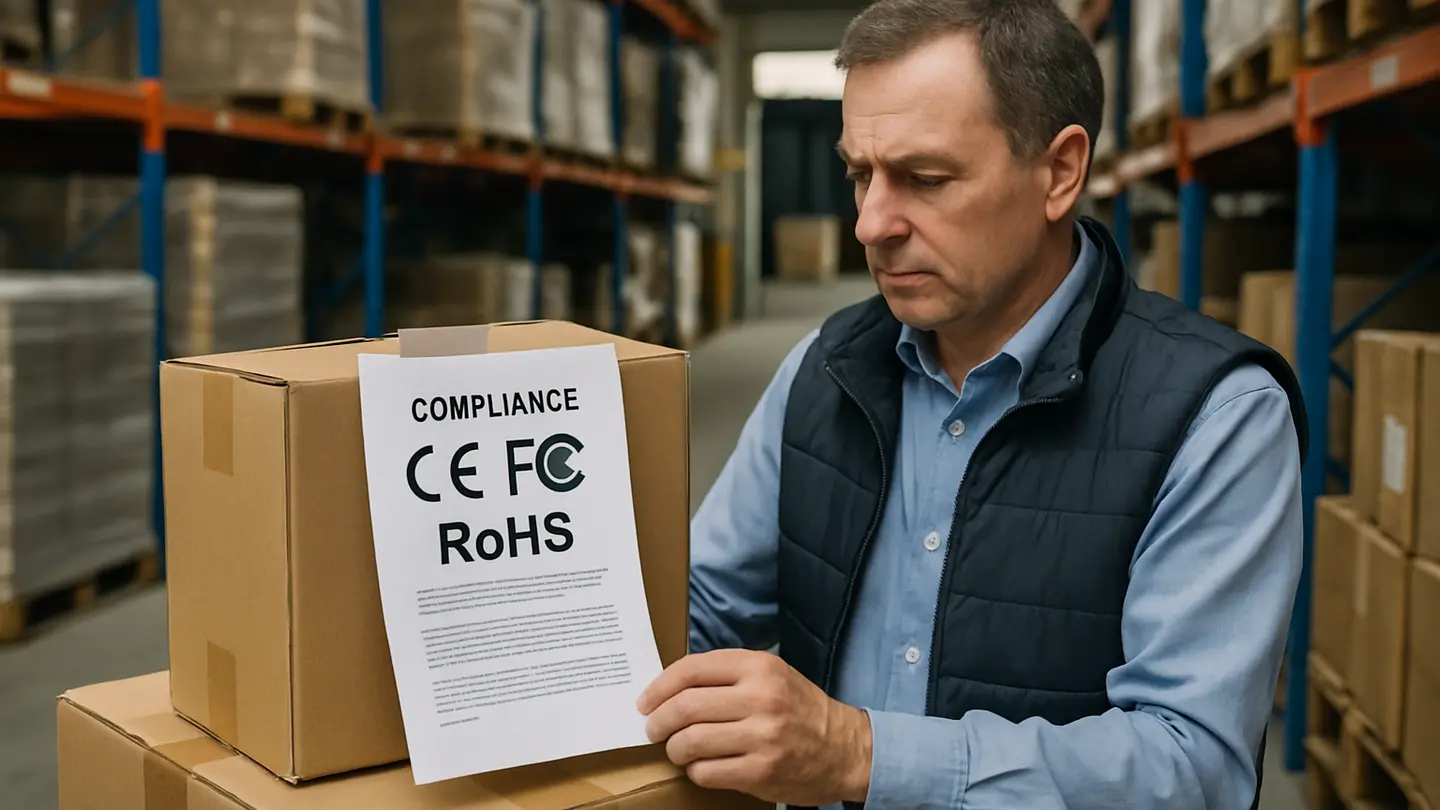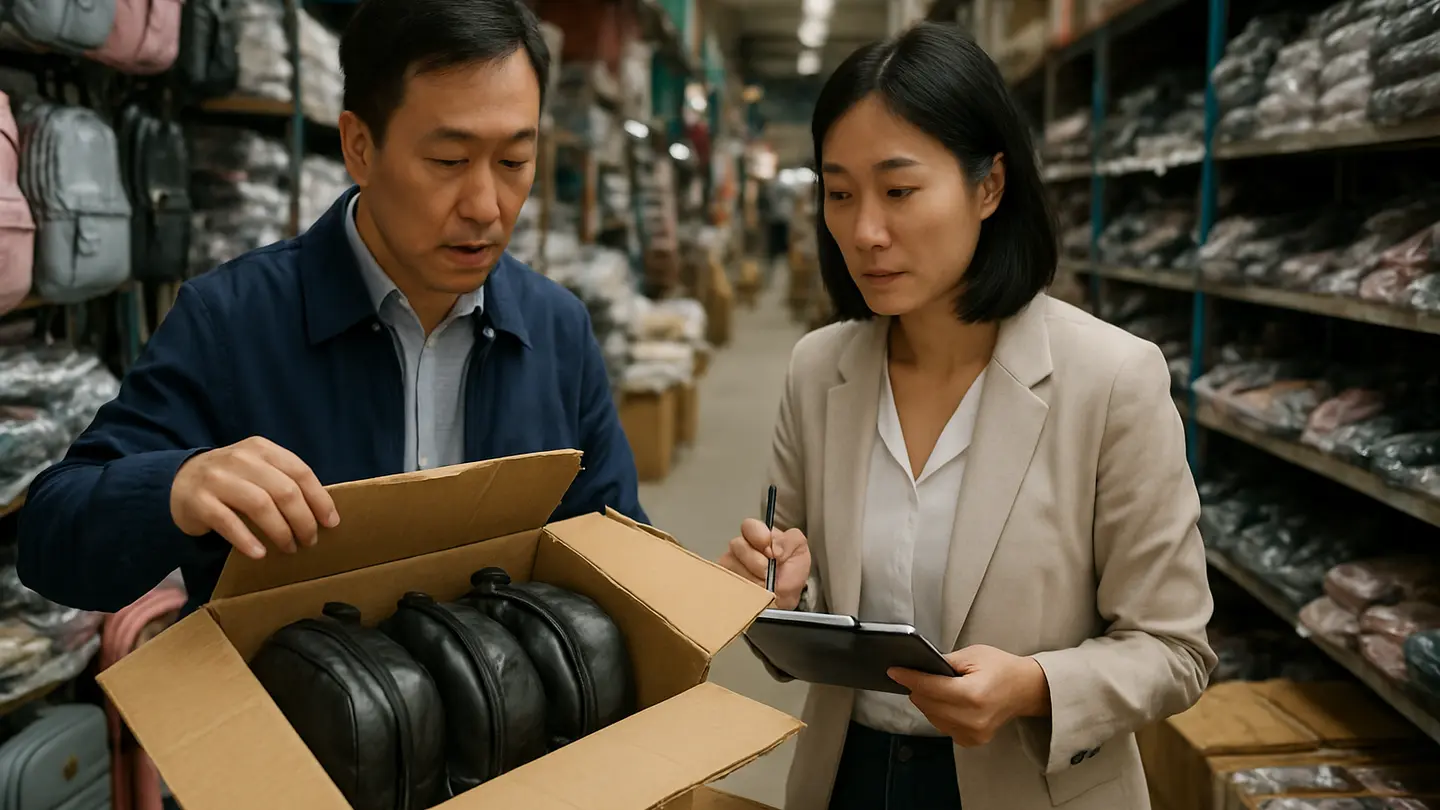
A pre-shipment inspection in China is most valuable when the goods are finished, packed or nearly packed, and the supplier’s final balance has not yet been released. At that point, the buyer still has commercial leverage: the factory wants payment, the buyer wants confirmation, and the order is available for review before it leaves the supplier’s control.
For B2B buyers, this inspection is a decision point. The inspector checks what has actually been produced against the purchase order, approved sample, specifications, packaging requirements, and shipping instructions. If the order passes, the buyer can usually proceed with final payment and shipment. If it fails, the buyer still has options.
Once final payment is made, or once goods are shipped, the balance of power changes. Defective products may already be in transit, cartons may be mixed into overseas inventory, and any repair, replacement, return, or disposal becomes slower and more expensive. The practical inspection window is narrow: after production and packing are sufficiently complete, but before the buyer releases the final supplier balance.
Why Inspection Timing Shapes the Outcome
Timing often determines whether an inspection produces a useful outcome or merely records a problem after the buyer has lost leverage.
Before the final balance clears, most factories have a stronger incentive to respond to inspection findings. They may sort defective units, replace damaged parts, correct labels, rework packaging, or remake part of the order because payment is still pending. The buyer can condition final payment on specific corrective actions.
After payment, the same conversation becomes harder. A supplier may still cooperate, especially if the relationship is important, but the buyer is relying more on goodwill than leverage. If the shipment has already left China, the problem becomes harder again. Overseas rework, returns, warehouse inspections, customer complaints, and recalls can cost more than factory-side correction.
Approved samples are helpful, but they are not proof that the full batch matches the agreed standard. A sample may have been made by a senior technician, assembled with extra care, or selected from the best units. Mass production introduces variation: different workers, material batches, tooling wear, rushed packing, subcontracted components, or last-minute substitutions.
Pre-shipment inspection checks the finished batch before those issues become the buyer’s overseas problem. It is especially important for:
- first orders with a new supplier;
- customized products;
- products with visible finish requirements;
- goods with functional or safety expectations;
- retail or e-commerce packaging;
- orders with barcodes, warnings, country-specific labels, or mixed assortments;
- high-value or seasonal shipments where replacement time is limited.
Earlier inspections can help catch defects while production is still running and corrections are cheaper. But the pre-shipment inspection remains the final checkpoint before payment and shipment approval.
An inspection after full payment can still help with documentation, claims, and internal records. However, it is weaker as a negotiation tool. For most B2B buyers, the strongest position is to inspect while goods are ready but the final balance is unpaid.
What Inspectors Check Before Shipment
Pre-shipment inspections are usually booked when production is mostly complete and the goods are packed or nearly packed. Many buyers prefer inspection when most cartons are sealed and available for sampling, because the inspector can verify the actual packed shipment.
The inspection scope should follow written instructions. A vague request such as “check quality” leaves too much room for interpretation. Buyers should provide purchase order details, product specifications, approved samples or photos, drawings, packaging artwork, carton marks, labeling rules, test requirements, and known risk points.
Common inspection areas include:
| Inspection area | What the inspector verifies |
|---|---|
| Quantity and packing status | Finished quantity, packed quantity, carton count, incomplete goods, missing units |
| Assortment | Sizes, colors, models, accessories, spare parts, mixed-carton ratios |
| Packaging | Inner boxes, polybags, inserts, manuals, carton strength, sealing, palletization if required |
| Labels and marks | Barcodes, SKU labels, warnings, country-of-origin labels, shipping marks, carton numbers |
| Product appearance | Surface finish, scratches, dents, stains, color variation, visible workmanship defects |
| Function | Basic operation, assembly, moving parts, water-flow checks where practical, fit of components |
| Dimensions and weight | Product size, hole spacing, hose length, wall bracket dimensions, carton dimensions, gross/net weight |
| Conformity | Match with approved sample, drawings, bill of materials, branding, and order-specific requirements |
For shower and bathroom-related products, inspection may include finish consistency on plated parts, thread compatibility, completeness of installation kits, hose flexibility, handheld shower switching function, gasket presence, and packaging protection for fragile or polished surfaces. The exact checklist depends on the product type and sales channel.
It is important to distinguish on-site checks from laboratory testing. An inspector can perform basic functional checks, measurements, visual review, carton drop checks if instructed, barcode scans, simple assembly trials, and other practical tests available at the factory. Formal testing—such as chemical composition, coating thickness certification, pressure endurance under controlled conditions, or regulatory compliance testing—usually requires a qualified laboratory and should be arranged separately.
A pre-shipment inspection is therefore not a substitute for product certification or lab testing. It is a shipment-readiness check against agreed commercial and technical requirements.
How Inspectors Decide Whether the Order Passes or Fails
Inspectors do not normally check every unit. They select samples from the finished and packed goods according to an agreed sampling plan. The most common approach is AQL, or Acceptable Quality Limit, sampling.
AQL sampling determines how many units to inspect and how many defects can be accepted before the order fails. The sample size depends on order quantity and inspection level. The acceptance limit depends on the defect category and the buyer’s tolerance.
Defects are usually classified as:
- Critical defects: Problems that may create safety risks, legal non-compliance, or make the product clearly unacceptable for sale. Examples include dangerous sharp edges, missing required safety warnings, serious contamination, or a product that cannot be used as intended.
- Major defects: Problems likely to cause customer complaints, returns, functional failure, or rejection by the buyer’s sales channel. Examples include leaking assemblies, incorrect components, wrong dimensions, missing accessories, unreadable barcodes, or visible finish damage on consumer-facing surfaces.
- Minor defects: Problems that do not materially affect function or saleability but still fall below the agreed workmanship standard. Examples include small cosmetic marks in less visible areas, slight packaging scuffs, or minor printing imperfections within agreed tolerance.
The distinction between major and minor defects should reflect the buyer’s market, product positioning, and customer expectations. A small cosmetic mark on a low-cost industrial component may be minor. The same mark on a premium retail shower set may be major.
To reduce disputes, buyers should prepare inspection references before production starts and reconfirm them before inspection. Useful references include:
- approved golden samples;
- clear photos of acceptable and unacceptable defects;
- technical drawings with tolerances;
- packaging artwork and label files;
- installation manual requirements;
- critical-to-quality checklist items;
- previous inspection reports, if relevant;
- written agreements on what counts as critical, major, or minor.
Without these references, disagreements are more likely. The supplier may argue that a defect is acceptable for the price level, while the buyer may consider it unsellable. A clear checklist makes the inspection more objective and the report easier to act on.
How to Read the Report and Make the Commercial Decision
The inspection report is a commercial decision tool.
A typical report includes order details, inspection date, factory location, production status, sampling method, checked quantity, defect list, photographs, test results, packaging findings, quantity verification, and an overall pass or fail result.
A passing report usually supports releasing the final supplier balance and arranging shipment collection. “Pass” does not mean every unit is perfect. It means the sampled goods fell within the agreed acceptance limits and no unresolved critical issue was found. The buyer should still review the details, not only the summary result.
A failed report gives the buyer options before payment:
- ask the factory to rework defective units;
- sort the batch and remove nonconforming goods;
- replace missing or defective accessories;
- correct packaging, labels, barcodes, or shipping marks;
- remake part of the order;
- negotiate a discount if the defect is commercially acceptable;
- delay shipment until a reinspection passes;
- reject the batch if the failure is serious.
Serious failures may justify rejecting the order outright, especially if products are unsafe, materially different from the approved sample, non-compliant with the buyer’s market, or impossible to rework within the shipment deadline. In other cases, a practical solution may be possible if the supplier can correct the issue quickly and provide evidence.
Buyers should avoid scheduling inspection on the same day as container loading or courier collection. If the inspection fails, there must be time for sorting, repairs, replacement, repacking, relabeling, and possible reinspection.
The inspection result should also connect to payment terms. If the contract says the final balance is due “before shipment” but does not mention inspection, the buyer may have less room to insist on corrective action. Stronger arrangements state that final payment is subject to a passing pre-shipment inspection or mutually agreed corrective action.
Who Should Carry Out the Inspection
The value of a pre-shipment inspection depends heavily on independence. A factory’s internal quality-control team may be useful, but factory self-inspection is not the same as an independent third-party inspection. The supplier has a direct interest in shipping the order and receiving payment, so its own report may not give the buyer enough confidence.
Common inspection options include:
- Global testing and inspection firms: Often suitable for buyers needing standardized reporting, broader technical services, or links to laboratory testing. They may be more expensive and sometimes less flexible for small or urgent orders.
- Local inspection companies: Often cost-effective and practical for routine inspections. Service quality depends on inspector training, reporting standards, product familiarity, and management oversight.
- Sourcing-agent quality-control teams: Useful when the agent is genuinely acting for the buyer and understands the order history, supplier relationship, and product requirements. The buyer should still confirm how independent the QC team is from the factory.
- Buyer’s own staff: Suitable for larger buyers with local teams or high-value programs. This offers direct control but requires trained personnel and travel coordination.
The best provider depends on product risk, order value, technical complexity, and buyer expectations. A simple visual and packaging inspection for standard goods is different from an inspection involving electrical safety, pressure performance, food-contact materials, or strict retail compliance.
Before appointing an inspector, buyers should ask:
- What sampling standard will be used?
- Can the inspector follow a custom checklist?
- How detailed are the photos and defect descriptions?
- Can the provider check barcodes, labels, and packaging artwork?
- Does the inspector have experience with this product category?
- How quickly will the report be delivered?
- Can the provider support reinspection after corrective action?
- Is the inspector paid by the buyer rather than the factory?
Independence does not guarantee perfection, but it reduces the risk of biased reporting and gives the buyer a clearer basis for payment and shipment decisions.
FAQ
Q1: Do I need an inspection on a first order from a new factory?
Yes, in most cases. A first order from a new factory usually warrants inspection because the supplier has no proven performance record with the buyer. Good samples, professional communication, and acceptable certifications do not prove that the factory can perform on a real order under commercial deadlines.
Once several orders have passed consistently, the buyer may consider a lighter inspection plan. That could mean inspecting every other shipment, focusing on high-risk SKUs, or combining factory QC records with periodic independent checks. However, reducing inspection frequency should be based on demonstrated performance, not supplier promises.
Q2: What does it mean when a supplier resists an inspection?
Resistance to inspection should be treated as a risk signal. Confident factories generally expect overseas buyers to inspect finished goods, especially before a first shipment or significant order.
There may be practical reasons for hesitation, such as production delays, incomplete packing, or concern about disrupted schedules. Those issues can usually be managed by rescheduling. Persistent resistance is different. If a supplier refuses access, discourages carton opening, demands final payment before inspection, or claims inspection is unnecessary, the buyer should slow down.
For a first shipment, strong resistance may justify delaying final payment until the goods can be independently checked.
Q3: What do I give the inspector before the visit?
Give the inspector enough information to compare the finished goods with clear requirements. At minimum, provide:
- purchase order and invoice details;
- product specifications;
- approved sample or clear sample photos;
- drawings and key dimensions;
- packaging requirements;
- label, barcode, warning, and shipping mark files;
- quantity and assortment breakdown;
- critical defects to watch for;
- on-site test instructions;
- acceptable and unacceptable defect examples if available.
Vague instructions produce weak reports. If the inspector does not know the required hose length, finish standard, barcode location, or accessory list, the report may miss issues that later become disputes.
Q4: Does the inspector have to open cartons that are already packed?
Yes. Inspectors normally open sampled cartons during a pre-shipment inspection. The point is to verify the actual packed goods, not only products shown separately by the factory. Sampling from sealed cartons helps confirm quantity, assortment, packaging, labeling, and product condition inside the shipment.
Opened cartons are usually resealed after the sampled goods are checked. Buyers should allow enough time and make sure the factory has spare tape, labels, straps, cartons, or other materials needed for proper resealing. If packaging must remain retail-perfect, tell the inspector and factory in advance.
Final Takeaway: Tie Payment to a Passing Inspection
Pre-shipment inspection findings matter most before the final supplier balance is released. At that point, the buyer can still require rework, sorting, replacement, corrected labels, repacking, renegotiation, or rejection before money and goods move beyond easy control.
The same defects discovered after payment or shipment create a weaker position. The buyer may still have contractual rights, but enforcement is slower and more expensive. In practice, prevention is usually cheaper than overseas correction.
Inspection frequency should depend on product risk, supplier history, order value, customization level, compliance requirements, and any changes in materials, design, packaging, or production location. A low-risk repeat order from a reliable supplier may not need the same inspection intensity as a first order, a new product launch, or a shipment for a demanding retail channel.
Whenever possible, buyers should link final payment to a passing pre-shipment inspection in China. That simple payment condition turns the inspection report into a practical control point rather than a late-stage record of avoidable problems.