What Makes an Import Category Profitable for Resale?
The most profitable items to import from China are rarely defined by the lowest unit price alone. A product that looks inexpensive on a supplier quotation can become unprofitable after freight, customs clearance, marketplace charges, advertising, storage, refunds, and customer support are included.
A practical evaluation starts with landed cost: the total cost of having a sellable unit available in the destination market. This normally includes:
- Ex-works or FOB product price
- Export packaging and labeling
- Freight, insurance, and customs duties
- Import taxes and brokerage charges
- Product inspections and laboratory testing
- Warehousing, fulfillment, and marketplace fees
- Advertising, discounts, payment processing, and returns
Lightweight, compact products generally offer more room for margin because freight represents a smaller share of their retail price. By contrast, a low-value but bulky item can consume its apparent price advantage in dimensional-weight charges, container space, storage fees, and damage claims.
Evergreen products are also usually safer than strongly seasonal goods. A holiday decoration may sell quickly for a short period, but unsold inventory can tie up cash for months. Categories with stable year-round demand allow more predictable reordering and reduce the pressure to discount aged inventory.
Return risk deserves equal attention. Products that buyers cannot evaluate easily online—such as items with uncertain fit, color accuracy, texture, performance, or compatibility—may generate higher refund rates. A strong import category has a clear use case, a specification that can be communicated accurately, and quality that can be checked before shipment.
Eight Product Categories With Strong Import Potential
The following categories can offer commercial potential when the importer has a defined customer, a differentiated offer, and a controlled quality process. They are not automatic winners: each has specific sourcing and compliance risks that must be managed before a purchase order is placed.
1. Electronics Accessories
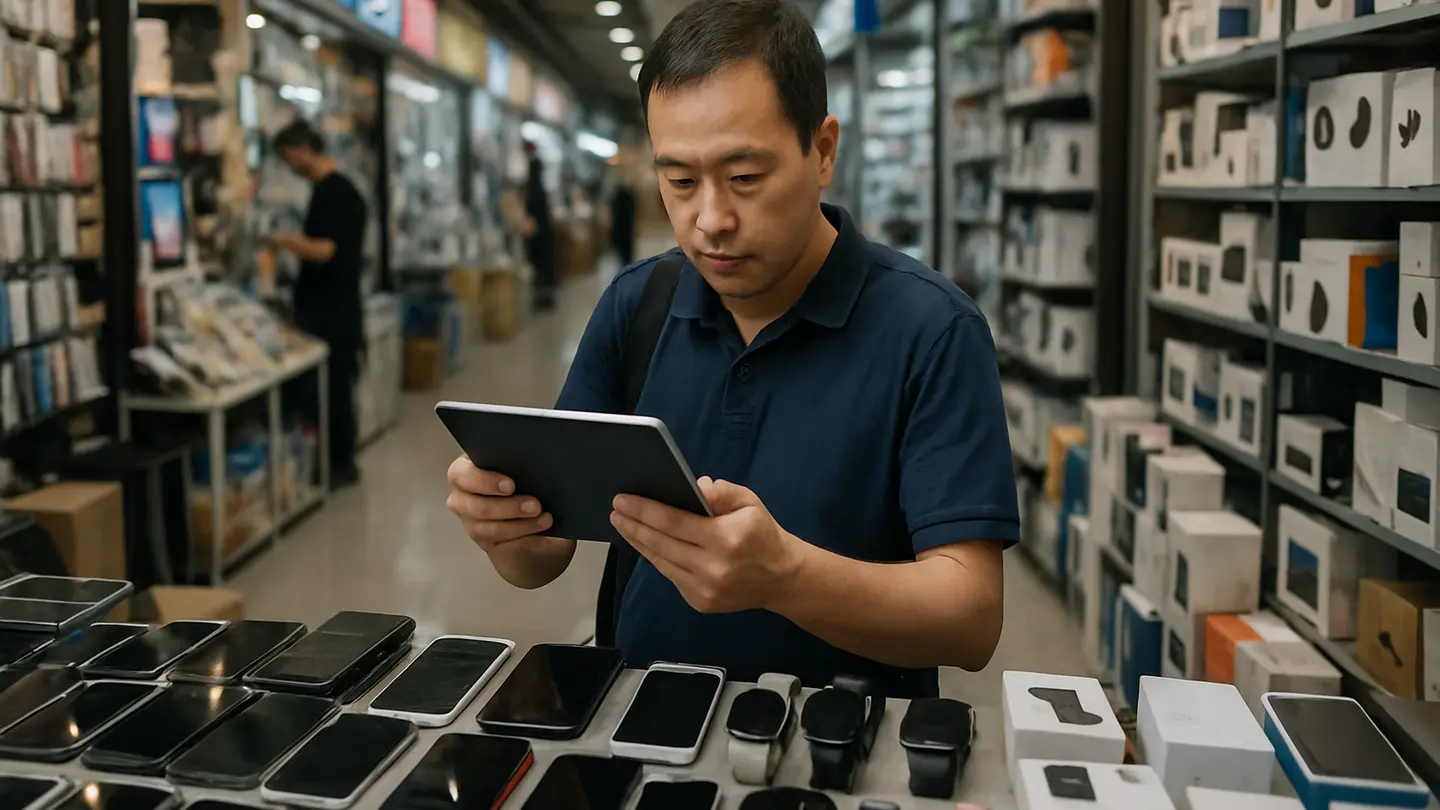
Phone stands, charging cables, cases, cable-management products, laptop sleeves, webcam covers, adapters, and desk accessories can be attractive because demand is broad and products are often compact. Accessories also allow sellers to create bundles, color variations, or packaging tailored to a specific retail audience.
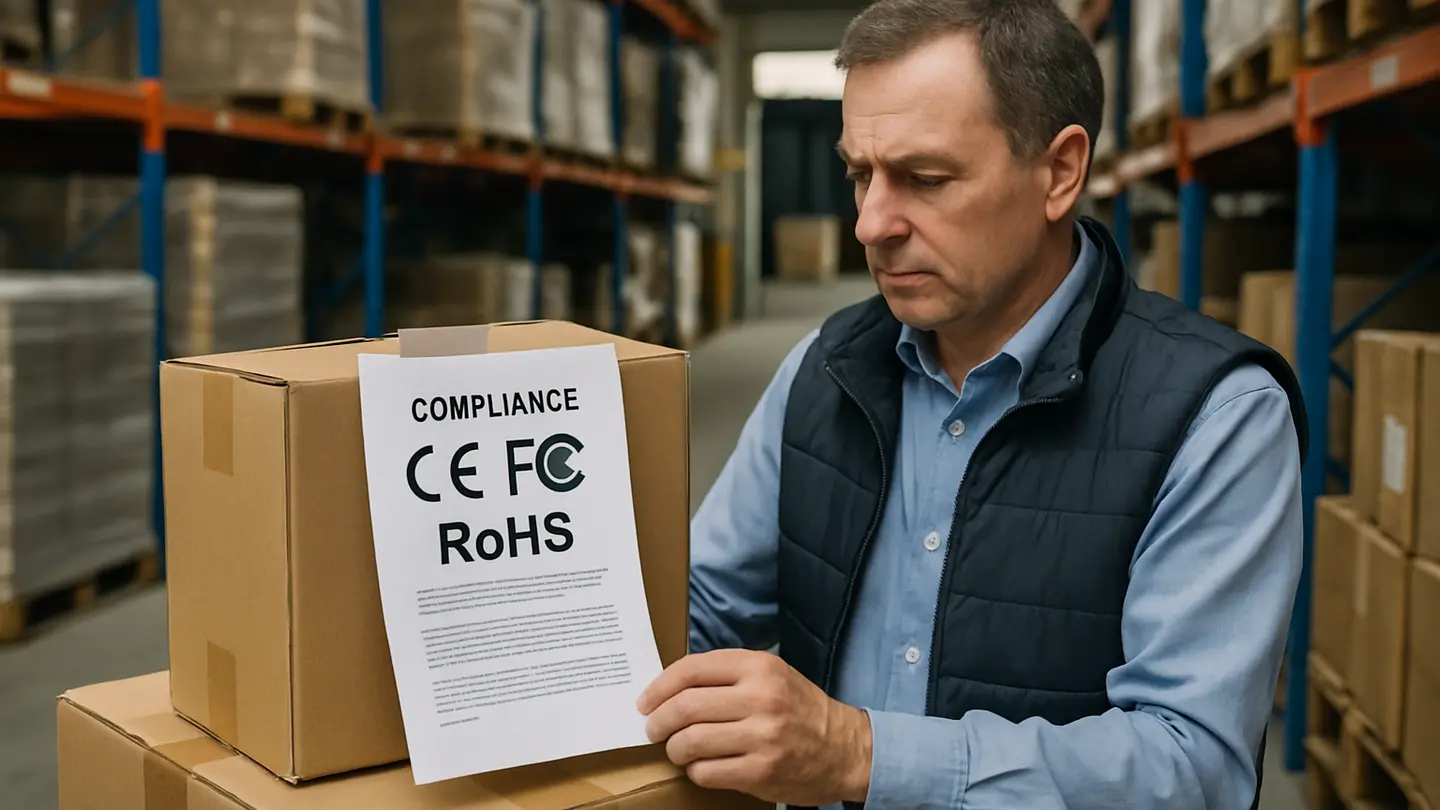
The challenge is crowded competition. Generic accessories are easy to source, so a product without a clear advantage can become a price-driven commodity. Compatibility claims must be accurate, and powered products may need market-specific approvals or testing. Depending on the product and destination, this can include electrical safety, electromagnetic compatibility, RoHS, CE, FCC, or other requirements.
Avoid relying on a supplier’s generic compliance statement. Ask for reports that match the exact model, components, and destination-market requirements. For products involving chargers, batteries, wireless functions, or mains power, obtain specialist compliance advice before ordering.
2. Home Goods
Small home and kitchen goods can sell steadily because they serve repeat, practical needs. Storage organizers, hooks, drawer dividers, cleaning tools, drinkware accessories, bathroom organizers, and simple kitchen tools are often suitable for e-commerce when they are compact and easy to demonstrate.
However, home goods can create costly returns when materials or finishing vary between batches. A plastic organizer may arrive with sharp edges, a coated metal item may rust, or a kitchen tool may differ from the approved sample in thickness or color. Products intended for food contact require particular care, including appropriate material declarations and testing where applicable.
Look beyond appearance when comparing quotations. Define dimensions, weight, material grade, coating, load capacity, color tolerance, packaging, and defect limits. A lower quote may reflect thinner material, weaker adhesive, lower-grade stainless steel, or less protective packaging.
3. Toys and Hobby Products
Toys, craft kits, educational products, and simple hobby items can support attractive retail pricing when they offer a clear activity or learning value. Packaging and product presentation matter greatly in this category, creating room for private-label design and differentiated instructions.
Children’s products bring substantial responsibility. Safety requirements can cover age grading, small parts, sharp points, flammability, chemical content, labeling, tracking information, and warnings. Requirements vary by destination market, and product changes after testing can invalidate the basis for compliance.
Do not treat safety testing as an afterthought. Confirm the target age group, intended use, components, packaging, and required warnings before production. If the product includes magnets, batteries, projectiles, slime, paint, or small detachable pieces, review the applicable requirements especially carefully.
4. Fitness and Wellness Items
Resistance bands, massage balls, yoga accessories, grip trainers, posture-support accessories, and recovery tools can appeal to consumers seeking convenient home-use products. They are often suitable for bundling, branded packaging, and instructional content.
The main risk is overclaiming. A standard exercise or comfort product may be sold as a general consumer item, but statements that imply treatment, rehabilitation, pain relief, or medical outcomes can create additional regulatory and marketplace obligations. Product durability is also important: snapped bands, weak seams, poor odors, and inconsistent foam density can quickly undermine ratings.
Design, packaging, material selection, and clear instructions can distinguish an otherwise simple product. Require realistic usage testing during sampling, especially for elastic, load-bearing, or repetitive-motion items.
5. Stationery and Office Supplies
Stationery can be a practical import category because many items are lightweight, inexpensive to ship, and suitable for repeat purchases. Desk organizers, notebooks, labels, pens, planners, storage pouches, and creative supplies can be sold individually, as themed sets, or through business and school channels.
The category is highly competitive, so visual differentiation matters. Custom covers, coordinated color systems, improved packaging, or a niche customer focus can help avoid direct comparison with generic listings. Quality issues often involve ink leakage, weak binding, inconsistent paper weight, poor printing alignment, or misleading dimensions.
For paper-based products, confirm paper weight, sheet count, binding method, print colors, coatings, and packaging protection. If selling to children, verify whether inks, coatings, and small components trigger additional safety requirements.
6. Beauty Tools and Personal-Care Accessories
Non-powered beauty accessories—such as cosmetic bags, brushes, applicators, mirrors, headbands, manicure tools, and storage products—can support branding through design and packaging. They are generally less complex than importing finished cosmetic formulations, provided the seller avoids medical or therapeutic claims.
The key distinction is between an accessory and a regulated cosmetic, personal-care device, or medical-style product. Finished creams, serums, cleansers, or products making claims about acne treatment, skin healing, hair regrowth, or disease prevention may require registrations, ingredient documentation, safety assessments, or other market-specific obligations.
For beauty tools, assess material safety, odor, corrosion resistance, bristle shedding, sharp edges, and cleaning instructions. Avoid making promises that exceed what the product can reasonably demonstrate.
7. Pet Supplies
Pet accessories offer diverse opportunities, including grooming tools, feeding accessories, travel bowls, toys, waste-bag dispensers, collars, leashes, and storage solutions. Buyers often respond well to thoughtful design, durable materials, and packaging that communicates a clear benefit.
Pet products require robust quality control because failure can affect animal welfare and brand reputation. A weak leash clasp, splitting chew toy, or poorly finished grooming tool may lead to complaints or injury claims. Products intended for ingestion, pest control, supplements, or medical use involve higher regulatory risk than ordinary accessories.
Private labeling can work well in this category, but product instructions, size guidance, material details, and safe-use warnings should be clear. Test load-bearing products under realistic conditions rather than relying only on supplier claims.
8. Travel Accessories
Packing cubes, luggage tags, toiletry bags, travel pillows, passport holders, cable organizers, refillable containers, and compact storage products can perform well because they are practical, giftable, and easy to bundle. They also provide opportunities for differentiated colors, fabrics, closures, and branded packaging.
The category can be seasonal around holiday and summer travel periods, so inventory planning matters. Quality issues commonly include weak zippers, poor stitching, unpleasant odors, damaged coatings, inaccurate dimensions, and low-quality hardware. Travel products associated with security, aviation, or liquids should not make unsupported claims about airline acceptance or protective performance.
Products with a useful design improvement—better organization, stronger materials, easier cleaning, or clearer sizing—are often more defensible than generic versions.
Where to Source These Product Categories in China
China’s manufacturing clusters can make supplier research more efficient because factories, component vendors, packaging providers, and service companies often concentrate in the same region. This does not mean every supplier in a cluster is equally capable, but it can speed up quotation collection, sample development, and category-specific communication.
Shenzhen and Dongguan are widely associated with electronics production and related supply chains. Buyers sourcing accessories, small devices, cables, and connected products may find a broad range of component and assembly capabilities in these areas. Verification is still essential, particularly where suppliers claim testing or certification capability.
Yiwu is a useful location for a wide variety of small commodities, gift items, accessories, stationery, and household products. It can be efficient for buyers seeking variety and lower-volume product exploration, although many vendors are trading companies rather than direct manufacturers.
Foshan is commonly relevant for home, kitchen, hardware, and household-product sourcing. Buyers should identify whether a supplier specializes in the specific material or manufacturing process required, such as stainless steel, silicone, plastic injection molding, ceramics, or metal finishing.
Chenghai and Shantou are established toy-production areas. Their supplier networks can be valuable for toy, hobby, and educational-product development, but safety documentation, component control, and age grading should be reviewed with particular rigor.
Regional specialization can help with faster sampling and more informed technical discussions. Still, choose suppliers based on their ability to meet a written specification—not simply their location, showroom quality, or online listing.
Import Categories to Avoid Until You Have More Support
New importers should be cautious with product categories where a mistake can lead to safety issues, customs delays, account suspension, recalls, or serious liability.
Products making medical, therapeutic, diagnostic, or treatment claims are high risk. Even a simple wellness item can fall into a more regulated category if its marketing says it cures, treats, prevents, or diagnoses a condition.
Loose lithium batteries require dangerous-goods transport handling and may need specific test documentation, packaging, labeling, and freight arrangements. Battery-powered products can be manageable, but inexperienced buyers should work with qualified logistics and compliance professionals.
Children’s products demand careful attention to safety standards, chemical restrictions, labeling, age grading, and component testing. A supplier’s statement that a product is “safe” is not a substitute for documentation applicable to the destination market and the exact production model.
Finished cosmetics, supplements, food products, and ingestibles may require registrations, ingredient disclosures, facility controls, approvals, or local responsible-party arrangements. These categories are better approached after the importer has reliable regulatory support.
Also avoid oversized, low-value products that are expensive to ship and store; branded goods without authorized distribution rights; and counterfeit or lookalike products. Intellectual-property complaints, customs seizures, and marketplace enforcement can erase any apparent margin.
Test Products Before Committing to Inventory
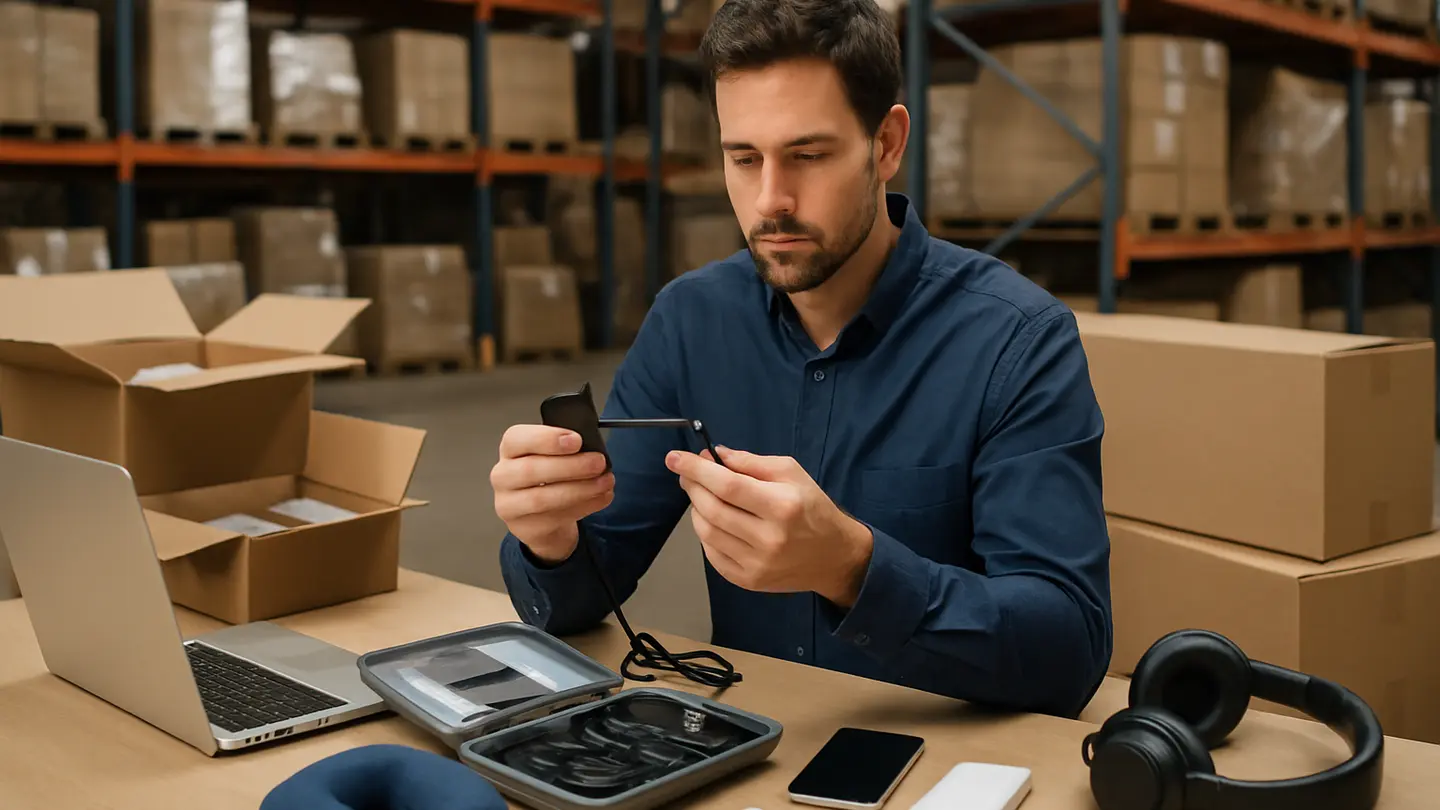
Order samples before approving mass production. A sample should be evaluated against the way customers will use the product, not merely photographed and approved for appearance. Check measurements, materials, function, packaging, odor, labeling, assembly, and likely failure points.
Once approved, retain a signed or clearly identified sample as a physical quality benchmark. This “golden sample” can be used by the buyer, supplier, and third-party inspector to resolve disagreements about color, construction, finish, and packaging.
Treat the first production run as a controlled commercial test. Its purpose is to validate three things:
- Whether real customer demand exists at the intended selling price.
- Whether the supplier can reproduce the approved sample consistently.
- Whether returns, defects, advertising costs, and fulfillment costs match the original model.
Calculate the landed cost before placing the order and define reorder thresholds in advance. For example, determine the sales volume, gross margin, defect rate, and inventory turn needed before committing to a second order.
It is usually prudent to delay expensive custom molds, elaborate private-label boxes, and large minimum-order commitments until demand is proven. A simple branded insert, label, or standard packaging variation may be sufficient for an initial test.
FAQ
Q1: How much margin should a reselling category leave?
There is no universal target because channel costs vary, but the margin must cover more than product and freight. Include marketplace commissions, fulfillment, storage, payment processing, advertising, discounts, returns, staff time, and a profit reserve.
Assess margin using realistic selling conditions. If the business plan works only when every unit sells at full price, with no returns and minimal advertising, the category is fragile. Model a conservative case with higher freight, a reasonable refund rate, and promotional spending before deciding to order.
Q2: What documents should I ask a supplier for before ordering?
At minimum, request the supplier’s business license and confirm that the company name matches the entity issuing quotations and receiving payment. For regulated products, ask for test reports and declarations relevant to the exact product model, materials, and destination market.
Also agree on a written product and packing specification. It should cover materials, dimensions, colors, logo placement, labeling, carton quantity, carton dimensions, barcode requirements, and defect standards. This document is useful for production control and can serve as an inspection reference before shipment.
Q3: Does a deep supply base mean lower prices?
A deep supply base can provide more quotation options, faster sample development, and access to specialized component suppliers. It may improve negotiating leverage, but it does not automatically create the lowest total cost.
Compare quotations only after standardizing the request. Every supplier should quote the same materials, dimensions, packaging, quality level, order quantity, Incoterm, and compliance requirements. A cheaper quotation may exclude testing, use a lower-grade material, or assume less protective packaging.
Q4: Do I need a sourcing agent to start?
A sourcing agent is not mandatory for every import business. Buyers with a straightforward product, clear specification, proven supplier, and experience in international purchasing may manage orders directly.
Agent support can be useful for unfamiliar categories, language barriers, supplier verification, factory visits, quality inspections, shipment coordination, and first orders. The value depends on the agent’s transparency, category knowledge, and ability to work from the buyer’s specification. Even when using an agent, the importer remains responsible for product compliance, commercial decisions, and final approval.
Conclusion: Protect Profitability Beyond the First Order
Successful importing depends on managing category-specific risk, not simply finding the lowest factory price. The most profitable items to import from China are typically those with a workable landed-cost structure, stable demand, manageable compliance requirements, and quality specifications that suppliers can reproduce consistently.
Margins can erode after the first order through freight increases, supplier substitutions, packaging changes, material downgrades, exchange-rate movements, and rising return rates. Protect the business with repeat inspections, updated landed-cost calculations, written specifications, and regular supplier performance reviews.
A disciplined purchasing process turns a promising product category into a more sustainable import program.
About the Author
The author is a B2B sourcing and supply-chain researcher covering international procurement, supplier evaluation, quality control, import planning, and commercial risk management. Their work focuses on practical decision-making for buyers managing cross-border product supply.