Moving from prototype to mass production is a common failure point in B2B sourcing. A buyer approves a sample, pays a deposit, confirms a shipment schedule, and expects the hard part to be over. Then the first production run arrives with loose fittings, color drift, leakage, poor alignment, cosmetic defects, or inconsistent packaging.
The problem is not always dishonesty or incompetence. Often, the sample was genuinely good—but it did not prove the factory could repeat the same result at volume.
A prototype may be built slowly by senior technicians, using selected components, extra adjustment, and informal fixes that never appear in the production plan. Mass production uses bulk material lots, line operators, production tooling, standard fixtures, time pressure, and normal process variation. What worked once on a workbench may not survive a run of 5,000, 20,000, or 100,000 units.
For buyers, this gap can create tied-up deposits, missed launch windows, rework costs, warranty claims, chargebacks, and margin erosion. Understanding why good samples still fail is the first step toward controlling the transition from sample approval to repeatable manufacturing.
Why Approved Samples Can Still Fail on the Production Line
A sample is often made under conditions that do not match the production line. The supplier may assign its most experienced technician, hand-select parts, polish surfaces again after assembly, or manually adjust a valve until the movement feels right.
These steps are not always visible to the buyer. The sample arrives looking correct, so the buyer signs off. But if the factory has not defined how ordinary workers will repeat those results, approval is fragile.
Mass production removes many special fixes used during sample making. Operators work to takt times. Assembly stations use standard tools and fixtures. Supervisors focus on throughput as well as quality. Components come from bulk material lots rather than a small sample batch. A process that allowed ten minutes of adjustment during prototyping may allow only thirty seconds during production.
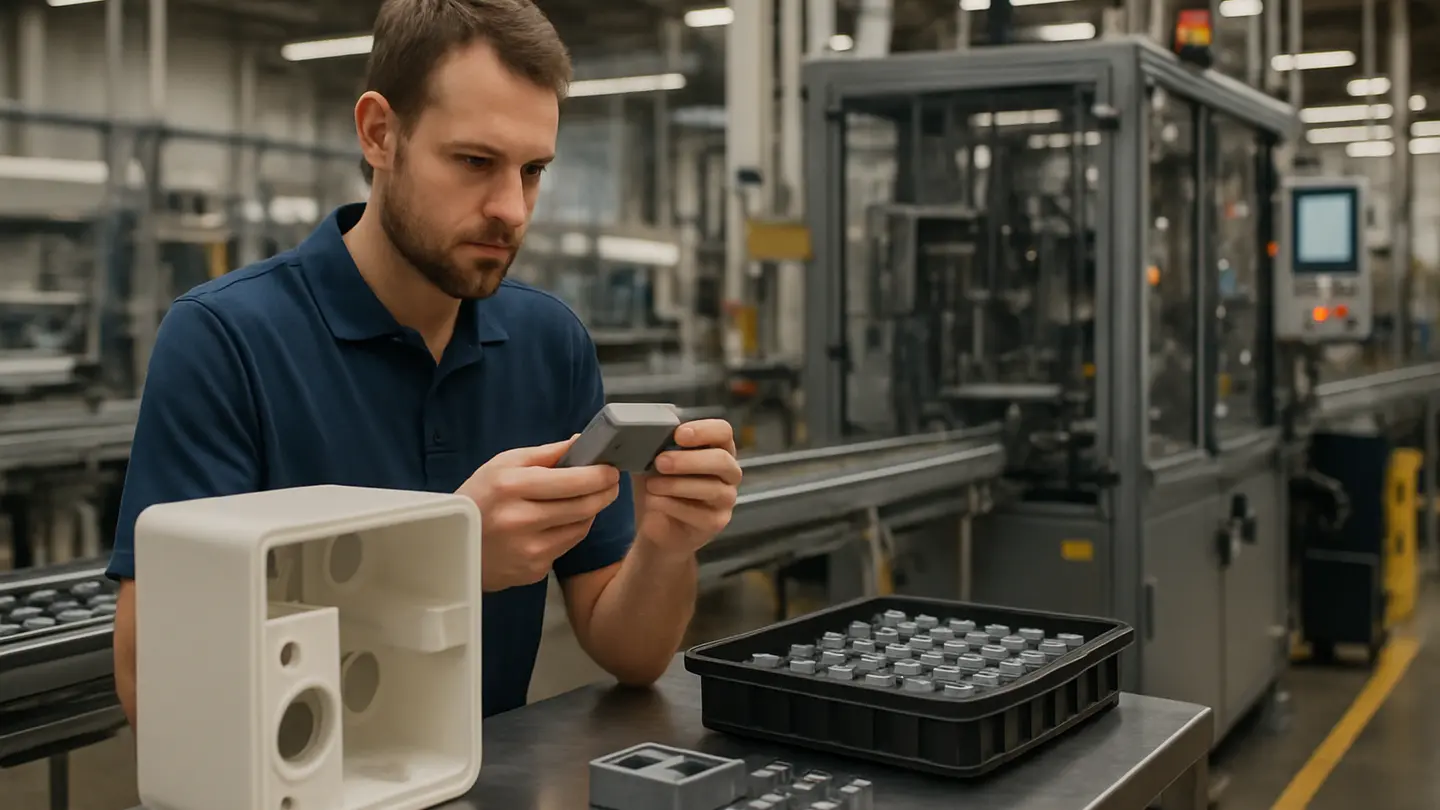
Manufacturing process choices should be considered before final design approval. If a plastic part was 3D printed for the prototype but injection molded for production, dimensions, surface texture, shrinkage, and strength may change. If a machined brass component was made in a trial batch but production will use a different supplier or casting method, variation may appear in weight, finish, thread quality, or plating behavior.
Bulk materials also matter. A sample may use one lot of stainless steel, gasket material, coating, adhesive, or packaging board, while mass production uses another. Even when the specification is nominally unchanged, batch variation can affect appearance, fit, sealing performance, corrosion resistance, or durability.
Incoming material checks are an early warning system. Before assembly begins, factories should verify that critical incoming parts match the approved specification: dimensions, material grade, finish, hardness, color, thread form, gasket elasticity, packaging strength, or any requirement that affects performance.
How Small Variations Become Big Assembly Problems
Many production failures are not caused by one obviously defective part. They come from tolerance stack-up: several parts are individually within specification, but their small variations combine in the wrong direction.
Consider a shower mixer, sliding rail, enclosure hinge, drain fitting, or wall-mounted accessory. One bracket hole is slightly high but still within tolerance. One tube is slightly oval. One gasket is at the low end of thickness. One plated component has extra coating build-up. Alone, none would fail inspection. Together, they may create a loose fit, hard assembly, leakage path, uneven gap, or visible misalignment.
Small prototype quantities rarely expose these worst-case combinations. If the supplier makes three samples, it may assemble parts that happen to fit well together. The buyer sees the best-case or average-case result, not the full range of production variation. Large production runs make rare combinations more likely.
Production tooling and processes can also shift dimensions compared with prototype methods. A CNC-machined prototype may behave differently from a die-cast or stamped production component. Injection molding introduces shrinkage, gate marks, warpage, and cooling variation. Plating adds thickness, sometimes unevenly. Welding, bending, polishing, and heat treatment can all move dimensions after the part was originally made.
Critical measurements should be validated using the intended production process, not only the prototype method. If the buyer cares about hole spacing, sealing surface flatness, thread engagement, water-flow performance, door alignment, glass fit, or coating thickness, those characteristics should be checked on production-intent parts made with production-intent tooling, materials, and operators.
What Must Change Before a Prototype Is Production-Ready
Production readiness does not mean “the sample looks good.” It means the design, materials, tooling, process, inspection method, and supplier controls can produce the same result repeatedly.
A prototype is a learning tool. It may confirm appearance, ergonomics, basic fit, customer appeal, or technical feasibility. A production-ready product must be designed for repeatable factory execution.
The first step is to identify every temporary sample fix and replace it with a repeatable production equivalent. If the sample required hand filing, manual gasket trimming, extra adhesive, re-drilling, selective matching of parts, or unusually careful polishing, that method must either be formalized or eliminated. The key question is whether the line can repeat the result without relying on one senior technician’s judgment.
Buyers should also distinguish between sample types. An appearance sample may confirm shape, color, surface finish, branding, or packaging design. It does not necessarily prove water pressure performance, corrosion resistance, coating adhesion, load strength, temperature cycling, cartridge life, or durability. A functional sample may prove basic operation but still not confirm long-life performance.
Before mass production, the product specification should become more than a physical item on a desk. At minimum, buyers should expect controlled documents defining:
- critical dimensions and tolerances;
- approved materials and material grades;
- surface finishes, coatings, and acceptable color range;
- sealing, pressure, flow, load, or durability requirements;
- approved components and sub-suppliers where relevant;
- labeling, packaging, and carton requirements;
- inspection criteria and test methods.
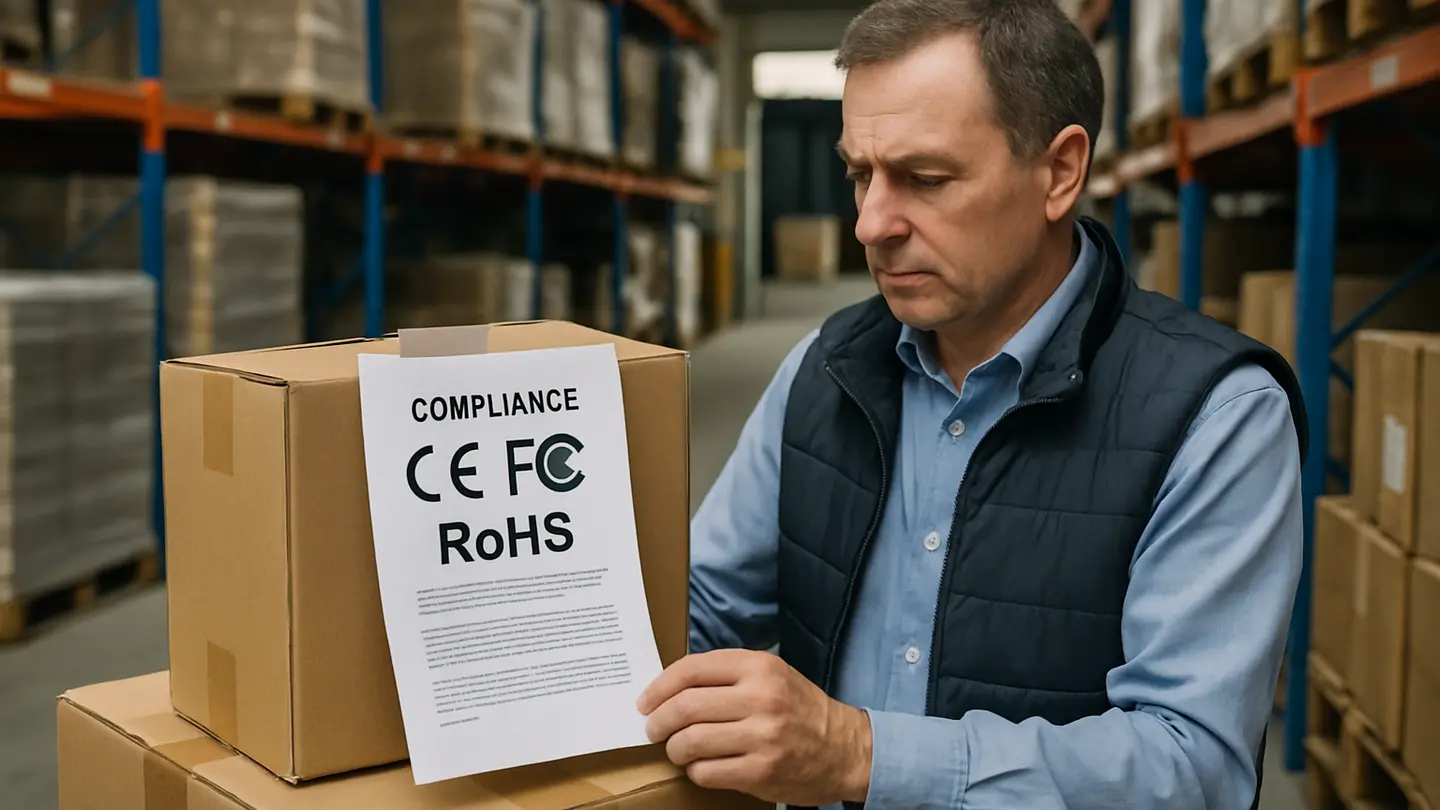
For shower-related products, critical requirements may include water pressure testing, thread compatibility, plating thickness, corrosion resistance, glass thickness, gasket material, hinge load capacity, handle torque, flow rate, or packaging drop resistance. For other categories, the same principle applies: define what matters before the factory repeats it at scale.
A clear parts list is equally important. It should identify approved components, material standards, finishes, and technical requirements that cannot be left to purchasing discretion. If the factory can substitute a gasket, cartridge, screw, coating, adhesive, or carton material without approval, the result may drift away from the approved sample.
Why Sample Approval Alone Cannot Control Production Quality
A signed sample is useful, but it cannot define every measurable requirement. It can show what the product should look and feel like, but it may not reveal material composition, internal dimensions, coating thickness, hardness, torque values, sealing performance, or long-term durability.
This is where many buyer-supplier disputes begin. The buyer says, “Make it like the approved sample.” The factory says, “It is like the sample.” Without controlled documents, both sides may be arguing from incomplete evidence.
A strong production standard combines physical reference samples with written specifications. The reference sample is valuable for appearance, texture, workmanship, color comparison, logo placement, and subjective feel. Drawings and inspection standards are better for dimensions, materials, performance, and measurable quality requirements.
Version control is essential. If the buyer approves Sample A, then later updates the drawing, packaging, or component list, the supplier must know which version controls production. The sample, drawing, bill of materials, artwork file, test standard, and inspection checklist should carry matching revision references.
Buyers should also decide in advance how conflicts will be handled.
| Potential conflict | Recommended control |
|---|---|
| Sample color differs slightly from written color range | Define whether the signed sample or color standard controls |
| Sample dimension differs from final drawing | Drawing should normally control dimensions |
| Sample uses one material, specification lists another | Material specification should control unless formally revised |
| Sample looks acceptable but fails pressure test | Performance requirement should control |
| Sample packaging differs from approved artwork | Controlled artwork and packaging specification should control |
As a general rule, use samples for appearance and workmanship benchmarks, and use documents for dimensions, materials, components, performance, and inspection. This reduces ambiguity when responsibility shifts from sales and engineering to purchasing, line supervisors, quality inspectors, and subcontractors.
How Buyers Can Close the Prototype-to-Production Gap
Treat sample approval as the start of validation, not the end of sourcing work. A good sample gives the buyer permission to move forward carefully. It should not trigger full-volume production without further controls.
Start by defining critical-to-quality characteristics: the features that affect safety, function, installation, compliance, customer acceptance, or warranty risk. In a shower product, that might include thread accuracy, sealing surfaces, flow rate, plating adhesion, glass fit, door alignment, hose burst resistance, handle movement, and carton strength.
For each critical characteristic, agree on the measurement method. “Correct size” is not enough. The buyer and supplier should know what tool will be used, where the measurement will be taken, under what conditions, and what tolerance applies.
Next, check production-intent parts against final drawings, especially after new tooling, molds, fixtures, material lots, or sub-supplier changes. Do not assume production tooling will automatically reproduce prototype dimensions.
A pilot batch is often the most useful bridge between prototype and full production. It forces the factory to build a small quantity under real or near-real production conditions. The goal is to test tooling, fixtures, operator instructions, assembly sequence, inspection points, yield, rework rate, and packing flow.
During the pilot, buyers or inspection partners should look for warning signs:
- operators making repeated informal adjustments;
- parts that only fit when selectively matched;
- high scrap or rework rates;
- inconsistent torque, alignment, sealing, or finish;
- inspection results drifting during the run;
- unclear work instructions;
- fixtures that do not hold parts consistently;
- packaging damage during handling or drop checks.
Early inspections are also valuable once mass production begins. A first-article inspection can verify that initial production units meet the specification before the line continues. During-production inspections can detect drift before the full order is complete. Final random inspection can confirm outgoing quality, but it should not be the buyer’s only control point. By the time final inspection finds a systemic problem, correction may already be costly.
Yield tracking is another practical tool. If the factory planned for 98% good output but the pilot batch produces 85%, the process is not stable. Even if workers can rework the defects, the underlying issue may cause delays, inconsistent quality, or hidden failures after shipment. Buyers should ask not only “Did the final units pass?” but also “How hard was it to make them pass?”
Operator training should not be overlooked. Production workers need clear instructions, fixtures, visual standards, and defined checkpoints. If quality depends on personal judgment rather than controlled process steps, scaling will remain risky.
FAQ
Q1: Will my mass-production price match the sample price?
Not necessarily. Sample pricing is not a reliable predictor of mass-production pricing.
A supplier may charge more for a sample because it requires manual work, special setup, courier handling, or low-volume material purchasing. In other cases, a supplier may undercharge for samples to win the project, then adjust pricing once production details become clear.
At volume, the per-unit cost may fall because materials, labor, setup, and overhead are spread across more units. However, total project cost may increase once tooling, molds, fixtures, testing, packaging, minimum order quantities, and quality requirements are included.
Buyers should request a production quote for the intended order quantity, using the final specification and expected packaging, inspection, and compliance requirements.
Q2: What documents should I lock before mass production?
Before mass production, buyers should lock the parts list, drawings with critical dimensions, material standards, finish standards, approved packaging files, and inspection plan.
The drawings should identify dimensions that truly matter, not only general shape. The parts list should define approved materials, components, and restricted substitutions. Finish standards should clarify color, texture, plating, coating, acceptable defects, and reference samples where needed. The inspection plan should define what will be checked, how it will be measured, how many units will be inspected, and what acceptance criteria apply.
Unwritten assumptions often break down during handoff to the factory floor. Requirements should be documented and controlled so sales, engineering, purchasing, line supervisors, operators, and inspectors work from the same standard.
Q3: What is a pilot run, and do I really need one?
A pilot run is a small production run made before the main order, using production tools, production workers, production materials, and the intended process steps as closely as possible.
Its purpose is to test the manufacturing system, not just the product design. A prototype may prove that the product can be made once. A pilot run helps prove that the factory can make it repeatedly under normal conditions.
Pilot runs can reveal fixture problems, unclear work instructions, high defect rates, slow assembly steps, packaging weaknesses, operator training gaps, and inspection issues. These findings are usually cheaper to fix before full-volume production. For simple repeat orders, a pilot may be unnecessary. For new products, new tooling, new suppliers, or products with functional risk, it is often a sensible control.
Q4: What is a first-article inspection?
A first-article inspection is the checking of initial production-intent parts against approved drawings, specifications, and inspection requirements.
It confirms whether the actual tooling, materials, operators, and production process can meet the design requirements. This is different from checking a hand-built sample. The inspected units should come from normal production conditions, not from specially prepared pieces made only for the buyer’s visit.
A useful first-article inspection may include dimensional checks, fit checks, finish review, material verification, functional tests, packaging review, and comparison against signed samples. If the first articles fail, the buyer and supplier should correct the process before allowing full production to continue.
Another Way to Build and Verify a China Supplier Shortlist
Before samples are ordered, buyers still need a practical way to identify which suppliers deserve deeper evaluation. Made-in-China.com is a B2B sourcing platform that can support this early screening stage.
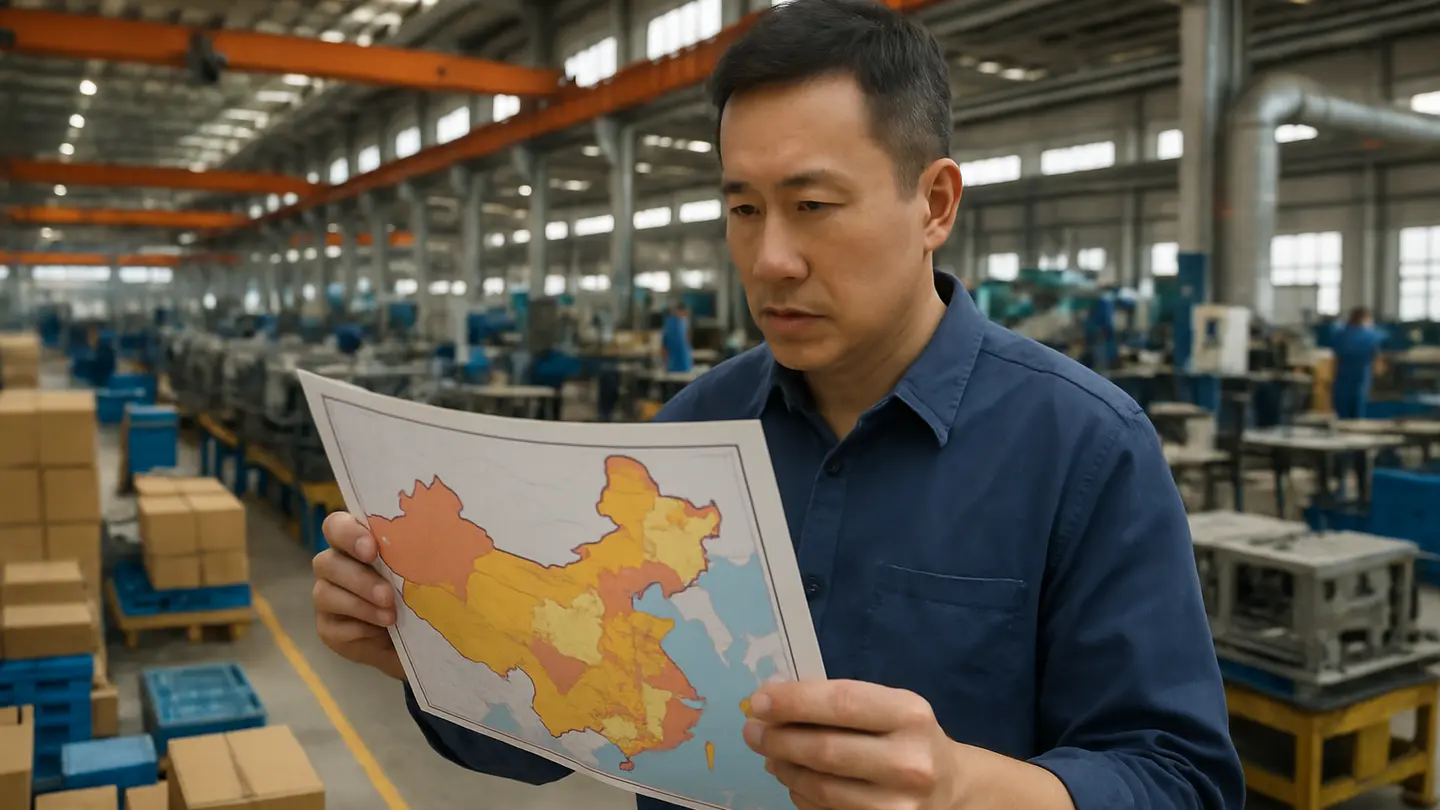
Its Supplier Discovery tools provide ways to find and narrow supplier options, including channels for Audited Suppliers and regional supplier searches. For buyers comparing several potential factories, this can help create a more organized shortlist before direct quotation, sampling, or factory-level due diligence.
Made-in-China.com also provides Audited Supplier information. According to the platform, Audited Suppliers are subject to third-party verification and on-site audit, with Audit Reports available for buyer review. These reports can cover areas such as general company information, export trade, manufacturing capacity, quality control, and R&D capability.
Such tools do not replace technical validation, pilot runs, or production inspections. They are best used earlier in the sourcing process: to compare supplier backgrounds, ask better questions, and decide which candidates merit the time and cost of sample development.