Understand the Main Types of Sample Orders
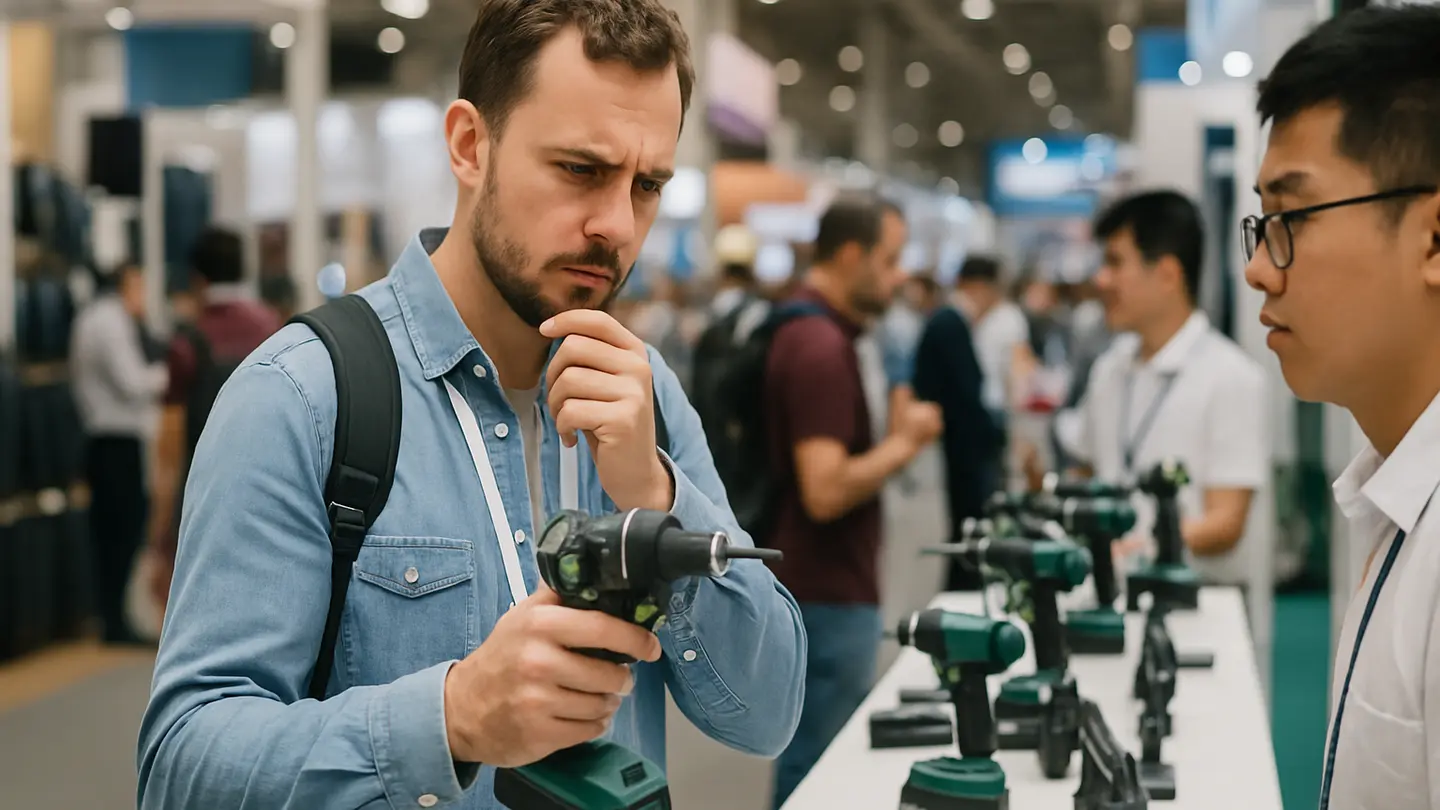
Not all sample orders in China serve the same purpose. Documentation, cost, lead time, and revision needs depend on how far the request differs from the supplier’s existing products.
| Sample type | Typical purpose | Development effort | Likely revision needs |
|---|---|---|---|
| Stock sample | Verify an existing product before purchase | Low | Limited |
| Modified existing product | Check changes to a current model, such as finish, logo, packaging, or dimensions | Moderate | One or more rounds |
| Fully custom sample | Develop a new product from drawings, concepts, or detailed specifications | High | Often multiple rounds |
A stock sample can confirm that an existing shower set, mixer, hose, drain, or accessory meets expectations for finish, weight, function, and packaging. The factory should already have the mold, process, and material specification in place.
A modified product needs more control. Changing a chrome fixture to matte black, for example, may affect coating process, scratch resistance, color consistency, and quality checks. Revised handle shapes or mounting dimensions can also create engineering implications.
Fully custom sample orders should be treated as product-development projects. A new design may require engineering review, tooling, components, testing, and several approval stages. Do not expect the first prototype to be production-ready.
Why Product Samples Fail to Match Expectations
Many failures begin with language that seems clear to the buyer but remains open to factory interpretation.
Terms such as “premium,” “sturdy,” “navy,” “smooth,” or “medium-sized” are not measurable requirements. One buyer may mean a heavier brass body by “premium,” while a supplier may interpret it as a polished finish and upgraded retail box.
When a brief leaves gaps, suppliers often rely on existing materials, standard processes, common export specifications, or lower-cost options. This may not be careless; the factory may simply lack enough information to distinguish acceptable alternatives.
For bathroom and shower products, gaps can affect:
- Brass grade, stainless steel grade, or zinc-alloy component use
- Wall thickness and product weight
- Cartridge type and operating life
- Surface treatment, plating thickness, or PVD finish
- Hose length, thread standard, and connector dimensions
- Water-flow requirements and pressure testing
- Color standard and allowable shade variation
- Retail packaging and carton protection
Turn preferences into objective requirements. Instead of requesting a “durable black shower system,” specify the finish reference, base material, coating method where known, relevant durability expectations, and approval criteria.
Create a Sample Brief the Factory Can Execute
A sample request should give the factory enough information to build the intended product without guesswork. It does not always need to be a complete engineering package, but it should distinguish mandatory requirements from illustrative references and open points.
A practical sample brief can include:
- Product name, model reference, and intended application
- Drawings, sketches, or marked-up photographs
- Overall dimensions and critical interface dimensions
- Material requirements and acceptable alternatives
- Surface finish and color references
- Functional requirements, such as pressure range or spray mode
- Branding, logo placement, labeling, and barcode requirements
- Packaging structure and protective materials
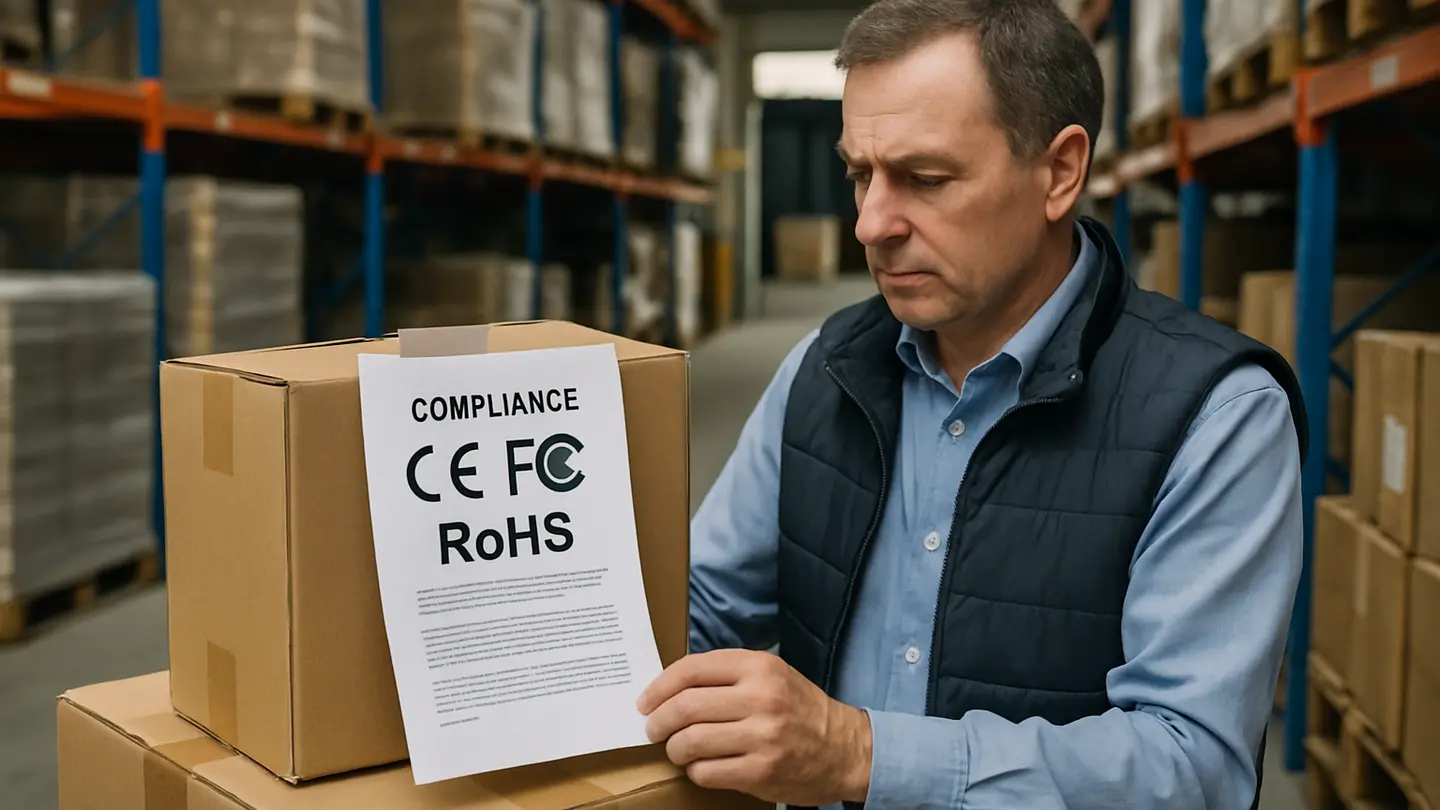
- Applicable testing, compliance, and market requirements
- Target sample date, shipping address, and review process
Marked-up photos are useful, but label what each image is intended to show: shape, finish, packaging style, installation method, or a specific detail. Otherwise, a supplier may assume every visible feature is required.
Use measurable specifications where possible: Pantone or RAL codes, dimensions in millimeters, material grades, thread standards, and finish samples. For a shower manufacturer, “brushed nickel appearance” is less useful than an approved physical swatch or defined visual reference under agreed lighting.
A physical reference sample can reduce interpretation errors by showing weight, construction, assembly, texture, finish, and fit. Identify what must be replicated and what is only inspiration, since hidden components or methods may not suit the new product.
Also assess relevant factory experience. A supplier of simple chrome-plated faucets may not have the same capability in thermostatic systems, concealed installations, PVD finishes, stainless steel fabrication, or complex shower assemblies.
Confirm Factory Understanding Before Sample Production
Before materials are cut, plated, machined, or assembled, ask the supplier to explain how it intends to make the sample.
Do not accept a brief statement that the factory “understands.” Request a written build summary, marked-up drawing, bill of materials, or confirmation sheet covering construction, components, dimensions, finish, and packaging. It should identify confirmed requirements and points needing clarification.
For example, a supplier confirmation might state:
- Main body: brass, specified grade or factory proposal
- Shower rail: stainless steel or brass, with stated wall thickness
- Finish: matte black PVD or powder coating
- Hose: 1.5 m, specified connection type
- Cartridge: ceramic cartridge, stated size and expected cycle rating
- Packaging: individual foam protection and color box
This reveals misunderstandings while changes remain inexpensive. If the buyer expects a brass diverter but the supplier plans zinc alloy, resolve that before the sample is made.
Confirm commercial details in writing: sample charge, courier cost, payment responsibility, estimated lead time, and whether the fee will be credited against a later order. If tooling is involved, distinguish temporary development tooling from production tooling.
Use the First Sample as a Diagnostic Tool
The first sample is a comparison point, not simply a pass-or-fail decision.
Review it against the brief item by item. Measure dimensions, inspect components, test assembly and function where relevant, compare finish and color under consistent conditions, and examine packaging protection.
For every gap, identify the cause:
- Requirement omitted: The buyer did not state a necessary detail.
- Requirement misunderstood: The factory interpreted the brief differently.
- Execution issue: The requirement was understood but not achieved.
- Capability limitation: The supplier cannot consistently make the requested feature, material, finish, or tolerance.
The corrective action depends on the cause. An omitted packaging requirement may need better documentation; a misunderstood color reference may require a physical swatch. Execution issues may require process adjustment, material replacement, or stronger internal control.
A capability limitation requires a direct decision. If a factory repeatedly misses a finish standard, cannot hold critical dimensions, or lacks necessary equipment, further explanation may not solve the problem. Moving to a better-qualified supplier can cost less than repeated revisions.
Give Feedback That Leads to Effective Revisions
Feedback should state what is wrong, what must change, and how the revision will be judged.
Broad comments such as “quality is poor” or “it does not look premium” rarely produce effective corrections. A better comment is: “The handle surface has visible polishing lines under direct light. The approved requirement is an even brushed finish matching the supplied reference panel, with no visible directional scratches at normal viewing distance.”
Annotated photographs are especially useful. Use arrows, circles, dimension lines, and labels. If a shower hose is 50 mm shorter than required, record the actual measurement and acceptable range.
An organized revision list should include:
| Item | Received result | Required change | Acceptance standard | Priority |
|---|---|---|---|---|
| Diverter body | Zinc-alloy construction | Change to specified brass construction | Material confirmed by agreed documentation | Mandatory |
| Black finish | Gloss level higher than reference | Adjust coating appearance | Match approved color and sheen reference | Mandatory |
| Carton artwork | Logo position differs | Move logo to front-center position | Match approved artwork file | Mandatory |
| Handle profile | Acceptable but could be slimmer | Consider 2 mm reduction | Buyer review after mandatory points are resolved | Optional |
Separate mandatory corrections from optional improvements. Otherwise, the supplier may refine minor aesthetics while overlooking functional or compliance issues.
Plan for a Realistic Number of Sample Rounds
Custom products commonly require more than one sample round. Plan for this rather than treating every revision as unexpected failure.
Early samples usually address shape, construction, materials, fit, assembly, and functionality. Later rounds may refine finish, color consistency, engraving, packaging, instructions, or minor dimensions.
The number of rounds depends on complexity. A stock item with a new logo may need only confirmation. A customized shower system with a new finish, proprietary handle, revised packaging, and installation requirements may require several stages.
However, repeated rounds should show meaningful progress. Warning signs include:
- The same requirement is missed repeatedly
- Specifications are changed without notice
- Measurements vary widely between samples
- Material substitutions appear after confirmation
- The supplier cannot explain recurring defects
- Testing or compliance documentation remains unclear
Each cycle adds time, courier cost, management effort, and launch risk. Persistent problems may indicate weak documentation, limited factory capability, or unreliable quality control.
Control and Document the Approved Sample
An approved sample should become a controlled reference for production and inspection.
Assign it a unique identifier. Sign and date it where practical, photograph it from multiple angles, and record the model number, finish code, revision number, and approval date. Retain the buyer’s unit securely to avoid damage or confusion with later versions.
The factory should keep a matching sealed reference sample. Purchase orders, production agreements, quality plans, and inspection instructions should refer to the approved version by identifier or date.
For example: “Production shall conform to Approved Sample No. SS-2025-014, signed by buyer on 14 March 2025, together with Specification Rev. C.”
A physical sample does not replace written specifications. It cannot reliably define every tolerance, material grade, hidden component, functional test, or acceptable defect level. Written requirements remain essential for consistent production inspection.
Compare Sample Performance Across Multiple Factories
When evaluating suppliers, send the same complete brief to each candidate. Comparison is unreliable if one factory receives detailed drawings while another receives only a photo and short description.
Look beyond the finished sample. Consider:
- How accurately the supplier understood the brief
- Whether it asked useful clarification questions
- How quickly it identified production risks
- Whether proposed materials and processes matched the request
- Its transparency about tooling, limitations, and lead times
- Communication consistency and document control
- How effectively it handled revision feedback
A supplier that asks precise questions may be more dependable than one that immediately promises everything. Likewise, a factory that identifies a difficult tolerance or finish risk early may show stronger engineering discipline than one that hides the issue until after sampling.
Sampling behavior often indicates how a supplier may manage mass production. Clear documentation, accurate follow-up, and disciplined revisions are positive signs. Unexplained substitutions and repeated misunderstandings can become larger problems after an order is placed.
FAQ
Q1: Can I get a sample made from a sketch with no technical drawing?
Yes. A sketch can be enough to begin early development, particularly when the supplier has experience with similar products. The first round may validate general shape, proportions, installation fit, and functional concept.
However, sketches leave many details open to interpretation. Provide notes on materials, dimensions, finish, connections, and intended use. Create more detailed drawings or confirmation sheets before production tooling or large-scale manufacturing.
Q2: Should I pay for tooling before the sample looks right?
Usually, validate the main shape, fit, and function before committing to production tooling. Molds and dies can be expensive and difficult to modify.
Depending on the product, a supplier may produce a hand-made prototype, soft sample, CNC-machined component, or temporary development part before full tooling investment. If tooling is unavoidable, clarify ownership, modification costs, expected lifespan, and any transfer or exclusivity terms in the commercial agreement.
Q3: How much time should I allow per sample round?
Timing depends on the product and whether existing components or molds can be used. A stock sample or minor modification may take days or a few weeks, while a custom product needing new tooling can add several weeks or longer.
Ask for a written estimate covering engineering confirmation, material preparation, tooling where required, assembly, internal testing, and dispatch. Also allow time for courier transit, internal review, consolidated feedback, and at least one revision round.
Q4: Is a video call worth arranging during sampling?
Yes, particularly for visual, functional, or difficult-to-explain issues. A live call lets buyer and factory examine the same coating defect, assembly movement, water-flow issue, or packaging concern.
Share the revision list in advance and prepare reference photos, dimensions, or samples. A video discussion should support, not replace, written confirmation. Afterward, send a documented summary of agreed changes, responsibilities, and next steps.
Conclusion: Make Sample Approval a Controlled Process
Successful sample orders in China depend on how accurately buyer requirements reach the production floor. A controlled process includes a precise brief, written factory confirmation, structured first-sample evaluation, and feedback with clear acceptance standards.
Sampling distinguishes documentation gaps, execution failures, and genuine capability limitations before they affect mass production.
By controlling revisions, documenting approvals, and retaining matching reference samples, buyers can reduce unnecessary development cycles, courier expense, quality disputes, and production delays.
About the Author
The author covers B2B sourcing, supplier communication, product development, and quality-management practices for international buyers. Their work focuses on practical methods for translating product requirements into controlled manufacturing and inspection processes.