Sea Freight from China: How Shipments Move from Booking to Release
For B2B buyers, sea freight from China is a chain of coordinated steps involving the supplier, freight forwarder, trucker, export customs agent, carrier, destination broker, warehouse, and sometimes the final delivery carrier. A shipment moves from booking to cutoff management, factory pickup, port entry, vessel loading, sailing, arrival, customs clearance, carrier release, and final pickup.
The main risk is that ocean freight runs on fixed sailing schedules. If a container misses a weekly sailing, the delay is often not one or two days; it may push the shipment back by roughly a week, plus time needed to rebook, amend documents, or secure replacement space.
Many delays blamed on “shipping” happen before cargo is loaded. Late production updates, unclear packing data, incorrect shipping instructions, missed document cutoffs, or slow export arrangements can all prevent cargo from making the booked sailing.
For buyers importing shower products, bathroom fittings, hardware, building materials, or other manufactured goods, the practical goal is to manage the land-side process early enough that cargo loads on time and can be released quickly at destination.
What to Confirm Before Booking Ocean Freight
A successful booking starts with a realistic cargo-ready date. Buyers should avoid booking against the factory’s most optimistic production target unless the supplier has a strong record and the order is close to completion. Cargo ready should mean the goods are produced, packed, labeled, and available for pickup or container loading.
Before confirming the booking, ask the forwarder for a quotation that separates charges into clear categories:
| Cost category | What it usually covers | Why it matters |
|---|---|---|
| Origin charges | China trucking, export customs, terminal handling, documentation, local handling | Helps identify what must be paid before departure |
| Ocean freight | Port-to-port transport by carrier | Allows comparison between services and sailing options |
| Destination charges | Terminal handling, delivery order, customs brokerage, port fees, final delivery | Prevents surprises when the cargo arrives |
A low ocean freight rate can become expensive if destination charges are high or unclear. Compare the full landed logistics cost, not only the headline freight rate.
Container size should also be confirmed before packing and booking decisions are finalized. A 20-foot container may suit dense cargo, while a 40-foot or 40-foot high cube container is usually better for lighter, bulky goods. Shower enclosures, bathtubs, bathroom cabinets, and boxed sanitary products can consume volume quickly even when weight is moderate. If the packing list changes after booking, the booked equipment may no longer be suitable.
Seasonality also matters. Before Chinese New Year, Golden Week, year-end retail demand, and other peak periods, vessel space tightens and trucking schedules become less flexible. Plan earlier and do not assume a last-minute booking will be available at the same rate or schedule.
Key Cutoff Dates Buyers Cannot Ignore
A booking confirmation normally includes several deadlines. They are not interchangeable, and missing any one can put the shipment at risk.
Common cutoff dates include:
| Cutoff | Meaning | Buyer risk if missed |
|---|---|---|
| Cargo cutoff / gate cutoff | Latest time the container or LCL cargo must reach the terminal or warehouse | Cargo may miss the booked vessel |
| Document cutoff | Latest time shipping instructions and bill of lading details must be submitted | Bill of lading errors, amendment fees, or rollovers |
| Verified gross mass filing | Deadline for submitting the container’s verified weight | Container cannot be loaded without required weight data |
| Export customs deadline | Latest time export declaration and clearance must be completed | Cargo may be blocked from port entry or loading |
The sequence of these deadlines can vary by port, carrier, terminal, and service. In some cases, export customs clearance may be required before a container enters the terminal. In others, the container may enter first while documentation is finalized. Buyers should ask the forwarder to confirm the specific deadlines for the booking.
Shipping instructions deserve close attention. These details determine how the bill of lading is issued, including shipper, consignee, notify party, destination, cargo description, marks, package count, weight, and release method. Mistakes can create amendment fees, delay cargo release, or cause customs issues at destination.
Verified weight is also non-negotiable. A loaded container cannot be accepted for vessel loading without the required verified gross mass or equivalent weight filing. Depending on the shipment structure, the named shipper, supplier, forwarder, or appointed agent may arrange the weighing and submission, but responsibility should be agreed before loading day.
Document mismatches are easier to correct before cutoffs pass. Once the vessel has sailed and the bill of lading has been issued, even small corrections can become slower and more expensive.
From the Factory Gate to Vessel Loading
Once the booking is confirmed, the shipment moves into the operational stage: empty container pickup, factory loading, trucking to the terminal, export customs clearance, terminal handover, and loading onto the vessel.
For full-container-load shipments, the container is normally picked up empty from a carrier-designated depot, delivered to the factory, loaded by the supplier, sealed, and trucked to the port terminal. Buyers should confirm who handles loading labor, supervision, seal application, and container loading photos.
For less-than-container-load cargo, the goods usually move first to a consolidation warehouse, often called a CFS. There, the cargo is checked, measured, and combined with other shipments. LCL shipments need more lead time because the cargo must arrive at the warehouse before the consolidation cutoff, not merely before the vessel sails.
Inspection and loading evidence should be agreed before the cargo leaves the factory. If the buyer wants photos of carton labels, pallet condition, container number, seal number, or loading sequence, those requirements should be communicated in advance. Asking after the truck has left often leads to incomplete records.
For higher-value or damage-sensitive goods, buyers may require pre-shipment inspection, moisture controls, palletization confirmation, or container condition photos. These should be built into the timeline. A shipment can miss its gate cutoff if inspection is scheduled too late or if the supplier waits for buyer approval after loading day.
Export customs clearance is another timing risk. The supplier or export agent normally provides commercial documents and declaration data. If the HS code, invoice value, product description, or export license requirements are unclear, the shipment may be delayed before port entry.
What Shipment Tracking Shows During the Sea Leg
Once the vessel has sailed, the buyer’s ability to speed up the shipment is limited. Tracking is still useful, but it mainly shows progress rather than creating control.
The first dependable in-transit milestone is actual vessel departure. Estimated time of departure can change due to terminal congestion, weather, equipment shortages, late-arriving containers, or vessel rotation changes. Until the ship has actually departed, the schedule remains uncertain.
During the sea leg, tracking may show:
- vessel departure from origin port;
- estimated arrival at transshipment port, if applicable;
- container discharge and reloading during transshipment;
- updated estimated arrival at destination port;
- vessel arrival and container discharge.
Direct sailings are usually simpler because the container stays on one vessel from origin to destination. Transshipment services may be cheaper or more available, but they add an operational step. If the first vessel arrives late at the transshipment port, the container can miss the connecting vessel and wait for the next available sailing.
Arrival estimates normally become more reliable after departure, and more reliable again after any transshipment is completed. Buyers should update delivery plans as milestones are confirmed rather than treating the original estimated arrival date as fixed.
Arrival, Customs Clearance, Carrier Release, and Free Time
Vessel arrival does not mean cargo is ready for pickup. The vessel must berth, containers must be discharged, the terminal must make cargo available, and import customs clearance must be completed.
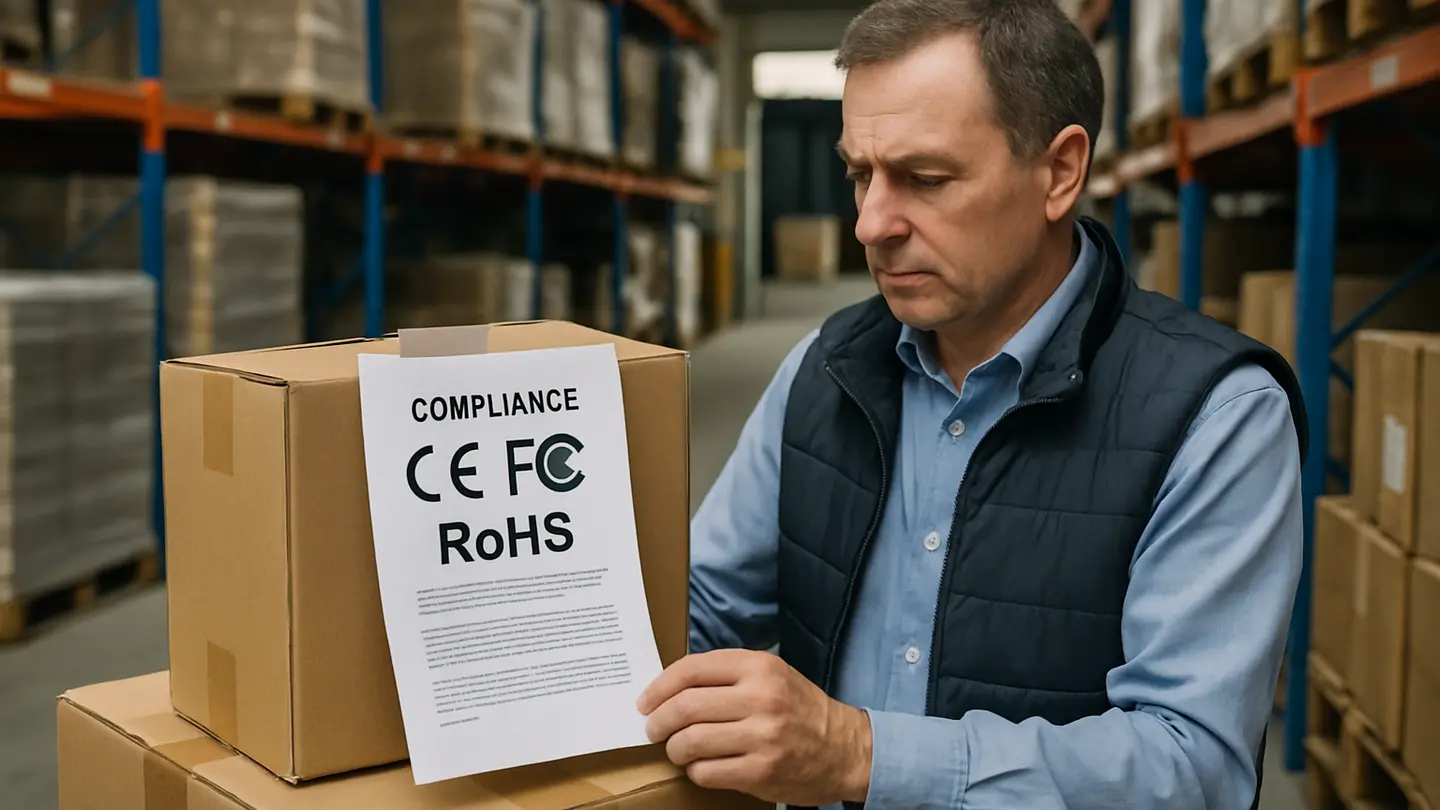
The destination broker needs accurate documents, usually including the commercial invoice, packing list, bill of lading or sea waybill, arrival notice, and any required certificates or product compliance documents.
Customs clearance can be delayed if the invoice description is vague, the declared value is inconsistent, the HS code is disputed, or the buyer has not provided required importer information. For regulated products or building-related goods, destination documentation should be reviewed before arrival.
Carrier release is separate from customs clearance. Even if customs has cleared the cargo, the carrier or forwarder may not release it until freight and destination charges are paid and the correct bill of lading release method is satisfied.
Common release methods include:
- Original bill of lading: paper originals must be endorsed and presented or surrendered according to carrier rules.
- Telex release: originals are surrendered at origin, and the destination office is authorized to release without paper originals.
- Sea waybill: no negotiable original bill is required; cargo is released to the named consignee subject to carrier procedures.
Unpaid ocean freight, destination handling charges, documentation fees, demurrage, detention, or other carrier fees can block release. Buyers should confirm who pays which charges under the agreed Incoterms and forwarder arrangement.
Free time is another important issue. Demurrage generally relates to how long the container stays at the terminal beyond the allowed free period. Detention generally relates to how long the container remains outside the terminal before being returned empty. Exact definitions vary by carrier and country, so confirm the applicable limits before arrival.
Common Points Where Buyers Lose Time
Most avoidable delays come from unclear ownership of deadlines. Every shipment should have a named person responsible for each key date: cargo ready, booking confirmation, inspection, container loading, shipping instructions, verified weight, export customs, gate-in, document approval, destination customs, payment, pickup, and empty return.
Missed gate cutoffs often come from weak coordination between the factory, trucker, and forwarder. The factory may say the goods are ready but fail to prepare loading labor. The trucker may arrive late. The forwarder may not receive the container release reference in time. Any one of these issues can prevent terminal delivery before cutoff.
Incorrect shipping instructions also cost time. If the consignee name, destination port, notify party, or cargo description is wrong, the forwarder and buyer must act quickly. Delays in approving draft bills of lading can create amendment charges or release problems later.
Destination delays often come from buyer-side readiness. The cargo may arrive before the importer has appointed a broker, provided tax registration details, reviewed classification, or arranged payment of duties and fees. If the buyer waits for the arrival notice before preparing documents, the shipment may consume free time while paperwork is organized.
A shared date list helps prevent different parties from working from different schedules. A spreadsheet with deadlines, responsible parties, document status, and latest updates is often enough. The buyer, supplier, forwarder, and broker should be aligned on the same vessel, voyage, cutoff dates, and arrival plan.
FAQ
Q1: Can I book before the factory has finished production?
Yes. Booking before production is fully completed is common, especially when vessel space is tight or the sailing schedule is important. The condition is that the cargo-ready date must be credible.
Ocean space is booked against a sailing schedule. The forwarder needs to know when the goods can actually be loaded or delivered to the consolidation warehouse. If the factory’s schedule changes, notify the forwarder immediately. A late update may make it impossible to keep the same vessel.
For first-time suppliers, buyers should build in more buffer. For repeat suppliers with reliable production performance, booking before final packing may be reasonable.
Q2: Who submits the verified container weight, the factory or me?
Responsibility generally sits with the named shipper on the transport document. On many China export shipments, the supplier, export agent, or trading company may be listed as the shipper. In other cases, the buyer’s nominated forwarder may coordinate the process.
The weighing or filing can be performed by another party on behalf of the responsible shipper, but this should not be left unclear. Before loading, confirm who will obtain the verified weight, who will submit it, which method will be used, and what the deadline is.
Without the required verified weight filing, the container cannot be loaded on the vessel.
Q3: Can I change the destination port after booking?
A destination port change may be possible before sailing, depending on carrier rules, space availability, routing, and documentation status. The earlier the request is made, the better the chance of a workable solution.
After departure, a port change is usually much harder. It may require carrier approval, revised documents, additional charges, and coordination with customs or destination agents. If the new destination is not served by the same vessel rotation, the cargo may need to move on a different service or through transshipment.
Buyers should treat destination changes as exceptions, not routine adjustments. Confirm the final port before booking whenever possible.
Q4: What is a telex release and when should I ask for one?
A telex release allows cargo to be released at destination without presenting paper original bills of lading there. Typically, the originals are surrendered at origin, and the carrier or forwarder authorizes the destination office to release the cargo to the proper party.
This can be useful when documents may arrive later than the vessel, especially on short sea routes. It can also reduce courier risk and avoid delays caused by missing paper originals.
However, a telex release should only be used when the commercial payment arrangement allows it. If the seller needs control over the cargo until payment is received, original bills of lading may be preferred. Confirm the release method before the bill of lading is issued.
Final Takeaways for Managing Sea Freight from China
Managing sea freight from China is mainly about schedule discipline. Buyers cannot control every port delay or vessel change, but they can control preparation, communication, and document accuracy.
The most important habits are straightforward:
- book against a realistic cargo-ready date;
- understand all cutoffs attached to the booking;
- get the cargo to the terminal or consolidation warehouse early when possible;
- confirm container size, packing data, and release method before shipment;
- review shipping instructions carefully before the document cutoff;
- prepare the destination broker before the vessel arrives;
- track free time, demurrage, and detention exposure.
Shipping dates should be treated as estimates, not guaranteed delivery dates. Even confirmed bookings can change due to weather, congestion, blank sailings, equipment shortages, or operational disruptions. The buyer’s best protection is to build enough buffer into the purchase order, production plan, and delivery commitment.
A shipment that is well prepared before departure is much easier to manage after arrival. The earlier the buyer aligns the factory, forwarder, broker, and internal team, the fewer surprises there will be at release.
Author Bio
The editorial team covers B2B sourcing, importing, manufacturing, and supply chain operations for professional buyers managing international procurement and logistics decisions.