Why Shenzhen Has a Sourcing Advantage
A Shenzhen sourcing agent is not automatically the right choice because Shenzhen is well known. The better question is whether your product’s supply chain, candidate factories, and technical requirements are concentrated in the Shenzhen manufacturing region.
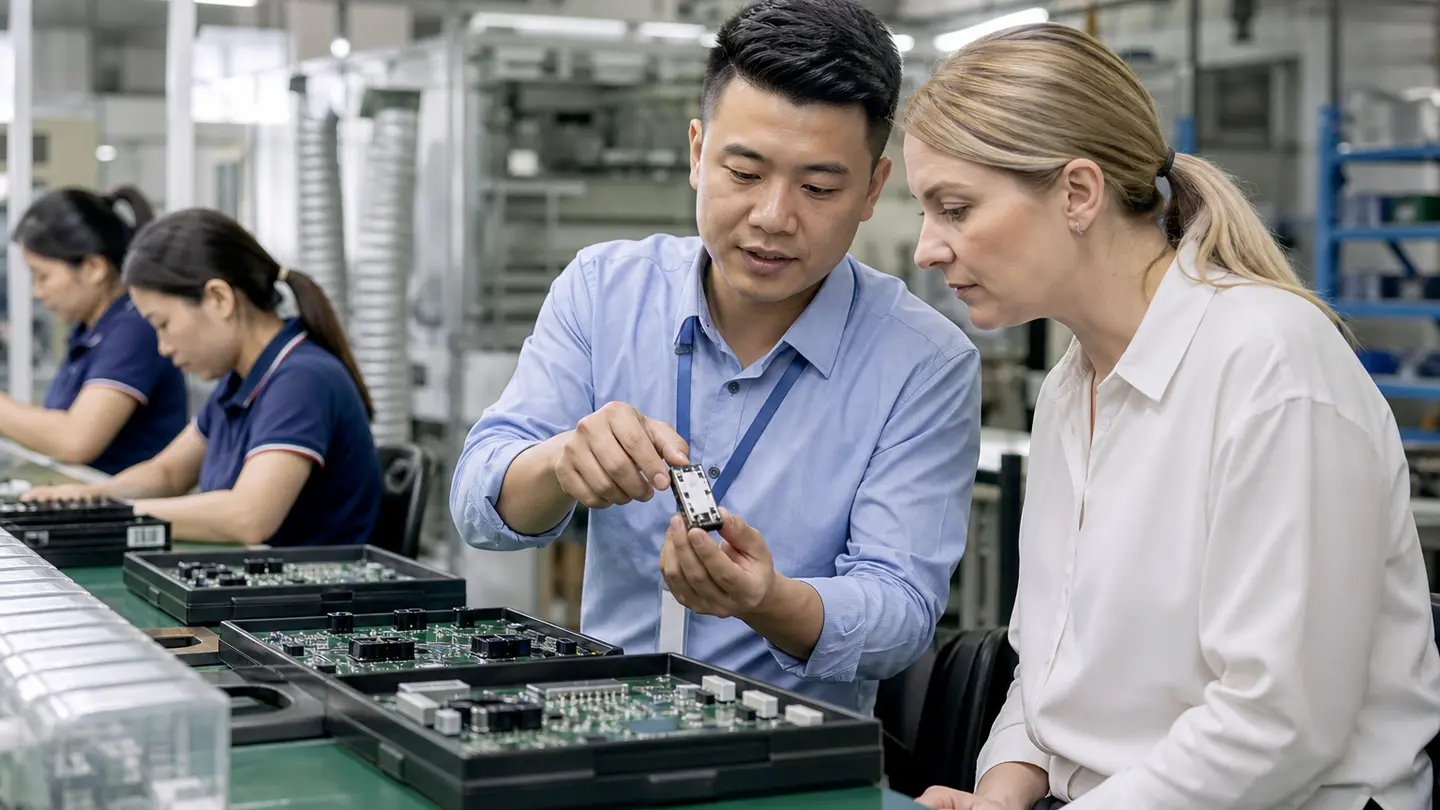
Shenzhen’s advantage comes from a dense network of suppliers and production services. For electronics products, a buyer may find component distributors, PCB suppliers, board houses, mold shops, firmware teams, assembly plants, packaging providers, and testing resources within a relatively connected area. This can make communication and product iteration more efficient, particularly when a project requires changes between prototype, sample, and production stages.
For example, a buyer developing a smart-home device may need to coordinate:
- A PCB or PCBA supplier
- Housing mold development
- Plastic injection molding
- Firmware programming
- Battery sourcing
- Final assembly
- Functional testing
- Packaging and labeling
When these activities are supported by nearby suppliers, factory visits, sample transfers, and engineering discussions may be easier to organize. This does not remove the need for supplier verification or quality control, but it can reduce delays caused by long-distance coordination between separate manufacturing regions.
The regional advantage is strongest when the product category is genuinely supported by the local cluster. A Shenzhen sourcing agent may offer substantial practical value for electronics, connected devices, custom hardware, and prototype development. The same agent may be less effective for products manufactured mainly in another region, such as furniture from Foshan, commodity goods from Yiwu, or certain apparel categories produced elsewhere.
Product Categories a Shenzhen Agent Can Support Best
A Shenzhen sourcing agent is generally most relevant for buyers sourcing products with an electronics, electrical, or technical manufacturing component. Shenzhen, Dongguan, and nearby Huizhou are often treated as an interconnected operational sourcing area because factories and specialist suppliers across these locations may serve the same production networks.
Product categories that may benefit from Shenzhen-area support include:
- Consumer electronics and accessories
- Chargers, cables, adapters, and power banks
- Earphones, speakers, and wearable devices
- Smart-home products and connected appliances
- LED products and electronic controls
- Security devices and small cameras
- PCBs, PCBAs, sensors, and electronic modules
- Custom hardware requiring tooling and assembly
- Products involving firmware or mobile-app connectivity
For these categories, an agent may help a buyer identify whether a supplier is a component seller, an assembly operation, a trading company, or a factory with genuine engineering and production capability. This distinction is important because a supplier that can assemble a standard product may not be able to support custom PCB development, firmware changes, mold modifications, or detailed technical specifications.
Shenzhen can also be useful for specification-based manufacturing. A buyer may have a product requirement rather than a finished design, such as a smart shower controller, touch display, water-temperature monitor, or Bluetooth-enabled bathroom accessory. In such cases, the sourcing process may involve discussions about components, housing materials, software functions, electrical safety requirements, testing methods, and production feasibility.
However, Shenzhen is not China’s universal sourcing center. Buyers should distinguish its strengths from those of other manufacturing clusters:
| Manufacturing area | Often relevant for | Agent selection consideration |
|---|---|---|
| Shenzhen, Dongguan, Huizhou | Electronics, components, smart devices, custom hardware, prototypes | Confirm technical and factory-audit capability |
| Foshan | Furniture, ceramics, bathroom products, lighting, building materials | Seek local factory access and product-specific knowledge |
| Yiwu | Commodity goods, gift items, small general merchandise | Verify market and supplier-screening capability |
| Yangtze River Delta | A broad range of machinery, textiles, home products, industrial goods, and specialized manufacturing | Check direct coverage in the relevant city and sector |
A supplier’s physical location matters more than the city named on an agent’s website. Before selecting a Shenzhen sourcing agent, identify where your likely factories are located and whether the agent can regularly visit them.
Four Questions to Determine Whether You Need a Shenzhen Agent
Before hiring an agent, assess the practical demands of your sourcing project. The following four questions can help determine whether Shenzhen-based support is appropriate.
Where are the most suitable factories located? Start with the production cluster, not the agent’s address. If your shortlisted electronics suppliers are in Shenzhen, Dongguan, or Huizhou, a Shenzhen sourcing agent may be well positioned to inspect factories, follow samples, and coordinate production. If your suppliers are concentrated in Foshan, Yiwu, or another region, a local agent or inspection team may provide better visibility.
Does your product depend on electronics or technical components? Products involving PCBs, batteries, chargers, displays, sensors, wireless functions, firmware, or electronic controls often require more technical coordination. A Shenzhen agent with category experience may be able to ask more relevant questions about component sourcing, assembly capability, functional testing, and engineering changes.
Will the project require tooling, customization, or repeated engineering changes? New molds, custom housings, modified electronics, and prototype revisions usually require more frequent follow-up than a standard catalog product. Local oversight can be useful when samples need to move between mold shops, assembly factories, and testing providers. It may also help when changes must be documented clearly before mass production begins.
How much oversight will repeat orders require? Established repeat orders may need less engineering support, but they still require supplier management. Production conditions can change over time, and component, battery, packaging, or labeling substitutions may occur if not controlled. A local agent can support shipment checks, sample review, factory communication, and e-commerce preparation where needed.
The answer does not always have to be “hire an agent.” For a simple, proven product from a long-term supplier, an independent inspection provider or direct factory relationship may be sufficient. But for complex products, new suppliers, or projects with frequent development changes, a capable sourcing agent can provide additional coordination.
What a Shenzhen Sourcing Agent Does in Practice
The role of a Shenzhen sourcing agent should go beyond collecting quotations. Useful support generally begins with supplier screening and continues through sampling, production, inspection, and shipment preparation.
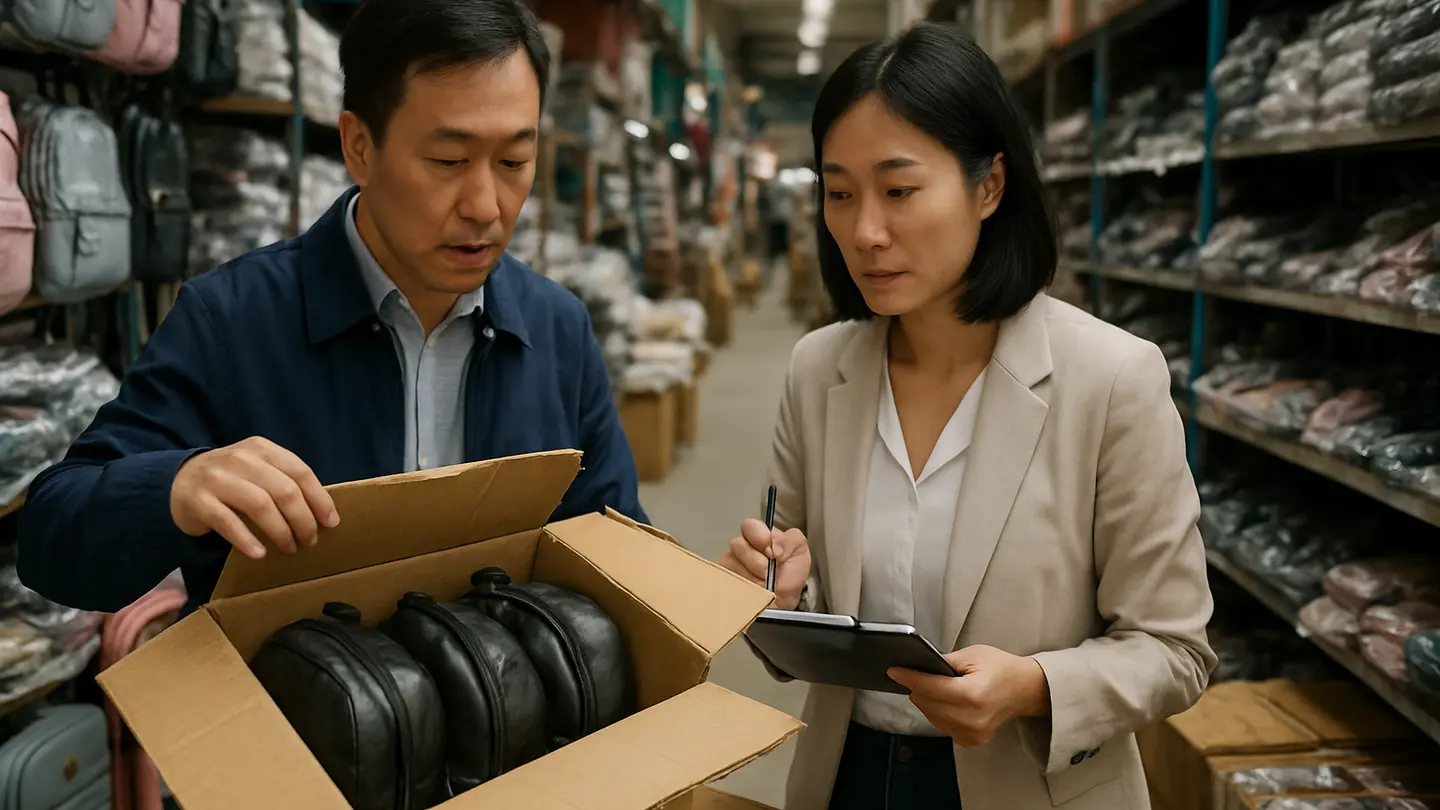
One key task is determining what type of supplier you are dealing with. A company may present itself as a manufacturer while operating primarily as a trading company or assembly business. Neither arrangement is necessarily unsuitable, but the buyer should understand who controls production, engineering, component procurement, and quality decisions.
During factory due diligence, an agent may review areas such as:
- Production equipment and assembly lines
- Workforce and production capacity
- Quality-control procedures
- Material and component traceability
- Engineering or product-development resources
- Sample-making capability
- Experience with similar products
- Packaging and shipment processes
For technical products, an agent may also facilitate communication between the buyer and the appropriate factory personnel. Commercial sales representatives are not always the right people to answer engineering questions. A buyer may need confirmation from a factory engineer, product manager, quality manager, or testing laboratory.
A strong sourcing process turns product requirements into clear factory instructions and inspection criteria. For example, rather than stating that a device must be “high quality,” the buyer should define observable requirements such as approved materials, dimensions, required functions, cosmetic tolerances, packaging details, labeling instructions, and sample approval standards.
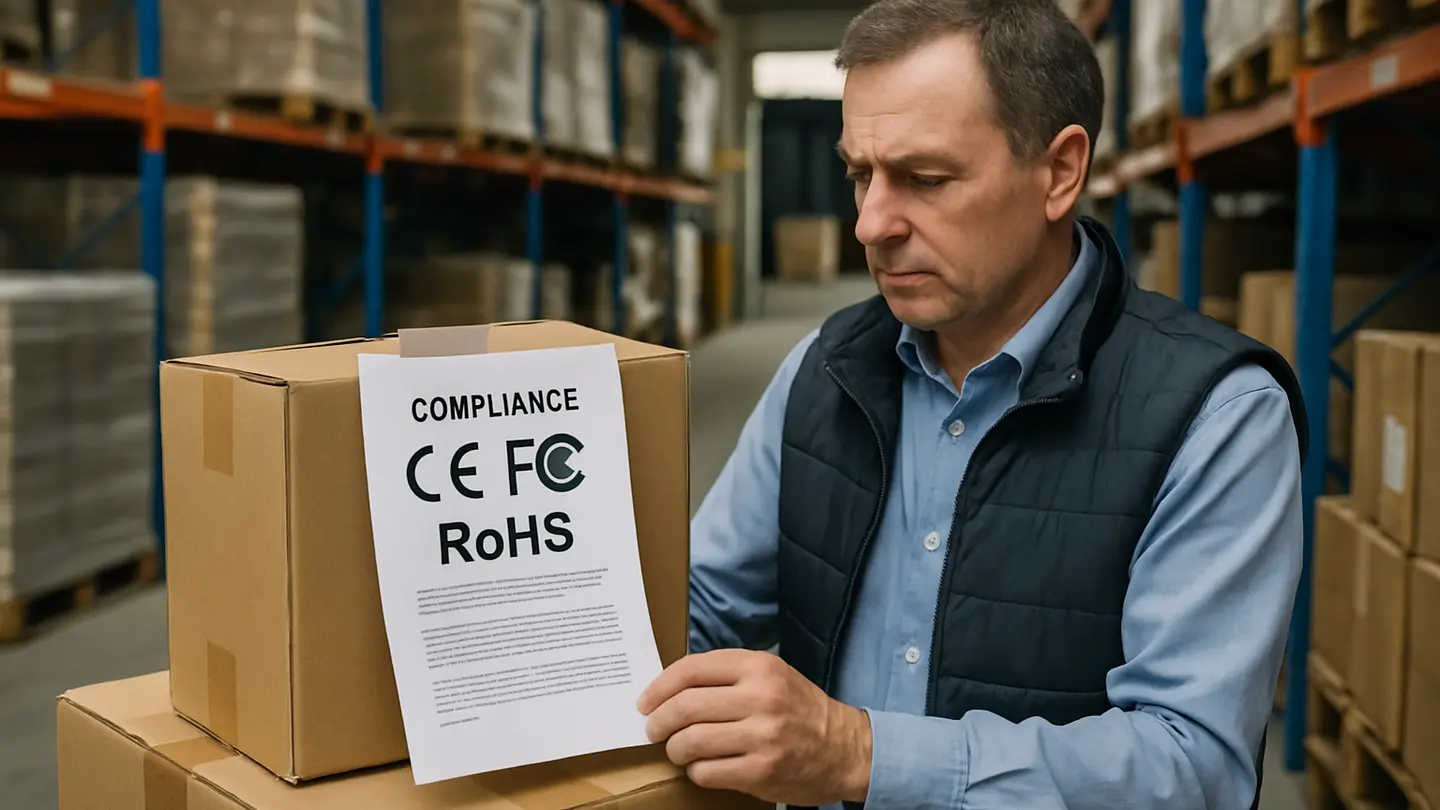
Testing coordination is another important function. An agent may arrange factory testing, third-party testing, or sample delivery to a laboratory, depending on the project. Testing reports should be reviewed carefully. A report should clearly state what product version was tested, which requirements were covered, what conditions were applied, and any limitations in the scope. A test report is only useful when it matches the actual product and the destination-market requirements relevant to the buyer.
When Hiring a Shenzhen Agent Is Worth the Cost
Hiring a Shenzhen sourcing agent is most likely to be worthwhile when the cost of mistakes is higher than the cost of local support.
Electronics sourcing presents several risks that can become expensive late in the process. A supplier may misunderstand specifications, use an unapproved component, make firmware changes without clear approval, or substitute a different battery. These issues can affect product performance, product consistency, shipping documentation, and regulatory obligations.
Common situations where local sourcing support may add value include:
- You are working with a new supplier.
- The product includes batteries, chargers, wireless features, or firmware.
- You need custom tooling, PCBs, or product modifications.
- Samples require repeated review and adjustment.
- The factory is difficult to assess remotely.
- You need faster factory visits or sample collection.
- You require production inspections before shipment.
- Your goods need labeling, bundling, barcodes, or e-commerce preparation.
A local agent can also help coordinate practical tasks that are hard to manage from overseas, such as consolidating samples, confirming carton markings, reviewing packaging changes, or arranging shipment checks.
However, an agent does not transfer all responsibility away from the buyer. Importers, brand owners, and distributors remain responsible for confirming the regulatory requirements of their destination market. This may include electrical, battery, product-safety, labeling, packaging, or documentation obligations. An agent can help communicate requirements to suppliers and coordinate supporting documents, but the buyer should ensure that the product and documentation are suitable for the intended market.
The value of an agent also depends on the transparency of the service. Buyers should understand what is included: supplier searches, factory visits, sample coordination, quality inspections, shipping support, testing coordination, or communication with laboratories. A low initial service fee may provide limited oversight if important activities are billed separately or delegated without disclosure.
How to Evaluate a Shenzhen Sourcing Agent
A Shenzhen business address alone is not evidence of sourcing capability. Buyers should prioritize relevant product experience, documented processes, and direct access to the factories involved.
Ask practical questions about how the agent works:
- Which product categories do you handle regularly?
- Can you describe the factory types you would shortlist for this product?
- How do you distinguish factories from traders and assembly operations?
- Who performs factory visits, and how are findings reported?
- Can you support functional testing for electronics products?
- How do you handle battery documentation and related supplier records?
- Do you visit Shenzhen, Dongguan, and Huizhou factories directly?
- Is any part of the work subcontracted to another agent or inspection company?
- How are product specifications converted into inspection criteria?
- What happens if a supplier changes a component or production process?
For electronics, category expertise is especially important. A capable agent should understand that different products require different supplier types. A supplier of standard USB accessories may not be suitable for a custom smart-home product. Likewise, a factory with assembly capacity may not control PCB design, firmware development, battery procurement, or mold tooling.
Buyers should also use written agreements. The agreement should define the scope of services, fees, reporting expectations, confidentiality obligations, and responsibility for supplier communication. For custom products, it should also address ownership and control of designs, tooling, firmware, product files, and other intellectual property created during development.
Confidentiality terms are particularly important before sharing sensitive drawings, schematics, firmware, customer lists, or product roadmaps. A professional agent should be prepared to discuss reasonable confidentiality protections. Reluctance to sign appropriate terms or clarify ownership arrangements should be treated as a risk signal.
FAQ
Q1: Is a Shenzhen agent still worth hiring if my product is not electronics?
Possibly, but do not assume a Shenzhen sourcing agent is suitable for every product category. Ask for evidence of experience with your specific type of product, named factory options where appropriate, and recent factory-visit history.
For example, a buyer sourcing furniture, sanitary ware, ceramics, or bathroom fixtures may find more value from support near Foshan if that is where the relevant factories are located. A Shenzhen-based agent may still help if they have direct, regular coverage in that area, but buyers should verify this rather than accept broad capability claims.
Q2: Do I need a Shenzhen agent, or can I buy from the Huaqiangbei market myself?
You can buy directly from Huaqiangbei, particularly for standard electronics, accessories, components, and small-volume purchases. However, market access does not prove that a vendor is the manufacturer.
Market vendors may be traders, factory representatives, component distributors, or assembly operations. This can be useful for rapid sourcing, but buyers should be careful when seeking custom development, stable long-term supply, proprietary products, or consistent production quality.
An agent may help screen suppliers and trace products back to the actual factory or production source. Even then, factory verification should be based on evidence such as site visits, production capability, technical communication, and documented quality processes rather than market claims alone.
Q3: Can one agent cover factories across Shenzhen and Dongguan?
Yes, one agent may be able to cover factories in both Shenzhen and Dongguan because the two areas are closely connected in many electronics supply chains. This is common for projects involving components in Shenzhen and assembly or manufacturing operations in Dongguan.
Buyers should still confirm that the agent has direct coverage in both locations, local contacts, and a practical schedule for factory visits. Ask whether the work is handled by the agent’s own team or subcontracted to another party. Undisclosed subcontracting can reduce transparency and make accountability less clear.
Q4: Will an agent keep my electronics design and firmware confidential?
Confidentiality should be addressed in writing before you share sensitive materials. This may include product drawings, schematics, firmware, source files, tooling designs, bill of materials details, and customer information.
At the quotation stage, consider releasing only the information needed for a preliminary assessment. More detailed technical files can be shared after confidentiality terms and ownership expectations are agreed. If an agent or supplier refuses reasonable confidentiality terms, does not clarify who will access your information, or is vague about design ownership, treat that as a meaningful risk.
Conclusion: Match Your Agent to the Manufacturing Cluster
The right sourcing agent should be selected according to your product supply chain and factory location, not a city’s general reputation. A Shenzhen sourcing agent can be highly useful for electronics, components, custom hardware, firmware-related products, and prototype-driven development in the Shenzhen-Dongguan-Huizhou manufacturing corridor.
Local oversight can help identify supplier misrepresentation, unclear specifications, undocumented changes, and unapproved substitutions of components or batteries. It can also improve coordination between factories, sample handling, testing providers, and shipment preparation.
For products made in other clusters, locally based support may be more appropriate. Furniture and bathroom-product buyers may need coverage closer to Foshan, while commodity-product buyers may benefit from sourcing support near Yiwu. Evaluate the agent’s actual category expertise, factory access, reporting process, and contractual protections before making a decision.
About the Author
This article was prepared by a B2B sourcing editorial team focused on supplier evaluation, product-development coordination, factory communication, and practical procurement risk management for international buyers.