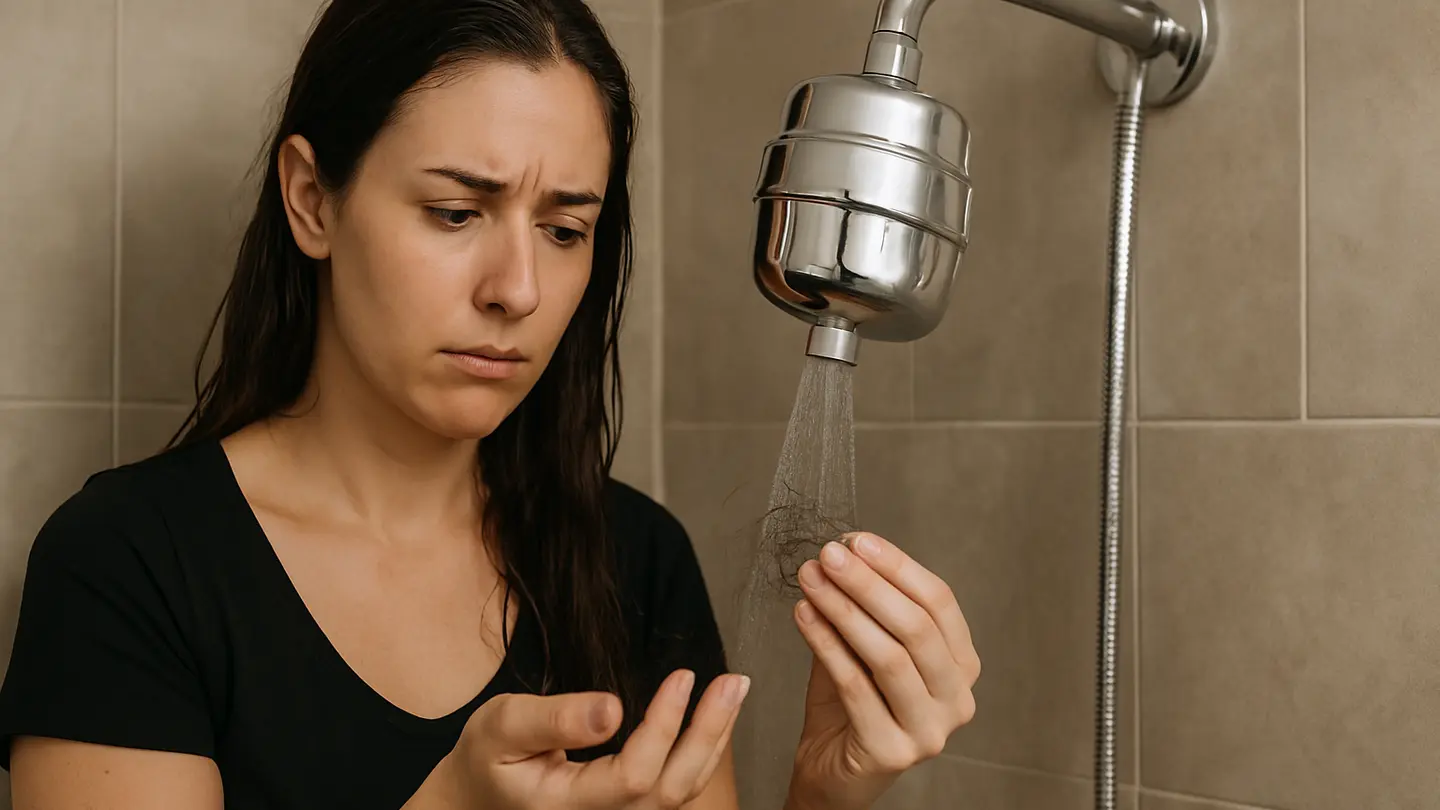
A shower filter for hair loss is often considered because customers connect shower-water quality with scalp dryness, frizz, breakage and color retention. For B2B buyers, positioning must be accurate: shower filters may reduce exposure to chlorine, sediment, trace metals and other unwanted water constituents, but they should not be presented as a cure for medical, hormonal or genetic hair loss.
Many users report softer-feeling hair, less frizz, reduced dryness and better scalp comfort after switching to filtered shower water. These outcomes are relevant for beauty retailers, hospitality projects, wellness brands, plumbing distributors and bathroom-fixture importers seeking comfort-oriented products.
The category includes in-line attachments, filtered showerheads, handheld-filter systems, carbon-based cartridges, KDF media, calcium sulfite and multi-stage systems. Selection depends on the local water profile, target market, retail price, replacement-cartridge model and installation environment.
How Water Quality Can Influence Hair and Scalp Condition
Water quality can affect how hair feels after washing, how easily it tangles, how much residue remains on the scalp and how users perceive shedding or breakage. Water alone is rarely the sole cause of hair loss, but minerals, disinfectants and trace contaminants can contribute to dryness, buildup or irritation.
For B2B buyers, this distinction matters. Product descriptions should focus on reducing selected water impurities and improving hair and scalp comfort. Claims such as “stops hair loss” or “regrows hair” should be avoided unless supported by appropriate medical evidence and regulatory review in the target market.
Hard Water and Its Role in Hair Manageability
Hard water contains elevated levels of calcium and magnesium. These minerals are common in municipal and well-water supplies, but they can leave deposits on hair, scalp, shower glass and bathroom fixtures.
On hair, mineral buildup may create a dry, dull or coated feel. Users may notice poor shampoo lather, weaker conditioner performance and difficult detangling. Over time, this can increase the perception of brittleness and breakage, especially for chemically treated, curly, long or color-processed hair.
Hard water may also contribute to frizz because mineral residue can interfere with the smooth feel of the hair surface. For dyed hair, buildup can make color look flatter and may contribute to faster visible fading.
A shower filter is not always a full hard-water softener. Many filters reduce selected impurities but do not remove all dissolved hardness minerals at the level of a whole-house ion-exchange softening system. Buyers should check manufacturer test data before making hard-water claims.
Common Minerals That Affect Hair Appearance
Different minerals can affect hair appearance in different ways:
| Water constituent | Possible effect on hair appearance or feel | B2B buying note |
|---|---|---|
| Calcium | Can contribute to a dry, rough or brittle feel | Common in hard-water areas; difficult to remove completely with basic shower filters |
| Magnesium | May add buildup and dullness | Often discussed together with calcium as total hardness |
| Iron | Can discolor light-colored or blonde hair | Relevant for well-water markets and regions with iron-rich supply |
| Copper | May create brassy or greenish tones in some hair colors | Important for color-care positioning and salon-oriented products |
| Sediment | Can leave particles or visible residue | Sediment pre-filtration may improve perceived water cleanliness |
Buyers should avoid assuming that a filter removes every mineral equally. Some cartridges are designed mainly for chlorine reduction, while others combine sediment screens, carbon, KDF or mineral media to address wider concerns.
Chlorine Exposure, Dryness and Hair Breakage
Chlorine is widely used to disinfect municipal water. It helps control microbial risks, but repeated exposure to chlorinated shower water can leave some users with dry-feeling hair and scalp.
For hair comfort, chlorine is relevant because it can contribute to roughness, dullness and a straw-like feel. Users with color-treated hair may also associate chlorinated water with faster fading. When hair feels dry and rough, it may tangle more easily, and mechanical stress from brushing or styling can lead to breakage. This breakage may be mistaken for hair loss, even when the issue is damaged hair shafts rather than reduced follicle growth.
Some users also report scalp tightness or irritation after showering in chlorinated water. A shower filter that reduces free chlorine may improve comfort, especially when combined with gentle hair-care routines.
Trace Metals and Potential Scalp Irritation
Some water supplies may contain trace metals depending on source water, plumbing materials and local treatment conditions. These are usually discussed in terms of general water safety, but they can also matter for scalp comfort and hair appearance.
Potential concerns include irritation, buildup and oxidative stress on the hair shaft. Contaminants may make hair feel weaker, especially when users already have sensitive scalps or damaged hair. Severe or unusual shedding should be assessed by a qualified medical professional or relevant water-quality specialist.
For B2B buyers, this is a reason to request contaminant-specific performance data. “Heavy metal reduction” is a broad claim. A credible supplier should explain which metals were tested, under what conditions and for how long the cartridge maintains performance.
How Shower Filters Work
Shower filters use treatment media or multiple filtration stages to reduce unwanted substances before water reaches the user. Depending on the format, filtration may occur inside an in-line cartridge, showerhead body, handheld handle or replaceable capsule.
Different media target different contaminants. Activated carbon is often used for chlorine and odor reduction, though performance can vary with water temperature and contact time. KDF-55, calcium sulfite and other media are common in shower applications because they can perform under typical shower conditions. Sediment screens or polypropylene layers may capture visible particles. Mineral or conditioning media may improve user experience, but these should be separated from contaminant-reduction claims.
The main B2B task is to match the filter design with the market need: chlorine reduction for municipal-water customers, sediment protection for older plumbing, iron or metal reduction for specific local conditions, or combined comfort features for beauty and wellness positioning.
Main Shower Filter Formats
Shower filters generally fall into three practical formats.
In-line filters install between the shower arm and the existing showerhead. They allow users to keep their preferred showerhead while adding filtration and can support repeat cartridge sales. Limitations include added length, possible visual bulk and compatibility issues with some rainfall or specialty showerheads.
Filtered showerheads combine spray delivery and filtration in one unit. They are easy to merchandise because buyers see a complete solution: spray settings, finish, faceplate design and filtration cartridge. They can suit retail and hospitality channels, but users must follow that model’s cartridge system.
Handheld or shower-handle filters integrate filtration into a handheld shower component or replace the handle assembly. They appeal to markets where flexible rinsing, pet washing, child bathing or salon-style use is valued. The design must balance cartridge size, handle weight, hose compatibility and flow performance.
Format affects installation effort, pressure, spray options, packaging size and after-sales service. B2B buyers should evaluate filtration claims and whether the product fits standard shower arms, hoses and regional thread specifications.
How to Choose the Right Shower Water Filter
A good buying process starts with water-quality evidence. Buyers can review local water reports, request water testing or ask target-market distributors which complaints are most common. In some regions, chlorine taste and odor are the main issue. In others, hard-water scale, sediment, iron or old-building plumbing may drive demand.
Key selection factors include:
| Factor | Why it matters |
|---|---|
| Target contaminants | Determines whether the product should prioritize chlorine, sediment, metals or hardness-related concerns |
| Filter media | KDF-55, calcium sulfite, activated carbon and sediment layers perform differently |
| Cartridge lifespan | Affects user satisfaction, replacement sales and total cost of ownership |
| Flow rate | Poor flow can lead to returns even if filtration is acceptable |
| Installation | Tool-free installation can reduce customer-service burden |
| Compatibility | Thread size, showerhead type and hose connection must match target markets |
| Replacement availability | A filter program is only viable if cartridges are easy to identify and reorder |
| Claims support | Test data, certifications or lab reports help reduce regulatory and reputational risk |
Total cost of ownership is important. A low-cost housing with frequent cartridge changes may be more expensive over time than a higher-priced unit with longer replacement intervals. B2B buyers should compare cartridge cost, estimated life, packaging, MOQ, private-label options and replacement-part continuity.
KDF-55, Calcium Sulfite and Multi-Stage Media
KDF-55 is a copper-zinc filtration medium that works through oxidation-reduction, or redox, reactions. Under suitable conditions, it can help convert chlorine into chloride. It is also used in some shower filters because it may help control microbial growth within the filter system when the product is maintained correctly.
Calcium sulfite reduces chlorine through chemical reduction and is often selected because it can perform effectively in warm or hot shower water. This makes it relevant for daily bathing products marketed around chlorine reduction.
Activated carbon is widely known for reducing chlorine, taste and odor in water-treatment products. In shower filters, performance depends on media quality, contact time and flow rate. Because shower water moves quickly and is often warm, buyers should request application-specific data rather than assuming performance from drinking-water filters.
Multi-stage filters combine several media to address different concerns. A typical cartridge may include a sediment layer, KDF media, calcium sulfite, activated carbon and mineral or ceramic balls. More stages do not automatically mean better performance. Buyers should focus on what each stage does, whether it is present in meaningful quantity and whether claims are supported.
Benefits Beyond Hair: Skin and Shower Comfort
Although hair comfort often drives consumer interest, shower filtration can also influence the broader shower experience. Reducing selected harsh water constituents may help users who are sensitive to chlorine odor, drying effects or visible sediment. For hotels, spas, gyms and residential projects, this can support a more premium bathroom perception.
The key is to keep claims moderate. Shower filters are comfort and water-quality products, not medical treatments. They may help water feel gentler, but they should not be marketed as preventing diagnosed skin or scalp conditions.
Filtered Water and Skin Dryness
Chlorine reduction may help some users experience less dryness or tightness after showering. When water feels less harsh, users may describe their skin as smoother or less dry, especially in climates where frequent showering and indoor heating already contribute to moisture loss.
Some shower filters include mineral or conditioning media intended to improve the sensory feel of water. These features can support retail storytelling, but buyers should distinguish between comfort-enhancing media and verified contaminant-reduction media. A mineral ball that changes water feel is not the same as a tested chlorine-reduction stage.
For beauty, wellness and hospitality buyers, the strongest positioning is often “improved shower comfort” or “reduced exposure to selected water impurities,” supported by clear cartridge specifications.
Sensitive Skin, Scalp Comfort and Filter Maintenance
For users with sensitive skin or a reactive scalp, filtered or softer-feeling water may be gentler than unfiltered chlorinated water. If filtration reduces drying effects, scalp comfort may improve, and users may notice less tightness, itchiness or rough-feeling hair after washing.
Maintenance is essential. A filter used beyond its rated life may deliver reduced performance and could become a source of dissatisfaction. B2B buyers should require clear replacement guidance, date-tracking labels or reminder systems where possible. For subscription, retail and hospitality channels, replacement logistics should be considered alongside the initial device.
Product instructions should also state that filters are not intended to diagnose, treat or prevent skin disease. This protects both end users and sellers from unrealistic expectations.
Other Buying Factors: Flow, Fit and User Experience
Shower filters affect more than contaminant reduction. A product that filters well but reduces pressure too much, looks bulky or does not fit common shower setups may struggle. User experience should be part of product qualification alongside lab performance.
Important considerations include flow rate, spray feel, housing size, finish durability, installation method, cartridge access and packaging clarity. Buyers serving rental apartments, hotels or property developers may prioritize fast installation and low maintenance. Beauty retailers may prioritize design, brand presentation and hair-care claims. Plumbing wholesalers may care most about compatibility and replacement-parts continuity.
Water Pressure and Spray Compatibility
A well-designed shower filter should minimize flow reduction. Any filter adds some resistance, but excessive pressure loss can quickly become the main customer complaint, especially where water pressure is already low.
Compatibility with existing showerheads can help preserve preferred spray patterns. In-line filters are useful when customers want filtration without changing the showerhead. Filtered showerheads may instead offer multiple spray settings as part of the product package.
Before placing an order, B2B buyers should test samples under realistic pressure conditions. It is also useful to test performance after partial cartridge loading, not only with a new cartridge. A product that performs well on day one but loses flow quickly may create returns and poor reviews.
Design, Finish and Bathroom Aesthetics
Shower filters are visible bathroom products, so appearance matters. They are available in different finishes, shapes and profiles, including chrome, brushed nickel, matte black and white plastic housings. The best choice depends on the target channel and price point.
Compact designs can reduce visual clutter, especially in small showers or modern bathrooms where bulky adapters may look out of place. For hospitality and project buyers, matching finishes with existing fixtures can be important. For retail buyers, packaging should clearly show the installed appearance.
Some models include extras such as temperature-indicating LEDs, transparent cartridge windows or reminder dials. These features can support differentiation, but they should not distract from core requirements: reliable filtration, acceptable flow, easy installation and available replacement cartridges.
A Practical Platform for Supplier Discovery and Shortlisting
For buyers comparing shower filters, cartridges, showerheads or related bathroom accessories, supplier screening is often as important as product comparison. Made-in-China.com is a B2B sourcing platform that can support early-stage supplier discovery and shortlisting; it is not a manufacturer or shower filter supplier itself.
Its Supplier Discovery tools provide ways to find potential suppliers, including Audited Suppliers and regional supplier channels. For a buyer building an initial shortlist, this can help organize the search before direct contact, sampling or negotiations.
Audited Supplier information can also support early due diligence. According to the platform’s buyer information, Audited Suppliers are subject to third-party verification and on-site audit, with Audit Reports available for review. These reports may cover areas such as general information, export trade, manufacturing capacity, quality control and R&D capability.
For buyers who want to reduce manual outreach, Easy Sourcing allows one sourcing request to be submitted so matched suppliers can provide quotations. Buyers can then compare quotes and request samples as part of the next evaluation step.
More Shower and Water-Filtration Reading
Buyers evaluating the shower filter for hair loss category may also benefit from broader reading on showerhead design, bathroom-fixture sourcing, replacement-cartridge programs and residential water-treatment media.
Useful next topics include:
- Differences between shower filters and whole-house water softeners
- How to evaluate chlorine-reduction claims in shower products
- Cartridge replacement planning for retail and hospitality channels
- Showerhead flow-rate standards and market requirements
- Finish selection for bathroom hardware programs
- Packaging and labeling considerations for water-filtration accessories
A strong buying decision combines water-quality needs, user comfort, verified performance, installation practicality and long-term cartridge supply. That balance is what separates a trend-driven product from a sustainable B2B shower-filter program.