Choosing a shower manufacturer in China for private label supply is not just a search exercise. It is a product-development, quality-control, packaging, compliance, and logistics project. This matters whether you are sourcing shower heads, hand showers, shower sets, shower panels, valves, hoses, brackets, or related bathroom hardware.
Generic marketplace browsing can help you find names, but it will not protect your margin or your brand by itself. Private-label shower products need defensible specifications, consistent finishing, reliable leak performance, correct packaging, and repeatable production. The buyer who treats the project as a controlled sourcing workflow will usually have fewer surprises than the buyer who only compares photos and unit prices.
What to Prepare Before Contacting Shower Factories
Before contacting any shower manufacturer, prepare a complete RFQ pack. A vague message such as “send best price for shower head with logo” often leads to vague quotations, mismatched samples, and price changes later.
Start by defining the exact product type. Is it a fixed shower head, handheld shower, complete shower set, thermostatic valve, sliding bar kit, exposed shower mixer, shower panel, hose, bracket, or accessory bundle? Then define the commercial target: first-order quantity, expected annual volume, target landed cost, sales channel, destination market, and replenishment timeline.
You should also decide whether you want a fast white-label product or a deeper OEM private-label program. White-label shower products use existing designs with limited branding changes. They are faster and usually require less development work. OEM private label gives more control over materials, finish, water function, handle design, packaging, and brand positioning, but it normally requires more capital, clearer specifications, and stronger contractual control.
A practical RFQ pack should include:
- A bilingual RFQ with product scope, quantities, destination, and target timing
- A technical specification sheet with dimensions, materials, threads, finish, hose length, flow expectations, and accessories
- A packaging brief with box style, artwork requirements, labels, manuals, barcodes, and carton rules
- An inspection checklist with functional tests, cosmetic standards, and defect definitions
- Commercial terms covering payment, Incoterms, sample fees, tooling, and delivery expectations
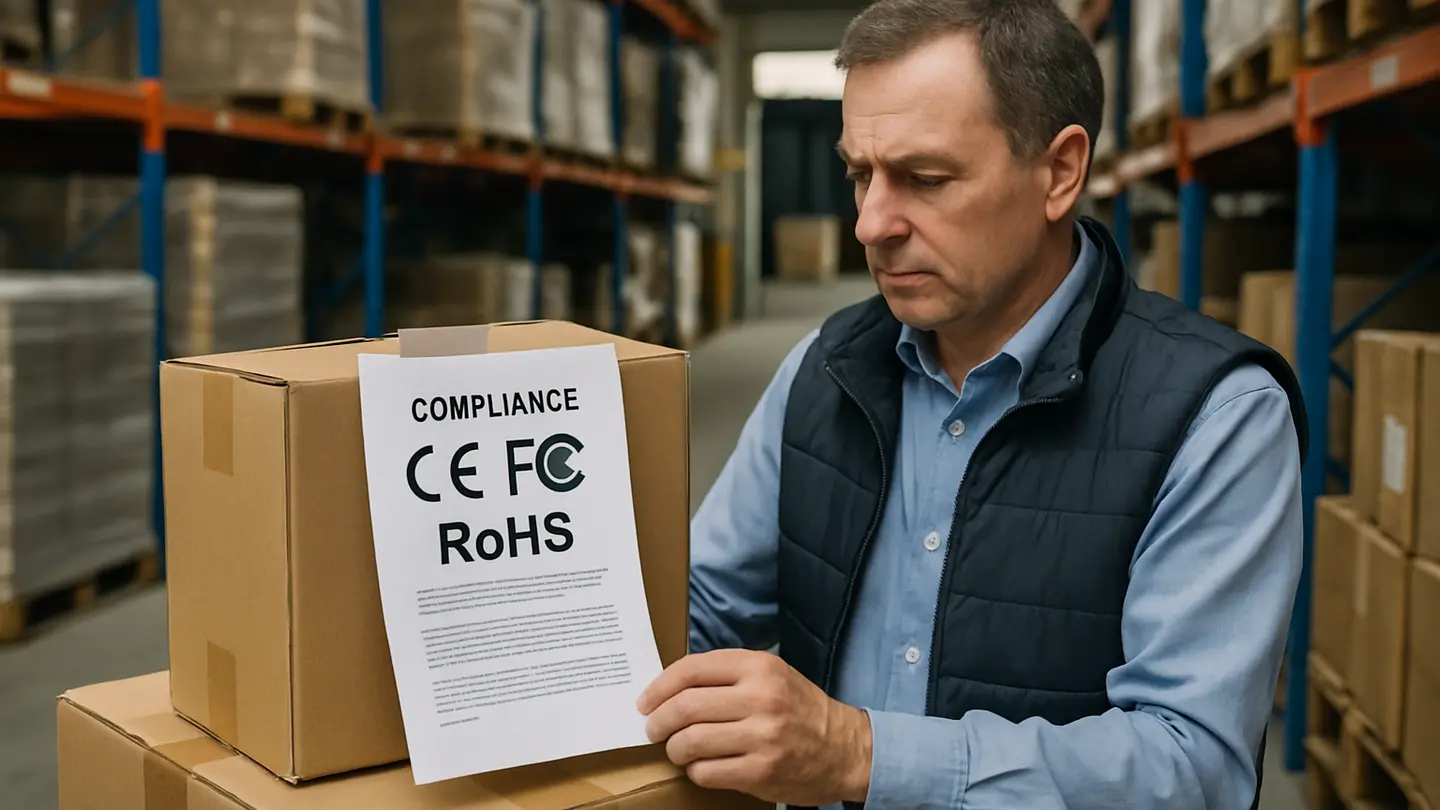
- Destination compliance, labeling, plumbing, safety, and legal requirements
Do not assume the factory knows your local market rules. A supplier may export shower products to many countries, but your exact channel, retailer, marketplace, or plumbing category may have specific requirements. Put those requirements in writing before samples are made.
A Practical Sourcing Process for Shower Products
A structured sourcing process helps you move from supplier discovery to mass production without losing control. The goal is not simply to find a low unit price. The goal is to select a shower manufacturer that can produce the same approved product repeatedly, pack it correctly, support your replenishment plan, and resolve quality issues professionally.
The following steps can be used as a practical SOP for private-label shower sourcing in China.
Step 1: Choose the Right Shower Manufacturing Model
There are three common routes: ready-made white label, modified ODM, and true OEM private-label manufacturing.
White-label shower products are existing models sold with minimal changes, such as a logo on the box or product. This route is useful when speed matters more than differentiation. The downside is that competitors may sell similar items, and you have limited control over design ownership or unique features.
Modified ODM is a middle path. The shower manufacturer already has a base design, but you request changes such as finish, spray pattern, handle shape, hose length, connector type, logo placement, bracket design, or retail packaging. This can create a more brand-specific product without the full cost of creating every component from scratch.
True OEM manufacturing is used when you need a custom body, unique valve configuration, proprietary handle, special component layout, or distinctive product architecture. This may require molds, casting dies, injection tooling, engineering review, testing, and separate component sourcing. OEM gives stronger product control, but it also increases cost, timeline, and working-capital needs.
MOQ is not always set arbitrarily. For shower products, minimum quantities may be driven by plating batches, injection-molded parts, brass or stainless components, cartridge sourcing, hose production, printed packaging, color finishing, or master carton runs. If the MOQ seems high, ask which component or process is driving it.
Step 2: Shortlist and Verify Shower Manufacturer Candidates
Build your supplier list from several channels: B2B marketplaces, wholesale platforms, industry referrals, trade shows, and qualified sourcing agents. Marketplaces such as Made-in-China.com can be useful for initial discovery, but the shortlist should be based on evidence, not only listing photos.
Screen each shower manufacturer for category fit. A factory focused on plastic hand showers may not be the right fit for brass thermostatic valves. Review export experience, product range, finishing capability, testing process, packaging experience, and responsiveness.
Your first message should be structured. Include the shower type, target material, finish, thread standard, flow-rate expectations, certification or compliance requirements, logo method, packaging style, first order volume, forecast volume, destination market, and preferred trade terms. A clear first message filters out suppliers who cannot handle the project.
If you use Alibaba and rely on Trade Assurance, remember that protection depends heavily on what is documented in the actual order record. Informal chats are not enough. Upload specifications, packaging requirements, sample references, inspection standards, defect criteria, and delivery terms before payment.
Verification should include business-license checks, live video factory tours, production-floor evidence, and technical questioning. Ask whether the supplier manufactures directly or trades through partner factories. A real manufacturer should be able to discuss materials, finishing, leakage testing, assembly, common defects, and production constraints in detail.
Step 3: Lock Shower Specifications, Compliance, and Contracts
Freeze the specification before final price negotiation or deposit payment. If the shower manufacturer quotes before the product is fully defined, the price may change once details are clarified.
Your specification should cover dimensions, thread standards, material grade, wall thickness, cartridge or valve requirements, hose length, finish, tolerances, flow expectations, spray modes, logo position, accessories, and defect definitions. For example, “chrome finish” is not enough. Define appearance requirements, acceptable blemishes, scratch limits, color consistency, and inspection method.
The packaging brief is equally important. It should include dielines, artwork files, print method, box material, inserts, instruction manuals, warning labels, barcodes, carton specifications, carton marks, and pallet or fulfillment requirements. Packaging errors can delay marketplace or retail receiving even when the product itself is acceptable.
Use locally enforceable legal documents for sensitive matters. These may include NNN terms, tooling ownership, exclusivity, production delays, rework obligations, subcontracting limits, approved supplier responsibilities, and confidentiality around drawings or packaging.
Tooling terms must be written clearly. State who owns the molds, where they are stored, who maintains them, whether tooling cost is amortized into future orders, and what happens if you move production to another factory.
Step 4: Compare Samples, Approve the Golden Sample, and Negotiate
Order parallel samples from shortlisted manufacturers and score them against the same specification. Do not compare one supplier’s premium sample against another supplier’s economy version.
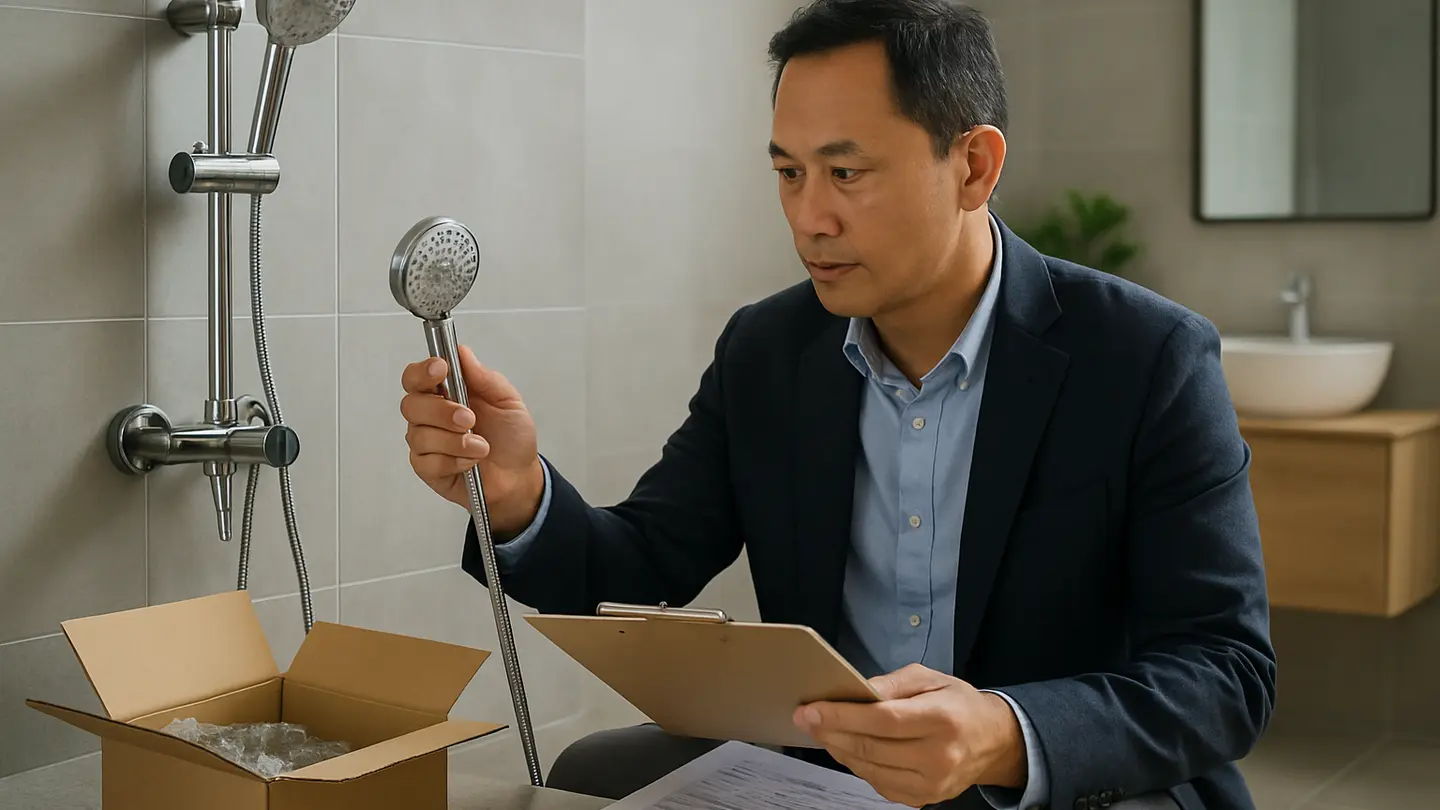
Evaluate water function, spray consistency, leakage, fit, finish, plating or coating quality, material accuracy, thread compatibility, hose flexibility, bracket stability, accessories, packaging execution, communication quality, and correction speed. The way a supplier handles sample revisions often predicts how they will handle bulk production problems.
Negotiate total program economics, not just unit price. Ask about MOQ drivers, tooling, finish options, spare parts, packaging costs, testing costs, inspection access, payment terms, sample charges, and lead times. A slightly higher unit price may be acceptable if it includes stronger packaging, better finishing control, or lower defect risk.
For Alibaba orders, make sure the order record includes specifications, approved sample references, packaging requirements, inspection terms, defect standards, and delivery expectations. Do not rely only on external messages.
Before issuing the bulk purchase order, approve a physical golden sample. Sign it, photograph it, assign a revision number, and link it to the purchase order, inspection checklist, and production file. The golden sample becomes the practical reference for quality disputes.
Step 5: Run a Shower Product Quality Control SOP
A written QC SOP is stronger than a purchase order alone. It tells the factory, inspector, and buyer what must be checked and what happens if goods fail.
Before production starts, confirm the golden sample version, revision number, materials, finish, components, fittings, packaging, manuals, labels, and carton marks. If any component changes, require written approval.
During production, inspect first articles and in-process output. For shower products, key checks include leakage, pressure or flow performance, spray mode function, finish defects, scratches, dents, thread accuracy, connector compatibility, hose length, branding, accessories, manuals, inner packaging, master cartons, and labels.
Use pre-shipment inspection with AQL sampling where appropriate. The report should include timestamped photos, defect logs, carton checks, measurement results, and clear pass/fail criteria. Major findings should be closed in writing before shipment release.
Do not release final payment or authorize shipment simply because the factory says the goods are finished. Release only after corrective actions are completed and documented.
Step 6: Plan Cartons, Freight, and Fulfillment Routing
Plan logistics before the products are packed. Shower products can be heavy, bulky, and vulnerable to cosmetic damage if inner packaging is weak.
Choose air, sea, rail, express, or mixed-mode freight based on urgency, product weight, carton volume, stockout risk, and landed-cost target. A small urgent replenishment may justify air freight, while a larger planned order usually needs a lower-cost freight strategy.
Confirm Incoterms, shipping window, commercial invoice, packing list, HS-code review, carton labels, destination address, and routing instructions. These details affect landed cost and receiving.
If selling through Amazon, Walmart, retailers, or third-party fulfillment centers, confirm carton weights, carton dimensions, barcodes, warnings, pallet rules, and routing documents before final pack-out. Incorrect labels or noncompliant cartons can create delays, repacking costs, or shipment rejection.
Coordinate the shower factory, packaging supplier, freight forwarder, and inspection provider before the goods are sealed. It is much cheaper to correct labels and cartons at the factory than after export.
Step 7: Build Replenishment and Supplier Performance Controls
Supplier management begins after the first purchase order. Treat the first shipment as a pilot batch, even if the order is commercially important.
After each order, review defect rates, leakage issues, finish problems, carton damage, packaging errors, delivery delays, communication problems, and landed-cost variance. Compare the actual result against the RFQ, quotation, inspection report, and shipping plan.
Use lessons from the first batch to revise the next purchase order, inspection checklist, packaging brief, and logistics instructions. If scratches appeared during transit, improve inner protection. If finish color varied, tighten finish standards. If cartons arrived damaged, review carton strength and palletization.
Share forecasts with the shower manufacturer when possible, but do not scale blindly. Reserve capacity, monitor material-cost changes, negotiate improved terms, and qualify backup suppliers for key components or alternate models.
Specialist support may be useful when the program involves multiple factories, mixed bills of materials, compliance-heavy products, custom tooling, or complex marketplace routing.
Fixing Common Shower Sourcing Problems
Most shower sourcing failures are easier to resolve when specifications, samples, inspection rules, and acceptance standards were documented before production. Without written evidence, disputes often become subjective arguments about what the buyer “expected” and what the factory “usually supplies.”
Problem: The Production Shower Feels Lighter or Cheaper Than the Sample
This can happen when mass production uses downgraded materials, thinner walls, weaker hoses, cheaper fittings, lower-quality cartridges, or less consistent finishing than the approved sample.
Tie the golden sample directly to the purchase order and inspection checklist. Include material tolerances, finish standards, functional tests, weight or dimensional checks where relevant, and defect criteria. Inspect before final payment to catch substitutions, weak construction, scratches, leaks, finish defects, missing accessories, or packaging downgrades.
Problem: Alibaba Trade Assurance Does Not Support Your Claim
Alibaba Trade Assurance outcomes depend heavily on evidence documented inside the platform order. WeChat messages, phone calls, or informal confirmations may not be enough for platform mediation.
Before paying a deposit, upload bilingual purchase documents, product specifications, packaging requirements, approved sample references, inspection standards, and defect criteria. Get written confirmation of tolerances, delivery terms, remedies, and acceptance standards inside the relevant order documentation.
Problem: Molds, Dies, or Finish Tooling Costs More Than Expected
High tooling quotes or MOQs may come from molds, casting dies, injection parts, plating batches, custom hoses, custom packaging, or low-volume component sourcing.
Ask the shower manufacturer for a tiered BOM or cost breakdown to identify the cost driver. If commercially reasonable, negotiate tooling amortization across several orders and document the arrangement. If the custom design makes the MOQ uneconomic, consider stock bodies, standard hoses, existing handles, or existing valve designs.
Problem: Amazon, Walmart, or Retail Receiving Rejects the Shipment
Fulfillment centers and retail receivers may reject goods because of wrong carton labels, damaged cartons, overweight cartons, missing warnings, routing errors, or noncompliant packaging.
Freeze fulfillment requirements before final pack-out. Check carton labels, barcodes, warnings where relevant, carton strength, dimensions, weight, and pallet requirements before port release. Very low unit pricing can sometimes reflect downgraded packaging, changed carton assumptions, or excluded freight-related costs, so restate Incoterms, landed-cost assumptions, carton requirements, and delivery responsibilities in writing.
FAQ
1. How much money do I need to start private labeling in China?
A serious private-label shower launch usually requires several thousand dollars upfront, depending on MOQ, product complexity, tooling, packaging, compliance, and freight. Budget for samples, test orders, mold or tooling fees, packaging artwork, inspections, lab testing where required, freight, duties, and quality control.
Custom-molded shower parts, unique handles, special valve bodies, or proprietary components may require separate mold fees. If you want to reduce risk, start with a pilot run or a limited SKU launch before scaling into a full product line.
2. Does Alibaba Trade Assurance protect my intellectual property?
Alibaba Trade Assurance should not be treated as an intellectual-property protection system. Payment protection, order-performance evidence, and IP protection are separate issues.
Before sharing sensitive shower designs, CAD files, mold drawings, logos, packaging artwork, or unique component specifications, use locally enforceable agreements. For contracts intended to be enforceable in China, work with qualified local counsel.
3. How do I verify a Chinese factory is not a trading company?
Check the business license, registered business scope, factory address, and production site. Request a live video walkthrough showing active equipment, assembly lines, testing areas, packaging stations, warehouse activity, and quality-control processes.
Ask technical questions about materials, cartridges, leakage testing, finish control, tooling, sample revisions, and common defects. A real shower manufacturer should answer production-specific questions clearly. A trading company may provide vague answers or need to ask another party for every technical detail.
Conclusion: Move From RFQ to Pilot Order Before Scaling
A successful private-label shower sourcing program should end with a frozen specification, approved golden sample, signed tooling and ownership terms, documented QC release, and export-ready cartons.
The next practical step is to build your RFQ pack, shortlist qualified suppliers, verify the best candidates, and run a controlled pilot order. Scale only after the shower manufacturer has proven its sample accuracy, production consistency, inspection performance, packaging execution, and logistics readiness.