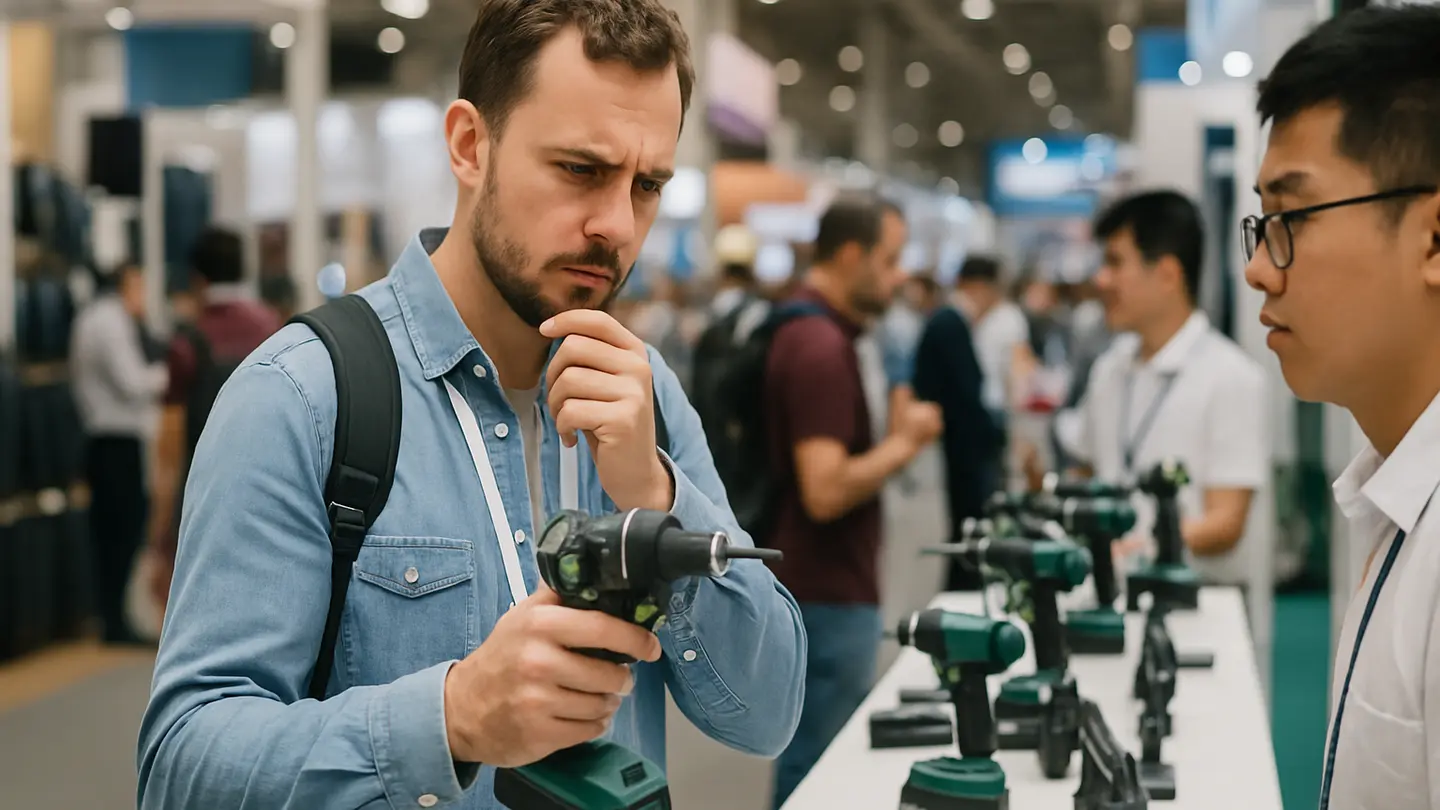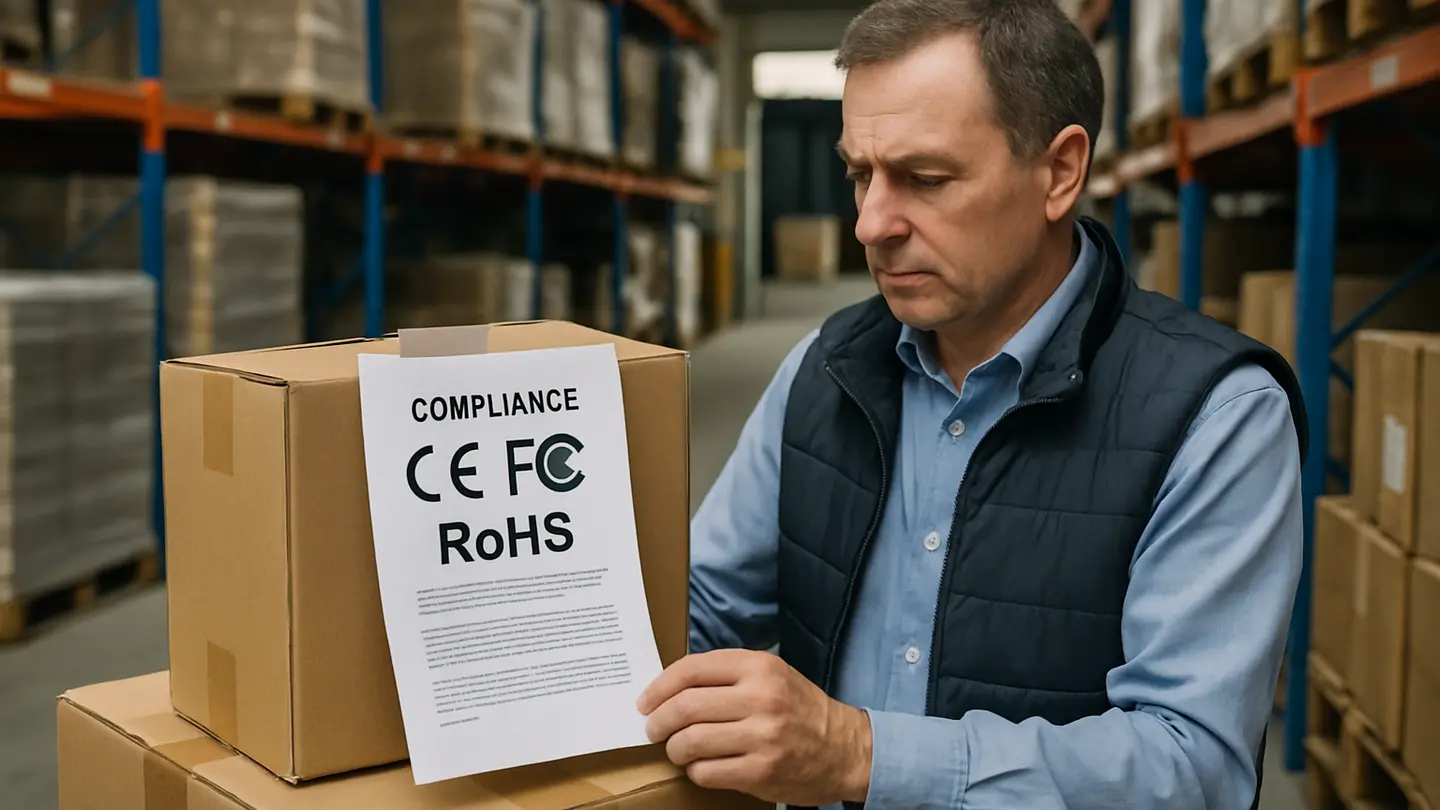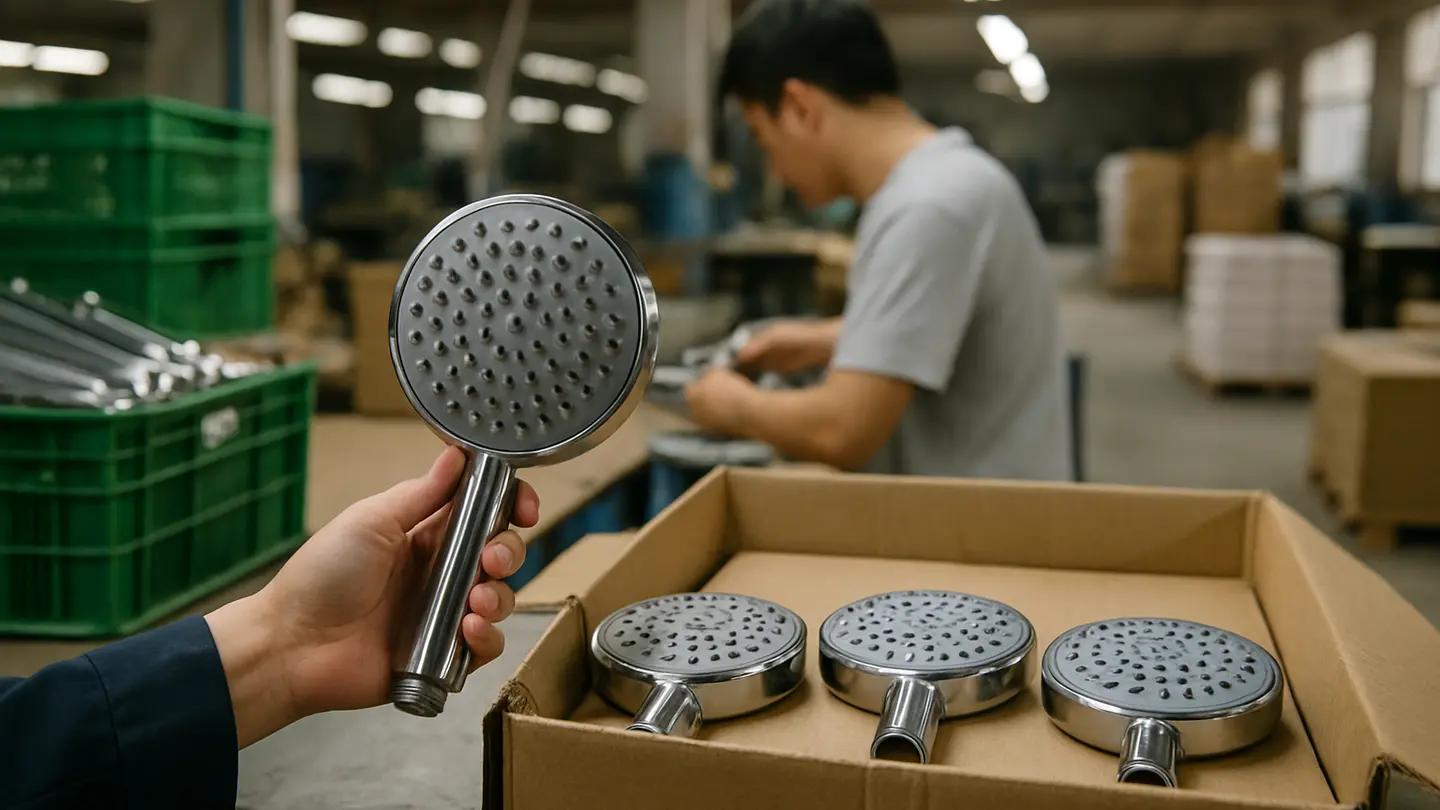
Finding a reliable shower manufacturer in China is not about collecting names. It is about reducing risk before money moves. Shower products involve visible finishes, water performance, leakage risk, corrosion resistance, packaging protection, and sometimes compliance requirements. A weak supplier can create expensive problems after the goods leave the factory.
Use a disciplined process: define the product, shortlist relevant suppliers, verify capability, test with samples or a pilot order, then scale gradually. Live video factory tours are useful, but they should support—not replace—documentation, inspections, and clear agreements.
What to prepare before approaching shower manufacturers
Before contacting shower manufacturers in China, prepare a clear buyer brief. A vague request such as “send me your best shower head price” usually produces vague quotes. A professional RFQ should include drawings or reference photos, dimensions, materials, finish requirements, flow expectations, hose or fitting standards, packaging needs, target quantity, target price range, and logistics terms.
For bathroom products, material and finish details are critical. Specify whether the product uses brass, stainless steel, ABS, zinc alloy, tempered glass, silicone, ceramic cartridges, or other components. Define the finish, such as chrome, brushed nickel, matte black, gunmetal, PVD finish, or powder coating. For shower enclosures, include glass thickness, hardware material, door configuration, seals, packaging structure, and installation accessories.
Prepare compliance requirements for your market, such as plumbing standards, water-contact rules, labels, manuals, safety warnings, or retail packaging language. Do not assume the supplier knows your market because they export. Ask what markets they serve and request evidence relevant to the product category.
Location also matters. Shower heads, faucets, fittings, sanitaryware, shower enclosures, drains, and accessories often come from different manufacturing clusters. Some factories specialize in metal machining and plating, some in plastic injection, some in glass systems, and others in ceramic sanitaryware.
Decide whether you want a factory, trading company, or sourcing agent. Direct factory sourcing can work when the product is clear, the order size is meaningful, and your team can manage communication, inspection, payment, and logistics. A trading company may help with mixed bathroom orders or small MOQs. A sourcing agent may help with verification, negotiation, production follow-up, inspection coordination, or multi-supplier management.
If your product includes custom designs, tooling, brand artwork, private-label packaging, or unique specifications, put ownership and confidentiality in writing before sharing full files. Confirm who owns molds, dies, samples, packaging files, and technical drawings.
Keep payment security strict. Avoid personal bank accounts. Verify the supplier’s Chinese business license, legal entity name, registered address, and corporate bank account. The company name on the contract, invoice, bank account, and export documents should be consistent or clearly explained.
A structured process for finding the right shower manufacturer
The same workflow can apply whether you are buying shower heads, handheld showers, thermostatic systems, shower panels, enclosures, drains, hoses, valves, or bathroom accessories.
A structured process should answer five questions:
- Does this supplier fit my product category?
- Is the supplier a real manufacturer, trader, or agent?
- Can they prove relevant production and quality-control capability?
- Can they deliver consistent quality beyond a good sample?
- Can they support my sales channel without hidden cost or compliance risk?
The following steps move from supplier discovery to controlled scale-up.
Step 1: Choose your sourcing model and define the supplier’s role
Your sourcing model should match your order size, customization level, tooling needs, compliance requirements, and inspection expectations.
For standard shower accessories in moderate quantities, a trading company may add value by consolidating several product lines. For a custom thermostatic shower system, direct access to engineering and production is usually more important. For hotels, wholesale distribution, retail chains, Amazon FBA, or DTC ecommerce, the supplier’s role must reflect the channel.
Amazon FBA sellers may need barcode labeling, durable packaging, carton-size control, accessory checks, and prep accuracy. Hotel buyers may need finish consistency, spare parts, installation instructions, batch tracking, and coordinated delivery. Retail buyers may require shelf-ready packaging, carton drop resistance, compliance labeling, and predictable replenishment.
Define responsibilities in writing. Will the supplier handle engineering feedback, samples, tooling, packaging design, quality inspection, export documents, consolidation, inland freight, or shipment booking? If you use a sourcing agent, will they disclose the factory identity, negotiate directly, monitor production, arrange inspection, and explain their fee?
Be cautious with intermediaries who refuse to disclose the production source, production city, cost drivers, or fee model. A transparent trading company or sourcing partner can be useful. An opaque intermediary makes it harder to control quality, resolve defects, and negotiate improvements.
Step 2: Build a focused shortlist of qualified shower suppliers
A focused shortlist is more useful than hundreds of unverified contacts. Aim for five to ten candidates that appear relevant to your exact product category.
Use targeted searches based on product type, manufacturing region, material, finish, export market, certification requirements, and sales-channel specialization. Discovery channels include Google search, importer referrals, B2B platforms, freelance sourcing networks, trade shows, bathroom industry groups, and factory visits.
Before sending a formal RFQ, review the supplier’s website, catalog, public profiles, company history, factory photos, showroom images, case studies, and contact personnel. Look for category depth. A supplier showing many shower heads, hoses, valves, and accessories with coherent specifications may be more relevant than a general exporter listing unrelated goods.
Evaluate communication early. A capable supplier should ask about materials, finish, packaging, MOQ, flow, pressure, installation requirements, and target market. If the response is only “yes, we can make it” with a price, the supplier may not understand the project.
Filter candidates by:
| Filter | What to check |
|---|---|
| Product fit | Exact experience with shower heads, enclosures, valves, drains, or accessories |
| Location fit | Access to relevant bathroom-product manufacturing clusters |
| Service scope | Factory direct, trader, agent, packaging support, inspection support |
| Technical capability | Drawings, sample development, testing, tooling, finish control |
| Documentation | Business license, export documents, product test records, references |
| Transparency | Clear pricing, corporate payment details, factory disclosure |
| Communication | Specific answers, timely replies, willingness to document requirements |
Step 3: Run due diligence before sending money
Due diligence should happen before sample fees, tooling deposits, or production deposits are paid.
Start with the Chinese legal entity. Request the business license and check the company name, registration details, legal representative, registered address, operating status, business scope, and company history through an official registry or reliable verification service. The business scope should match manufacturing, trading, import/export, or the claimed service model.
Look for inconsistencies. Does the claimed factory location match the business license, website, invoice, corporate email, and shipping documents? Does the bank account holder match the contract party? Is the supplier using one company name in chat, another on the invoice, and another for payment? Some differences may be legitimate, but they must be documented before you transfer money.
Reject vague all-in pricing when the supplier cannot explain major cost elements. For shower products, price differences may come from material grade, coating thickness, cartridge quality, plating process, glass thickness, packaging strength, accessories, testing, inland freight, export handling, or tooling amortization.
Use live video calls to check the operation. Ask to see the office, showroom, sample room, production lines, assembly area, warehouse, testing equipment, packaging area, and QC workflow. For shower enclosures, look for glass handling, hardware assembly, seals, packaging, and finished goods. For shower heads, ask to see injection molding, machining, assembly, flow testing, leakage testing, and carton packing.
Ask for recent category-specific proof. If customer names are confidential, request redacted order records, product photos, inspection reports, packing lists, or export documents that match the product category.
Step 4: Review pricing, fees, and hidden margin risks
Before approving an order, understand how every party earns money. A manufacturer earns through product margin. A trading company may add margin to the factory price. A sourcing agent may charge a percentage, flat project fee, inspection fee, consulting fee, or hybrid arrangement. These models are not automatically wrong, but hidden economics create risk.
Be skeptical of “free sourcing” or unusually cheap quotes. The cost may be hidden in inflated unit prices, lower-grade materials, undisclosed supplier commissions, weak packaging, or reduced inspection work. A cheap shower head is not cheap if it creates complaints, corrosion, leakage, missing accessories, or relabeling costs.
Request line-item quotations. Depending on the project, this should include unit price, MOQ, mold or tooling fees, sample fees, packaging cost, labeling cost, spare parts, testing cost, inspection charges, inland freight, export charges, payment terms, and lead time. If you work through an intermediary, ask whether the factory identity can be disclosed and whether the quoted price includes a service fee or margin.
Compare identical RFQs across several vetted suppliers. Use the same drawings, materials, finishes, packaging requirements, testing expectations, and quantity. Large price gaps may show that one supplier misunderstood the specification, excluded packaging, quoted inferior materials, or added excessive margin.
Cost checks for Amazon FBA shower products
Amazon FBA shower products require more than a low ex-factory price. Shower heads, hoses, filters, drains, and accessories may need FNSKU labels, barcodes, polybags, suffocation warnings where applicable, inserts, carton labels, master carton controls, and packaging that survives parcel handling.
Review line-item charges for FNSKU labeling, polybags, insert placement, carton strength, carton dimensions, barcode scanning, inspection, and inland freight. A supplier that saves a few cents on packaging can create receiving delays, relabeling charges, damaged inventory, returns, or negative reviews.
The key is not whether the supplier says they “can do FBA,” but whether they can document the labeling, packing, carton, and inspection workflow.
Step 5: Place a paid sample or pilot order
Do not commit to a full container or long-term agreement based only on emails and catalog photos. Use a paid sample, prototype, finish sample, packaging mockup, or micro-batch trial to test real capability.
Send one detailed RFQ and keep requirements consistent. Define acceptance criteria for dimensions, material, weight, finish, color consistency, water flow, pressure resistance, leakage testing, corrosion resistance, glass safety where relevant, packaging strength, labeling, accessories, and documentation.
Ask for evidence during the trial: production photos, measurement reports, test videos, inspection records, packaging photos, and shipment details. Set an update cadence before paying, such as updates when materials are purchased, tooling starts, samples are assembled, testing is completed, packaging is ready, and goods are shipped.
The pilot order is also a communication test. A strong supplier identifies technical issues early, suggests practical improvements, and documents changes. A weak supplier repeats “no problem” until a delay or defect appears.
Step 6: Move from trial order to managed production
Scale only after the trial proves responsiveness, technical fit, transparency, and quality consistency. A successful sample is not enough; the supplier must also follow instructions, document production, communicate delays, and accept inspection.
Use a written agreement covering product specifications, payment terms, tooling ownership, quality standards, inspection rights, reporting cadence, confidentiality, dispute handling, and exit terms. For custom shower products, include confidentiality terms and explicit ownership provisions for molds, dies, fixtures, testing jigs, packaging artwork, and brand files.
Treat the first 60 days as controlled onboarding. Keep order exposure limited, inspect more frequently, and require milestone updates. Schedule incoming material checks, in-process inspections, and pre-shipment inspections where appropriate. Keep a sealed golden sample as the reference for production and QC.
Develop backup suppliers for critical components such as cartridges, hoses, brackets, glass, seals, valves, drains, and packaging. Backup options reduce stockout risk and give you leverage if quality or lead time declines.
How to troubleshoot common shower supplier problems
Common sourcing failures include vague quotes, communication delays after payment, sample-to-bulk quality gaps, overbroad supplier claims, and mismatched payment details. Shower and bathroom products add category-specific risks: finish inconsistency, leakage, corrosion, glass breakage, weak seals, missing installation parts, and packaging damage.
The goal is to detect problems early enough to control cost, delay, and customer impact.
The price looks low, but the quote lacks detail
A very cheap quote may hide lower-grade brass or plastic, thinner coatings, inferior cartridges, weak hoses, reduced packaging, missing tests, or undisclosed trading margins. Pause negotiations if the supplier cannot explain material grade, finish process, component type, MOQ, tooling cost, packaging specification, warranty terms, and inspection standard.
Request a written breakdown and, when using an intermediary, factory identity disclosure. Compare the same RFQ with other vetted suppliers. If the seller refuses transparency on core quality and price factors, walk away.
Communication slows down after the deposit
Silence after deposit is a major warning sign. It may indicate poor organization, overbooked production, subcontracting issues, or weak accountability.
Prevent this by requiring milestone updates for sample making, material purchasing, tooling, production start, in-process inspection, packaging, and shipment booking. Ask for a named backup contact. Until the supplier proves reliable through samples and small orders, limit financial exposure.
Bulk shower quality does not match the approved sample
Bulk production can differ from the approved sample in finish, fit, function, weight, material grade, coating thickness, packaging, or accessories. A sealed golden sample gives the factory, inspector, and buyer a shared reference.
Schedule in-process inspection early enough to catch coating, assembly, leakage, glass, or component issues before the batch is finished. Use pre-shipment inspection before final payment. For Amazon FBA sellers, inspect labels, cartons, and accessories as seriously as product function.
The supplier says they can make every bathroom product
Treat universal capability claims carefully. Bathroom products require different materials, processes, and quality controls. A supplier strong in shower hoses may not be strong in thermostatic mixers. A faucet factory may not be the best source for shower enclosures. A general trader may present many products without controlling production.
Ask for recent orders in the exact category: shower heads, enclosures, valves, thermostatic mixers, drains, hoses, or accessories. Request product photos, production videos, inspection records, and matching export documentation where appropriate.
Payment information does not match the contract
Do not wire funds to personal accounts or unverified third-party accounts. If bank details differ from the contract, invoice, business license, or previous payment records, stop the transfer and re-verify.
Unexpected payment-detail changes during sample, deposit, balance, or shipment stages are serious fraud indicators. Confirm the legal entity, account holder, contract party, and invoice details before sending funds. Replace suppliers or sourcing partners that fail basic transparency, documentation, inspection, or payment-security checks.
FAQ
1. How much does a China sourcing agent cost?
The cost depends on product type, material, finish, MOQ, tooling, packaging, testing, inspection, inland freight, export terms, and service model. Some sourcing agents charge a percentage of order value, while others use flat project fees, inspection fees, or hybrid arrangements.
“Free” sourcing may be funded through higher unit prices or undisclosed supplier margins. Ask for line-item breakdowns so you can compare real landed cost.
2. Do I need a sourcing agent if I buy from Alibaba?
Not always. Alibaba can help you find suppliers, but it does not replace independent verification. You still need to check legal identity, factory capability, product fit, payment details, samples, and production quality.
A sourcing agent or third-party inspector can help with local factory checks, production follow-up, negotiation, consolidation, and inspection before final payment. For large deposits, custom shower products, or first-time suppliers, verification is strongly recommended.
3. How do I know if a sourcing agent is legitimate?
Check the agent’s or supplier’s business license through an official Chinese registry or reliable verification service. Confirm the legal entity, address, business scope, and corporate bank account. Request a live video tour of the office, showroom, production area, warehouse, testing area, and packaging line where relevant.
Avoid payments to personal bank accounts. Use verified corporate bank channels or secure payment platforms when possible, and make sure the contract, invoice, and payment beneficiary are consistent.
4. Can a sourcing agent help with Amazon FBA prep?
Some shower manufacturers and sourcing partners can support Amazon FBA prep, while others may need an external prep warehouse. Common tasks include FNSKU labeling, polybagging, suffocation warnings where applicable, carton labels, insert checks, master carton controls, and barcode scanning.
Fixing prep issues before export can prevent receiving delays, relabeling costs, missing accessories, carton damage, labeling mistakes, and avoidable compliance problems.
Conclusion
Finding the right shower manufacturer in China requires a process, not guesswork. Start by defining product specifications, packaging, compliance needs, MOQ, target pricing, and logistics terms. Build a focused shortlist, verify legal and factory details, test transparency, run a paid sample or pilot order, and scale only after performance is proven.
The cheapest supplier is not always the safest option. A reliable shower manufacturer gives you better visibility, stronger quality control, more predictable delivery, and clearer accountability when problems occur.
Your next step should be practical: refine your RFQ, prepare inspection checklists, confirm payment controls, decide whether you need direct factory sourcing or local support, and build a production plan that limits risk before volume increases.